

AI-generated image
Appam with vegetable stew
Rice hoppers with vegetable stew
Kerala's lacy, soft-centred rice hoppers with a mild coconut milk stew (plus 5 hours soaking and overnight fermenting)



Appam with stew is a Kerala breakfast loved across communities, and the classic Easter and Christmas morning meal for Syrian Christian families. Appams are bowl-shaped pancakes of fermented rice and coconut batter: crisp, lacy edges around a thick, spongy, slightly sweet centre. The stew (ishtu) is pale and gentle: potatoes and vegetables simmered in thin coconut milk with whole spices, ginger and green chilli, finished with thick coconut milk and curry leaves. Chef's tip: swirl the appam pan once, firmly, the moment the batter goes in, then cover; the swirl makes the lace and the lid steams the soft centre.
- Total time
- 60 min
- Difficulty
- medium
- Serves
- 4
Ingredients
For the appam batter
- 3 ½ oz fresh grated coconutor frozen, thawed
- 2 ⅛ oz cooked rice
- 2 tbsp sugar
- ½ tsp instant yeast
- 1 ¼ cups waterabout
- 1 tsp salt
For the vegetable stew
- 2 tbsp coconut oil
- 1 ⅛ in cinnamon stick
- 4 cloves
- 3 green cardamom podslightly crushed
- ½ tsp black peppercorns
- 1 onionthinly sliced
- 1 tbsp fresh gingercut into thin matchsticks
- 3 green chilliesslit
- 2 potatoesmedium, cut into 2 cm cubes
- 1 carrotcut into 2 cm pieces
- 2 ⅞ oz green beanscut into 3 cm lengths
- 2 ⅛ oz green peas
- 1 ¾ cups thin coconut milkor 200 ml tinned coconut milk mixed with 200 ml water
- 1 tsp salt
- ¾ cup thick coconut milktinned
To cook
- 1 tsp vegetable oilfor greasing
Shop this recipe on Amazon
What you'll need
Spices & pantry
Fresh ingredients (8)
Links open Amazon in a new tab. As an Amazon Associate, WhatToEat.Today earns from qualifying purchases.
Method
0/11 doneStep 1: Rinse 10 ½ oz raw short-grain rice (such as ponni or sona masuri) well and soak in plenty of water for 5 hours. Drain.
Step 2: Grind the rice with 3 ½ oz fresh grated coconut, 2 ⅛ oz cooked rice and most of 1 ¼ cups water to a very smooth, pourable batter, about 8–10 minutes. Rub a drop between your fingers: it should feel silky, not gritty. The cooked rice is what gives appam its soft, spongy middle.
10 minStep 3: Stir in 2 tbsp sugar and ½ tsp instant yeast, pour into a large bowl (it will double) and cover loosely. Leave in a warm place for 8–10 hours or overnight, until bubbly, risen and lightly sour-sweet.
Step 4: Next morning, stir in 1 tsp salt and enough of the remaining water to make a batter like single cream. Leave for 15 minutes while you start the stew.
Step 5: For the stew, heat 2 tbsp coconut oil in a wide pan over a medium heat. Add 1 ⅛ in cinnamon stick, 4 cloves, 3 green cardamom pods and ½ tsp black peppercorns and let them sizzle for 30 seconds until fragrant.
1 minStep 6: Add 1 onion, 1 tbsp fresh ginger, 3 green chillies and half of 12 fresh curry leaves and cook for 4–5 minutes until the onion is soft and translucent. Keep it pale: a Kerala stew should be creamy white.
5 minStep 7: Add 2 potatoes, 1 carrot, 2 ⅞ oz green beans, 1 ¾ cups thin coconut milk and 1 tsp salt. Bring to a gentle simmer, cover and cook on a low heat for 12–15 minutes until the potatoes are tender. Add 2 ⅛ oz green peas for the last 3 minutes. Crush a few potato cubes into the sauce to thicken it.
15 minStep 8: Pour in ¾ cup thick coconut milk and warm through for 2 minutes over a very low heat; don't let it boil, or the coconut milk splits. Add the rest of the curry leaves and take off the heat.
2 minStep 9: Heat an appachatti (appam pan) or small non-stick wok over a medium heat and wipe with a little of 1 tsp vegetable oil. Pour in a small ladle (about 60 ml) of batter, then immediately lift the pan by both handles and swirl it once round so the batter climbs the sides in a thin layer, leaving a pool in the middle.
1 minStep 10: Cover and cook on a medium-low heat for 2–3 minutes, until the centre is puffed, set and spongy and the edges are crisp, lacy and golden. Don't flip it. Ease it out with a spatula.
3 minStep 11: Serve 3 appams per person with the warm stew ladled alongside. Makes about 14.
Nutrition per serving
- Calories
- 520 kcal
- Protein
- 9 g
- Carbs
- 78 g
- Fat
- 20 g
- Fibre
- 6 g
Nutrition values are estimates.
KrazyBadal
Good to know
- How long does appam with vegetable stew take?
- About 60 minutes in total: 25 minutes to prepare and 35 minutes to cook.
- How many people does it serve?
- 4 as written. Change the servings above the ingredients and every amount scales to match.
- Is it vegan?
- Yes. It has no meat, fish, dairy or eggs.
- Is it gluten free?
- Yes, as written. Check the labels on stock, sauces and spice mixes, which sometimes contain gluten.
- What can I use instead of raw short-grain rice (such as ponni or sona masuri)?
- Any long-grain rice, same amount.
- What can I use instead of cooked rice?
- Any long-grain rice, same amount.
Reviews
No reviews yet. Be the first to cook it.
Rate this recipe
Sign in to rate and review this recipe.
You might also like

Sabudana khichdiSago with peanuts and potato
Sabudana khichdi is the dish that sees Maharashtra through every vrat (fast), from Navratri to Ekadashi, but it's so good that people eat it any day of the week. Soaked sago pearls are tossed in a pan with crushed roasted peanuts, cubes of potato, cumin and green chilli until each pearl turns glassy and separate, then finished with lemon and coriander. It's soft, chewy, nutty and gently hot. Fasting rules vary from family to family, so check yours; this version uses rock salt and no asafoetida, onion or garlic. Traditionally it's cooked in ghee; use ghee instead of oil if you aren't keeping it vegan. Chef's tip: soak the sago in just enough water to cover by the height of the pearls themselves, no more; too much water is the reason khichdi turns into one sticky lump.



Bagara bainganBaby aubergines in peanut sesame sauce
Bagara baingan is a Hyderabadi wedding dish of small aubergines cooked whole in a dark, tangy gravy of roasted peanuts, sesame, dried coconut and tamarind. Unlike a Gujarati stuffed brinjal, the aubergines here are only quartered at the base and fried until silky, then left to soak up a thin-but-rich sauce that is finished with a tempering, the 'baghar' that gives the dish its name. It's sour, nutty and gently spiced, and is served with biryani, bagara rice or plain rice. Chef's tip: choose small, glossy purple aubergines that feel heavy for their size; soft, light ones are full of seeds and turn mushy before the gravy has a chance to cling.
Doi chiraFlattened rice with curd
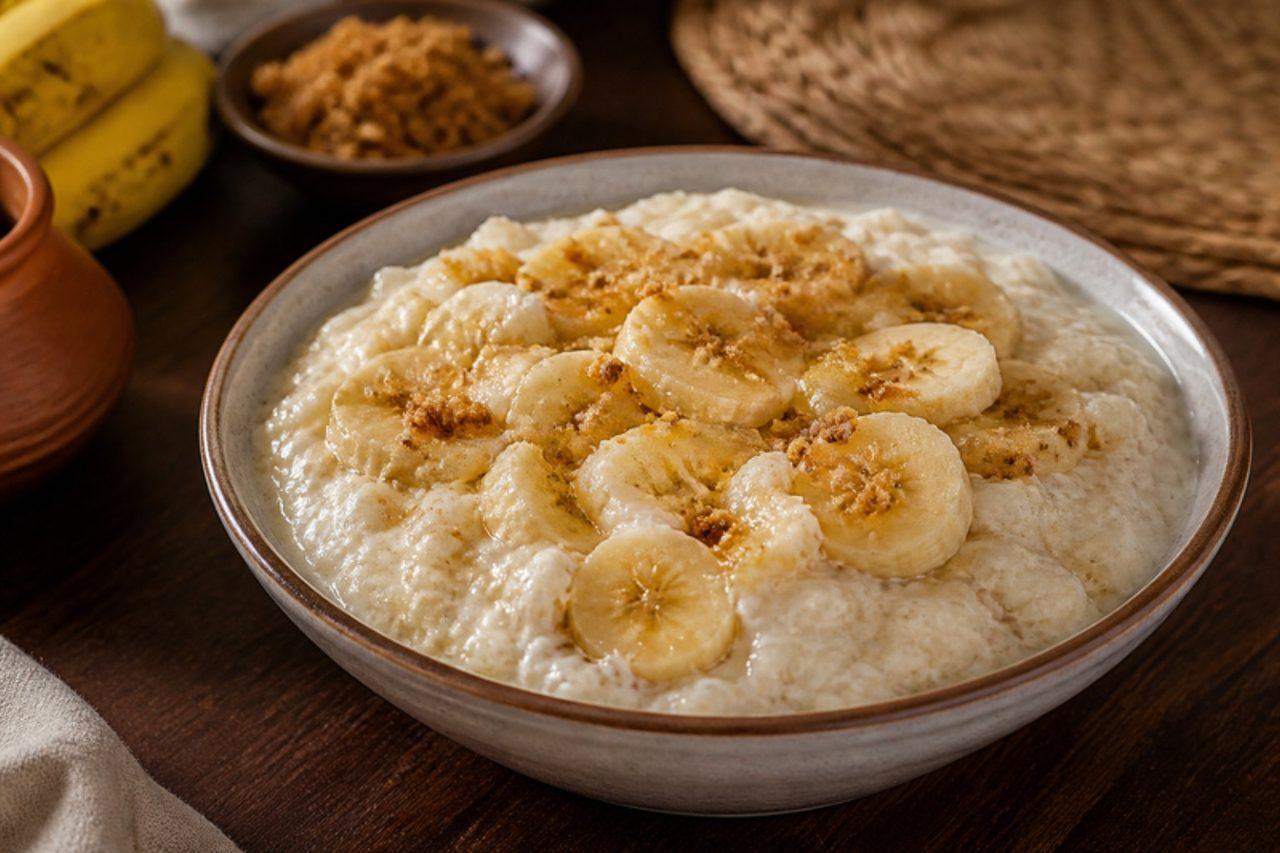
Nothing is cooked for doi chira, which is why it has been the breakfast of farmers and fishermen in Barisal for generations: flattened rice is rinsed, softened in thick, slightly sour curd and sweetened with jaggery or sugar, then mashed together with a ripe banana. The texture is soft and creamy with a little chew from the rice flakes, and the taste is cool, sweet and tangy. It is eaten on hot summer mornings, at village fairs and as part of the Pohela Boishakh spread, and it is a favourite of children and of anyone fasting who wants something gentle. The usual misstep is soaking the chira for too long, which turns it to paste; a quick rinse is all it needs before the curd does the rest. Chef's tip: use thick-cut chira, not the thin kind for frying, so the flakes hold their shape.
 Bangladeshi