

AI-generated image
Armenian harissa
Harissa (Հարիսա): slow-beaten chicken and wheat porridge
Armenian harissa has nothing to do with the North African chilli paste. It is a thick, smooth porridge of whole wheat and chicken, cooked for hours until both break down, then beaten hard with a wooden spoon. It is tied to Musa Dagh and the village of Anjar, where it is cooked in huge cauldrons for the September feast, and many families also make it for Easter and cold winter Sundays. The taste is gentle and comforting, lifted by browned butter and cumin poured on top. Cooks often stop stirring once the wheat has softened, but the long beating at the end is what gives harissa its creamy, stretchy texture. Chef's tip: soak the wheat the night before; it halves the cooking time.
- Total time
- 230 min
- Difficulty
- hard
- Serves
- 6
Ingredients
To serve
Method
0/7 doneStep 1: Put 2 ⅝ lb chicken thighs and legs, bone in in a large heavy pan with 1 onion, 1 bay leaf and 10 ½ cups water. Bring to the boil, skim off the grey foam, then simmer gently with the lid ajar for 1 hour, until the meat falls from the bone.
60 minStep 2: Lift out the chicken and leave it to cool a little. Discard the onion and bay leaf. Strip the meat off the bones in shreds and throw away the bones and any gristle.
10 minStep 3: Drain 12 ½ oz hulled whole wheat berries (korkot) and add it to the broth. Bring back to a simmer, cover and cook on a low heat for 1 hour 30 minutes, stirring every 15 minutes and scraping the bottom, until the grains have burst and are very soft.
90 minStep 4: Return the chicken to the pan with 2 tsp salt. Cook on a low heat for 45 minutes more, stirring often. Add a splash of hot water if it gets too thick to stir.
45 minStep 5: Now beat it: with a sturdy wooden spoon, stir hard and fast for 10–15 minutes until the chicken disappears into threads and the porridge turns smooth and elastic, pulling away from the side of the pan. Take care, it spits.
12 minStep 6: Melt 2 ⅛ oz butter in a small pan until it foams and turns nutty brown, then stir in 1 tsp ground cumin.
Step 7: Ladle the harissa into bowls, make a hollow in the middle and pour in the hot butter. Dust with ½ tsp paprika if you like. Cool leftovers quickly, keep in the fridge up to 3 days and reheat with a splash of water until steaming hot all through.
Nutrition per serving
- Calories
- 520 kcal
- Protein
- 38 g
- Carbs
- 44 g
- Fat
- 20 g
- Fibre
- 7 g
Nutrition values are estimates.
KrazyBadal
Good to know
- How long does armenian harissa take?
- About 230 minutes in total: 20 minutes to prepare and 210 minutes to cook.
- How many people does it serve?
- 6 as written. Change the servings above the ingredients and every amount scales to match.
- What can I use instead of onion?
- 2 shallots per onion.
- What can I use instead of butter?
- The same weight of ghee or coconut oil (for frying and most baking).
Reviews
No reviews yet. Be the first to cook it.
Rate this recipe
Sign in to rate and review this recipe.
You might also like

Soto Banjar
Along the rivers of Banjarmasin in South Kalimantan, breakfast often means soto Banjar eaten at a wooden riverside warung, sometimes after a dawn trip to the floating market. Unlike the turmeric sotos of Java, this broth is pale and clear, perfumed with the sweet spices that traders brought up the river centuries ago: cinnamon, cloves, star anise, cardamom and nutmeg. Shredded chicken, glass noodles, carrot and a boiled egg go into the bowl with rice cakes, and lime and a little chilli sharpen it at the table. Chef's tip: toast the whole spices in the pan for a minute before the paste goes in; it brings out their sweetness without the dusty edge of ground spice.


Miso soup
Miso soup (味噌汁) is drunk every day in homes all over Japan, at breakfast as well as dinner, beside a bowl of rice. The base is dashi; this vegan version uses kombu and dried shiitake instead of bonito, which gives it a deep, rounded flavour. Silken tofu and wakame seaweed are the classic fillings. It takes ten minutes; just remember not to boil the miso. Chef's tip: add the miso at the very end and never let it boil. Boiling kills the miso's fresh, fermented aroma; Japanese cooks say the soup should only 'smile', with the surface barely trembling.

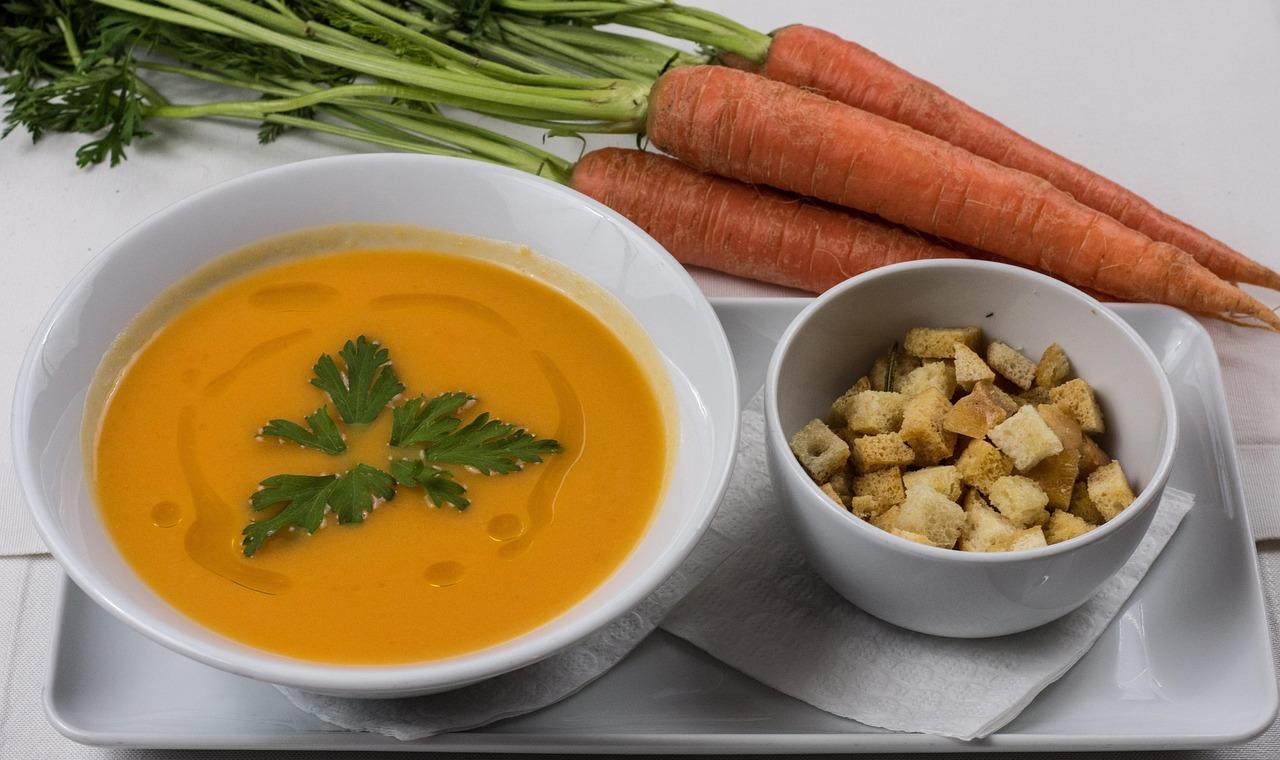
Carrot & coriander soup
A smooth, velvety carrot soup blended with potato for body and finished with butter-fried coriander and a splash of milk. It's mild and warming, so it suits the whole family. Serve it with crusty bread or croutons.