
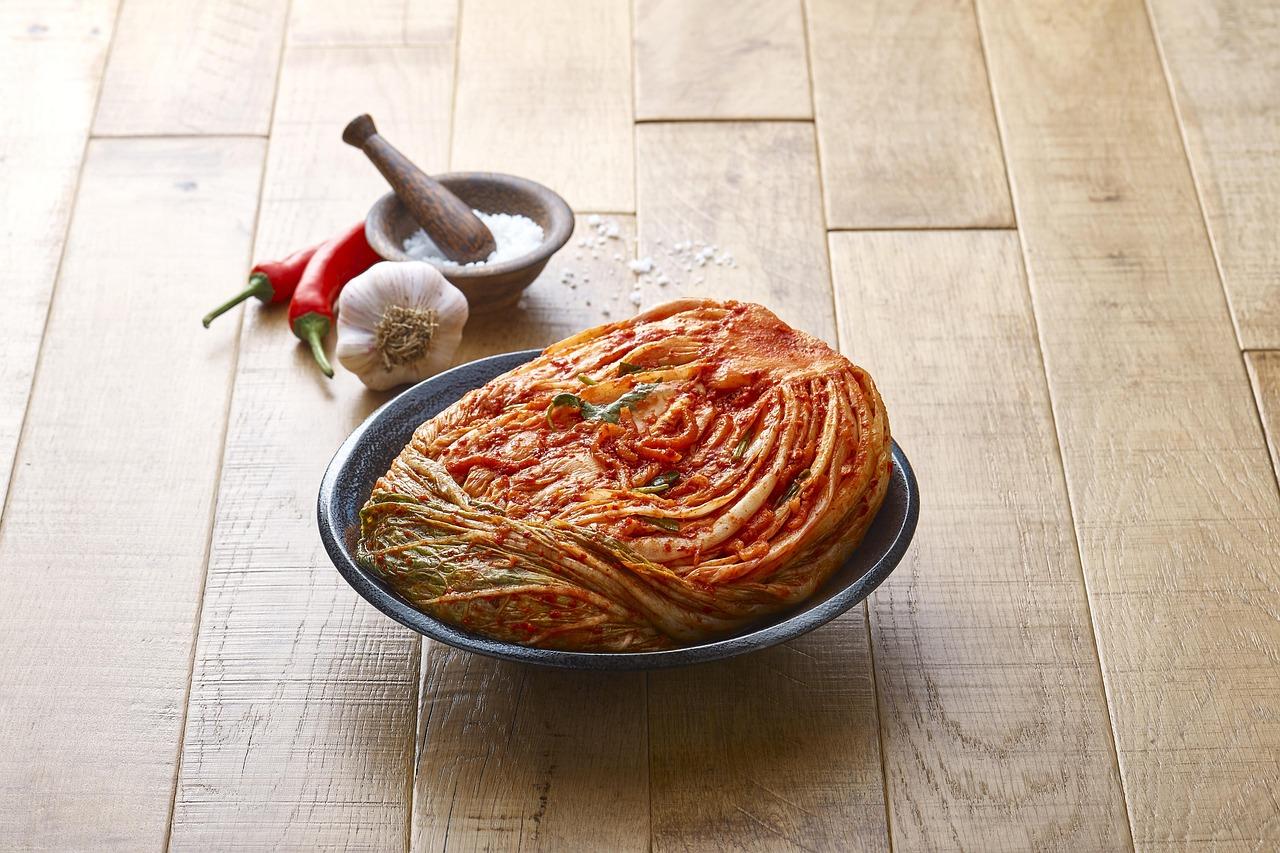
Baechu kimchi
배추김치 · Classic napa cabbage kimchi, made vegetarian with kelp and tamari instead of fish sauce


Baechu kimchi (배추김치) is the napa cabbage kimchi served at almost every Korean meal, from Seoul to Jeju. Salted cabbage quarters are rubbed leaf by leaf with a red paste of chilli flakes, garlic, ginger, radish and spring onion, then left to ferment until sour, fizzy and deeply savoury. Most recipes use fish sauce and salted shrimp; this one gets its depth from kelp stock and tamari, so it is vegetarian and gluten free. Eat it fresh after a day or two, or let it sour for a few weeks for kimchi fried rice, stews and pancakes. Salting takes about 2 hours, then allow 1–2 days for fermenting. Chef's tip: the salting is everything. Under-salted cabbage goes mushy and spoils; over-salted kimchi is harsh. Test a thick white stem: when it bends without snapping, rinse.
- Total time
- 150 min
- Difficulty
- medium
- Serves
- 24
Ingredients
For salting the cabbage
For the rice porridge
For the paste
For the vegetables
Method
0/12 doneStep 1: Cut a 10 cm slit into the base of 1 napa cabbage and pull it apart by hand into halves, then do the same again to make quarters. Tearing rather than cutting keeps the leaves whole.
Step 2: Dissolve a third of the 2 ⅛ oz coarse sea salt in 8 ¼ cups water in a large bowl. Dip each quarter in the brine so every leaf gets wet, then hold it cut side up.
Step 3: Sprinkle the rest of the 5 oz coarse sea salt between the leaves, using more on the thick white stems near the base and very little on the soft green tops. Lay the quarters cut side up in the bowl and pour the leftover brine over.
Step 4: Leave for 2 hours, turning the quarters every 30 minutes. The cabbage is ready when a thick stem bends without snapping.
120 minStep 5: While the cabbage salts, soak 1 piece dried kelp (dasima) in 1 ¼ cups water for 10 minutes, then remove the kelp. Whisk 2 tbsp glutinous rice flour into the water in a small pan and cook over a medium heat for 3–4 minutes, stirring all the time, until it thickens to a thin, translucent porridge. Leave to cool completely.
5 minStep 6: Blend 10 cloves garlic, ½ oz ginger, ½ onion and ½ Asian pear to a smooth purée.
Step 7: Stir the purée, 2 ⅞ oz gochugaru (Korean chilli flakes), 3 tbsp tamari (gluten-free soy sauce) and 1 tbsp sugar into the cold porridge to make a thick red paste. Leave for 10 minutes so the chilli flakes soften and the colour deepens.
Step 8: Fold 10 ½ oz Korean radish (mu), 6 spring onions and 1 carrot into the paste. Wear food-safe gloves from here on; the chilli stings.
Step 9: Rinse the cabbage quarters three times in fresh cold water, gently opening the leaves to wash out the salt. Squeeze lightly and leave them cut side down in a colander for 15 minutes to drain.
15 minStep 10: Working on one quarter at a time, lift each leaf and spread a thin layer of paste on both sides, right to the base. Fold the quarter in half, tips towards the base, and wrap the outer leaf around it to make a neat bundle.
Step 11: Pack the bundles tightly into a large clean jar or container, pressing out the air. Leave 3 cm of space at the top, as the kimchi bubbles as it ferments. Swirl a little water in the paste bowl and pour it over.
Step 12: Close the lid and leave at cool room temperature for 1–2 days, pressing it down once a day, until it smells pleasantly sour and you see small bubbles. Then keep it in the fridge, where it continues to sour slowly and keeps for up to 2 months. Cut into bite-size pieces to serve.
Nutrition per serving
- Calories
- 30 kcal
- Protein
- 2 g
- Carbs
- 6 g
- Fat
- 0 g
- Fibre
- 2 g
Nutrition values are estimates.
KrazyBadal
Good to know
- How long does baechu kimchi take?
- About 150 minutes in total: 140 minutes to prepare and 10 minutes to cook.
- How many people does it serve?
- 24 as written. Change the servings above the ingredients and every amount scales to match.
- Is it vegan?
- Yes. It has no meat, fish, dairy or eggs.
- Is it gluten free?
- Yes, as written. Check the labels on stock, sauces and spice mixes, which sometimes contain gluten.
- Is it very spicy?
- It has some heat. Use less chilli for a milder version, or more if you like it hot.
- Can I make it ahead?
- Yes. It keeps well, so you can cook it earlier in the day or the day before and reheat it.
- What can I use instead of napa cabbage?
- Savoy or spring greens, same weight.
- What can I use instead of garlic?
- ½ tsp garlic paste or ⅛ tsp garlic powder per clove.
Reviews
No reviews yet. Be the first to cook it.
Rate this recipe
Sign in to rate and review this recipe.
You might also like

Vegetable brown stock
A hearty stock that's simmered for 2 hours, then blended and strained, so the potato gives it body. Its deeper flavour suits thick soups, gravies and stews. Freeze it in portions so it's ready when you need it.


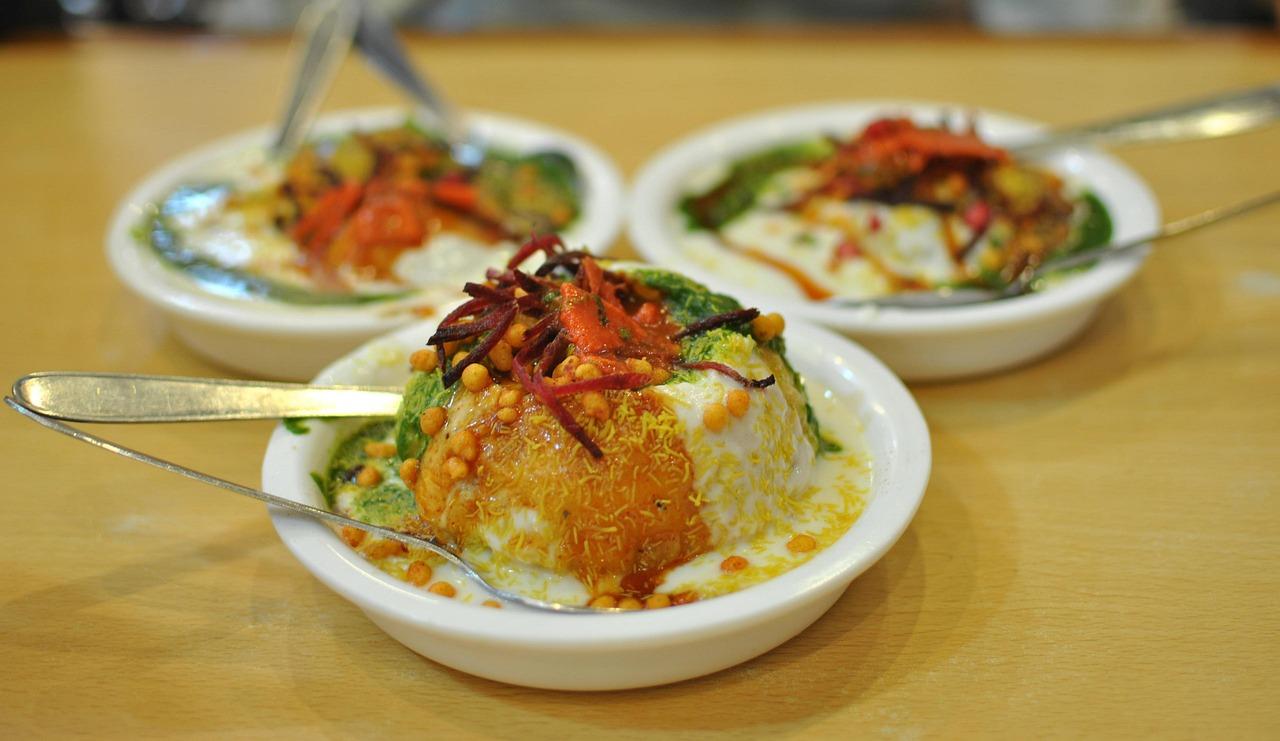
Chaat masala
Chaat masala is the tangy, salty, slightly sulphurous sprinkle that makes chaat taste like chaat. Dried mango (amchur) gives the sourness and black salt the distinctive savoury edge. Sprinkle it over fruit, salads, raita, chips and street-food snacks.


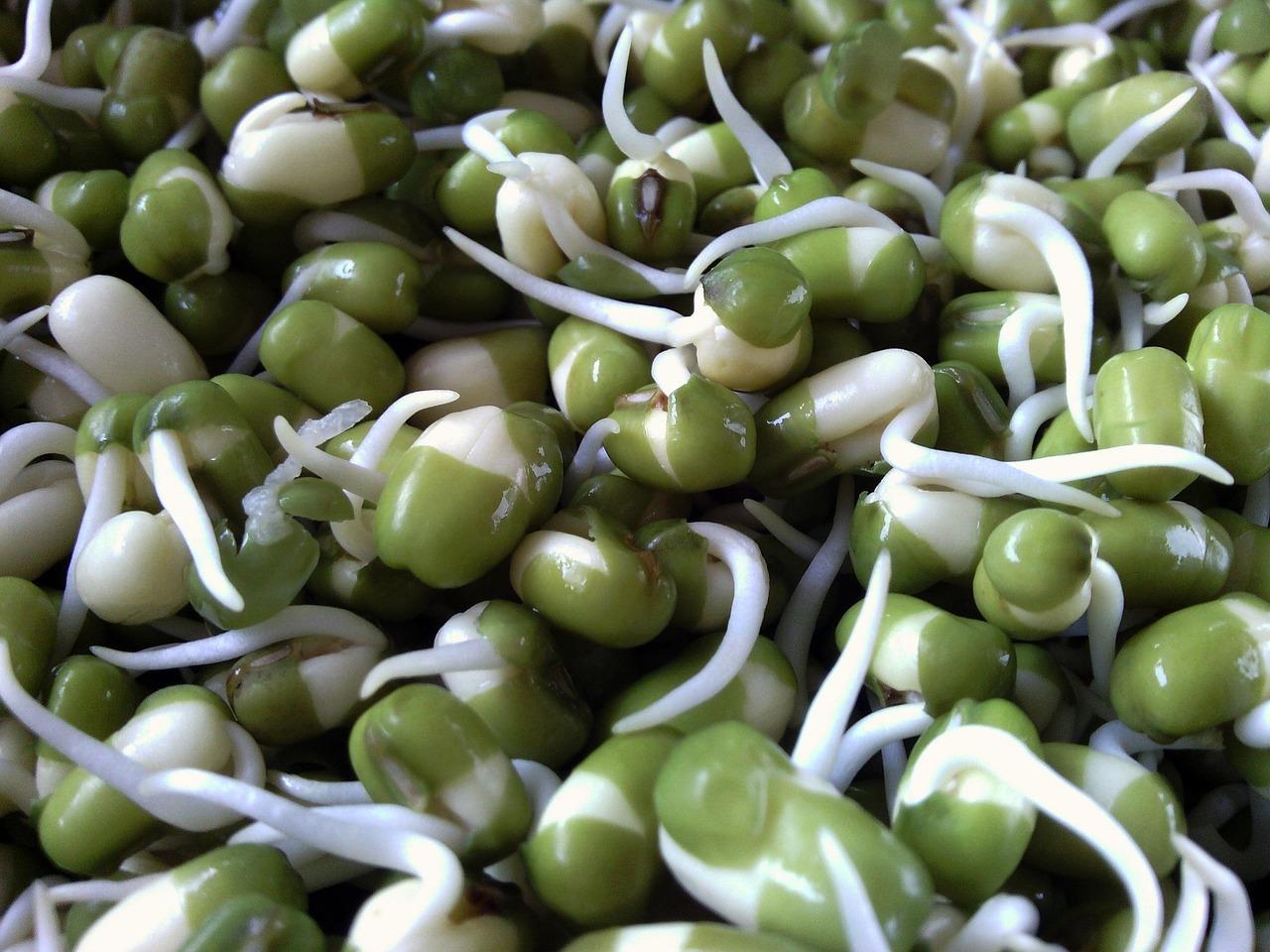
Bean sprouts
Sprouting whole green grams makes them crunchier, quicker to cook and more nutritious. All you need is muslin, water and a warm spot, and they're ready in 3–4 days. Use them in salads, bhel, usal and stir-fries. Any other whole pulse sprouts the same way.