
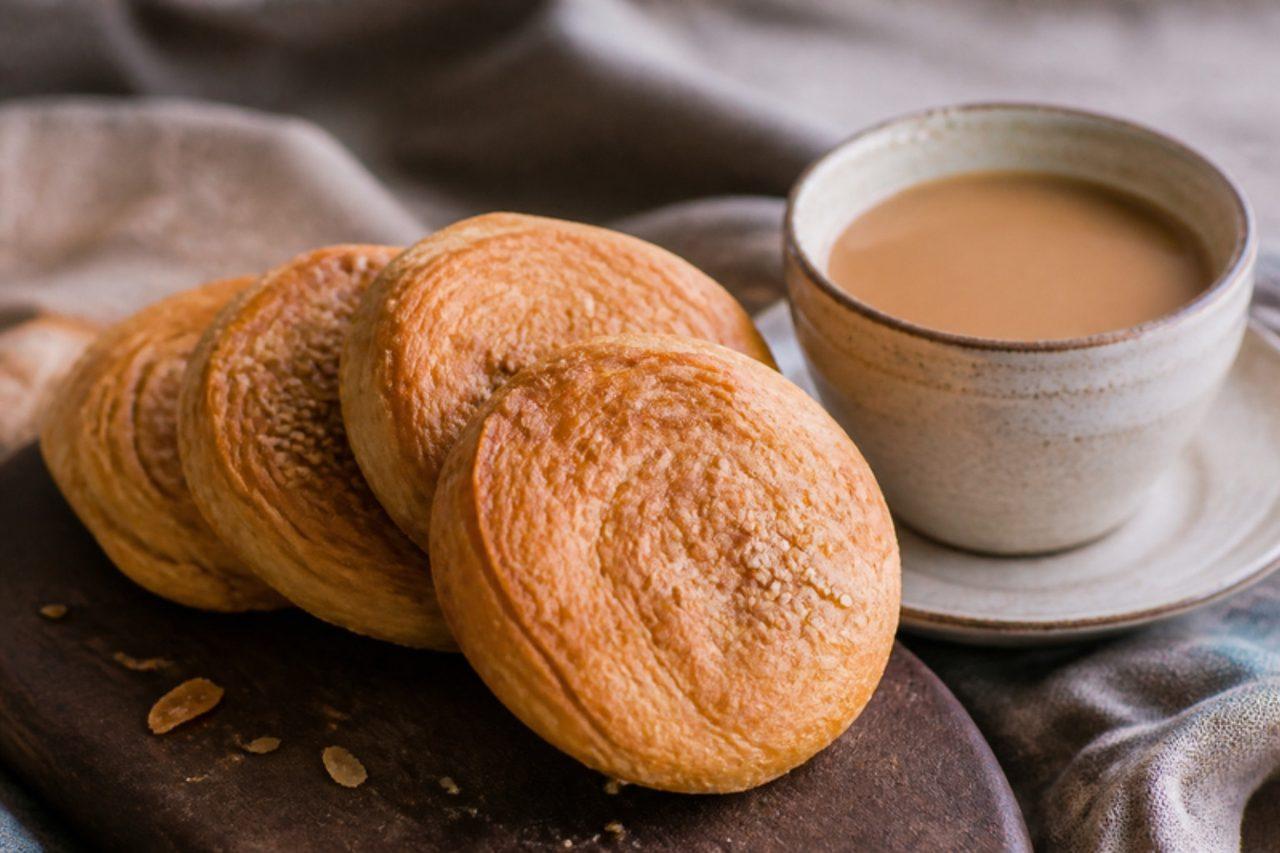
AI-generated image
Bakarkhani
Layered ghee bread
বাকরখানি (bakarkhani): Old Dhaka's crisp, many-layered ghee bread for dunking in tea

Before dawn in Lalbagh and Nazira Bazar, bakers slap rounds of dough onto the inside walls of clay tandoors, and by sunrise stacks of bakarkhani are wrapped in newspaper for the first cup of milky tea. The Old Dhaka kind is small, about the size of a palm, with dozens of paper-thin layers that shatter at the edges and stay a little tender in the middle; the faintly sweet, buttery taste is what makes it so good dipped in cha or crumbled over a bowl of firni. Local legend ties the name to a Mughal-era romance, but the technique is pure bakery craft: the dough is spread with a ghee paste, rolled up, coiled and rolled again. Most failed batches come from soft, warm ghee paste, which soaks into the dough instead of sitting between the layers. Chef's tip: chill the rolled coils for 15 minutes before the final rolling so the fat sets and the layers stay separate in the oven.
- Total time
- 105 min
- Difficulty
- hard
- Serves
- 6
Ingredients
For the dough
- 10 ½ oz plain flourplus extra for dusting
- 1 tsp salt
- 2 tsp sugar
- 1 ⅜ oz gheemelted
- ¼ cup whole milkwarm
- ¼ cup waterwarm, roughly
For the layering paste
- 1 ¾ oz gheesoft but not melted
- 1 tbsp plain flour
To finish
- 2 tbsp whole milk
- 1 tsp white sesame seeds (optional)
Shop this recipe on Amazon
Spices & pantry
Fresh ingredients (1)
Links open Amazon in a new tab. As an Amazon Associate, WhatToEat.Today earns from qualifying purchases.
Method
0/10 doneStep 1: Mix 10 ½ oz plain flour, 1 tsp salt and 2 tsp sugar in a bowl, rub in 1 ⅜ oz ghee with your fingertips until it feels like damp sand, then add ¼ cup whole milk and enough ¼ cup water to make a firm dough.
3 minStep 2: Knead on the worktop for 8 minutes until smooth and stiffer than chapati dough, then cover and rest for 30 minutes.
8 minStep 3: Beat 1 ¾ oz ghee with 1 tbsp plain flour to a smooth, spreadable paste and keep it somewhere cool.
2 minStep 4: Roll the dough into a thin rectangle about 40 × 30 cm, spread the paste evenly over it and roll it up tightly from a long side into a rope.
4 minStep 5: Cut the rope into 12 pieces, stand each on its end, press it flat into a coil and chill on a tray for 15 minutes.
3 minStep 6: Heat the oven to 450°F (fan 400°F) with a baking stone or heavy upturned tray inside for at least 20 minutes.
5 minStep 7: Roll each coil out to a 10 cm round about 4 mm thick, then make three shallow parallel slashes across the top with a knife.
5 minStep 8: Brush the rounds with 2 tbsp whole milk and scatter with 1 tsp white sesame seeds if using.
Step 9: Slide the rounds onto the hot stone in batches and bake for 12–14 minutes until the bottoms are golden and the tops are blistered and pale gold.
14 minStep 10: Cool on a rack; they crisp as they cool and keep for a week in an airtight tin.
30 min
Nutrition per serving
- Calories
- 340 kcal
- Protein
- 5 g
- Carbs
- 38 g
- Fat
- 18 g
- Fibre
- 2 g
Nutrition values are estimates.
KrazyBadal
Good to know
- How long does bakarkhani take?
- About 105 minutes in total: 75 minutes to prepare and 30 minutes to cook.
- How many people does it serve?
- 6 as written. Change the servings above the ingredients and every amount scales to match.
- Is it vegetarian?
- Yes. It has no meat or fish.
- Can I make it ahead?
- Yes. It keeps well, so you can cook it earlier in the day or the day before and reheat it.
- What can I use instead of plain flour?
- Self-raising flour, same amount (then leave out the baking powder).
- What can I use instead of sugar?
- Caster sugar, same amount.
Reviews
No reviews yet. Be the first to cook it.
Rate this recipe
Sign in to rate and review this recipe.
You might also like
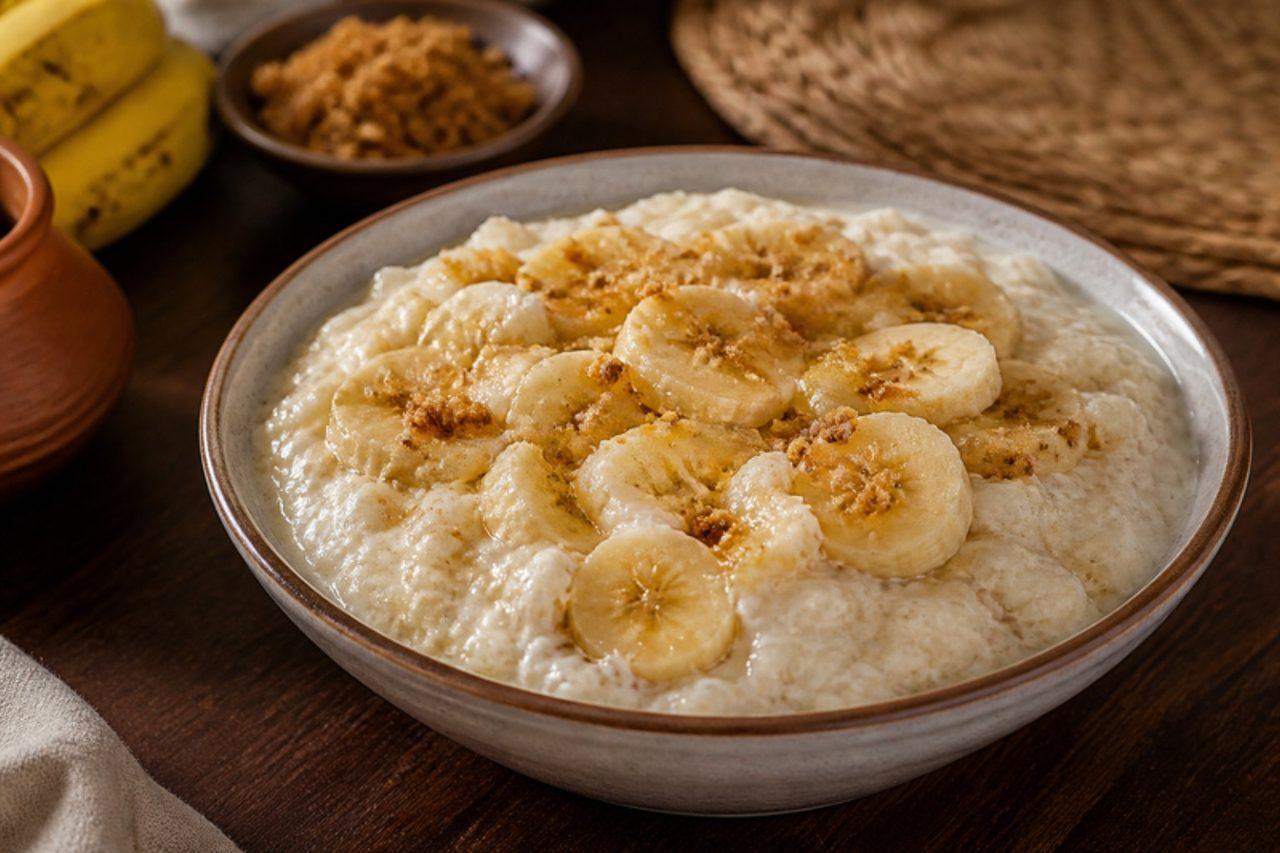
Doi chiraFlattened rice with curd
Nothing is cooked for doi chira, which is why it has been the breakfast of farmers and fishermen in Barisal for generations: flattened rice is rinsed, softened in thick, slightly sour curd and sweetened with jaggery or sugar, then mashed together with a ripe banana. The texture is soft and creamy with a little chew from the rice flakes, and the taste is cool, sweet and tangy. It is eaten on hot summer mornings, at village fairs and as part of the Pohela Boishakh spread, and it is a favourite of children and of anyone fasting who wants something gentle. The usual misstep is soaking the chira for too long, which turns it to paste; a quick rinse is all it needs before the curd does the rest. Chef's tip: use thick-cut chira, not the thin kind for frying, so the flakes hold their shape.

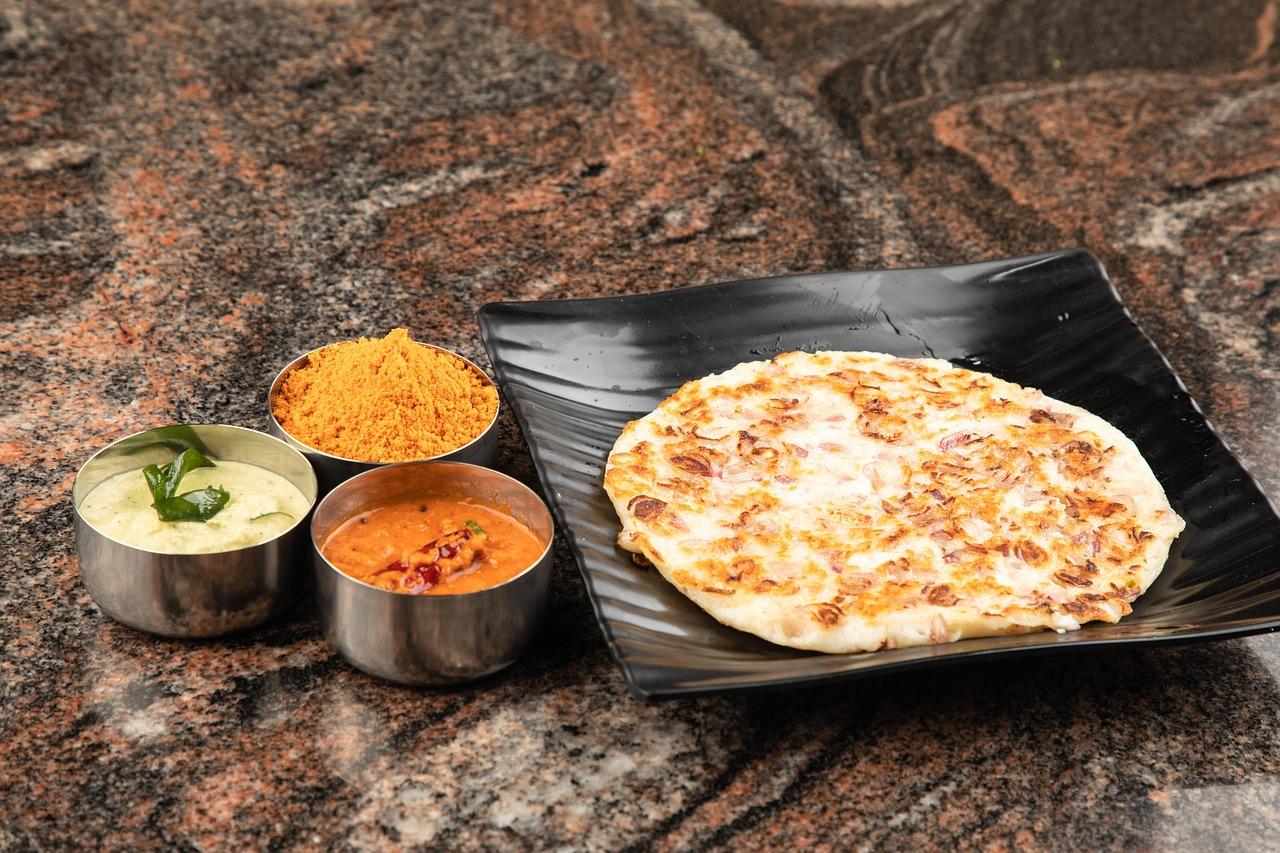
Farari uttapamSamo and water-chestnut pancakes
Soft, thick uttapam for fasting days, made from a yogurt batter of samo (moraiyo), singoda (water chestnut) flour and rajagra (amaranth) flour, tempered with cumin and curry leaves and studded with cucumber, tomato, coconut and green chilli. Cooked under a lid, they're crisp at the edges and fluffy in the middle. Serve with yogurt and green chutney. Makes 6.
 Indian
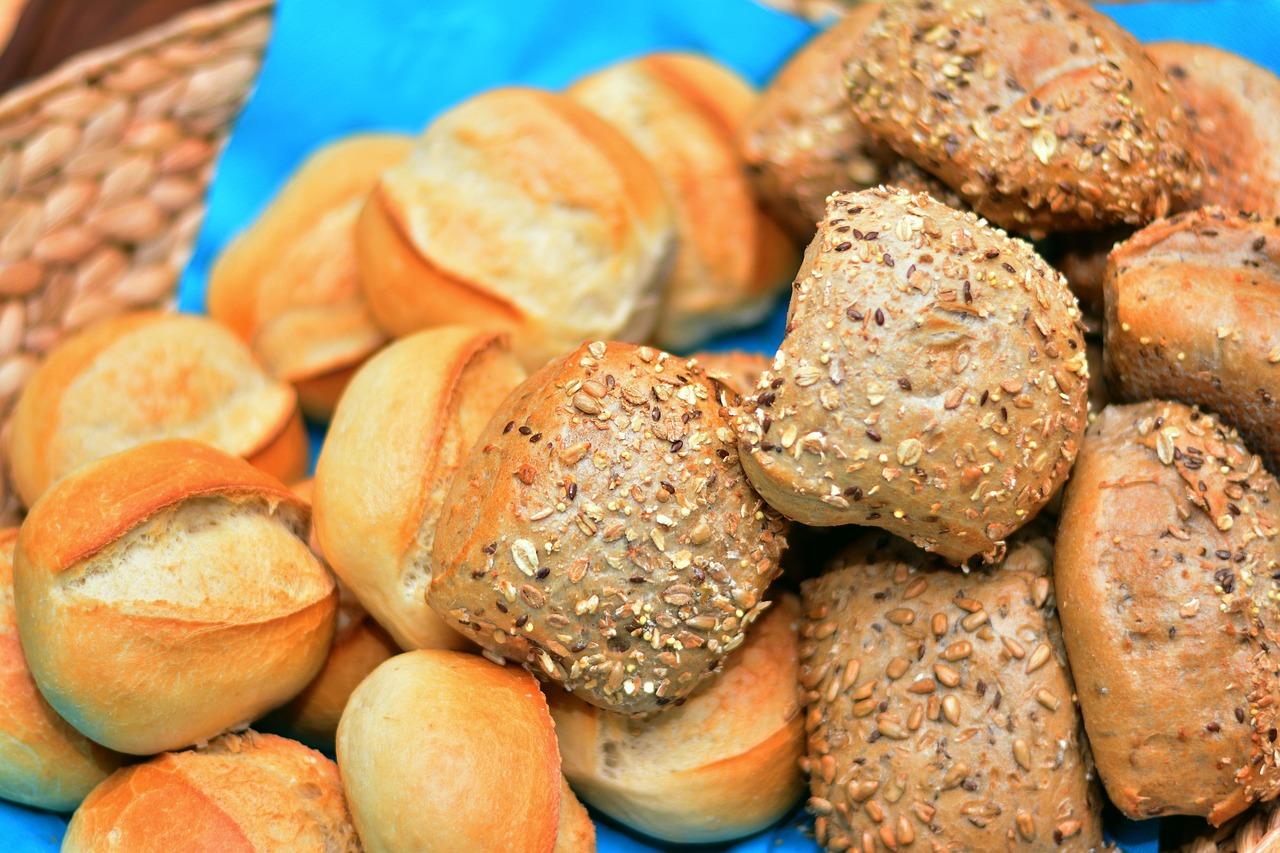
Brown soup rolls
Small, soft bread rolls made with half plain and half wholemeal flour, shaped long and baked until golden. They're best warm from the oven with a bowl of soup, and freeze well once cooled.