
Banh cuon
Steamed rice rolls
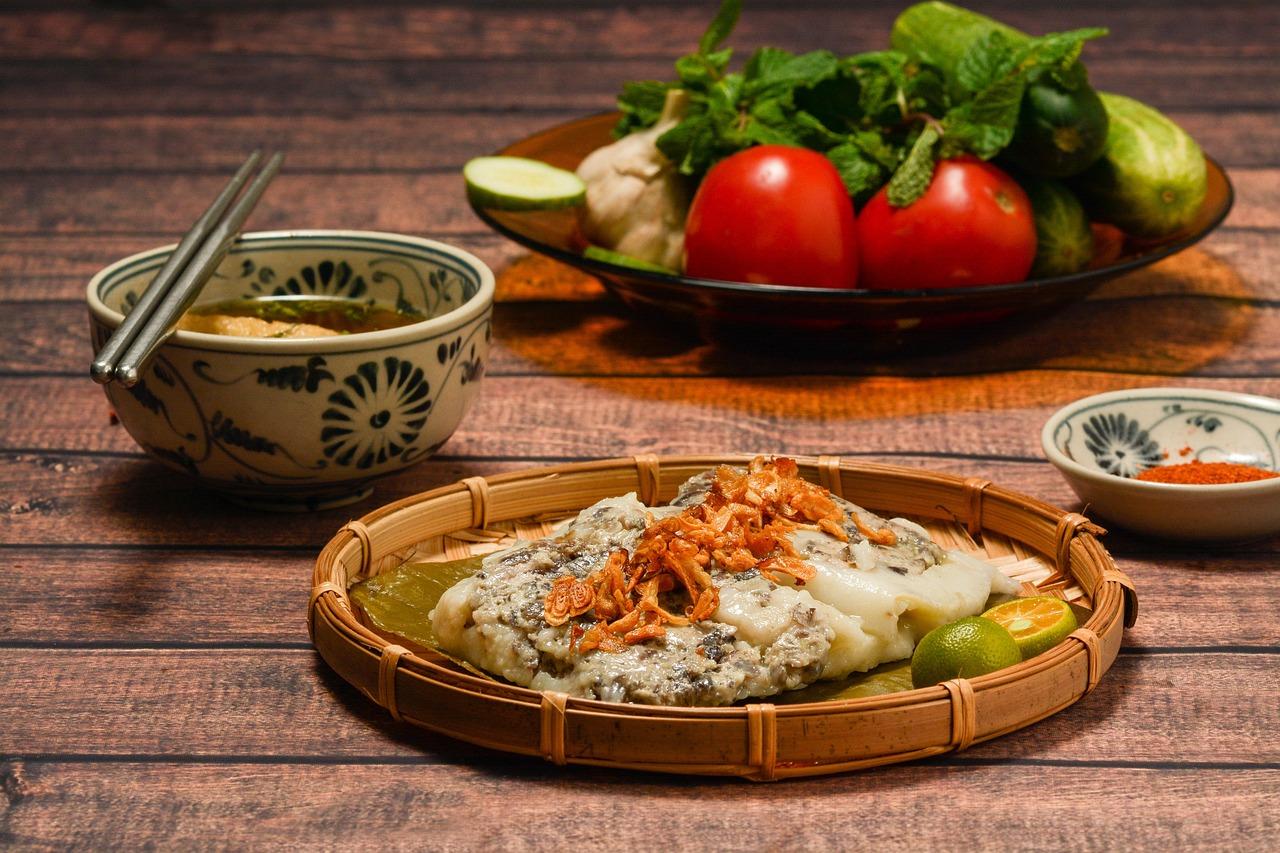
Bánh cuốn: Hanoi's silky steamed rice rolls with pork and wood-ear mushroom
 Vietnamese
In Hanoi, banh cuon shops open early, and the cook sits beside a pot of boiling water stretched over with cloth, spreading batter across it in one sweep and lifting off sheets thin enough to see through. Each sheet is rolled around a little minced pork and crunchy wood-ear mushroom, cut into pieces, showered with crispy shallots and dipped into warm fish sauce. Slices of Vietnamese pork roll and a sprig of herbs often come on the side. At home a lidded non-stick frying pan does the job of the cloth, and once you find the rhythm the sheets come quickly. Chef's tip: make a practice sheet first; the first one is almost always a little too thick, and it tells you how much batter to use.
- Total time
- 60 min
- Difficulty
- hard
- Serves
- 4
Ingredients
For the batter
- 7 oz rice flournot glutinous
- 1 oz tapioca starch
- ½ tsp salt
- 2 ½ cups water
- 2 tbsp vegetable oilplus extra for the pan and tray
For the filling
- 9 oz pork mince
- 1 shallotfinely chopped
- 1 tbsp fish sauce
- ½ tsp caster sugar
- ½ tsp black pepper
For the crispy shallots
- 4 shallotsthinly and evenly sliced
- ½ cup vegetable oil
For the dipping sauce
- ¾ cup warm water
- 4 tbsp fish sauce
- 3 tbsp caster sugar
- 2 tbsp lime juice
- 1 clove garlicfinely chopped
- 1 red chillisliced
To serve
- ⅔ oz mint and coriander
- ½ cucumbersliced
- 5 ½ oz Vietnamese pork roll (chả lụa) (optional)sliced
- 3 ½ oz bean sprouts, blanched (optional)
Shop this recipe on Amazon
What you'll need
Spices & pantry
Fresh ingredients (9)
Links open Amazon in a new tab. As an Amazon Associate, WhatToEat.Today earns from qualifying purchases.
Method
0/10 doneStep 1: Whisk the 7 oz rice flour, 1 oz tapioca starch, ½ tsp salt and 2 ½ cups water into a smooth, thin batter, about the consistency of single cream. Stir in 1 tbsp of the 1 tbsp vegetable oil and leave to rest for 20 minutes so the flour hydrates.
20 minStep 2: Meanwhile soak the ⅓ oz dried wood-ear mushrooms in hot water for 15 minutes until soft and doubled in size. Drain, trim off any hard knobs and chop finely.
15 minStep 3: Put the 4 shallots and ½ cup vegetable oil in a small pan over a medium heat. Fry, stirring often, until pale golden, then tip into a sieve set over a bowl; they keep crisping as they cool. Keep the shallot oil for brushing.
8 minStep 4: Heat 1 tbsp of the shallot oil in a frying pan over a medium-high heat and soften the 1 shallot for 1 minute. Add the 9 oz pork mince and break it up, then add the chopped wood ear, 1 tbsp fish sauce, ½ tsp caster sugar and ½ tsp black pepper. Cook, stirring, until the pork is no longer pink and reaches 160°F/160 °F, with no liquid left in the pan. Tip into a bowl.
6 minStep 5: For the dip, stir the 3 tbsp caster sugar into the ¾ cup warm water until dissolved, then add the 4 tbsp fish sauce, 2 tbsp lime juice, 1 clove garlic and 1 red chilli.
Step 6: Brush a large tray or chopping board with the remaining 1 tbsp vegetable oil. Heat a 24–26 cm non-stick frying pan with a lid over a medium heat and wipe it with a little shallot oil.
Step 7: Stir the batter well, because the flour sinks quickly. Pour in about 3 tbsp and swirl at once to coat the base in a very thin layer. Common mistake: too much batter. The rolls turn thick and gummy; a good sheet is so thin you can see the pan through it.
Step 8: Cover with the lid and cook for 30–45 seconds, until the sheet turns from white to translucent and the edges lift slightly. Don't let it brown.
1 minStep 9: Turn the pan upside down over the oiled tray so the sheet drops out; ease it with a silicone spatula if needed. Spoon a line of filling along one edge and roll it up loosely. Repeat with the rest of the batter, stirring each time, to make about 16 rolls.
20 minStep 10: Cut the rolls in half, arrange on plates and scatter over the crispy shallots with a drizzle of shallot oil. Serve warm with the dipping sauce, ⅔ oz mint and coriander, ½ cucumber, 5 ½ oz Vietnamese pork roll (chả lụa) and 3 ½ oz bean sprouts, blanched.
Nutrition per serving
- Calories
- 470 kcal
- Protein
- 18 g
- Carbs
- 62 g
- Fat
- 16 g
- Fibre
- 2 g
Nutrition values are estimates.
KrazyBadal
Good to know
- How long does banh cuon take?
- About 60 minutes in total: 25 minutes to prepare and 35 minutes to cook.
- How many people does it serve?
- 4 as written. Change the servings above the ingredients and every amount scales to match.
- What can I use instead of dried wood-ear mushrooms?
- Aubergine, diced, same weight.
- What can I use instead of shallot?
- Half an onion per 2 shallots.
Reviews
No reviews yet. Be the first to cook it.
Rate this recipe
Sign in to rate and review this recipe.
You might also like

Caramelised clay-pot tofu and mushroomsBraised tofu and mushrooms
Kho is the slow braise of the Mekong Delta: food simmered in a little clay pot (nồi đất) with dark caramel and seasoning until the sauce is sticky and the flavours go deep. This vegetarian cousin of cá kho tộ (braised fish) uses golden tofu and meaty mushrooms in place of fish, cooked in coconut water, as cooks do in the south, and finished with plenty of black pepper. Serve it bubbling in its pot with steamed rice and a sour soup or plain boiled vegetables. Chef's tip: take the caramel (nước màu) to a deep mahogany, darker than you think, just before it smokes; pale caramel only tastes sweet, while dark caramel gives the bittersweet, smoky flavour of a real kho.


Sabudana khichdiSago with peanuts and potato
Sabudana khichdi is the dish that sees Maharashtra through every vrat (fast), from Navratri to Ekadashi, but it's so good that people eat it any day of the week. Soaked sago pearls are tossed in a pan with crushed roasted peanuts, cubes of potato, cumin and green chilli until each pearl turns glassy and separate, then finished with lemon and coriander. It's soft, chewy, nutty and gently hot. Fasting rules vary from family to family, so check yours; this version uses rock salt and no asafoetida, onion or garlic. Traditionally it's cooked in ghee; use ghee instead of oil if you aren't keeping it vegan. Chef's tip: soak the sago in just enough water to cover by the height of the pearls themselves, no more; too much water is the reason khichdi turns into one sticky lump.
 Indian

Doi chiraFlattened rice with curd
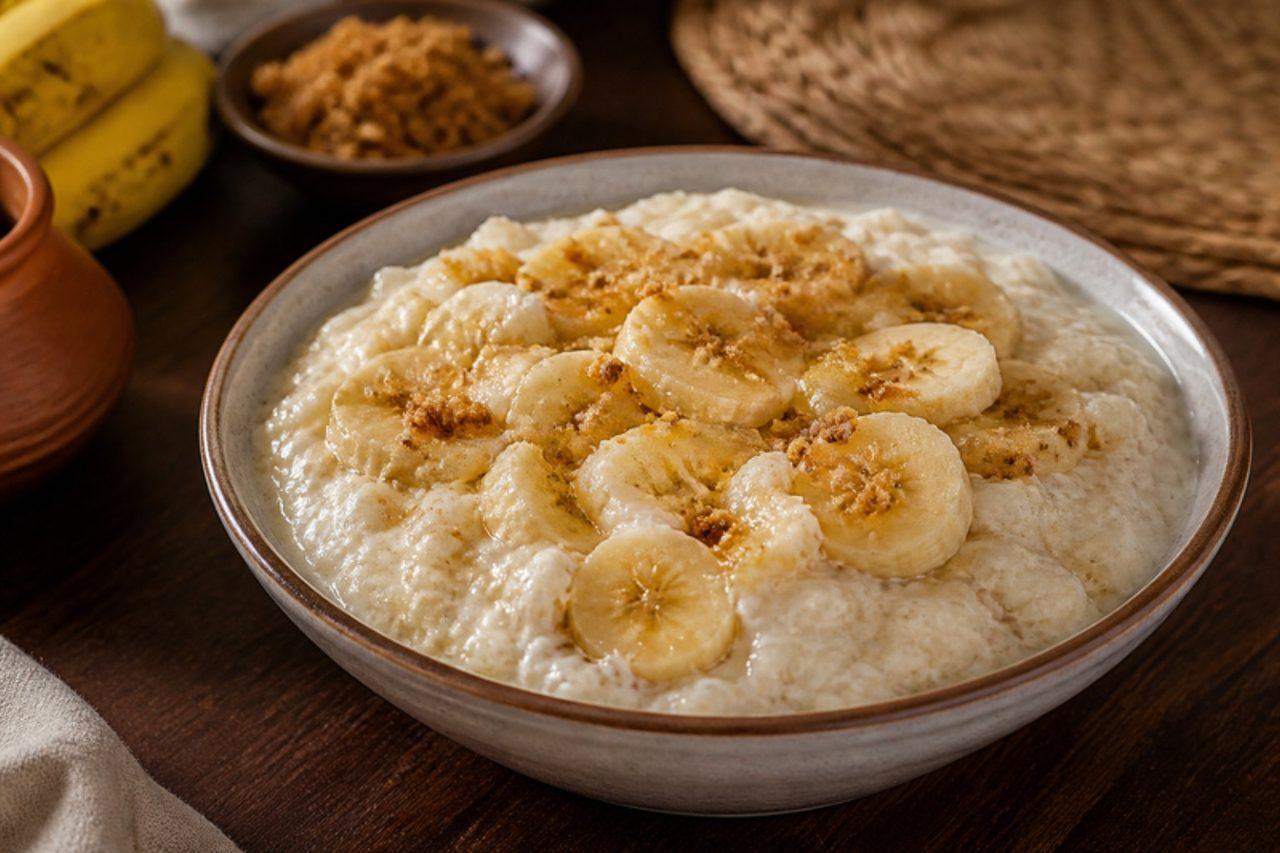
Nothing is cooked for doi chira, which is why it has been the breakfast of farmers and fishermen in Barisal for generations: flattened rice is rinsed, softened in thick, slightly sour curd and sweetened with jaggery or sugar, then mashed together with a ripe banana. The texture is soft and creamy with a little chew from the rice flakes, and the taste is cool, sweet and tangy. It is eaten on hot summer mornings, at village fairs and as part of the Pohela Boishakh spread, and it is a favourite of children and of anyone fasting who wants something gentle. The usual misstep is soaking the chira for too long, which turns it to paste; a quick rinse is all it needs before the curd does the rest. Chef's tip: use thick-cut chira, not the thin kind for frying, so the flakes hold their shape.
 Bangladeshi