
AI-generated image
Binatog
Boiled hominy with coconut
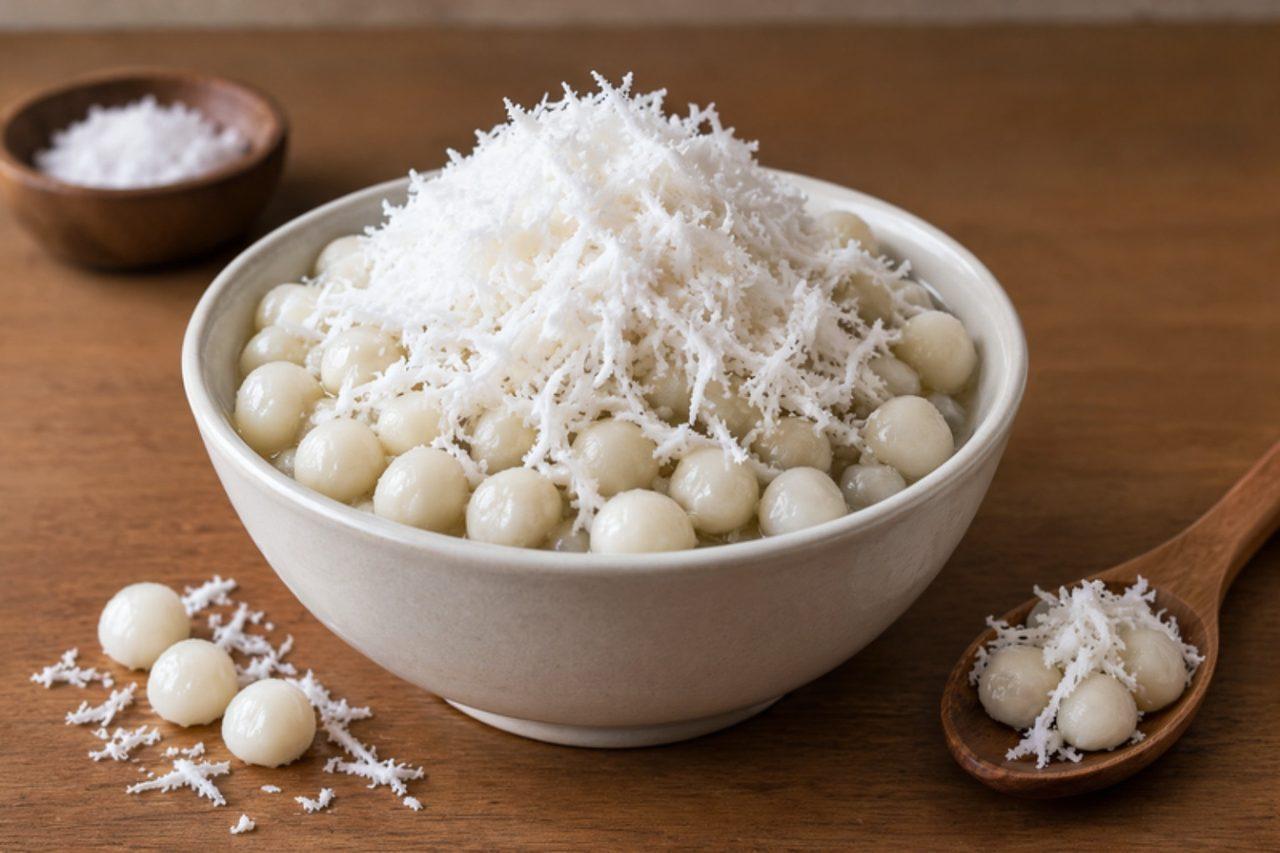
Binatog: chewy boiled white hominy with freshly grated coconut and a pinch of salt or sugar



Binatog is an afternoon snack sold from bicycle carts that ring their way through the side streets of Manila, especially around Tondo and Sampaloc, the vendor scooping steaming white corn from a big tin can into small cups. The kernels are plump, chewy and nutty, piled with snowy grated coconut and finished with salt or sugar to taste, so everyone gets it the way they like. It is simple, filling and naturally vegan. Dried white hominy (pozole corn) has already been treated with lime, which gives the chewy, popped kernels; if you can only find canned hominy, rinse it and warm it for 10 minutes instead. Chef's tip: keep the kernels at a gentle simmer; a hard boil splits them before they become tender.
- Total time
- 120 min
- Difficulty
- medium
- Serves
- 4
Ingredients
- 9 oz dried white hominy (pozole corn)soaked overnight in cold water
- 2.5 litres water
- 5 ½ oz freshly grated coconutor frozen grated coconut, thawed
- ½ tsp salt
- 2 tbsp white sugar (optional)for those who like it sweet
Shop this recipe on Amazon
Spices & pantry
Links open Amazon in a new tab. As an Amazon Associate, WhatToEat.Today earns from qualifying purchases.
Method
0/4 doneStep 1: Drain the soaked 9 oz dried white hominy (pozole corn), rinse it and put it in a large pan with 2.5 litres water.
5 minStep 2: Bring to the boil, then lower the heat and simmer, partly covered, for 1½–2 hours, topping up with hot water so the kernels stay covered. Common mistake: draining too early; the kernels should be fully tender and many will have burst open like flowers.
110 minStep 3: Drain the hominy and toss it while hot with half of ½ tsp salt.
2 minStep 4: Spoon into cups, top with 5 ½ oz freshly grated coconut and sprinkle with the rest of the salt, or with 2 tbsp white sugar for a sweet version. Eat warm.
Nutrition per serving
- Calories
- 310 kcal
- Protein
- 6 g
- Carbs
- 46 g
- Fat
- 12 g
- Fibre
- 9 g
Nutrition values are estimates.
KrazyBadal
Good to know
- How long does binatog take?
- About 120 minutes in total: 10 minutes to prepare and 110 minutes to cook.
- How many people does it serve?
- 4 as written. Change the servings above the ingredients and every amount scales to match.
- Is it vegan?
- Yes. It has no meat, fish, dairy or eggs.
- Is it gluten free?
- Yes, as written. Check the labels on stock, sauces and spice mixes, which sometimes contain gluten.
Reviews
No reviews yet. Be the first to cook it.
Rate this recipe
Sign in to rate and review this recipe.
You might also like

Tiyula itumBlack beef soup
Tiyula itum, 'black soup', is the pride of the Tausug people of Sulu in the far south of the Philippines, cooked for weddings, Eid celebrations and when guests come home. Beef (it is a halal, pork-free dish) is simmered with ginger, lemongrass and turmeric, then darkened with pamapa itum, a paste of grated coconut toasted until almost black and pounded with spices. The broth looks dramatic but tastes smoky, earthy and gently peppery, with heat from chillies. Serve it with plain rice. Chef's tip: toast the coconut slowly, stirring all the time, until it is very dark brown but not ashy; burnt-to-ash coconut tastes bitter and ruins the soup.


Masala khakhraCrisp roasted wheat crackers
Khakhra are thin chapaties roasted slowly on a griddle until they turn crisp, like a cracker. This masala version adds gram flour, fresh fenugreek, turmeric and chilli to the wheat dough. They are a light Gujarati breakfast or tea-time snack, and lovely with pickle, chutney or a smear of butter. You can also make them in a roti maker.
 Indian

Lumpiang sariwaFresh vegetable spring rolls
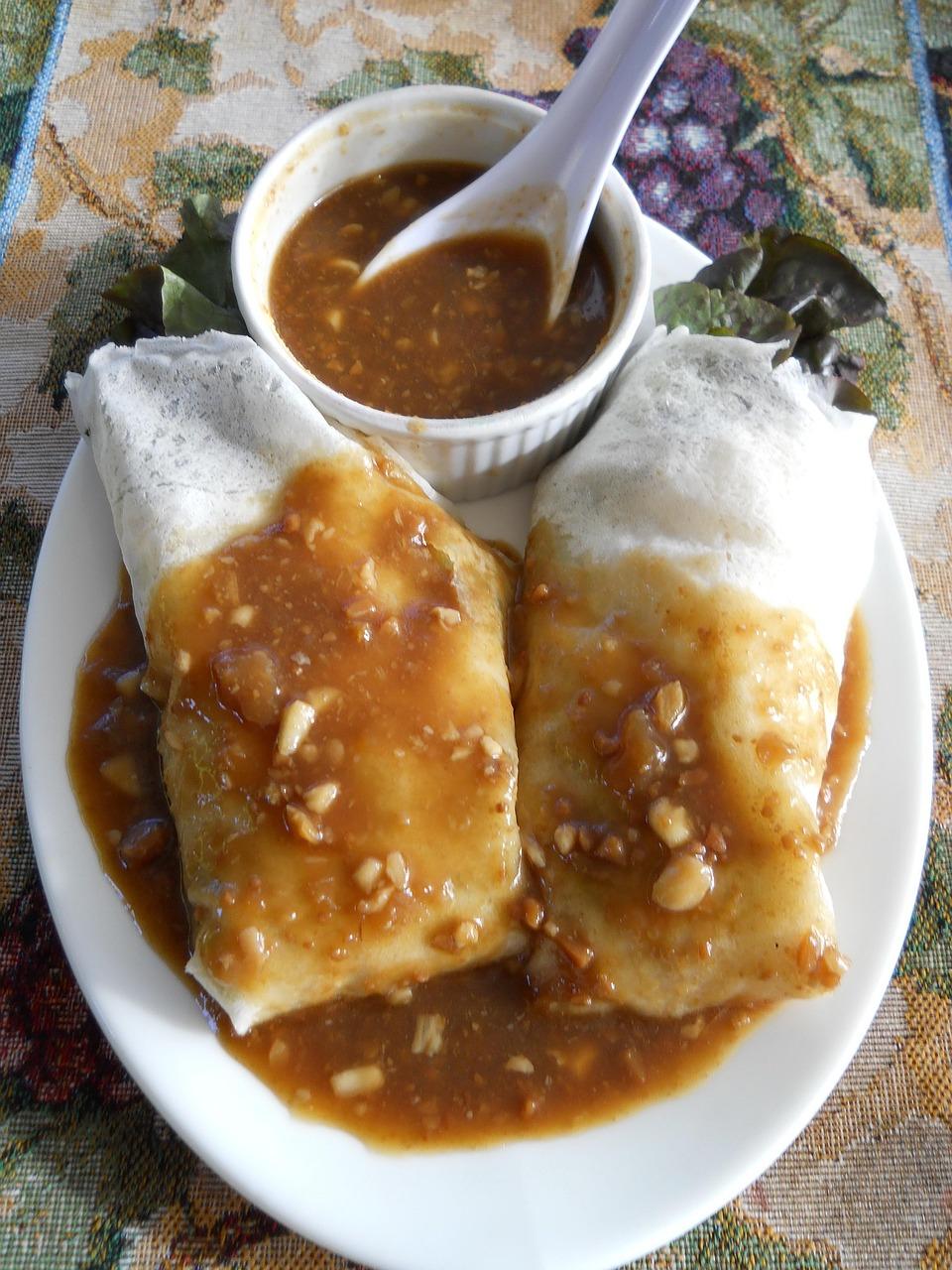
Lumpiang sariwa ('fresh lumpia') is the unfried cousin of the crisp Filipino spring roll, served at fiestas, family gatherings and as a substantial afternoon merienda around Manila and the Tagalog provinces. A thin, soft egg crepe is wrapped around a lettuce leaf and a warm sauté of sweet potato, jicama, carrot, green beans, cabbage and tofu, then covered in a glossy brown garlic sauce and a shower of crushed peanuts. In Negros the filling is heart of palm (ubod) instead. It is eaten with a knife and fork, or carefully by hand. Chef's tip: make the crepes thin enough that you can almost see light through them; thick ones turn rubbery and hide the filling.