
Bissara
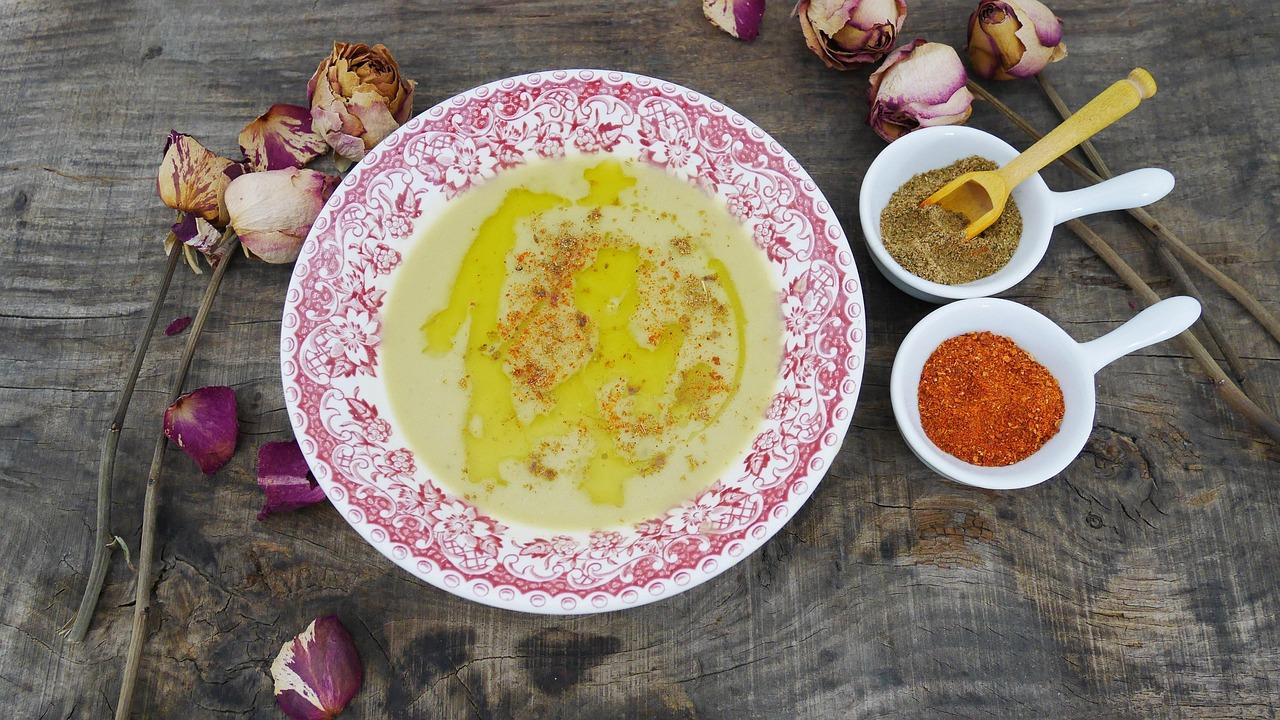
Creamy split fava bean soup with cumin, paprika and a ribbon of olive oil


Bissara is the cold-morning soup of northern Morocco: in Tangier, Tétouan and Chefchaouen you see it ladled out from big pots at street stalls before work, and it is a favourite to break the fast in winter Ramadans. Dried split broad beans are simmered with garlic until they fall apart and blended into a thick, pale purée, then finished at the table with olive oil, cumin and paprika. Eat it piping hot with crusty bread; leftover bissara thickens into a dip you can spread on toast. Chef's tip: be generous with the final olive oil, it is not a garnish but part of the dish.
- Total time
- 50 min
- Difficulty
- easy
- Serves
- 4
Ingredients
Method
0/5 doneStep 1: Put 10 ½ oz dried split fava (broad) beans, 4 garlic cloves and 1.5 litres water in a large pot. Bring to the boil over a high heat and skim off the grey foam that rises in the first 5 minutes.
8 minStep 2: Lower the heat, half-cover and simmer for 30–35 minutes, stirring now and then, until the beans have collapsed and a bean crushed against the side of the pot is completely soft. Add hot water if it gets very thick.
32 minStep 3: Add 1 ½ tsp salt and 1 teaspoon of 1 tsp ground cumin, then blend with a stick blender until smooth and creamy. A common mistake is to blend too thick; it should pour from a ladle like double cream, so loosen with hot water if needed.
Step 4: Stir in 1 tbsp lemon juice and taste for salt.
Step 5: Ladle into bowls. Swirl over ¼ cup extra virgin olive oil, then dust with 1 tsp sweet paprika, the rest of ½ tsp ground cumin and ½ tsp chilli flakes. Serve at once.
Nutrition per serving
- Calories
- 330 kcal
- Protein
- 16 g
- Carbs
- 34 g
- Fat
- 15 g
- Fibre
- 13 g
Nutrition values are estimates.
KrazyBadal
Good to know
- How long does bissara take?
- About 50 minutes in total: 10 minutes to prepare and 40 minutes to cook.
- How many people does it serve?
- 4 as written. Change the servings above the ingredients and every amount scales to match.
- Is it vegan?
- Yes. It has no meat, fish, dairy or eggs.
- Is it gluten free?
- Yes, as written. Check the labels on stock, sauces and spice mixes, which sometimes contain gluten.
- What can I use instead of garlic cloves?
- ½ tsp garlic paste or ⅛ tsp garlic powder per clove.
- What can I use instead of ground cumin?
- Cumin seeds, toasted and ground.
Reviews
No reviews yet. Be the first to cook it.
Rate this recipe
Sign in to rate and review this recipe.
You might also like

Soto Banjar
Along the rivers of Banjarmasin in South Kalimantan, breakfast often means soto Banjar eaten at a wooden riverside warung, sometimes after a dawn trip to the floating market. Unlike the turmeric sotos of Java, this broth is pale and clear, perfumed with the sweet spices that traders brought up the river centuries ago: cinnamon, cloves, star anise, cardamom and nutmeg. Shredded chicken, glass noodles, carrot and a boiled egg go into the bowl with rice cakes, and lime and a little chilli sharpen it at the table. Chef's tip: toast the whole spices in the pan for a minute before the paste goes in; it brings out their sweetness without the dusty edge of ground spice.


Miso soup
Miso soup (味噌汁) is drunk every day in homes all over Japan, at breakfast as well as dinner, beside a bowl of rice. The base is dashi; this vegan version uses kombu and dried shiitake instead of bonito, which gives it a deep, rounded flavour. Silken tofu and wakame seaweed are the classic fillings. It takes ten minutes; just remember not to boil the miso. Chef's tip: add the miso at the very end and never let it boil. Boiling kills the miso's fresh, fermented aroma; Japanese cooks say the soup should only 'smile', with the surface barely trembling.

Carrot & coriander soup
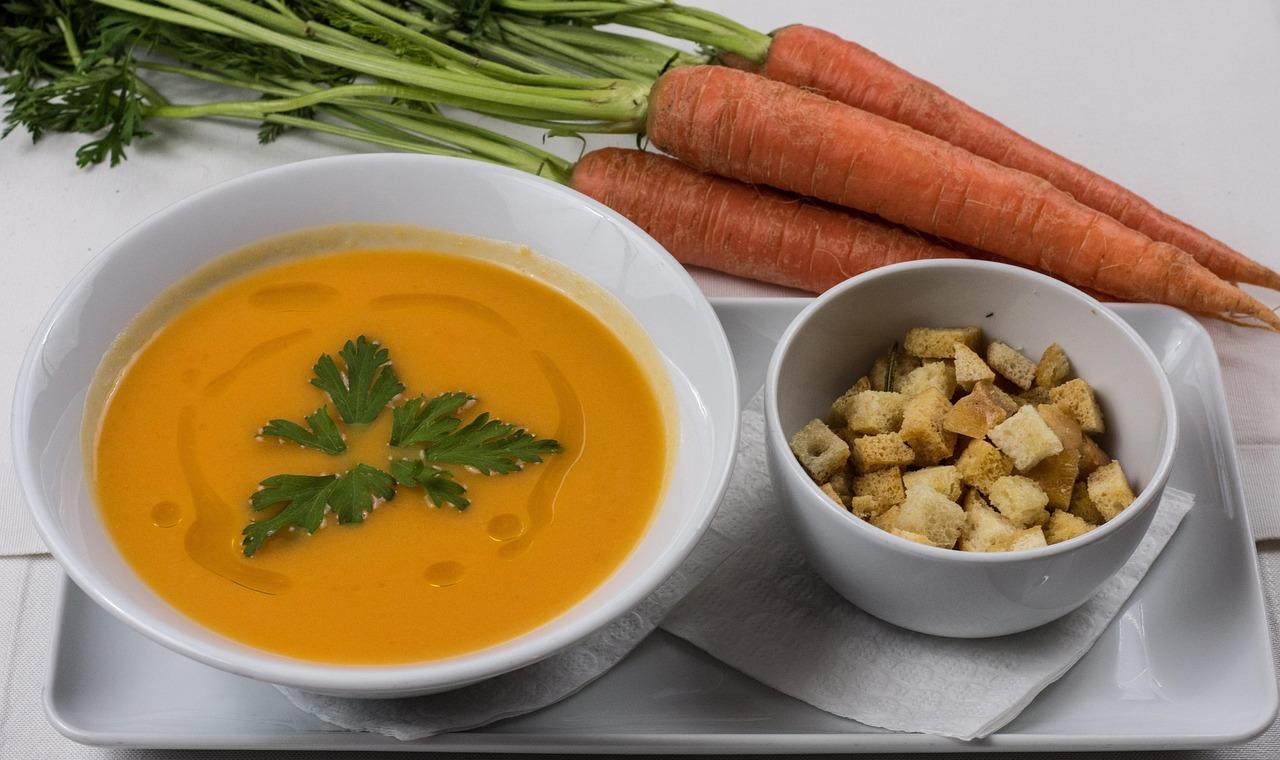
A smooth, velvety carrot soup blended with potato for body and finished with butter-fried coriander and a splash of milk. It's mild and warming, so it suits the whole family. Serve it with crusty bread or croutons.