
Kvass
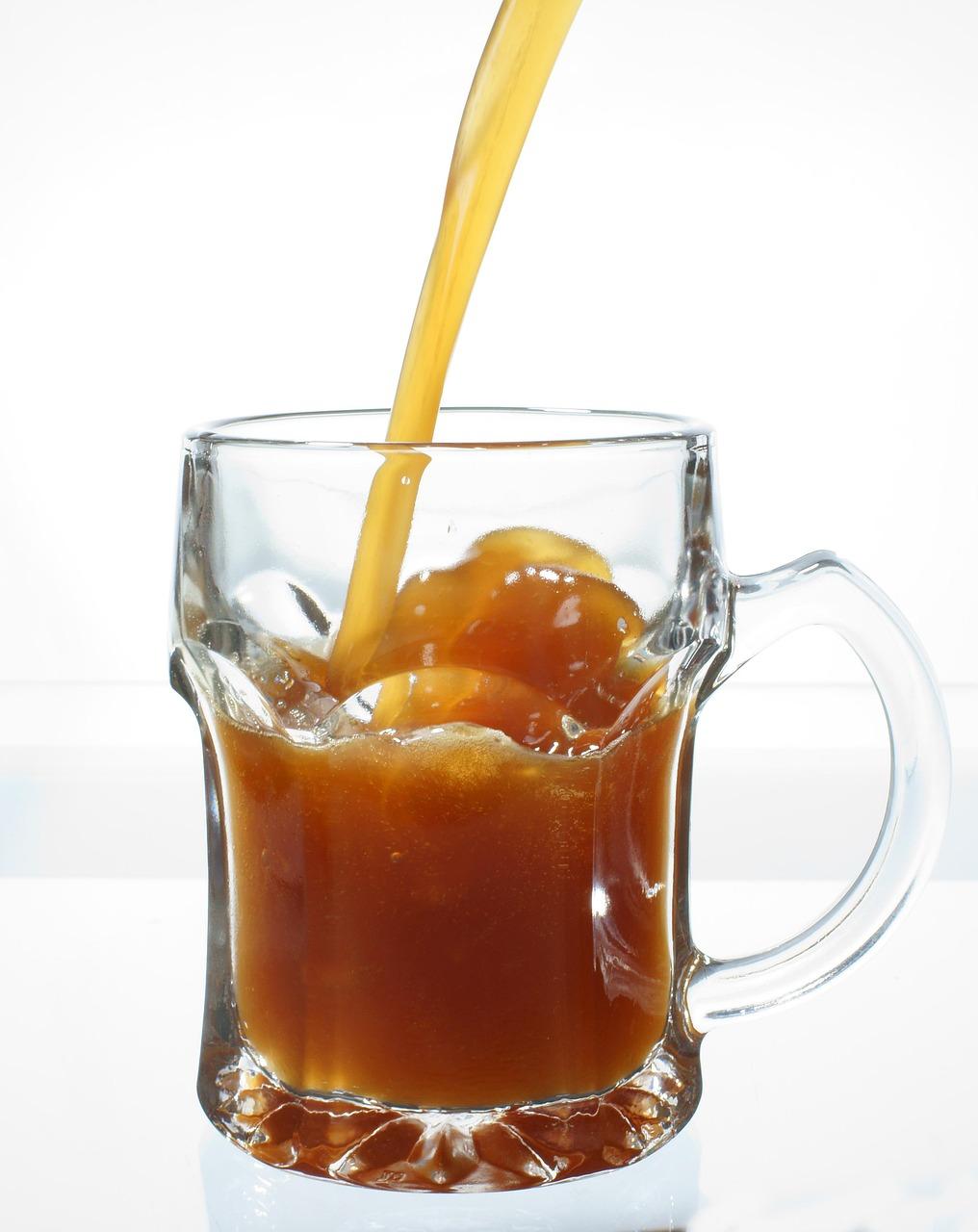
Homemade Russian bread kvass, lightly fizzy and fermented from dark rye toast

Before the cola era, kvass was Russia's everyday thirst-quencher, sold every summer from yellow barrel trailers on Moscow street corners and poured into glass mugs. At home it is brewed from dried rye bread, sugar and a pinch of yeast, fermented for a day or two until it tastes malty, a little sour and gently fizzy, and only about 1% alcohol. It is drunk ice cold and is also the broth for okroshka. Chef's tip: toast the bread until really dark, almost burnt at the edges; that is where kvass gets its deep colour and its toasted, malty taste.
- Total time
- 50 min
- Difficulty
- medium
- Serves
- 10
Ingredients
Method
0/6 doneStep 1: Heat the oven to 350°F (325°F fan). Cut 1 ⅛ lb dark rye bread into cubes and bake for 25–30 minutes until very dark brown and crunchy right through.
30 minStep 2: Put the toasted bread in a large pot or jar, pour over 12 ½ cups water, add 2 mint sprigs, cover and leave for 4 hours until lukewarm and the liquid is the colour of strong tea.
240 minStep 3: Strain through a sieve lined with muslin, pressing gently on the bread. Don't squeeze hard or the kvass turns cloudy and pasty.
Step 4: Stir 5 ½ oz sugar into the liquid until dissolved, then sprinkle in ½ tsp fast-action dried yeast. Cover with a cloth and leave at warm room temperature for 12–16 hours, until foam forms on top and it smells pleasantly sour and bready.
840 minStep 5: Strain again into clean plastic bottles, leaving 5 cm headspace, and drop 3–4 ⅔ oz raisins into each. Close tightly and leave at room temperature 4–6 hours until the bottles feel firm when squeezed.
300 minStep 6: Chill in the fridge (this stops fermentation) and open carefully over the sink. Drink within 4 days.
Nutrition per serving
- Calories
- 80 kcal
- Protein
- 1 g
- Carbs
- 19 g
- Fat
- 0 g
- Fibre
- 1 g
Nutrition values are estimates.
KrazyBadal
Good to know
- How long does kvass take?
- About 50 minutes in total: 20 minutes to prepare and 30 minutes to cook.
- How many people does it serve?
- 10 as written. Change the servings above the ingredients and every amount scales to match.
- Is it vegan?
- Yes. It has no meat, fish, dairy or eggs.
- Can I make it ahead?
- Yes. It keeps well, so you can cook it earlier in the day or the day before and reheat it.
- What can I use instead of sugar?
- Caster sugar, same amount.
- What can I use instead of fast-action dried yeast?
- Fresh yeast, three times the weight.
Reviews
No reviews yet. Be the first to cook it.
Rate this recipe
Sign in to rate and review this recipe.
You might also like
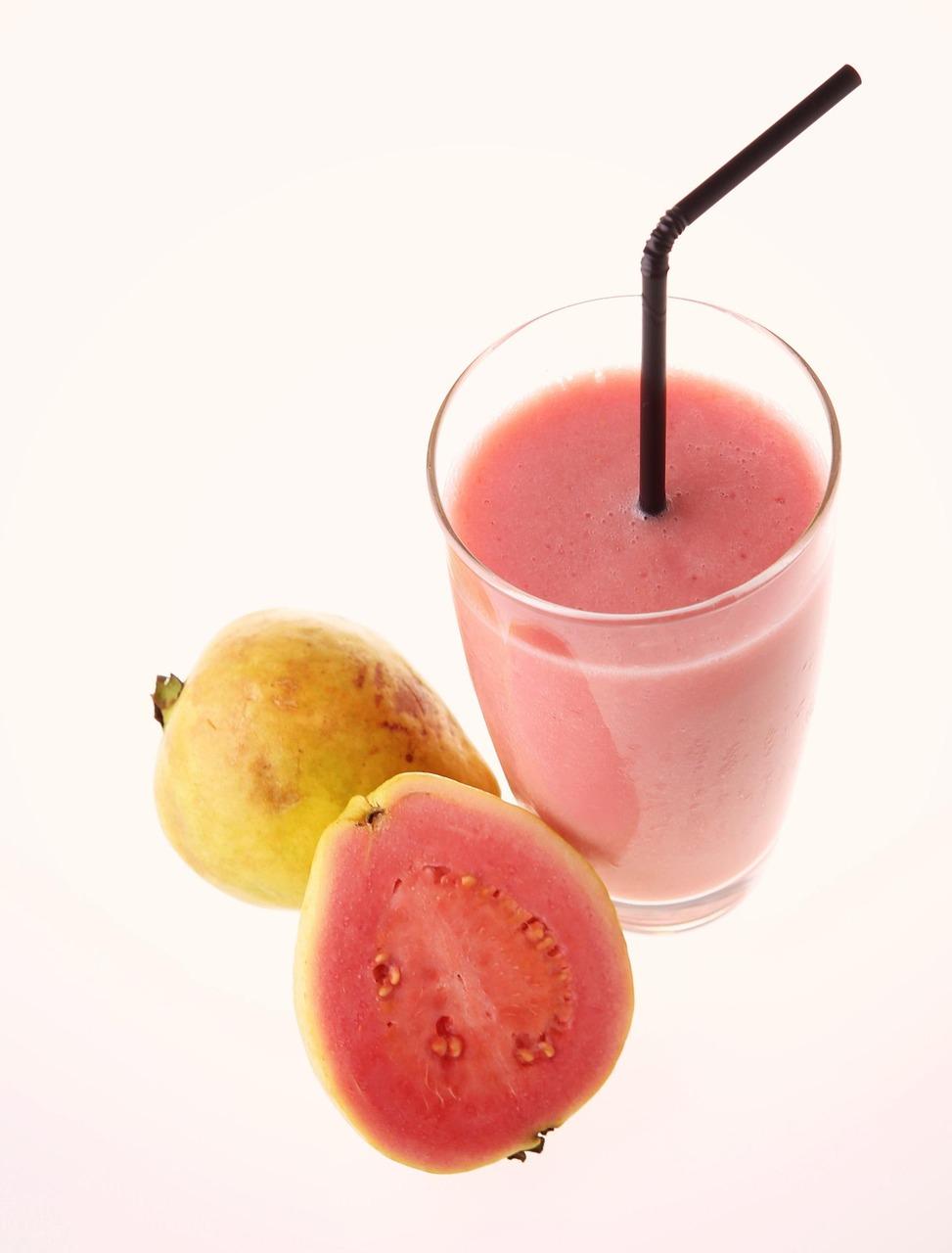
Guava delight
A thick, fragrant blend of ripe guava, mango and banana, boosted with a spoonful of guava powder from the health shop. The book calls it a modern-day vitality drink, drawing on guava's long use in traditional Indian medicine. Serve it well chilled; sieve it if you don't like the little guava seeds.


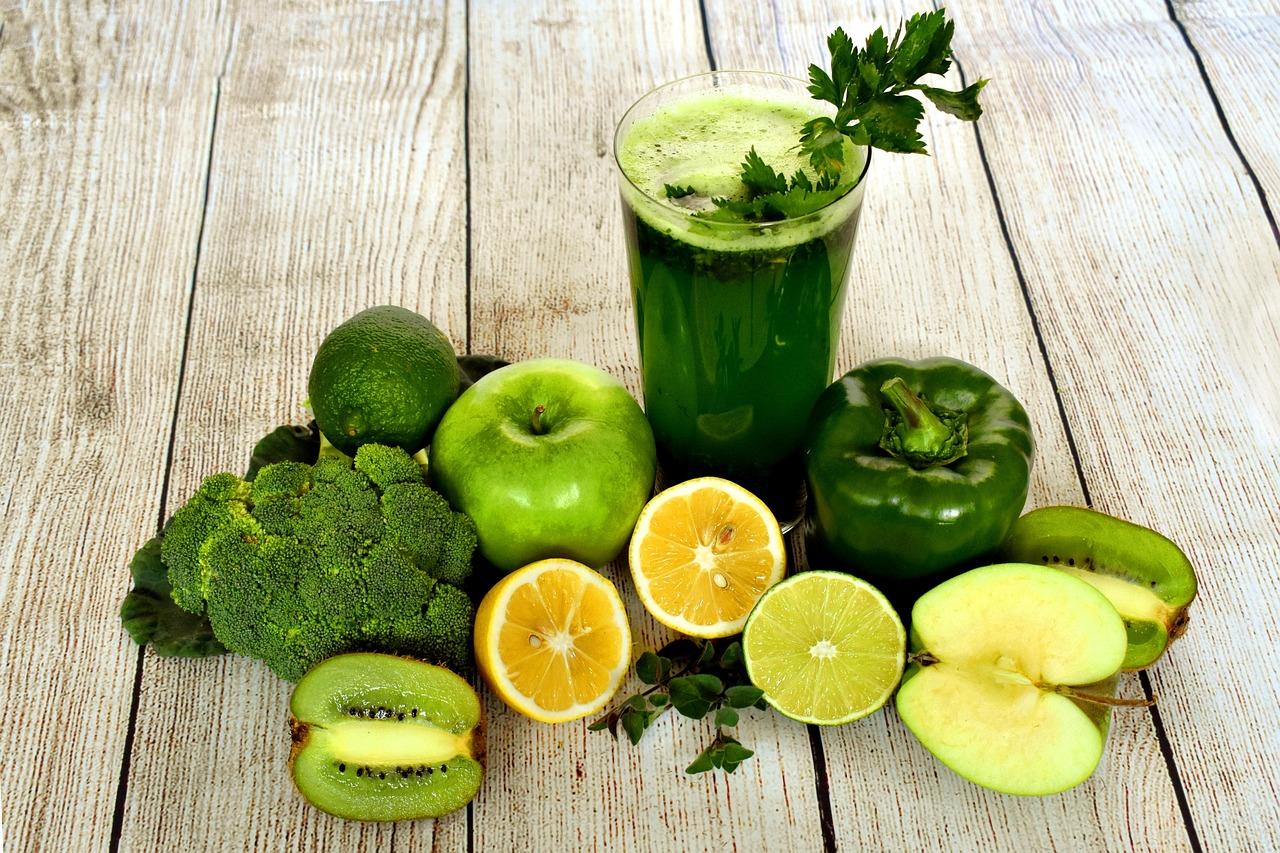
Power pack
A sweet, energising juice of apples, pears and kiwi fruit with a stick of celery, all used unpeeled for extra goodness. It's naturally sweet, so it needs no sugar. Serve well chilled.
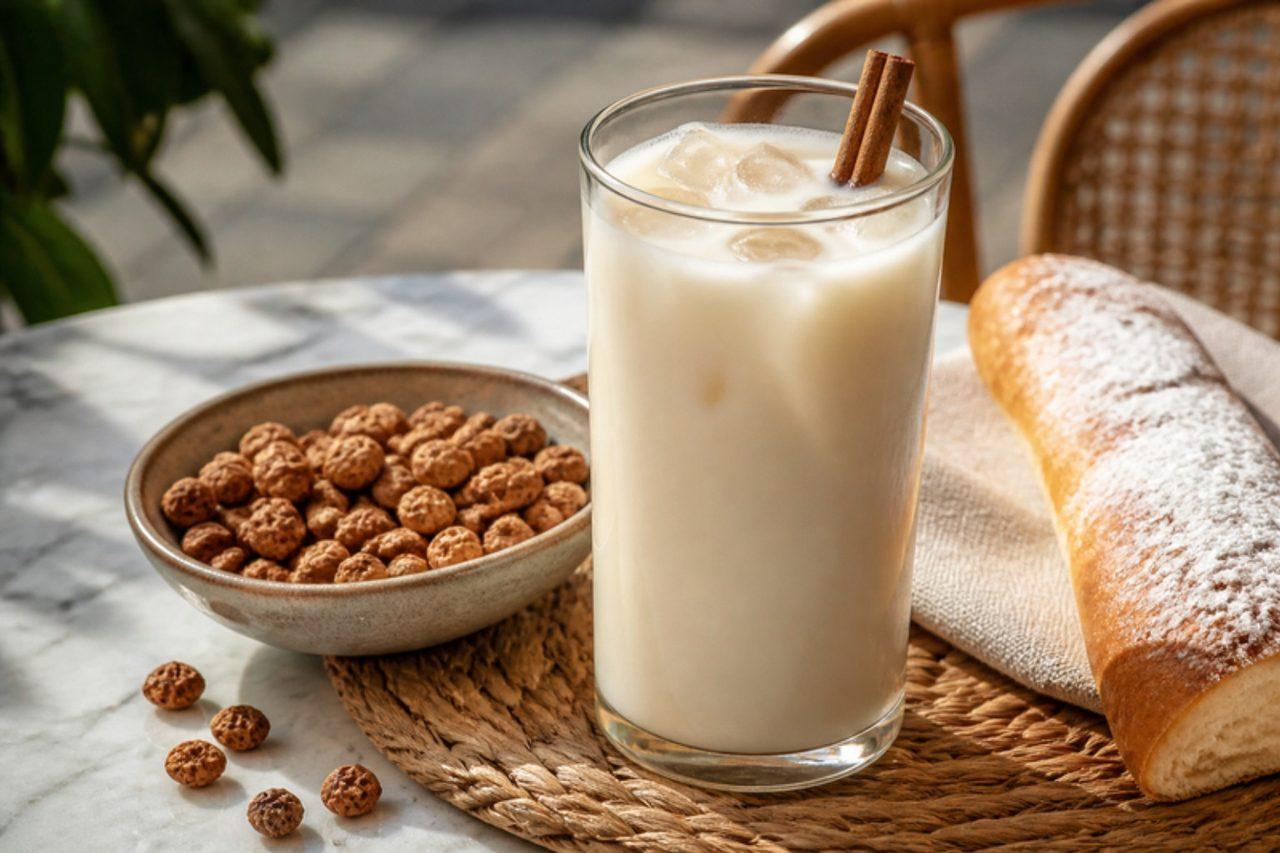
Horchata de chufa
Horchata de chufa is the drink of Valencia's summer, sold ice-cold in the city's horchaterías with long, soft fartons pastries for dipping. It is made from chufas, or tiger nuts: small wrinkled tubers grown around the village of Alboraya just north of Valencia, which have their own protected designation of origin. Soaked, ground with water, strained and sweetened, they give a creamy, nutty, naturally dairy-free milk with a hint of cinnamon. Valencians drink it very cold, or half-frozen as 'granizada'. Chef's tip: soak the tiger nuts for a full 24 hours and change the water once; they must be plump and soft enough to blend into a fine pulp, or the horchata will be thin and taste of raw starch.