
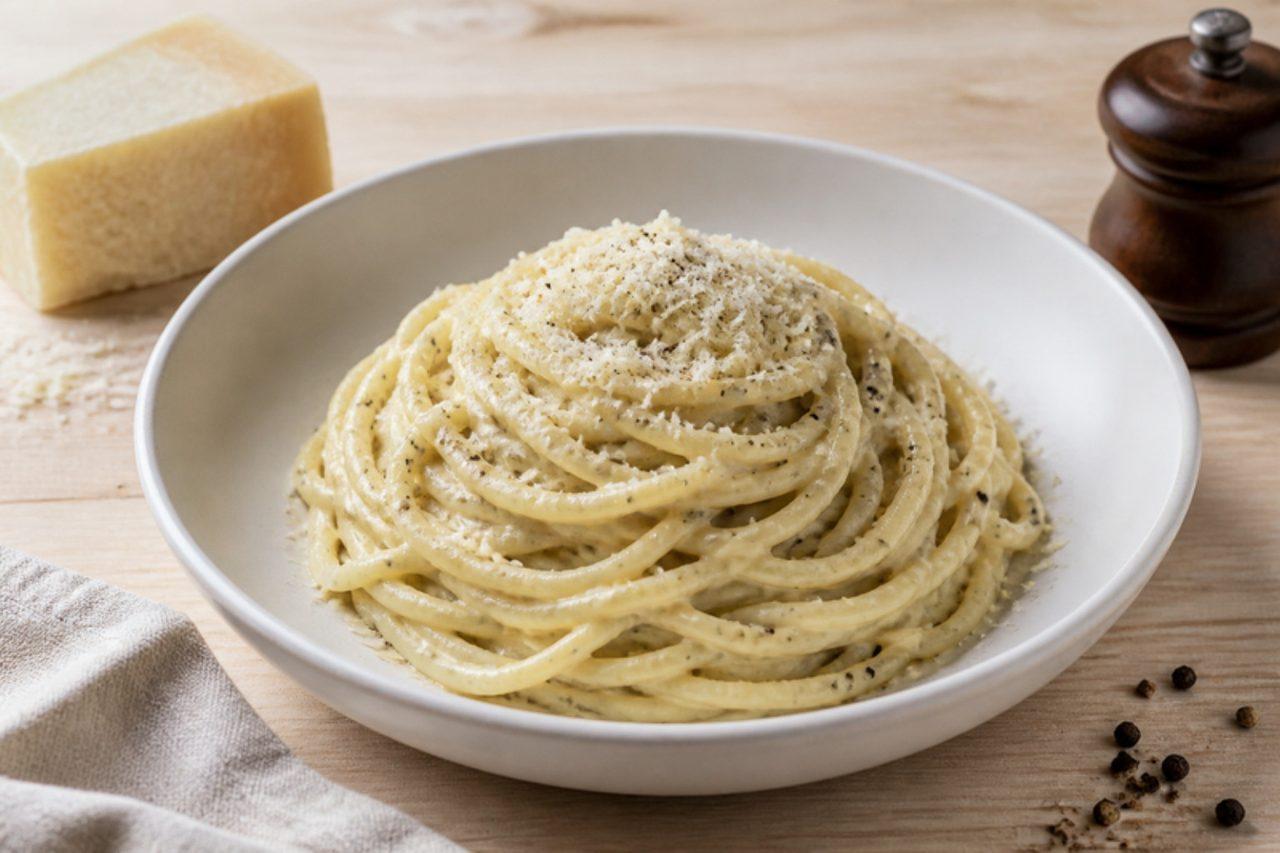
AI-generated image
Cacio e pepe
Rome's pasta with pecorino and black pepper (with a pici variation from Tuscany)

Cacio e pepe is a Roman trattoria standard: just pasta, sheep's cheese and a lot of cracked black pepper, turned into a glossy cream with starchy cooking water. Romans order it as a primo at lunch, especially in the old osterie of Testaccio and Trastevere, and it was born as shepherds' food because dry pecorino and peppercorns kept for weeks. Tonnarelli (square egg-free spaghetti) is the classic shape; in southern Tuscany the same sauce coats pici, fat hand-rolled noodles, and the variation is in the last step. Chef's tip: toast the cracked pepper in the dry pan first, then splash in pasta water; it turns the pepper fragrant rather than harsh and starts the sauce base.
- Total time
- 20 min
- Difficulty
- medium
- Serves
- 2
Ingredients
Method
0/7 doneStep 1: Bring 2 litres of water to the boil with 1 tsp salt. Use less salt than usual and less water: the cheese is salty and you want the water starchy.
8 minStep 2: Put 2 tsp black peppercorns in a wide frying pan over a medium heat and toast it for 1 minute, until you can smell it. Take the pan off the heat.
1 minStep 3: Cook 7 oz tonnarelli or thick spaghetti for 2 minutes less than the packet says, stirring now and then.
9 minStep 4: Put 2 ⅞ oz Pecorino Romano in a bowl. Ladle in about 4 tablespoons of hot (not boiling) pasta water and mash with a fork into a thick, smooth paste, like soft ricotta.
Step 5: Add a ladle of pasta water to the pepper pan and bring it to a simmer. Lift the pasta into the pan with tongs and toss over a medium heat for 2 minutes, adding splashes of water, until it is just al dente and the liquid is cloudy and slightly thick.
2 minStep 6: Take the pan off the heat and wait 30 seconds. Add the cheese paste and toss hard, adding a little more pasta water, until the sauce is creamy and clings to every strand. Common mistake: adding the cheese over the flame, which turns it into stringy clumps; the pan must be off the heat.
Step 7: Serve at once on warm plates with an extra grind of pepper. Pici variation (Siena and Montepulciano): use 250 g fresh or dried pici, cook them 1–2 minutes longer, and keep a little more water in the pan, as the thick noodles drink up the sauce.
Nutrition per serving
- Calories
- 560 kcal
- Protein
- 26 g
- Carbs
- 72 g
- Fat
- 18 g
- Fibre
- 3 g
Nutrition values are estimates.
KrazyBadal
Good to know
- How long does cacio e pepe take?
- About 20 minutes in total: 5 minutes to prepare and 15 minutes to cook.
- How many people does it serve?
- 2 as written. Change the servings above the ingredients and every amount scales to match.
- Is it vegetarian?
- Yes. It has no meat or fish.
- What can I use instead of tonnarelli or thick spaghetti?
- Linguine or any long pasta, same amount.
- What can I use instead of black peppercorns?
- Ground black pepper, a little less than the amount.
Reviews
No reviews yet. Be the first to cook it.
Rate this recipe
Sign in to rate and review this recipe.
You might also like

Boiled pasta
The basic method for any dried pasta, from penne to spaghetti. A large pan of salted boiling water keeps the pasta from sticking, and you cook it only until just done, with a little bite left. Use it in salads, bakes or with any sauce.

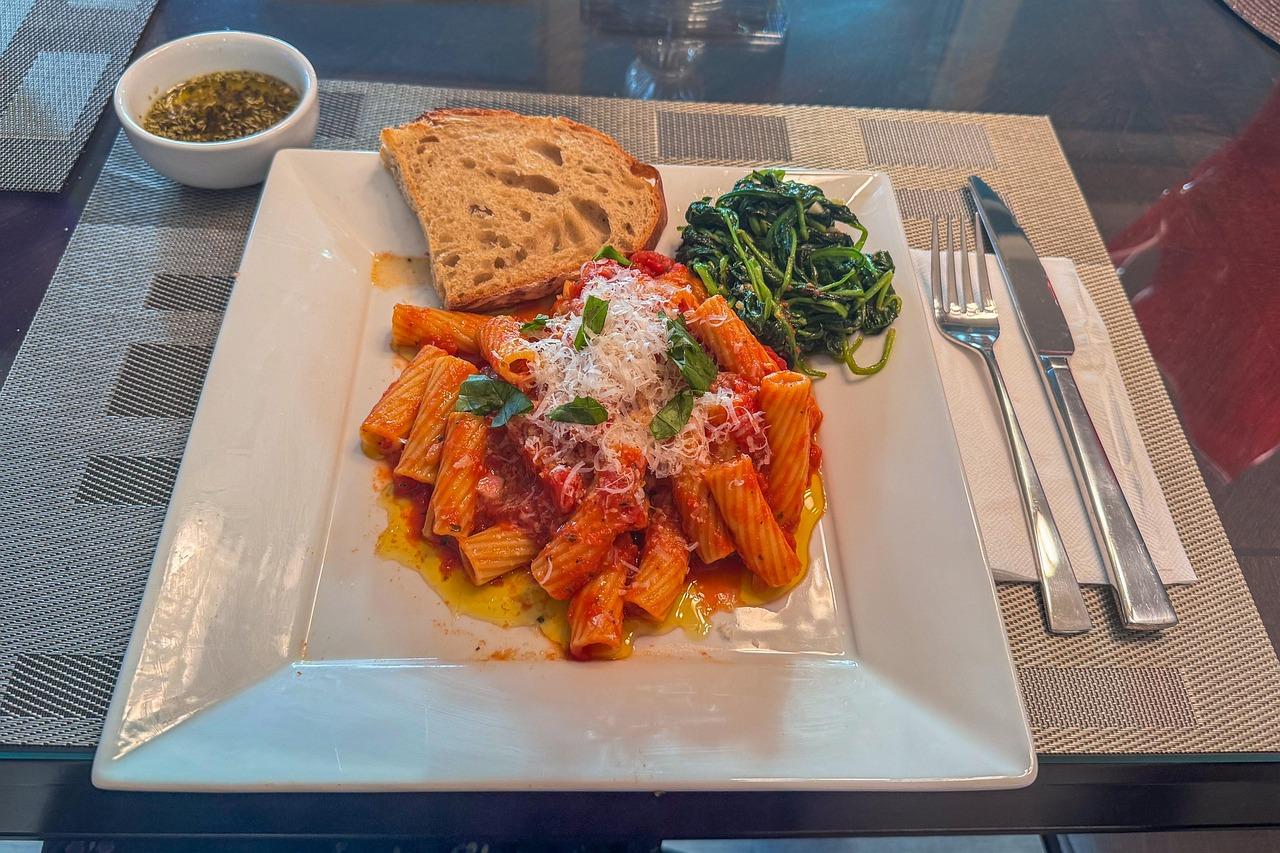
Pasta and eggplant
Rigatoni tossed in a thick tomato sauce with soft aubergine, celery and garlic, with an optional splash of brandy for depth, and topped with grated cheddar.
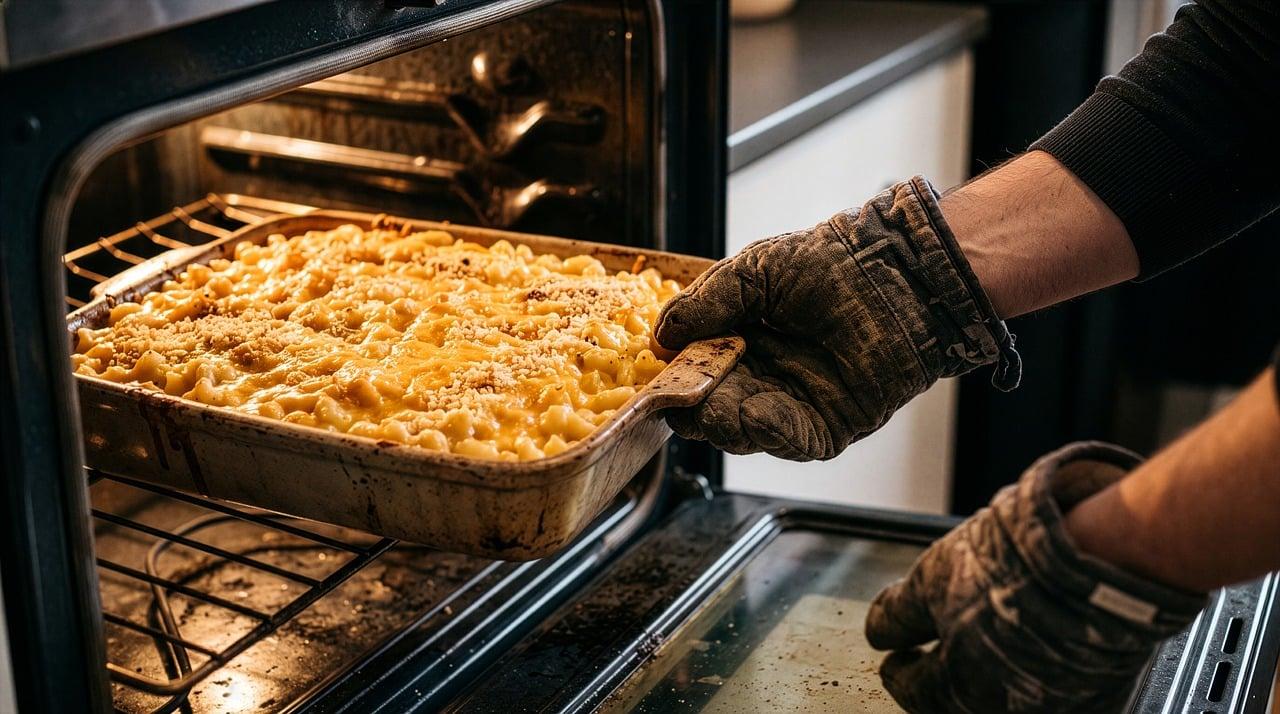
Traditional macaroni cheese
The classic comfort dish: elbow macaroni in a smooth, rich cheddar sauce, topped with more cheese and grilled until golden and bubbling. Serve it with a green salad.