
AI-generated image
Miondo
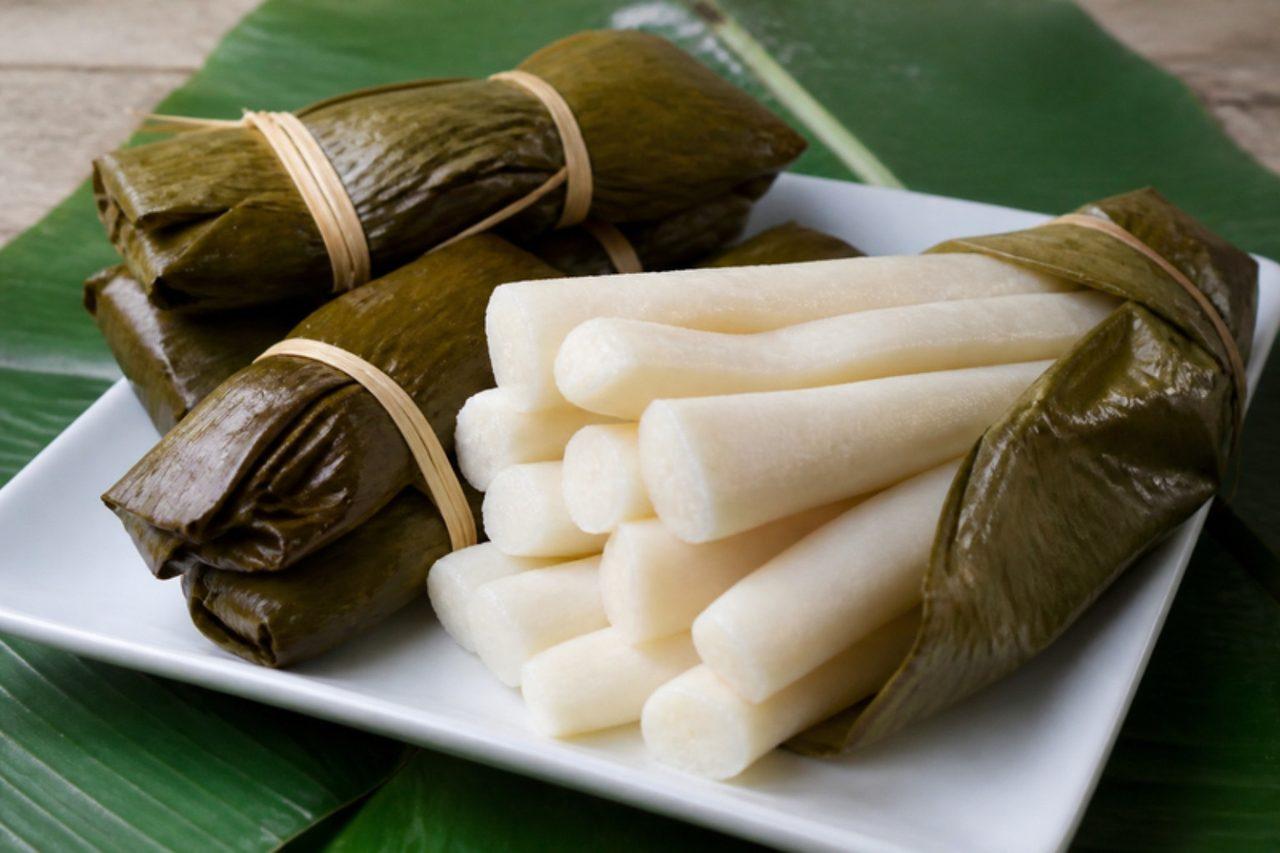
Miondo: Douala's slim, leaf-wrapped sticks of soured cassava, boiled until firm and chewy



Douala's Duala families wrap their cassava dough into slim sticks no thicker than a finger, and bundles of miondo tied with string are stacked at every market from Akwa to New Bell. The roots are soaked for several days until they soften and sour, then ground smooth, drained, rolled, wrapped in leaves and boiled until firm and slightly translucent. The result is chewy, gently tangy and neutral enough to soak up ndolé, grilled fish or a fiery pepper sauce, and peeling back the leaf is part of the pleasure. Plan ahead: the soaking takes 3–4 days and the draining a few hours more, though the hands-on work is about an hour. Chef's tip: roll the sticks no thicker than your little finger so they cook through evenly; fat ones stay pasty in the middle.
- Total time
- 150 min
- Difficulty
- hard
- Serves
- 8
Ingredients
- 4 ⅜ lb fresh cassava rootssweet cassava; or 1.4 kg ready-fermented cassava paste from an African grocer (skip steps 1–3)
- 21 cups cold waterfor soaking, changed daily
- 8 banana leavesor the traditional miondo leaves; softened over a flame
- kitchen stringfor tying the bundles
- 12 ½ cups waterfor boiling
Shop this recipe on Amazon
What you'll need
Spices & pantry
Fresh ingredients (1)
Links open Amazon in a new tab. As an Amazon Associate, WhatToEat.Today earns from qualifying purchases.
Method
0/10 doneStep 1: Cut the ends off the 4 ⅜ lb fresh cassava roots, slit the brown skin and the pink layer under it lengthways and peel both away. Cut the roots into 8 cm chunks and rinse well.
15 minStep 2: Put the chunks in a large bowl or bucket, cover with 21 cups cold water and cover loosely. Leave at room temperature for 3–4 days, pouring off and replacing the water every day, until the cassava is soft enough to crush between your fingers and smells pleasantly sour. This soaking and the long boil later are what make cassava safe; never skip them and never eat it raw.
Step 3: Drain the cassava and pull out the woody string that runs through the centre of each piece; it never softens and makes the sticks stringy.
10 minStep 4: Blend the cassava in batches in a food processor, with only a splash of water if needed, until completely smooth, like a thick paste.
10 minStep 5: Tie the paste in a clean cloth and hang it over a bowl, or press it under a heavy pot, for 2–3 hours until it is a firm, mouldable dough and no water drips out when you squeeze it. Dough that is still wet is the classic mistake: the sticks slump and split as they boil.
Step 6: Pass the 8 banana leaves quickly over a gas flame or dip them in hot water for a few seconds until glossy and pliable, then cut them into rectangles about 15 × 12 cm.
Step 7: Roll a walnut-sized piece of dough (about 25 g) into a thin stick 10–12 cm long. Lay it on a leaf, roll it up tightly and fold in the ends. Repeat with the rest.
25 minStep 8: Bundle the sticks in groups of 8–10 and tie each bundle firmly with kitchen string.
Step 9: Stand the bundles in a large pot on a few leaf trimmings, pour in 12 ½ cups water to come halfway up and cover. Bring to the boil, then simmer over a medium heat for 90 minutes, topping up with boiling water as needed, until an unwrapped stick feels firm and the dough has turned greyish and slightly translucent all the way through.
90 minStep 10: Leave to cool for 10 minutes and serve warm in their leaves. Miondo keep for 5 days in the fridge; reheat them by steaming for 10 minutes.
Nutrition per serving
- Calories
- 280 kcal
- Protein
- 2 g
- Carbs
- 67 g
- Fat
- 1 g
- Fibre
- 3 g
Nutrition values are estimates.
KrazyBadal
Good to know
- How long does miondo take?
- About 150 minutes in total: 60 minutes to prepare and 90 minutes to cook.
- How many people does it serve?
- 8 as written. Change the servings above the ingredients and every amount scales to match.
- Is it vegan?
- Yes. It has no meat, fish, dairy or eggs.
- Is it gluten free?
- Yes, as written. Check the labels on stock, sauces and spice mixes, which sometimes contain gluten.
- Can I make it ahead?
- Yes. It keeps well, so you can cook it earlier in the day or the day before and reheat it.
Reviews
No reviews yet. Be the first to cook it.
Rate this recipe
Sign in to rate and review this recipe.
You might also like

Vegetable brown stock
A hearty stock that's simmered for 2 hours, then blended and strained, so the potato gives it body. Its deeper flavour suits thick soups, gravies and stews. Freeze it in portions so it's ready when you need it.


Chaat masala
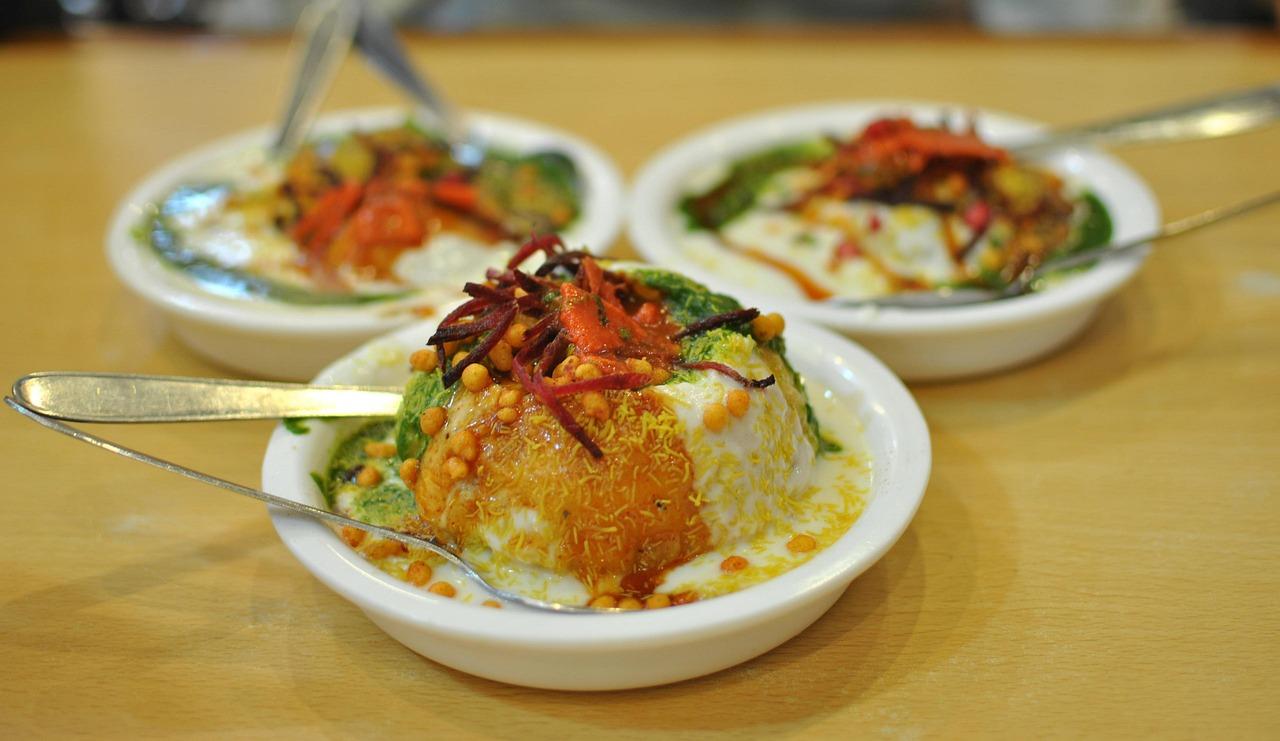
Chaat masala is the tangy, salty, slightly sulphurous sprinkle that makes chaat taste like chaat. Dried mango (amchur) gives the sourness and black salt the distinctive savoury edge. Sprinkle it over fruit, salads, raita, chips and street-food snacks.
 Indian

Bean sprouts
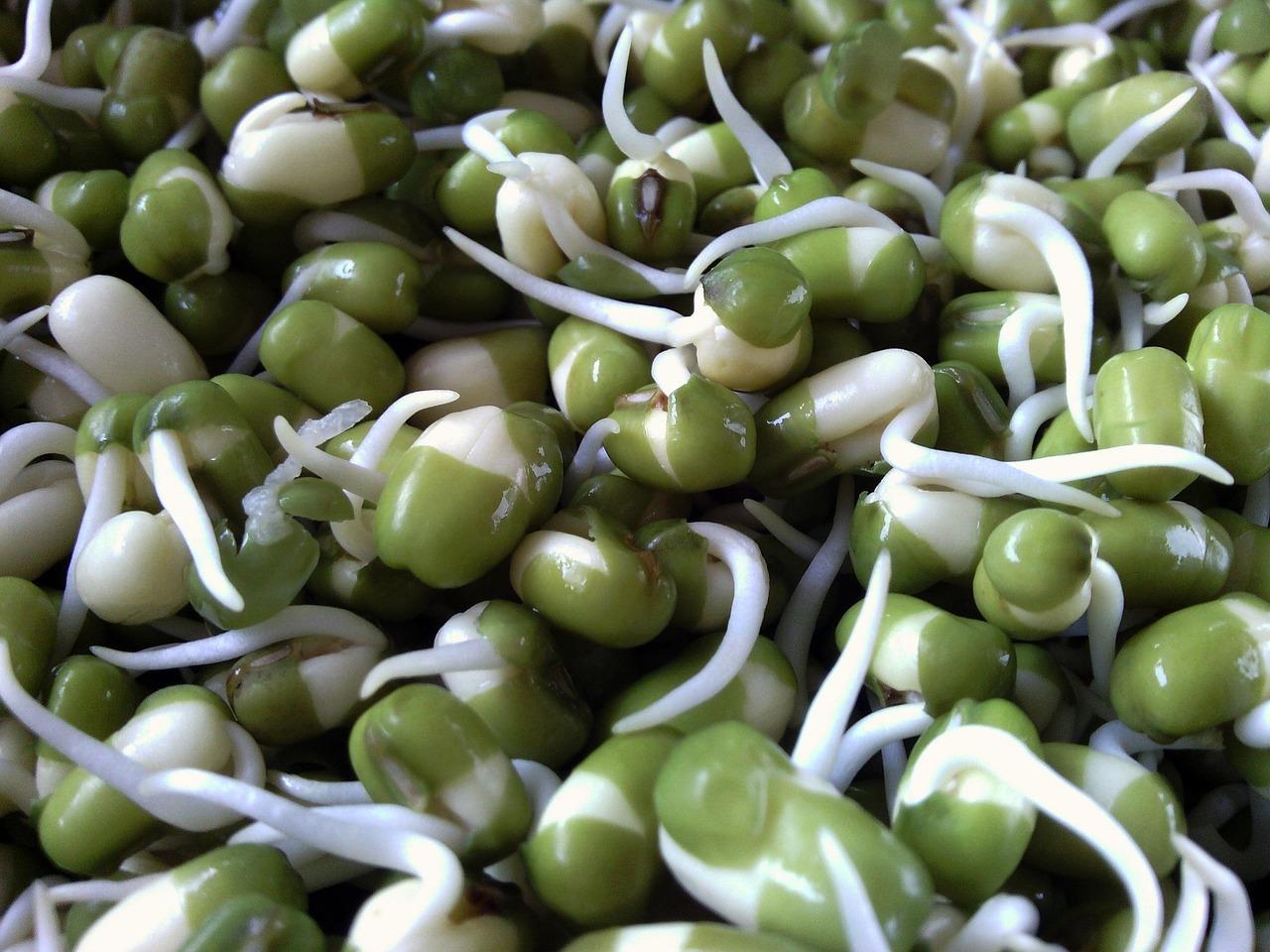
Sprouting whole green grams makes them crunchier, quicker to cook and more nutritious. All you need is muslin, water and a warm spot, and they're ready in 3–4 days. Use them in salads, bhel, usal and stir-fries. Any other whole pulse sprouts the same way.