
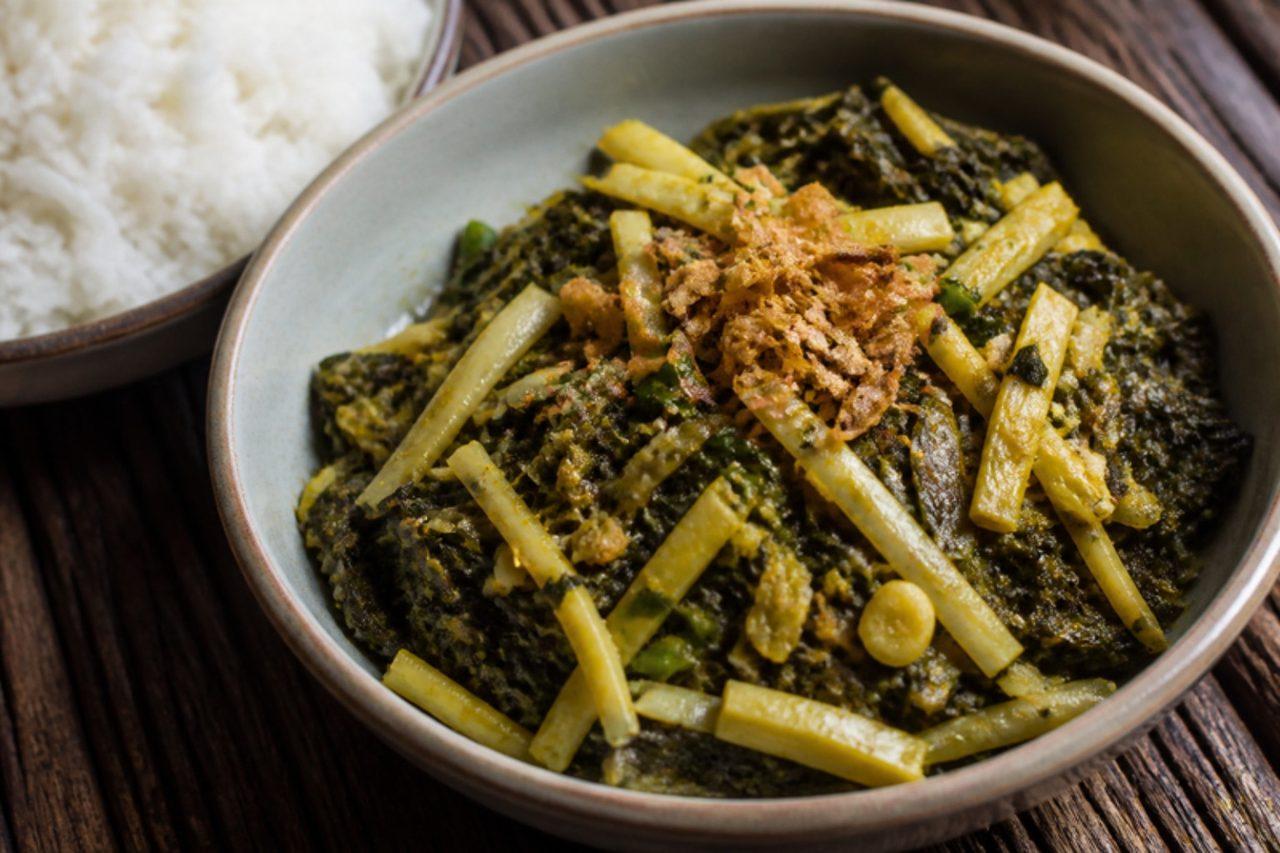
AI-generated image
Chin baung kyaw
Stir-fried roselle leaves
Chin baung kyaw (ချဉ်ပေါင်ကြော်): Burmese sour roselle leaves stir-fried with bamboo shoot, garlic and chilli



Chin baung, the tart leaf of the roselle plant, is so loved in Myanmar that it is sometimes called the national vegetable, and chin baung kyaw is cooked in homes from Yangon to Mandalay as a sharp, garlicky side for rice and a bowl of light soup. The leaves collapse into a dark, tangy, almost jammy relish with bamboo shoot and chilli. The usual version has dried shrimp or a little fish sauce; this one is vegetarian, using fried shallots and a pinch of salt for savour. It is a side with about 3 g of protein per portion. The common mistake is under-cooking: the leaves should be fried until the liquid has gone and the oil separates, or the sourness tastes raw. If you can't find roselle leaves, use sorrel or spinach with a squeeze of lime. Chef's tip: let the garlic and shallots turn properly golden before the leaves go in; their sweetness balances the sourness.
- Total time
- 30 min
- Difficulty
- easy
- Serves
- 4
Ingredients
- 10 ½ oz roselle leaves (chin baung)picked from the stems, washed
- 3 ½ oz boiled bamboo shootsthinly sliced
- 3 tbsp groundnut oil
- 4 shallotsthinly sliced
- 6 cloves garlicsliced
- ¼ tsp ground turmeric
- 3 green chilliessplit
- ½ tsp chilli powder
- ¾ tsp salt
- ½ tsp sugar
Shop this recipe on Amazon
What you'll need
Fresh ingredients (3)
Links open Amazon in a new tab. As an Amazon Associate, WhatToEat.Today earns from qualifying purchases.
Method
0/5 doneStep 1: Chop 10 ½ oz roselle leaves (chin baung) roughly. Squeeze any liquid from 3 ½ oz boiled bamboo shoots.
Step 2: Heat 3 tbsp groundnut oil in a wok over a medium heat and fry 4 shallots and 6 cloves garlic, stirring, until golden and crisp at the edges.
5 minStep 3: Stir in ¼ tsp ground turmeric, 3 green chillies and ½ tsp chilli powder for 30 seconds, then add the bamboo and fry until it is coated and hot.
2 minStep 5: Taste: it should be sharply sour and well salted. Serve warm or at room temperature with rice.
Nutrition per serving
- Calories
- 115 kcal
- Protein
- 3 g
- Carbs
- 7 g
- Fat
- 10 g
- Fibre
- 4 g
Nutrition values are estimates.
KrazyBadal
Good to know
- How long does chin baung kyaw take?
- About 30 minutes in total: 10 minutes to prepare and 20 minutes to cook.
- How many people does it serve?
- 4 as written. Change the servings above the ingredients and every amount scales to match.
- Is it vegan?
- Yes. It has no meat, fish, dairy or eggs.
- Is it gluten free?
- Yes, as written. Check the labels on stock, sauces and spice mixes, which sometimes contain gluten.
- Is it very spicy?
- It has some heat. Use less chilli for a milder version, or more if you like it hot.
- What can I use instead of shallots?
- Half an onion per 2 shallots.
- What can I use instead of garlic?
- ½ tsp garlic paste or ⅛ tsp garlic powder per clove.
Reviews
No reviews yet. Be the first to cook it.
Rate this recipe
Sign in to rate and review this recipe.
You might also like
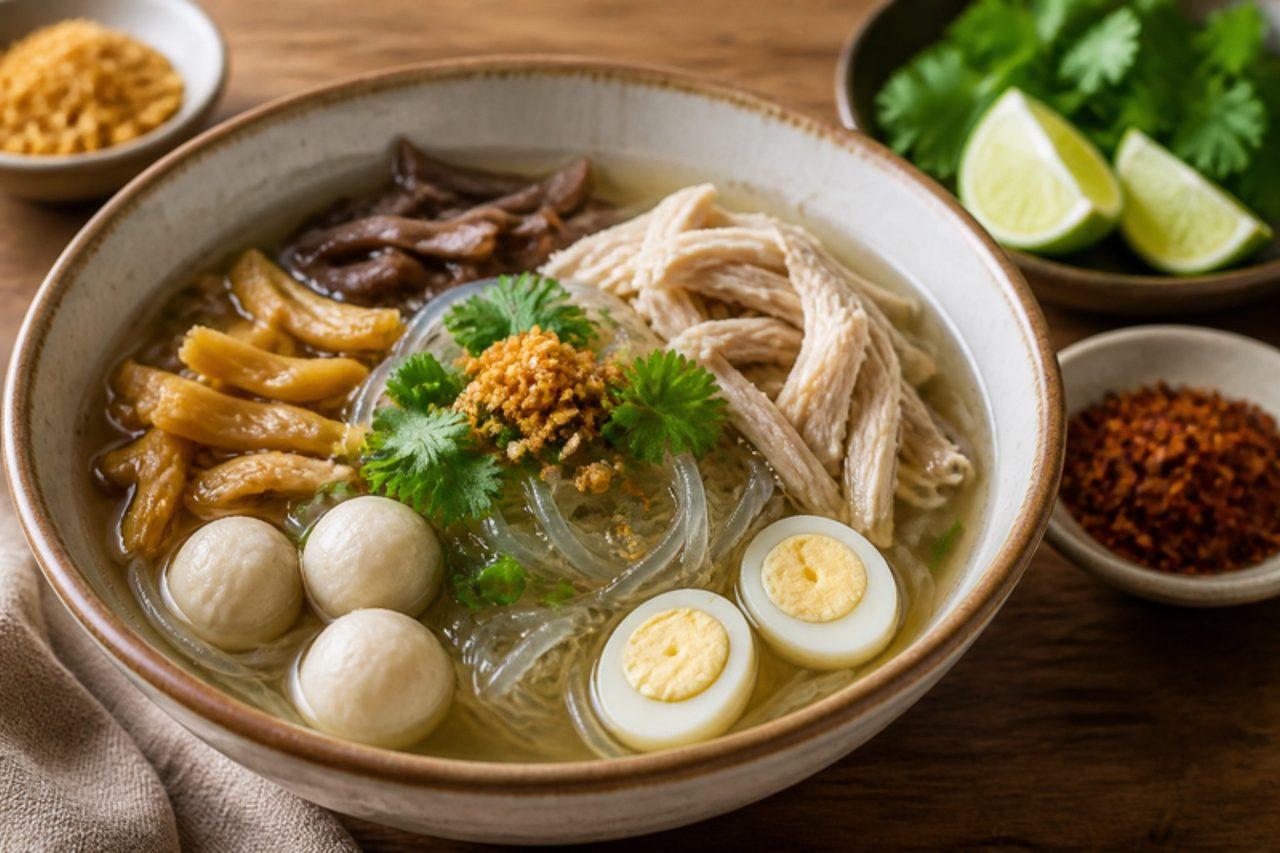
Kyar zan hingaGlass noodle soup with chicken
Lighter than mohinga and a favourite with children, kyar zan hinga turns up at Yangon donation feasts, at evening noodle stalls and on the family table when someone needs something soothing. Slippery glass noodles swim in a clear, peppery chicken broth with shredded chicken, crunchy wood-ear mushroom, chewy knots of dried lily buds, bouncy fish balls and whole quail eggs. Each bowl is finished at the table with lime, chilli flakes, fried garlic and coriander, and crisp split-pea fritters are often torn in on top. Simmering the glass noodles in the pot is the classic error: they swell, go soft and drink up the broth, so add them straight to the bowls instead. Chef's tip: knot each softened lily bud before it goes into the soup; it keeps them from shredding and gives every spoonful a little chewy bite.
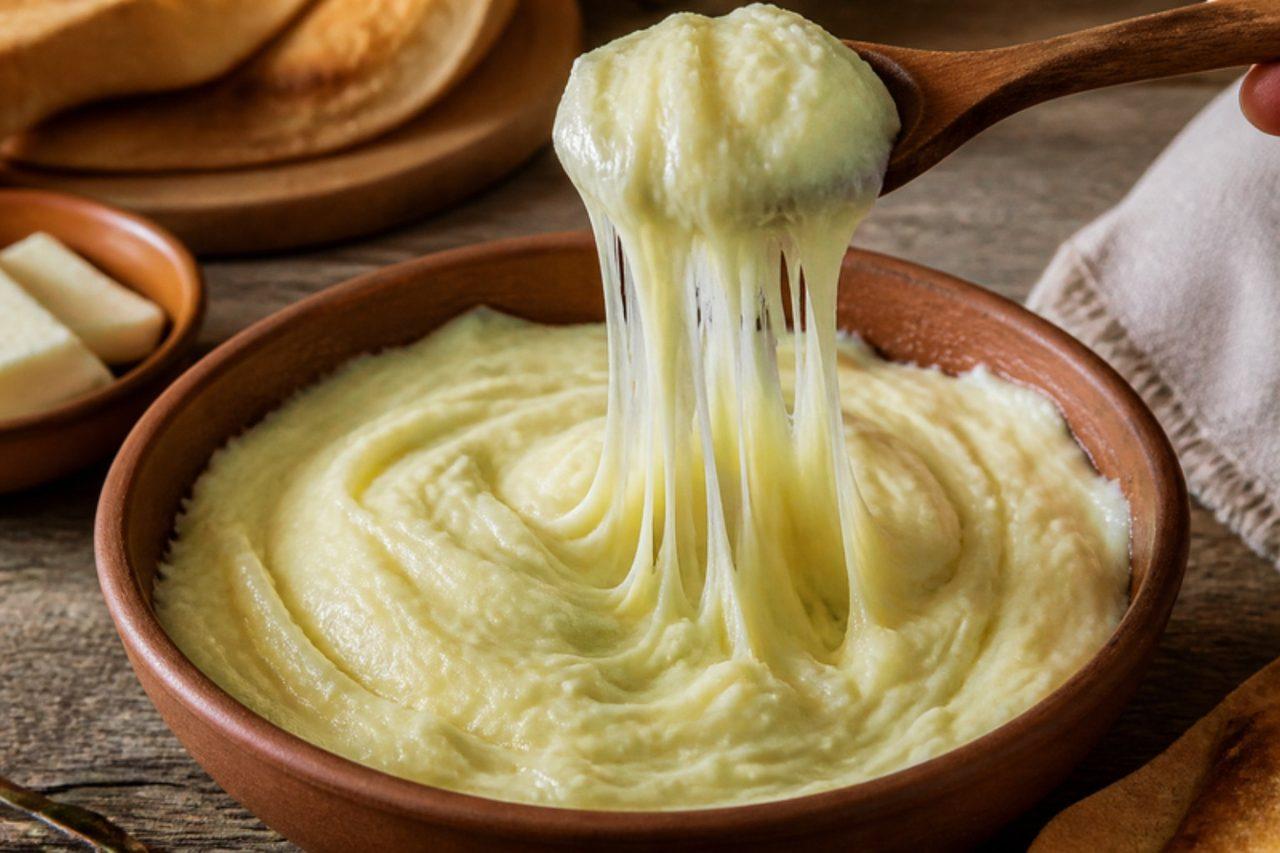
TashmijabiMashed potatoes with stretchy cheese
Potatoes grow well in the cold valleys of Svaneti, and tashmijabi is how families around Mestia turn them into a feast dish: they are mashed hot, then beaten with handfuls of young sulguni until the purée becomes glossy and stretches from the spoon in long strands. It is served with grilled meat, kubdari or simply with pickles and Svan salt. A common mistake is letting the potatoes cool before adding the cheese; they must be piping hot for the cheese to melt and stretch. Chef's tip: keep the pan on a low heat while you beat, and use a firm wooden spoon. Most sulguni uses animal rennet; choose a vegetarian one or use mozzarella.
 Georgian

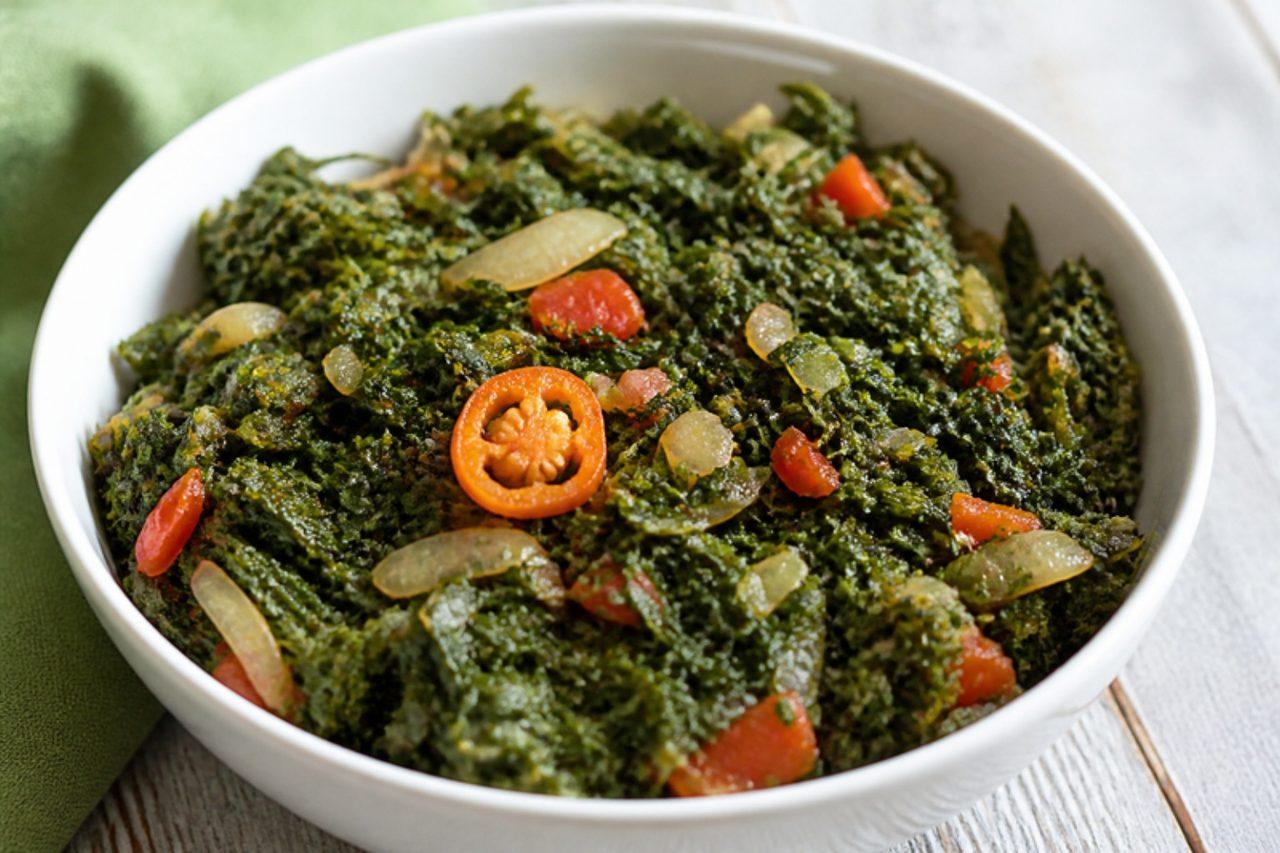
Jamaican callalooSteamed callaloo greens
In Jamaica, callaloo means the leaves and tender stems of a type of amaranth, sold in big bundles in every market from Coronation Market in Kingston to Santa Cruz in St Elizabeth. It's steamed down with onion, tomato, garlic and thyme into soft, savoury greens with a mild mineral sweetness, and eaten at breakfast with fried dumplings, boiled green bananas or hard dough bread, or as a side at dinner. Spinach or Swiss chard can stand in if you can't find callaloo. Chef's tip: peel the fibrous skin from the thicker stems with a small knife and slice the stems and leaves finely across, about 1 cm wide. That's how Jamaican cooks get callaloo that's tender all the way through rather than stringy.
 Jamaican
