
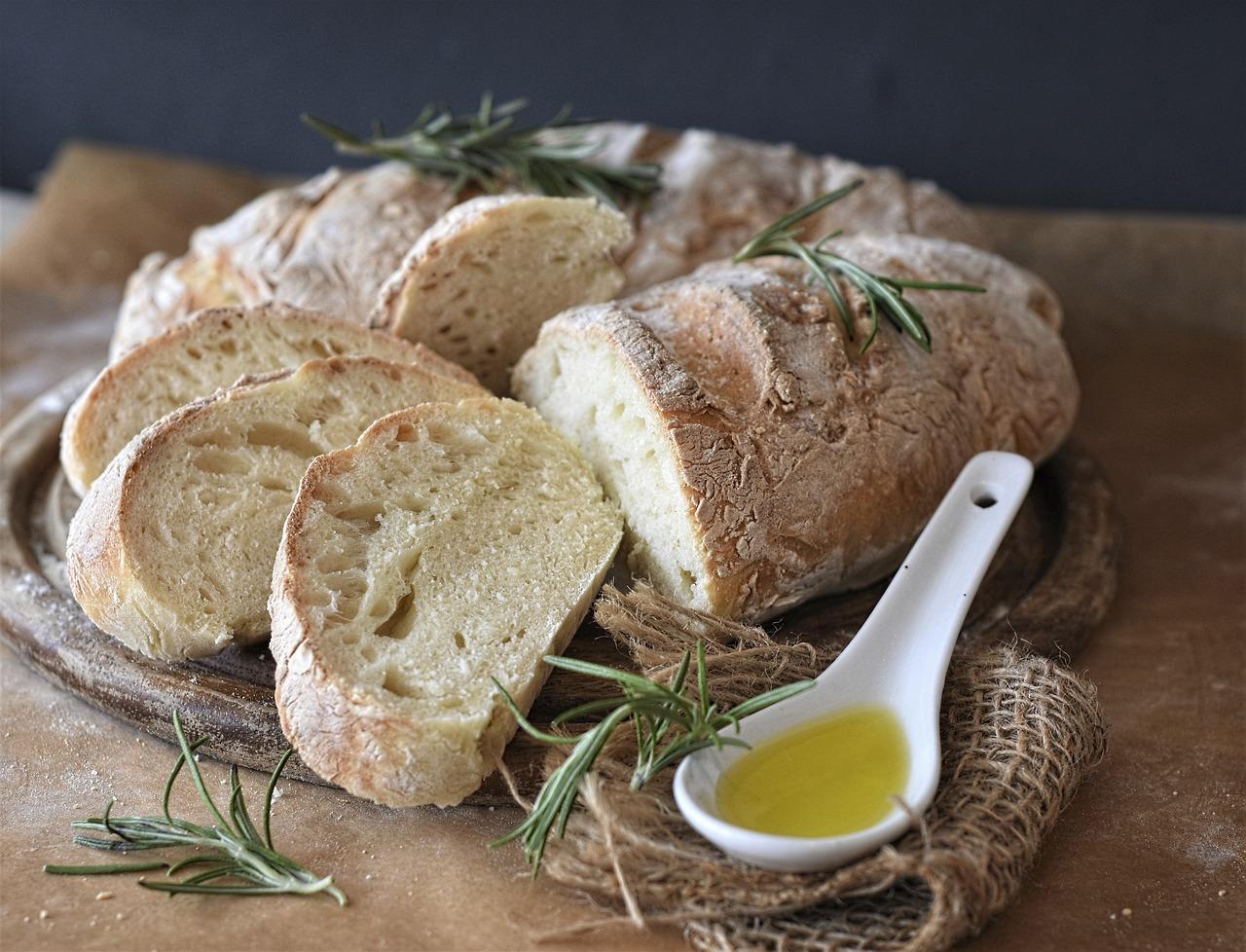
Ciabatta
Veneto's slipper loaf with a wet dough and big holes


Surprisingly young for an Italian classic, ciabatta was created in 1982 by a baker near Adria, in the Veneto, as Italy's answer to the French baguettes that were filling sandwich shops. Its name means 'slipper', after its flat, floury, oblong shape. The dough is so wet it is barely shaped at all, which gives a thin, crisp crust and a chewy, glossy crumb full of irregular holes, with a wheaty, slightly tangy flavour from an overnight biga. Split it for panini with grilled vegetables and mozzarella, dip it in good olive oil, or serve it with soup and antipasti. The commonest error is panicking at the sticky dough and working in extra flour; that closes up the crumb, so use wet hands and a scraper instead. Chef's tip: once the dough has risen, don't shape it, just cut it into strips with a floured scraper and flip each one over onto its cloth, so the bubbled underside becomes the top.
- Total time
- 955 min
- Difficulty
- hard
- Serves
- 8
Ingredients
For the biga
- ½ cup watercool
- ¼ tsp instant dried yeast
For the dough
- 10 ½ oz strong white bread flour
- 1 ¼ cups waterlukewarm
- ⅛ oz instant dried yeast½ tsp
- ⅜ oz salt
- 1 tbsp extra virgin olive oilplus extra for the tub
- 1 ¾ oz plain flour or fine semolinafor dusting
Shop this recipe on Amazon
What you'll need
Spices & pantry
Links open Amazon in a new tab. As an Amazon Associate, WhatToEat.Today earns from qualifying purchases.
Method
0/9 doneStep 1: The night before, mix 7 oz strong white bread flour, ½ cup water and ¼ tsp instant dried yeast into a stiff, shaggy dough. Cover and leave at cool room temperature for 12–16 hours, until risen, domed and smelling slightly alcoholic.
840 minStep 2: Tear the biga into pieces in a large bowl or stand mixer. Add 10 ½ oz strong white bread flour, ⅛ oz instant dried yeast and all but 40 ml of 1 ¼ cups water and mix for 3 minutes into a sticky dough.
Step 3: Add ⅜ oz salt and mix on medium speed (or slap and fold by hand) for 5 minutes. Drizzle in the remaining water a little at a time, then 1 tbsp extra virgin olive oil, and mix until the dough is glossy and pulls away from the bowl in long strands.
8 minStep 4: Scrape into an oiled tub. Over the next 2 hours, give it four sets of folds 30 minutes apart, stretching each side up and over with wet hands. Then leave it for 1 hour more, until wobbly, at least doubled and full of bubbles.
180 minStep 5: Dust the worktop and a linen cloth generously with 1 ¾ oz plain flour or fine semolina. Tip the dough out gently, flour the top and stretch it into a rough 25 × 30 cm rectangle without knocking out the air.
Step 6: Cut it into 4 strips with a floured scraper. Flip each strip over onto the floured cloth, pushing the sides in slightly to tidy the slipper shape. Prove for 30–40 minutes, until puffy.
35 minStep 7: Meanwhile heat the oven to 475°F (425°F fan) with a baking stone or heavy tray inside and an empty tin on the bottom shelf.
Step 8: Move the loaves onto baking paper and slide them onto the hot stone. Pour a cup of boiling water into the bottom tin and bake for 20–25 minutes, until the crust is deep golden under its flour, the base sounds hollow and the centre reads 205°F.
23 minStep 9: Cool on a rack for at least 30 minutes so the crumb sets. Best on the day, or split and toasted the next.
Nutrition per serving
- Calories
- 240 kcal
- Protein
- 8 g
- Carbs
- 49 g
- Fat
- 2 g
- Fibre
- 2 g
Nutrition values are estimates.
KrazyBadal
Good to know
- How long does ciabatta take?
- About 955 minutes in total: 930 minutes to prepare and 25 minutes to cook.
- How many people does it serve?
- 8 as written. Change the servings above the ingredients and every amount scales to match.
- Is it vegan?
- Yes. It has no meat, fish, dairy or eggs.
- What can I use instead of strong white bread flour?
- Plain flour, same amount (the dough will be softer and rise a little less).
- What can I use instead of strong white bread flour?
- Plain flour, same amount (the dough will be softer and rise a little less).
Reviews
No reviews yet. Be the first to cook it.
Rate this recipe
Sign in to rate and review this recipe.
You might also like

Boiled pasta
The basic method for any dried pasta, from penne to spaghetti. A large pan of salted boiling water keeps the pasta from sticking, and you cook it only until just done, with a little bite left. Use it in salads, bakes or with any sauce.


ChipaCheese bread rings
In Paraguay you hear 'chipa, chipa!' called by vendors with big baskets on buses and street corners, and every family bakes it for Holy Week, when chipa is the food of Good Friday. Cassava starch, a little cornmeal, butter, eggs and a lot of hard cheese are kneaded into a dough scented with aniseed, shaped into rings or small rolls and baked in a hot oven, traditionally a domed clay tatakua. It's chewy, crisp outside and best warm with cocido (toasted yerba tea). Chef's tip: the dough should feel soft and slightly greasy; add milk a spoon at a time, as too much makes the chipa spread flat.
 Paraguayan

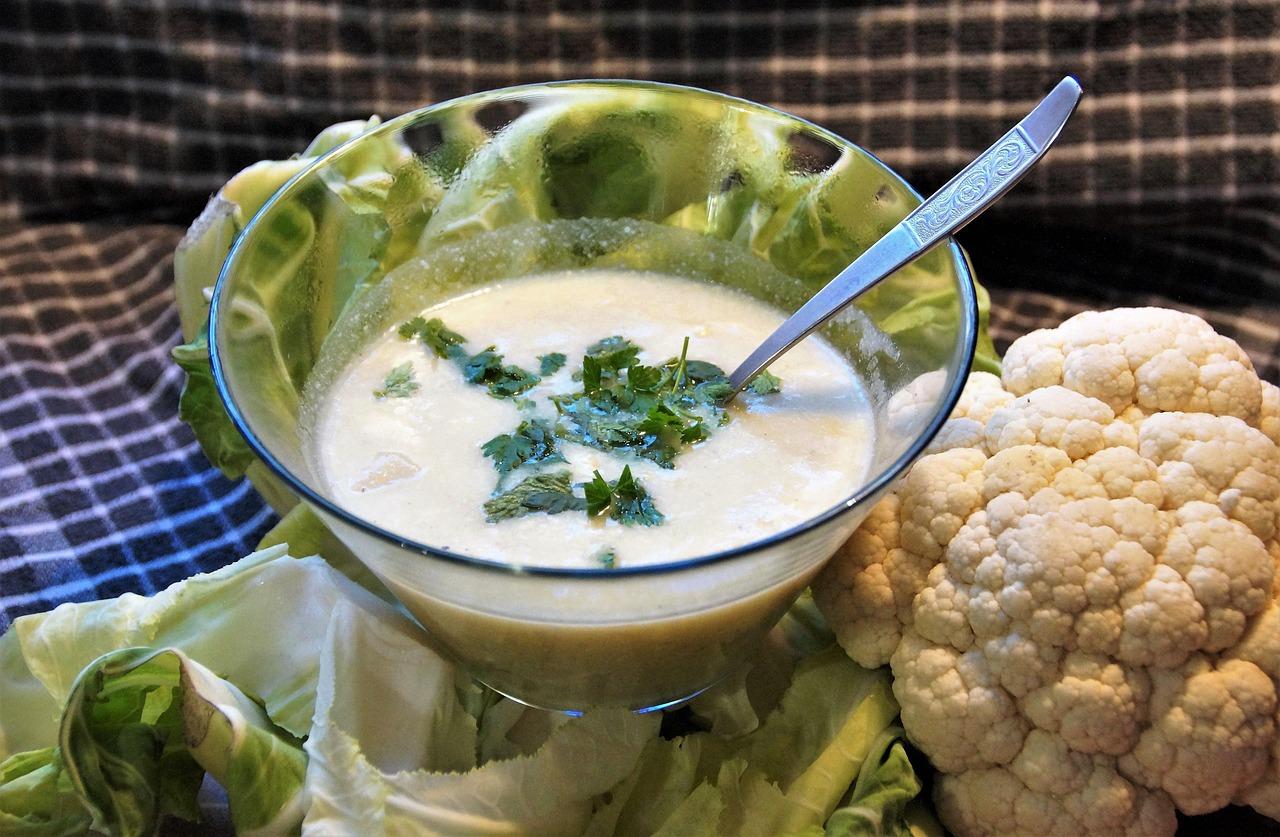
Cauliflower soup with farfalle
A smooth, creamy cauliflower soup flavoured with nutmeg and Parmesan, with little bow-tie pasta stirred through. It's served with crisp, curled melba toast sprinkled with Parmesan and paprika, so it makes a light meal on its own.