
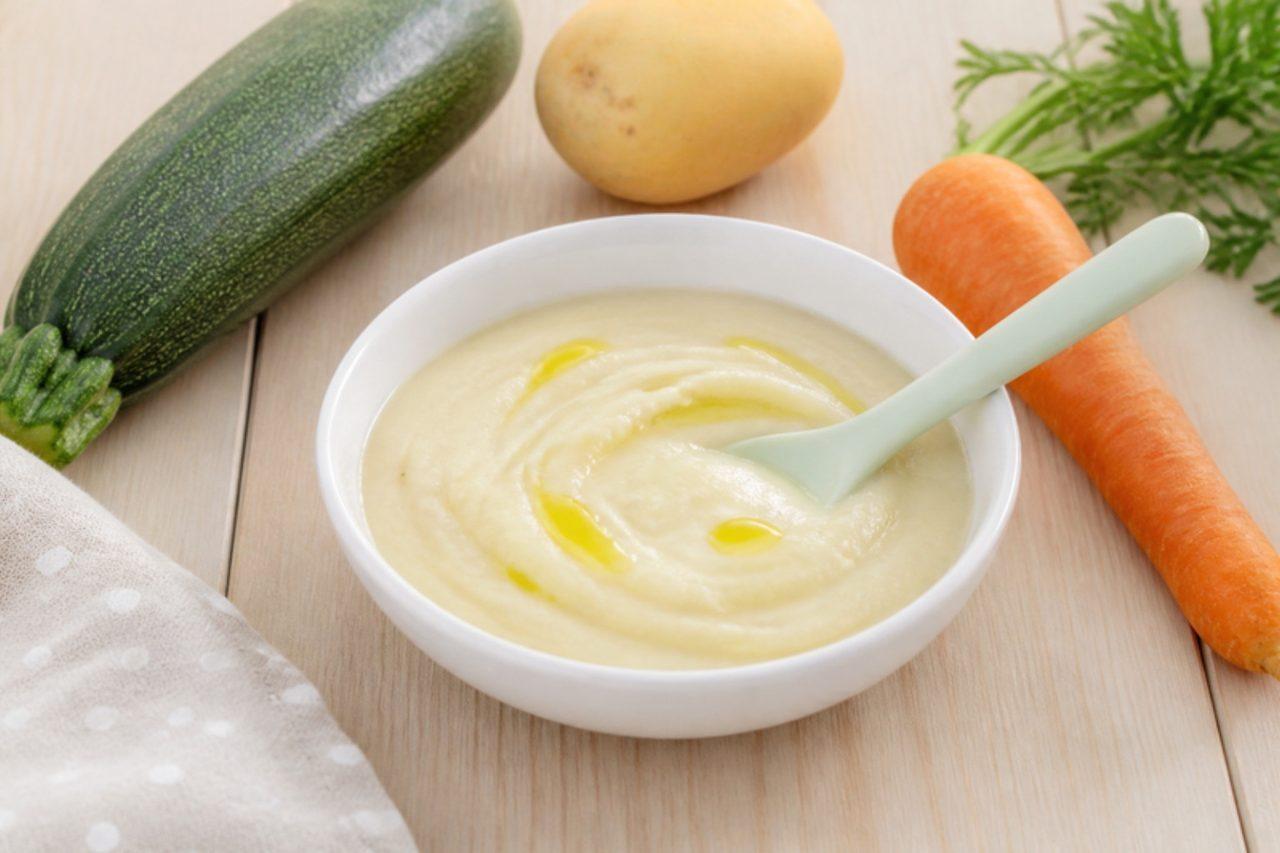
AI-generated image
Cream of rice in vegetable broth (crema di riso)
6m+ · Italy's first pappa: fine rice cream cooked in home-made unsalted vegetable broth



The Italian weaning ritual, lo svezzamento, traditionally starts at midday with a bowl of pappa: home-made brodo vegetale thickened with crema di riso, fine rice flour, and finished with a drop of extra-virgin olive oil. Paediatric habits in Italy favour a fresh broth of carrot, potato and courgette made without salt, and the cooked vegetables are often mashed in as the weeks go by. It is pale, light and gently savoury. It contains none of the common allergens (milk, egg, gluten, peanut, tree nuts, soya, sesame, fish), as long as the rice flour is pure rice. Chef's tip: freeze the spare broth in ice-cube trays, so each pappa takes only five minutes.
- Total time
- 55 min
- Difficulty
- easy
- Serves
- 4
Baby & toddler safety
- Age: from 6 months+.
- Allergens: none of the common allergens found in the ingredients. Offer one new allergen at a time, in the morning, so you can watch for a reaction.
- Texture and choking: purée or mash smoothly for 6–9 months, then soft, finger-sized pieces that squash between your fingers. Cut round foods such as grapes and cherry tomatoes into quarters lengthways, never give whole nuts, and always stay with your child while they eat.
- Under 1: no honey, no added salt or stock cubes, and no added sugar.
Every child is different. If you are unsure, especially about allergies, check with your health visitor or paediatrician.
Ingredients
For the vegetable broth
For the pappa
- 1 tsp extra-virgin olive oil
Shop this recipe on Amazon
Spices & pantry
Links open Amazon in a new tab. As an Amazon Associate, WhatToEat.Today earns from qualifying purchases.
Method
0/6 doneStep 2: Strain the broth, keeping the vegetables. You should have about 500 ml.
Step 3: Measure 150 ml of hot broth into a small pan and sprinkle in 1 tablespoon of 3 tbsp fine rice flour (crema di riso), whisking all the time so it doesn't clump.
1 minStep 4: Cook on a low heat, stirring, for 4–5 minutes, until it thickens to a smooth, soft cream and no longer tastes floury. A common mistake is tipping all the flour in at once, which gives lumps; sprinkle it slowly.
5 minStep 5: Stir in a third of 1 tsp extra-virgin olive oil and cool until just warm. As your baby gets used to it, mash in a spoonful of the cooked vegetables.
Step 6: Cool the remaining broth and vegetables quickly; refrigerate for up to 2 days or freeze in ice-cube trays. Make the pappa fresh each time and reheat any broth only once, until piping hot, then cool before serving.
Nutrition per serving
- Calories
- 55 kcal
- Protein
- 1 g
- Carbs
- 10 g
- Fat
- 1 g
- Fibre
- 1 g
Nutrition values are estimates.
KrazyBadal
Good to know
- How long does cream of rice in vegetable broth (crema di riso) take?
- About 55 minutes in total: 10 minutes to prepare and 45 minutes to cook.
- How many people does it serve?
- 4 as written. Change the servings above the ingredients and every amount scales to match.
- Is it vegan?
- Yes. It has no meat, fish, dairy or eggs.
- Is it gluten free?
- Yes, as written. Check the labels on stock, sauces and spice mixes, which sometimes contain gluten.
- What can I use instead of carrot?
- Parsnip or sweet potato, same weight.
- What can I use instead of potato?
- Sweet potato, same weight (sweeter, cooks a little faster).
Reviews
No reviews yet. Be the first to cook it.
Rate this recipe
Sign in to rate and review this recipe.
You might also like

Boiled pasta
The basic method for any dried pasta, from penne to spaghetti. A large pan of salted boiling water keeps the pasta from sticking, and you cook it only until just done, with a little bite left. Use it in salads, bakes or with any sauce.

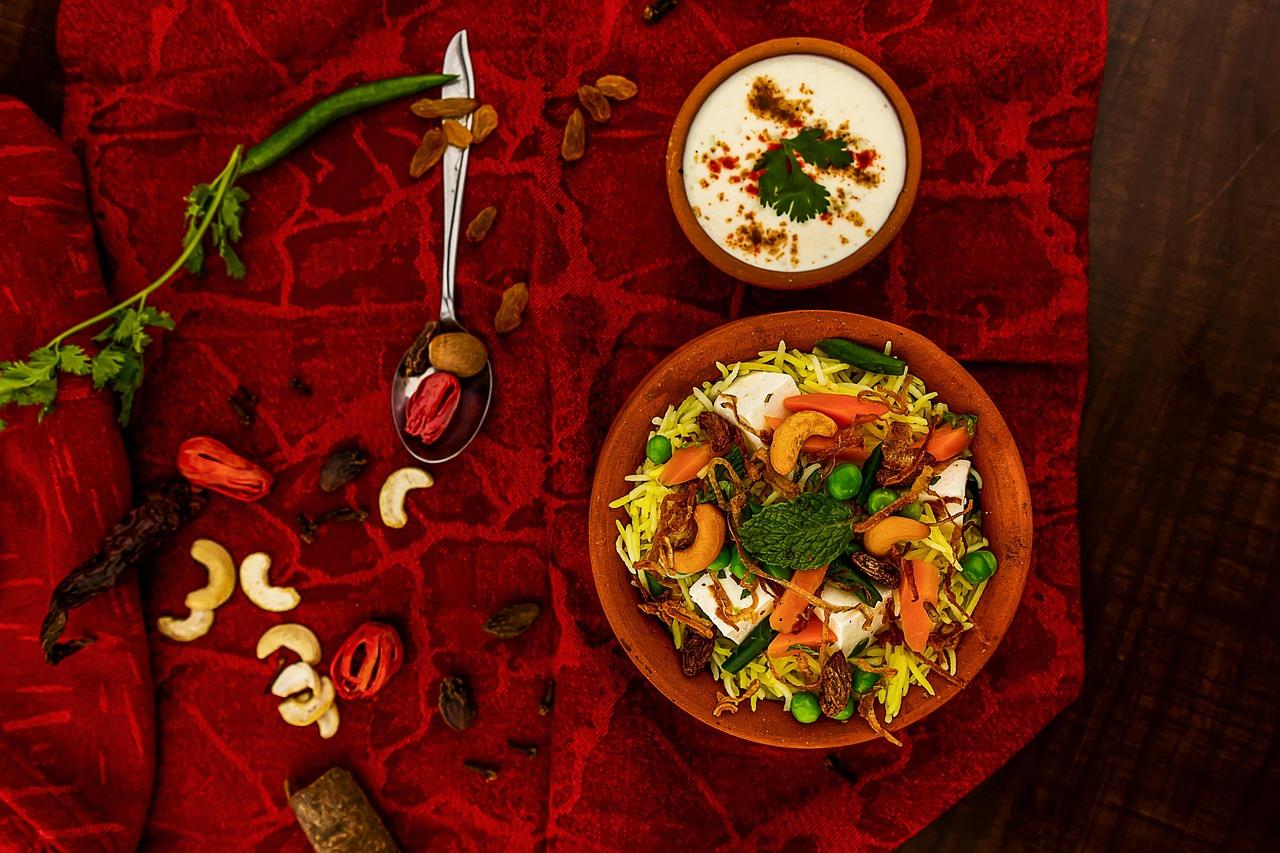
Paneer biryaniRice and moong dal in coconut milk
A mild, creamy biryani: rice and husked green gram roasted in ghee, then cooked in coconut milk with peas, carrots, potatoes, peanuts and cashews, and finished with soft fried paneer and a fresh coriander yogurt. Serve hot, garnished with more fried cashews and paneer.
 Indian

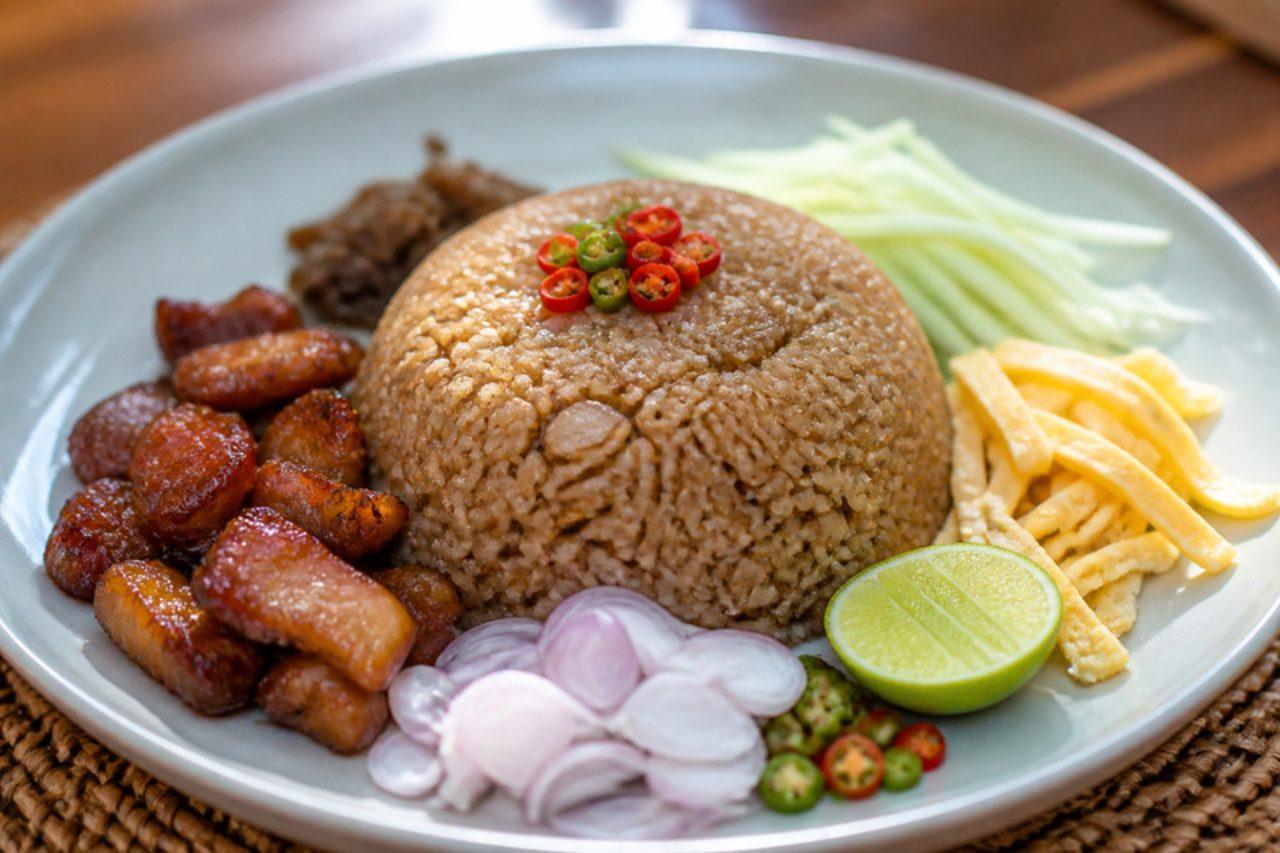
Khao kluk kapiShrimp paste rice
Everything on this central Thai plate is arranged in little heaps around a mound of rice tossed with garlic and fermented shrimp paste: sticky caramelised pork (moo wan), threads of sour green mango, shallots, chillies, sliced long beans, crisp dried shrimp and ribbons of thin omelette. You mix a bit of each into every spoonful, so salty, sweet, sour and hot arrive together. It's a favourite at Bangkok's curry-and-rice shops and a clever way to use up yesterday's rice at home; lime wedges and cucumber cool it down. Chef's tip: use day-old jasmine rice straight from the fridge, because freshly cooked rice clumps and smears the shrimp paste instead of coating each grain.
 Thai