
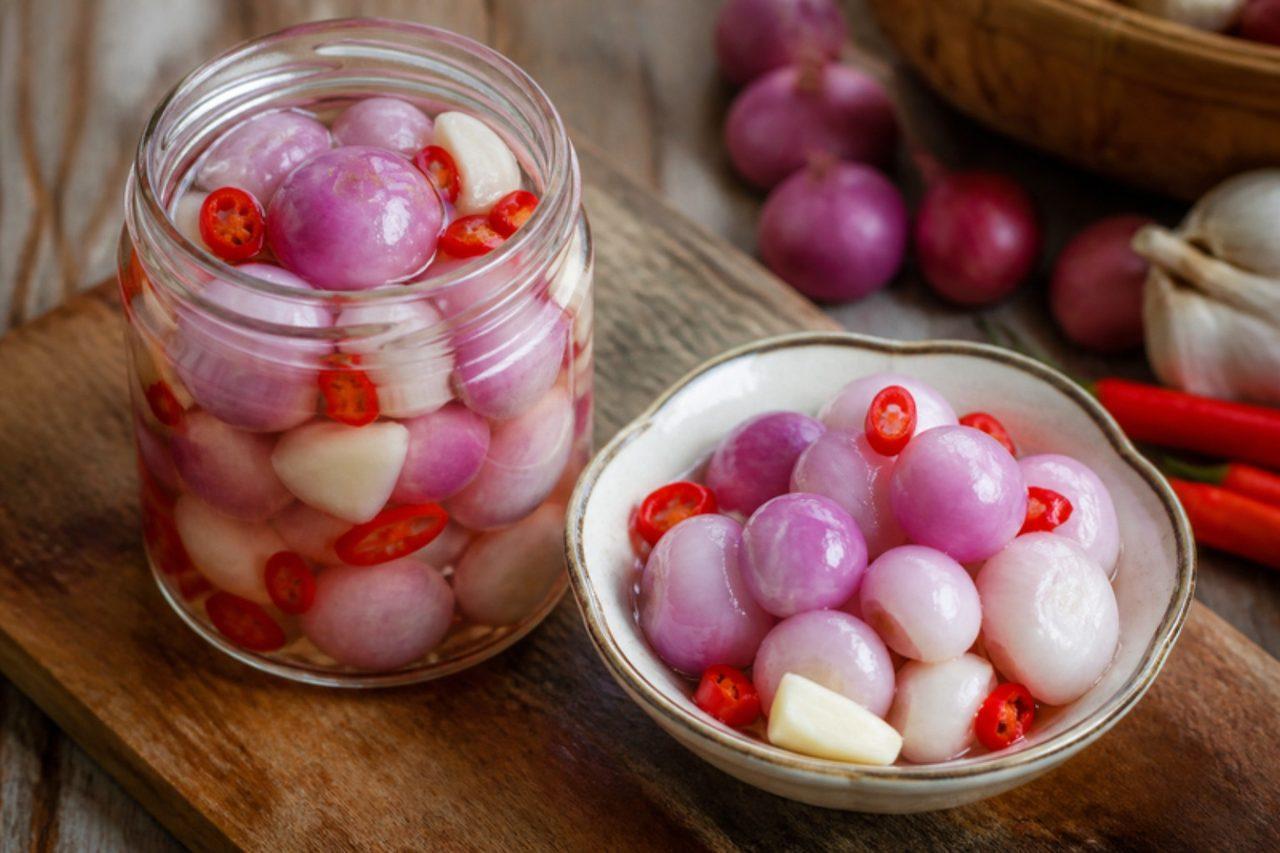
AI-generated image
Dưa hành (pickled shallots)
Northern-style whole shallots in a lightly fermented salt, sugar and vinegar brine, sharp and crunchy



In northern Vietnam the saying goes that fatty pork, pickled shallots and red couplets make Tết, and dưa hành is that pickled shallot. It is not the same thing as southern củ kiệu: kiệu are slim scallion bulbs pickled sweet and mild, while dưa hành uses round purple shallots (hành tím) that sit in a salty brine for a few days, turning faintly sour, crunchy and pleasantly pungent. Their bite cuts through sticky bánh chưng, pork in aspic and pressed pork rolls, which is exactly why every northern family makes a jar. Chef's tip: soak the unpeeled shallots in warm water first; the skins then slip off in seconds and your eyes stay dry.
- Total time
- 30 min
- Difficulty
- easy
- Serves
- 10
Ingredients
For the shallots
- 1 ⅛ lb small purple shallotseven-sized, about 2–3 cm
- 2 tbsp saltsplit between rubbing and brine
For the brine
- 2 cups water
- 3 tbsp sugar
- ½ cup rice vinegar
- 2 red chillies (optional)halved
- 4 garlic cloves (optional)peeled
Shop this recipe on Amazon
Spices & pantry
Fresh ingredients (2)
Links open Amazon in a new tab. As an Amazon Associate, WhatToEat.Today earns from qualifying purchases.
Method
0/5 doneStep 1: Soak 1 ⅛ lb small purple shallots in warm water for 10 minutes, then trim the roots and tops and peel them. Keep them whole.
15 minStep 2: Rub the peeled shallots with 1 tbsp salt and leave for 30 minutes (overnight is traditional) until they soften slightly and release liquid, then rinse and drain well.
5 minStep 3: Bring 2 cups water, 1 tbsp salt and 3 tbsp sugar to the boil, stir until dissolved, then take off the heat and stir in ½ cup rice vinegar. Cool completely.
5 minStep 4: Pack the shallots into a clean, scalded glass jar with 2 red chillies and 4 garlic cloves, and pour over the cooled brine so everything is covered; weigh down with a small saucer or zip bag of water. Common mistake: leaving shallots poking above the brine, where they discolour and can grow mould.
5 minStep 5: Close loosely and leave in a cool place for 2–3 days, until the shallots turn ivory, the brine looks slightly cloudy and they taste pleasantly sour. Then keep in the fridge and eat within 1 month; throw away the batch if it turns slimy or mouldy.
0 min
Nutrition per serving
- Calories
- 35 kcal
- Protein
- 1 g
- Carbs
- 8 g
- Fat
- 0 g
- Fibre
- 1 g
Nutrition values are estimates.
KrazyBadal
Good to know
- How long does dưa hành (pickled shallots) take?
- About 30 minutes in total: 25 minutes to prepare and 5 minutes to cook.
- How many people does it serve?
- 10 as written. Change the servings above the ingredients and every amount scales to match.
- Is it vegan?
- Yes. It has no meat, fish, dairy or eggs.
- Is it gluten free?
- Yes, as written. Check the labels on stock, sauces and spice mixes, which sometimes contain gluten.
- Can I make it ahead?
- Yes. It keeps well, so you can cook it earlier in the day or the day before and reheat it.
- What can I use instead of small purple shallots?
- Half an onion per 2 shallots.
- What can I use instead of sugar?
- Caster sugar, same amount.
Reviews
No reviews yet. Be the first to cook it.
Rate this recipe
Sign in to rate and review this recipe.
You might also like

Caramelised clay-pot tofu and mushroomsBraised tofu and mushrooms
Kho is the slow braise of the Mekong Delta: food simmered in a little clay pot (nồi đất) with dark caramel and seasoning until the sauce is sticky and the flavours go deep. This vegetarian cousin of cá kho tộ (braised fish) uses golden tofu and meaty mushrooms in place of fish, cooked in coconut water, as cooks do in the south, and finished with plenty of black pepper. Serve it bubbling in its pot with steamed rice and a sour soup or plain boiled vegetables. Chef's tip: take the caramel (nước màu) to a deep mahogany, darker than you think, just before it smokes; pale caramel only tastes sweet, while dark caramel gives the bittersweet, smoky flavour of a real kho.

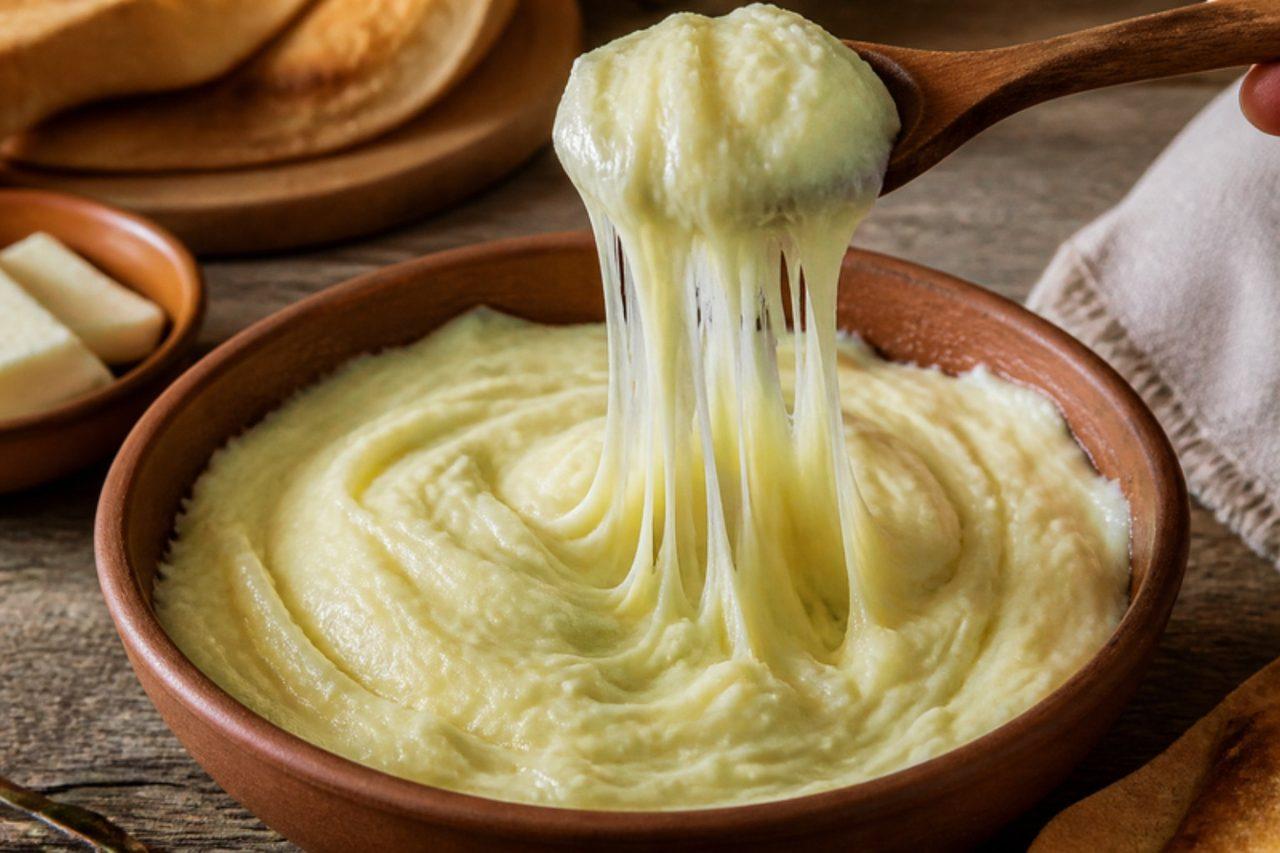
TashmijabiMashed potatoes with stretchy cheese
Potatoes grow well in the cold valleys of Svaneti, and tashmijabi is how families around Mestia turn them into a feast dish: they are mashed hot, then beaten with handfuls of young sulguni until the purée becomes glossy and stretches from the spoon in long strands. It is served with grilled meat, kubdari or simply with pickles and Svan salt. A common mistake is letting the potatoes cool before adding the cheese; they must be piping hot for the cheese to melt and stretch. Chef's tip: keep the pan on a low heat while you beat, and use a firm wooden spoon. Most sulguni uses animal rennet; choose a vegetarian one or use mozzarella.
 Georgian

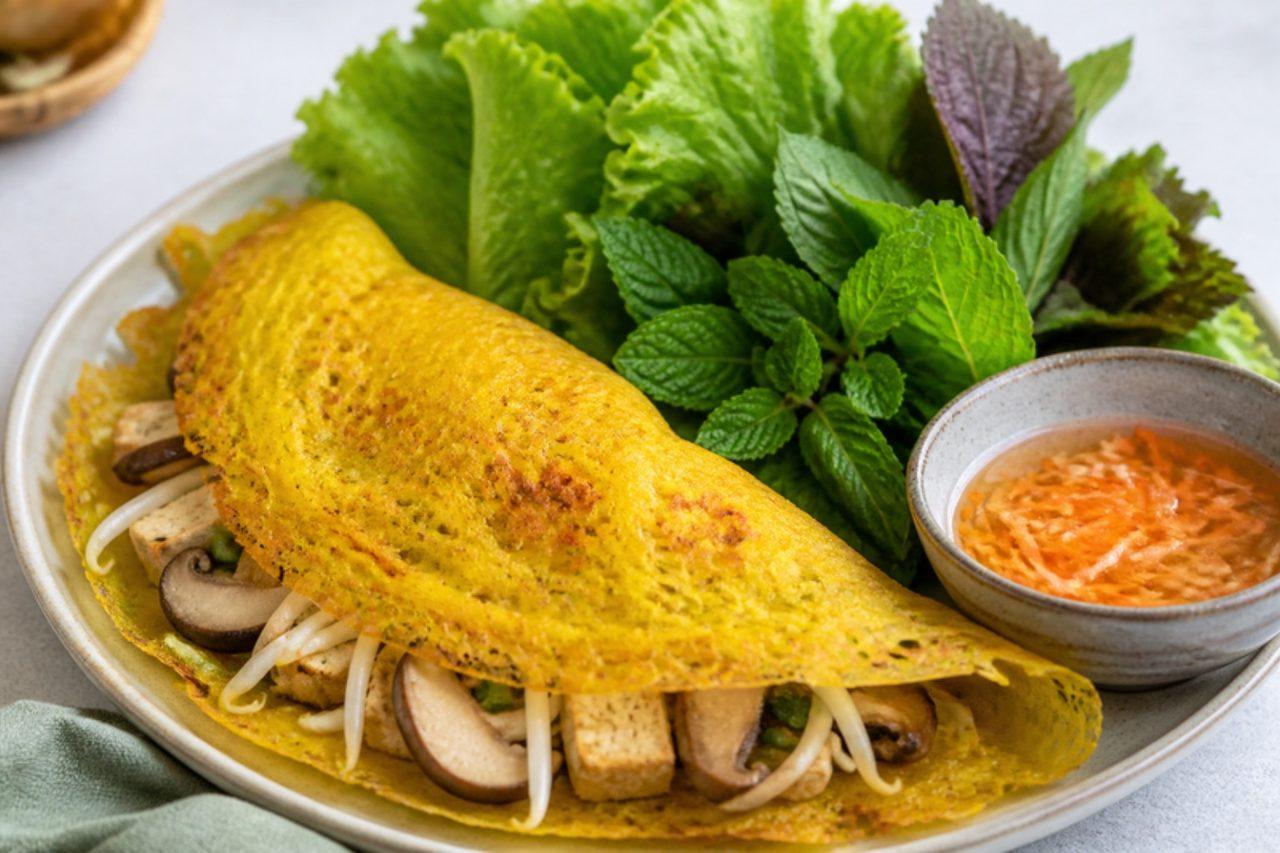
Vegetarian banh xeoCrisp turmeric coconut pancakes
Bánh xèo, named for the loud sizzle (xèo) of the batter hitting the hot pan, are the big, crisp, golden pancakes of the Mekong Delta, made with rice flour, turmeric and coconut milk. This vegetarian version is filled with mushrooms, tofu and bean sprouts. You tear off a piece, wrap it in a lettuce or mustard leaf with mint, perilla and Thai basil, and dip it in nước chấm. It is a fun, hands-on meal for an evening with friends. Chef's tip: swirl the batter thinly into a really hot pan, cover for just a minute to steam the filling, then uncover and be patient: the pancake is only ready when the edges are lacy and brown and it lifts away by itself.
Perfect for:Lunar New Year