
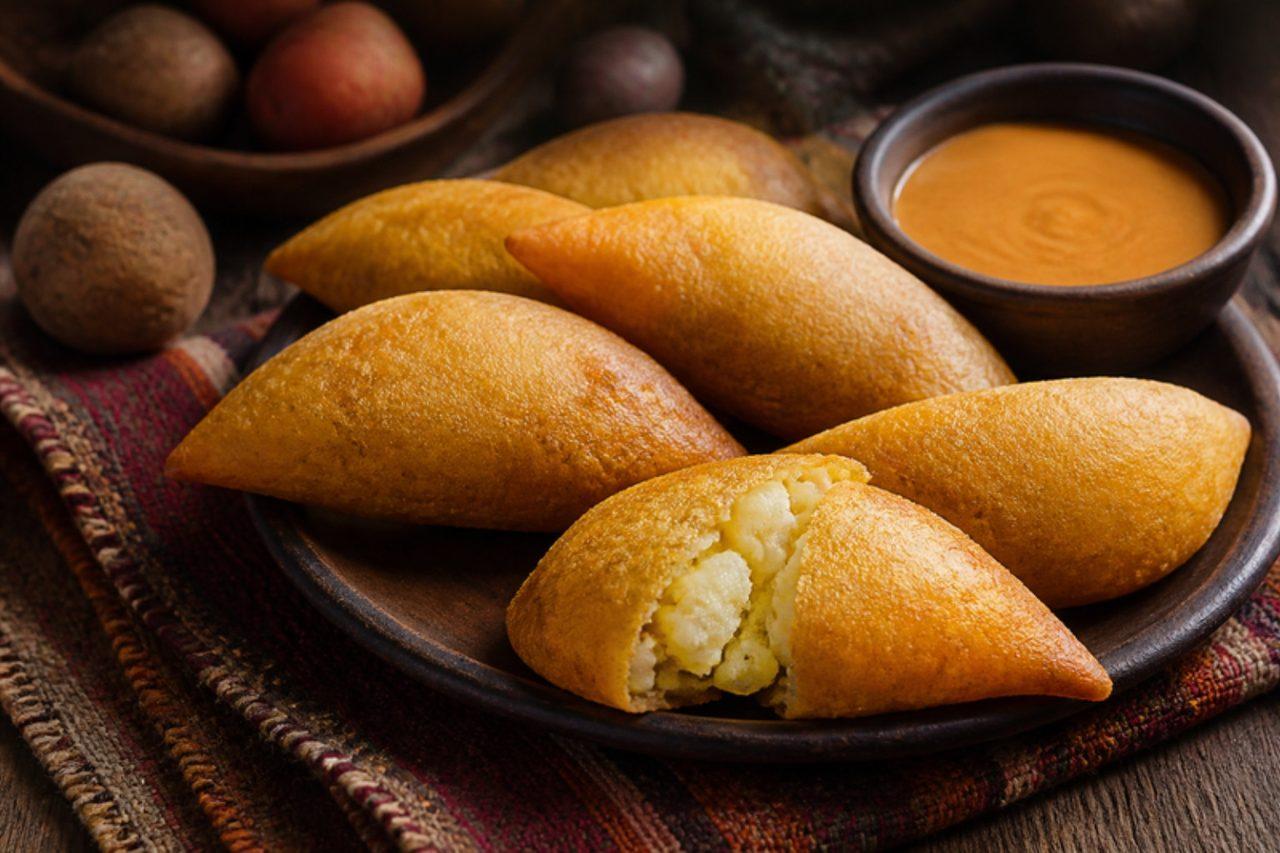
AI-generated image
Empanadas de añejo
Empanadas de añejo: Pasto's fried empanadas of soured corn dough with potato and cheese


Pasto cafés and street stalls fry empanadas de añejo all morning, and the name gives away the secret: añejo means aged, and the corn dough is left to sour slightly before shaping. That gentle fermentation gives a light, crackly shell with a faint tang that sets them apart from the empanadas of the rest of Colombia. The filling here is the meat-free version Nariño cooks also make, potato stewed with spring onion and achiote and mixed with fresh cheese, and they go to the table with a peanut ají and a coffee. Plan for 24 hours of fermenting. Queso fresco is usually set with animal rennet, so use a vegetarian (microbial-rennet) cheese if needed. Thick dough is the misstep that makes them heavy and greasy; press it thin enough to see light through. Chef's tip: ferment in a cool spot (no warmer than 22 °C), covered, for no more than 24 hours, then chill the dough until you shape it.
- Total time
- 110 min
- Difficulty
- hard
- Serves
- 6
Ingredients
For the dough
For the filling
For frying
For the peanut ají
Shop this recipe on Amazon
What you'll need
Spices & pantry
Fresh ingredients (6)
Links open Amazon in a new tab. As an Amazon Associate, WhatToEat.Today earns from qualifying purchases.
Method
0/11 doneStep 1: A day ahead, mix 14 oz yellow precooked corn flour (masarepa), 2 cups warm water, 1 tsp sugar, 1 tsp salt and ½ tsp ground annatto (achiote) in a clean bowl and knead for 3 minutes, until smooth and soft.
3 minStep 2: Cover with a clean cloth and leave in a cool spot (no warmer than 72°F) for 24 hours, until it smells slightly sour, like sourdough. Then cover tightly and refrigerate until needed, up to 1 day more.
Step 3: For the filling, boil 16 oz yellow potatoes in salted water for 8–10 minutes, until just tender, and drain.
9 minStep 4: Heat 2 tbsp sunflower oil in a frying pan over a medium heat. Fry 3 spring onions for 3 minutes, then add 1 tomato, ¼ tsp ground cumin and ½ tsp salt and cook for 5 minutes, until thick and jammy.
8 minStep 5: Fold in the potato, crushing a few pieces so it holds together. Cool for 15 minutes, then stir in 5 ½ oz queso fresco.
15 minStep 6: Knead the dough again for 1 minute, adding a splash of water if it cracks. Divide into 24 balls the size of a walnut.
Step 7: Place a ball between two sheets of plastic cut from a freezer bag and press with a flat plate into a 12 cm round, very thin.
Step 8: Peel off the top sheet, put a heaped teaspoon of filling in the centre, fold over using the plastic and press the edges with the rim of a glass to seal and trim. Repeat with the rest.
Step 9: Heat 4 ¼ cups sunflower oil in a deep pan to 350°F. Fry 4–5 empanadas at a time for 3–4 minutes, turning, until crisp and golden. Drain on kitchen paper.
20 minStep 10: For the ají, blend 2 ⅛ oz roasted unsalted peanuts with ½ cup water, 1 hot red chilli and ½ tsp salt until coarse. Stir in 1 spring onion and 2 tbsp fresh coriander.
Step 11: Serve the empanadas hot with the peanut ají to spoon into each bite.
Nutrition per serving
- Calories
- 520 kcal
- Protein
- 12 g
- Carbs
- 60 g
- Fat
- 26 g
- Fibre
- 6 g
Nutrition values are estimates.
KrazyBadal
Good to know
- How long does empanadas de añejo take?
- About 110 minutes in total: 60 minutes to prepare and 50 minutes to cook.
- How many people does it serve?
- 6 as written. Change the servings above the ingredients and every amount scales to match.
- Is it vegetarian?
- Yes. It has no meat or fish.
- Is it gluten free?
- Yes, as written. Check the labels on stock, sauces and spice mixes, which sometimes contain gluten.
- What can I use instead of sugar?
- Caster sugar, same amount.
- What can I use instead of yellow potatoes?
- Sweet potato, same weight (sweeter, cooks a little faster).
Reviews
No reviews yet. Be the first to cook it.
Rate this recipe
Sign in to rate and review this recipe.
You might also like
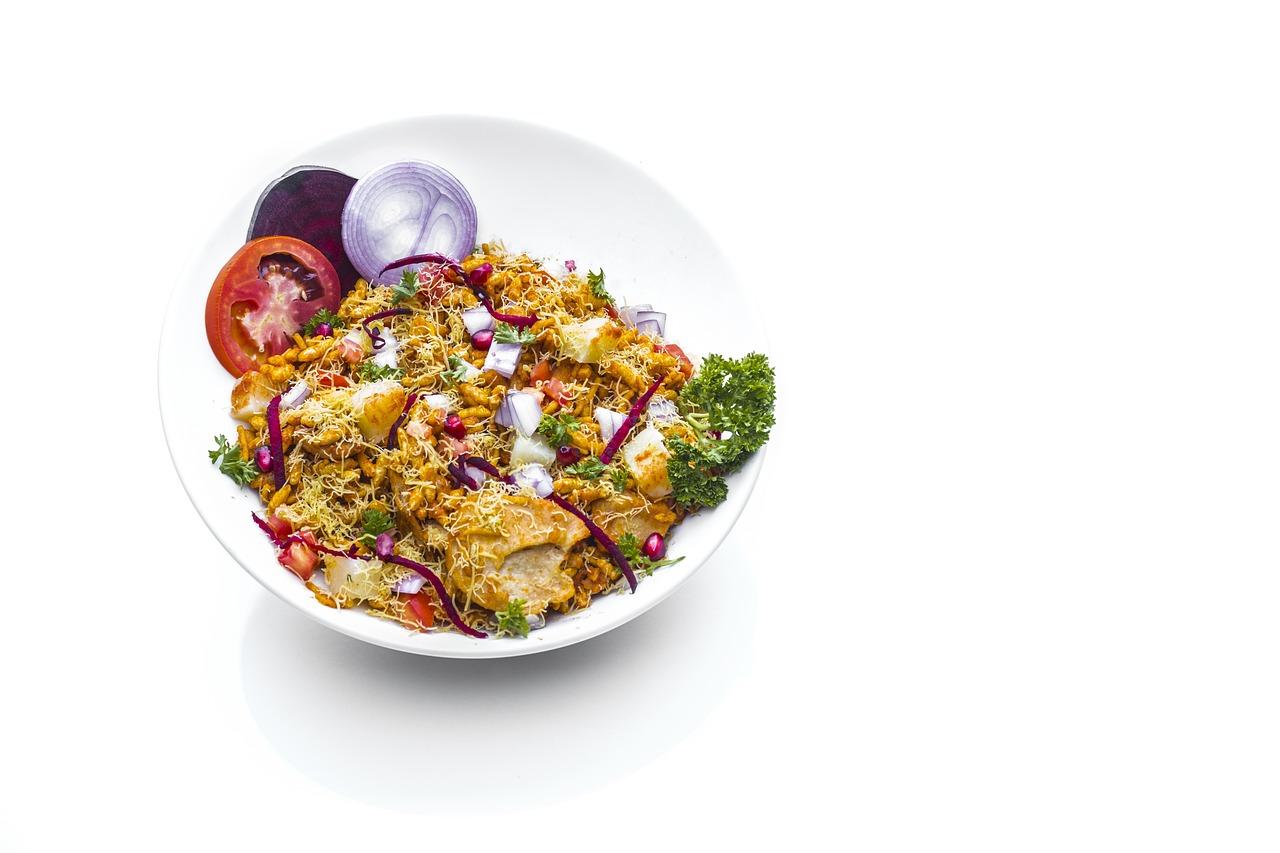
Coastal Mombasa mix
A Mombasa street-food bowl: chickpeas and potato simmered in coconut milk with raw mango and chilli, ladled into small bowls and topped with crisp lentil fritters, crunchy chevdo and red, green and tamarind chutneys. Make the fritters and chevdo ahead and assemble at the table. It's sweet, sour, hot and crunchy all at once.

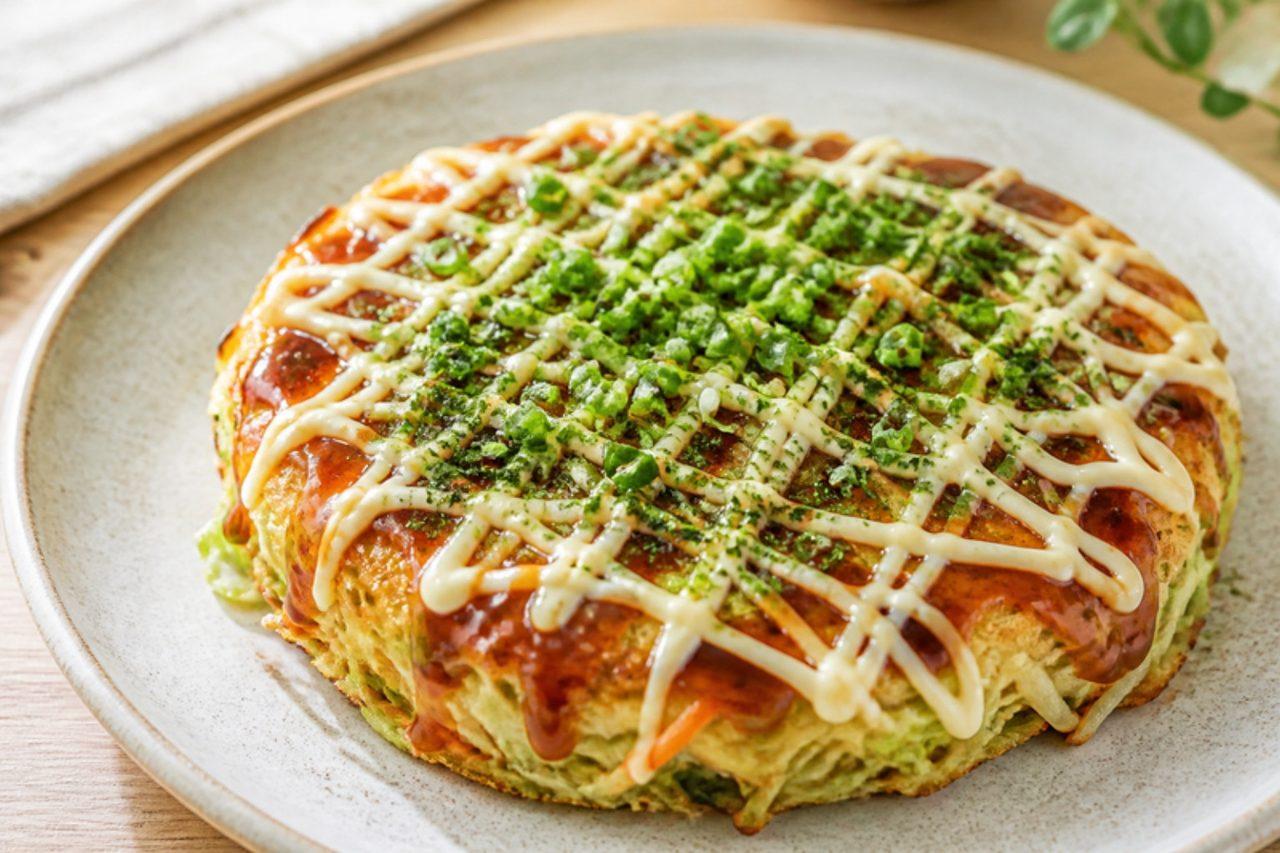
Okonomiyaki
Okonomiyaki (お好み焼き, 'grilled as you like it') is the pride of Osaka, where it's cooked on hot iron griddles in lively restaurants. Finely shredded cabbage is folded into a light batter with egg and spring onion, then fried into a thick, soft pancake with a crisp outside. It's painted with a fruity brown sauce and zigzagged with mayonnaise. Bonito flakes are usual on top; this vegetarian version uses seaweed flakes and pickled ginger instead. Chef's tip: don't press the pancake down with your spatula while it cooks. Osaka cooks leave it alone so the cabbage steams inside and stays light and fluffy; pressing squeezes out the air.
 Japanese

Masala khakhra
Khakhra are thin chapaties roasted slowly on a griddle until they turn crisp, like a cracker. This masala version adds gram flour, fresh fenugreek, turmeric and chilli to the wheat dough. They are a light Gujarati breakfast or tea-time snack, and lovely with pickle, chutney or a smear of butter. You can also make them in a roti maker.
 Indian
