

AI-generated image
Escabeche de pescado
Fried fish in sweet-sour onion sauce
Escabeche de pescado: crisp fried fish under a sweet-sour blanket of red onion, ají amarillo and vinegar, served cold with egg and olives


In Lima, escabeche de pescado belongs to the criollo kitchen of the old city: it turns up on Friday lunch menus, on buffet tables, and above all in Lent and Holy Week, when families eat fish and this dish can be made the day before. Fish is fried until golden, then covered in a warm sauce of thick-cut red onion softened in oil with garlic, ají amarillo, ají panca, cumin and vinegar, and left to cool so the flavours soak in. It is served cold or at room temperature with boiled sweet potato, hard-boiled egg and purple botija olives. It tastes tangy, sweet and gently fruity-hot, with crunchy onion over tender fish. The fish here is fully cooked, but because it is a cold seafood dish, pregnant people, babies, older people and anyone with weak immunity should eat it well chilled and within 2 days. Common mistake: stewing the onions until limp; they should only lose their raw bite. It is ready when the sauce has soaked a little into the fish and smells of vinegar and toasted chilli. Chef's tip: use thick fillets of corvina or bonito; thin fillets break under the sauce.
- Total time
- 50 min
- Difficulty
- medium
- Serves
- 4
Ingredients
For the fish
- 1 ⅓ lb firm white fish filletscorvina, cojinova, bonito or sea bass, cut into 4 thick pieces
- 1 tsp salt
- ½ tsp ground black pepper
- 1 ¾ oz rice flourLima cooks use wheat flour; rice flour keeps it gluten free
- ¾ cup vegetable oil
For the escabeche
- 3 red onionscut into thick 1 cm strips
- 3 garlic clovescrushed
- 2 tbsp ají amarillo paste
- 1 tbsp ají panca paste
- ½ tsp ground cumin
- 1 tsp dried oregano
- 1 bay leaf
- ½ cup red wine vinegarat least 5% acidity
- ¼ cup water
- 1 tsp sugar
- ½ tsp salt
- 1 fresh ají amarillo or yellow chilli (optional)seeded and cut into strips
To serve
- 2 sweet potatoesboiled and sliced
- 2 eggshard-boiled and quartered
- 8 botija olivesor Kalamata olives
- 4 lettuce leaves (optional)
Shop this recipe on Amazon
Spices & pantry
Fresh ingredients (5)
Links open Amazon in a new tab. As an Amazon Associate, WhatToEat.Today earns from qualifying purchases.
Method
0/8 doneStep 1: Pat the 1 ⅓ lb firm white fish fillets dry, season with 1 tsp salt and ½ tsp ground black pepper and dust lightly in 1 ¾ oz rice flour, shaking off the excess.
5 minStep 2: Heat ¾ cup vegetable oil in a wide frying pan over a medium-high heat until a pinch of flour sizzles at once. Fry the fish until deep golden underneath, 3–4 minutes.
4 minStep 3: Turn and fry the second side until golden and the flesh flakes at the thickest point, 3 minutes. Lay the fish in a single layer in a glass or ceramic dish.
3 minStep 4: Pour off all but 3 tbsp of the oil. Over a medium heat, cook 3 garlic cloves for 30 seconds until fragrant, then stir in 2 tbsp ají amarillo paste, 1 tbsp ají panca paste, ½ tsp ground cumin and 1 tsp dried oregano and fry until the paste darkens and smells toasty, 2 minutes.
3 minStep 5: Add 3 red onions and 1 bay leaf and toss over a medium-high heat until the onions are glossy and just softened at the edges but still crunchy, 3 minutes.
3 minStep 6: Pour in ½ cup red wine vinegar and ¼ cup water, add 1 tsp sugar, ½ tsp salt and 1 fresh ají amarillo or yellow chilli if using, and boil until the sharp vinegar smell softens, 2 minutes. Taste: it should be tart, slightly sweet and well salted.
2 minStep 7: Spoon the hot escabeche over the fish to cover it completely. Cool to room temperature, about 30 minutes, then cover and chill at least 2 hours or overnight.
5 minStep 8: Serve cold or slightly cool with 2 sweet potatoes, 2 eggs, 8 botija olives and 4 lettuce leaves if using. Keep leftovers in the fridge and eat within 2–3 days (2 for vulnerable eaters); discard if it smells off or turns slimy.
Nutrition per serving
- Calories
- 480 kcal
- Protein
- 33 g
- Carbs
- 38 g
- Fat
- 22 g
- Fibre
- 5 g
Nutrition values are estimates.
KrazyBadal
Good to know
- How long does escabeche de pescado take?
- About 50 minutes in total: 25 minutes to prepare and 25 minutes to cook.
- How many people does it serve?
- 4 as written. Change the servings above the ingredients and every amount scales to match.
- Is it gluten free?
- Yes, as written. Check the labels on stock, sauces and spice mixes, which sometimes contain gluten.
- Can I make it ahead?
- Yes. It keeps well, so you can cook it earlier in the day or the day before and reheat it.
- What can I use instead of ground black pepper?
- Black peppercorns, freshly ground, same amount.
- What can I use instead of red onions?
- White onion or shallots, same amount (soak raw onion in cold water for 10 minutes to soften it).
Reviews
No reviews yet. Be the first to cook it.
Rate this recipe
Sign in to rate and review this recipe.
You might also like
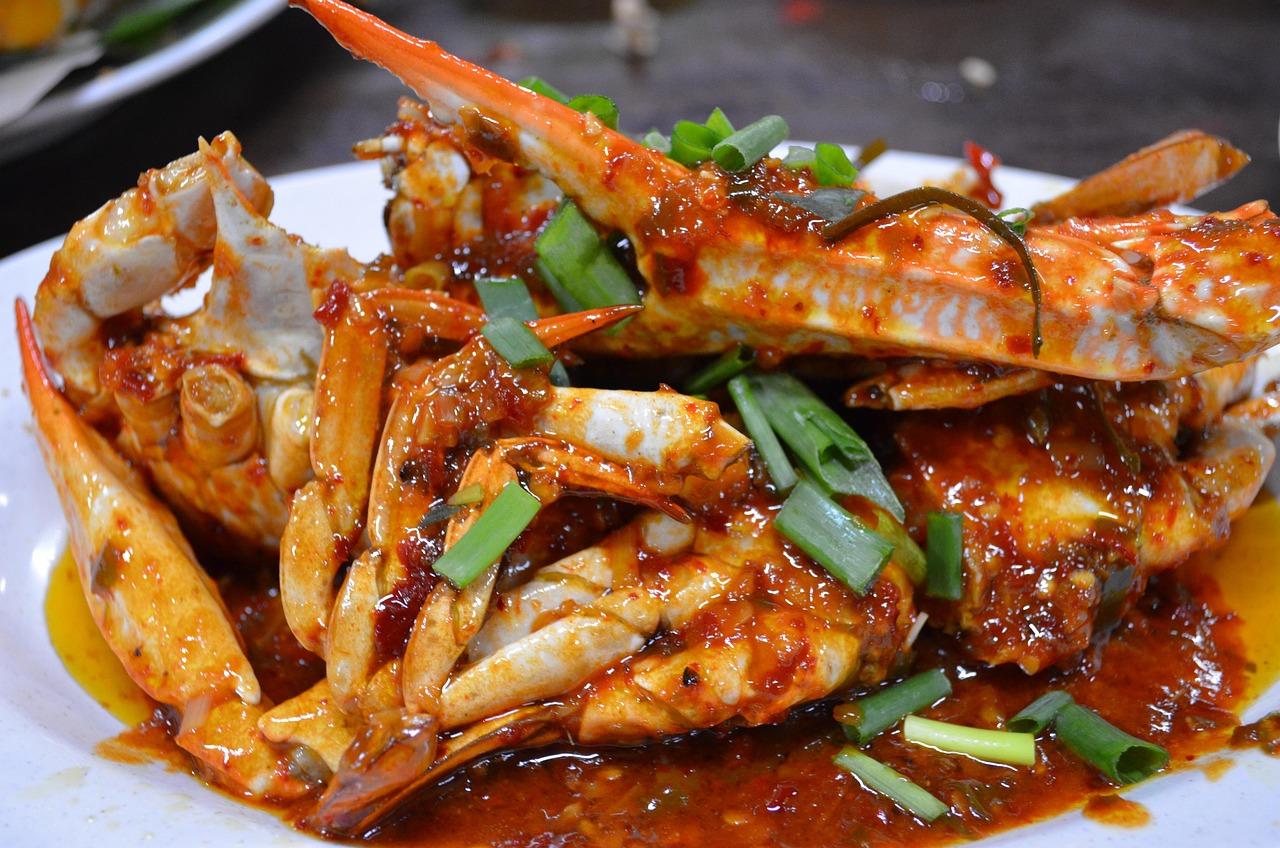
Singapore chilli crab
Chilli crab was first sold from a pushcart on the Kallang river in the 1950s and is now the dish visitors queue for along Singapore's East Coast seafood strip. Big mud crabs are cut up, wok-fried and simmered in a thick, sweet, tangy and gently hot sauce of chilli, tomato and garlic, which is then silked with beaten egg. Everyone eats with their hands and mops up the sauce with fried or steamed mantou buns. It is a weekend or celebration meal, messy and loud. Buy crabs live or freshly cooked the same day from a fishmonger you trust. Discard any live crab that doesn't move, smells of ammonia or has a cracked, leaking shell. The common mistake is boiling the sauce after adding the egg, which scrambles it into lumps; pour it in a thin stream over a low heat. Chef's tip: ask the fishmonger to clean and quarter the crab for you, and crack each claw lightly with the back of a cleaver so the sauce soaks in.
 Singaporean

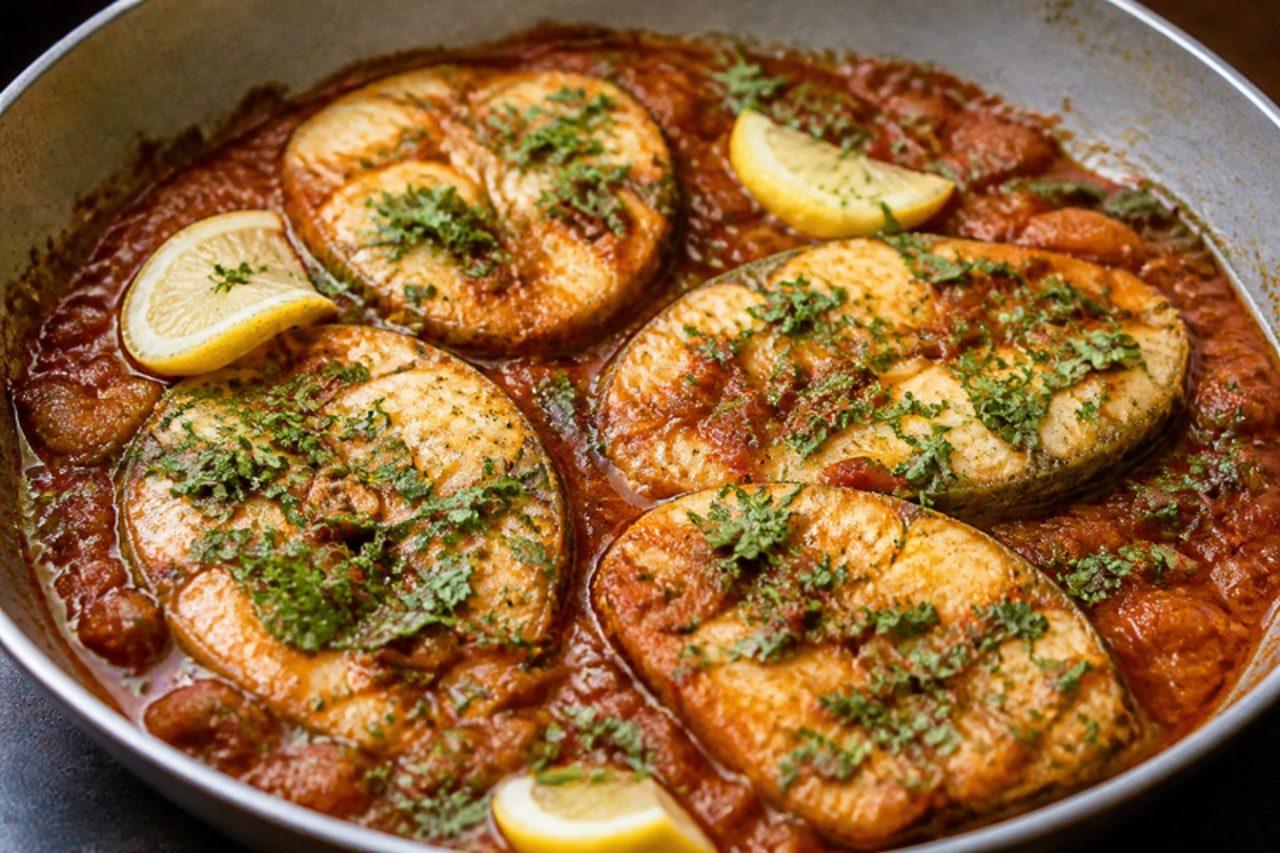
ChraimeFish in spicy garlic paprika sauce
Friday night in Moroccan and Libyan Jewish homes, from Casablanca to Tripoli and now Paris and Tel Aviv, often begins with a plate of chraime before the main course. Thick fish steaks simmer in a brick-red sauce built from a frightening amount of garlic, sweet and hot paprika, chilli, caraway and cumin, loosened with oil and a squeeze of lemon. It is spicy, garlicky and very savoury, and the oily sauce begs to be mopped up with challah or other good bread. It is also eaten cold the next day. Chef's tip: cook the spices in the oil over a low heat until they smell toasty but not dark; burnt paprika tastes acrid and you cannot rescue it.
 Moroccan


TacachoMashed roasted green plantain balls
Tacacho is the breakfast of the Peruvian Amazon, from Tarapoto to Iquitos: green plantains roasted over coals, mashed with fat and salt and shaped into balls. There it comes with cecina (smoked pork) and is mashed with lard and crackling; this vegan tacacho uses good oil and a pinch of smoked paprika for the same savoury, smoky depth. The balls are dense, chewy and starchy, crisp at the edges where the plantain charred, and they are eaten hot with a fiery chilli sauce or alongside stews. Use plantains that are fully green and firm. Chef's tip: mash the plantains while they are still very hot; as green plantain cools its starch sets and it won't bind into a smooth ball.
