
AI-generated image
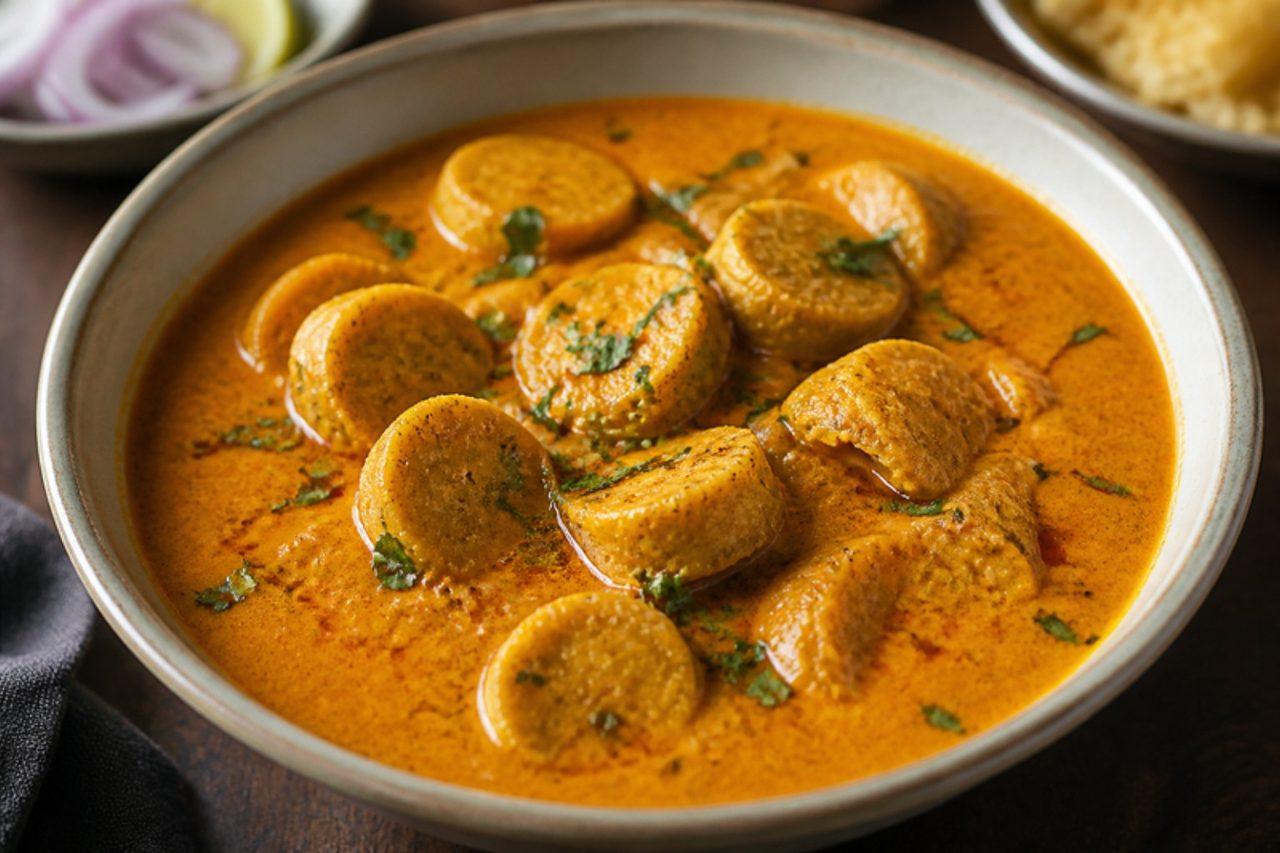
Gatte ki sabzi
Rajasthani gram flour dumplings simmered in a tangy, spiced yogurt gravy

Gatte ki sabzi comes from the deserts of Rajasthan, where fresh vegetables were scarce and cooks turned gram flour into 'vegetables' instead. Firm, spiced besan rolls are boiled, sliced into little wheels and then simmered in a tangy yogurt gravy until they soak up its flavour. The dumplings are soft but hold their shape and the gravy is gently sour with a warming heat. Serve with phulka, bajra roti or steamed rice. Chef's tip: keep the cooking water from the gatte and use it for the gravy; it carries their flavour and a little starch that helps keep the yogurt from splitting.
- Total time
- 50 min
- Difficulty
- medium
- Serves
- 4
Ingredients
For the gatte
For the gravy
Method
0/8 doneStep 1: Mix 5 ½ oz gram flour (besan), ½ tsp red chilli powder, ¼ tsp ground turmeric, ½ tsp ajwain (carom seeds) (rubbed between your palms to wake it up), ½ tsp ground coriander and ½ tsp salt. Rub in 2 tbsp vegetable oil and 2 tbsp plain yogurt, then add 3 tbsp water a spoon at a time to make a firm, smooth dough. Too soft and the gatte split in the water; too dry and they crack.
Step 2: Oil your hands and roll the dough into 4 logs about 1.5 cm thick. Bring 4 ¼ cups water to a rolling boil, slide in the logs and boil over a medium heat for 10–12 minutes. They are done when they float, look paler with tiny blisters on the surface and a skewer comes out clean.
12 minStep 3: Lift the logs out, keep the cooking water and let them cool for 5 minutes. Slice into 1.5 cm rounds. Many cooks shallow-fry the rounds until golden at this point for extra flavour; it's optional.
5 minStep 4: Whisk 9 oz plain yogurt with 1 tsp red chilli powder, 2 tsp ground coriander, ½ tsp ground turmeric and 150 ml of the gatte water until completely smooth. Mixing the spices into the yogurt first stops them burning and helps the yogurt stay stable.
Step 5: Heat 2 tbsp vegetable oil in a heavy pan over a medium heat. Add ½ tsp mustard seeds and 1 tsp cumin seeds; when the mustard crackles, add ¼ tsp asafoetida (hing) and 1 bay leaf, then 1 tbsp ginger and green chilli paste, and fry for 30–40 seconds until the raw smell is gone.
1 minStep 6: Turn the heat to low and pour in the yogurt mixture, stirring constantly in one direction. Keep stirring until it comes to a simmer; if you stop or the heat is too high, the yogurt will curdle into grains.
4 minStep 7: Add another 200 ml of gatte water, 1 tsp salt and the gatte. Simmer uncovered over a low-medium heat for 8–10 minutes, until the gravy thickens to a pouring-cream consistency and the gatte have swelled slightly and turned soft right through.
10 minStep 8: Crush 1 tsp dried fenugreek leaves (kasuri methi) between your palms over the pan and stir in ½ tsp garam masala. The gravy thickens as it stands, so loosen it with a little more gatte water before serving, scattered with 2 tbsp fresh coriander.
Nutrition per serving
- Calories
- 300 kcal
- Protein
- 12 g
- Carbs
- 25 g
- Fat
- 17 g
- Fibre
- 5 g
Nutrition values are estimates.
KrazyBadal
Good to know
- How long does gatte ki sabzi take?
- About 50 minutes in total: 20 minutes to prepare and 30 minutes to cook.
- How many people does it serve?
- 4 as written. Change the servings above the ingredients and every amount scales to match.
- Is it vegetarian?
- Yes. It has no meat or fish.
- What can I use instead of plain yogurt?
- Sour cream or buttermilk, same amount.
- What can I use instead of red chilli powder?
- Cayenne, half the amount (hotter).
Reviews
No reviews yet. Be the first to cook it.
Rate this recipe
Sign in to rate and review this recipe.
You might also like

Sayur lodeh
Sayur lodeh is everyday cooking in Central Java, made in big pots in Solo and Semarang kitchens and ladled over rice, with lontong rice cakes at Lebaran, or alongside opor and sambal goreng on festive tables. It's soupy rather than thick: a fragrant broth of coconut milk, galangal, lemongrass and lime leaf that carries chunks of aubergine, long beans, chayote and sweetcorn, plus tempeh and tofu to make it a meal. The flavour is mellow and slightly sweet, so the heat comes from sambal on the side. Chef's tip: keep the pot at a gentle simmer once the coconut milk goes in and stir now and then — a rolling boil splits the coconut milk into oily curds.



Masala khakhra
Khakhra are thin chapaties roasted slowly on a griddle until they turn crisp, like a cracker. This masala version adds gram flour, fresh fenugreek, turmeric and chilli to the wheat dough. They are a light Gujarati breakfast or tea-time snack, and lovely with pickle, chutney or a smear of butter. You can also make them in a roti maker.
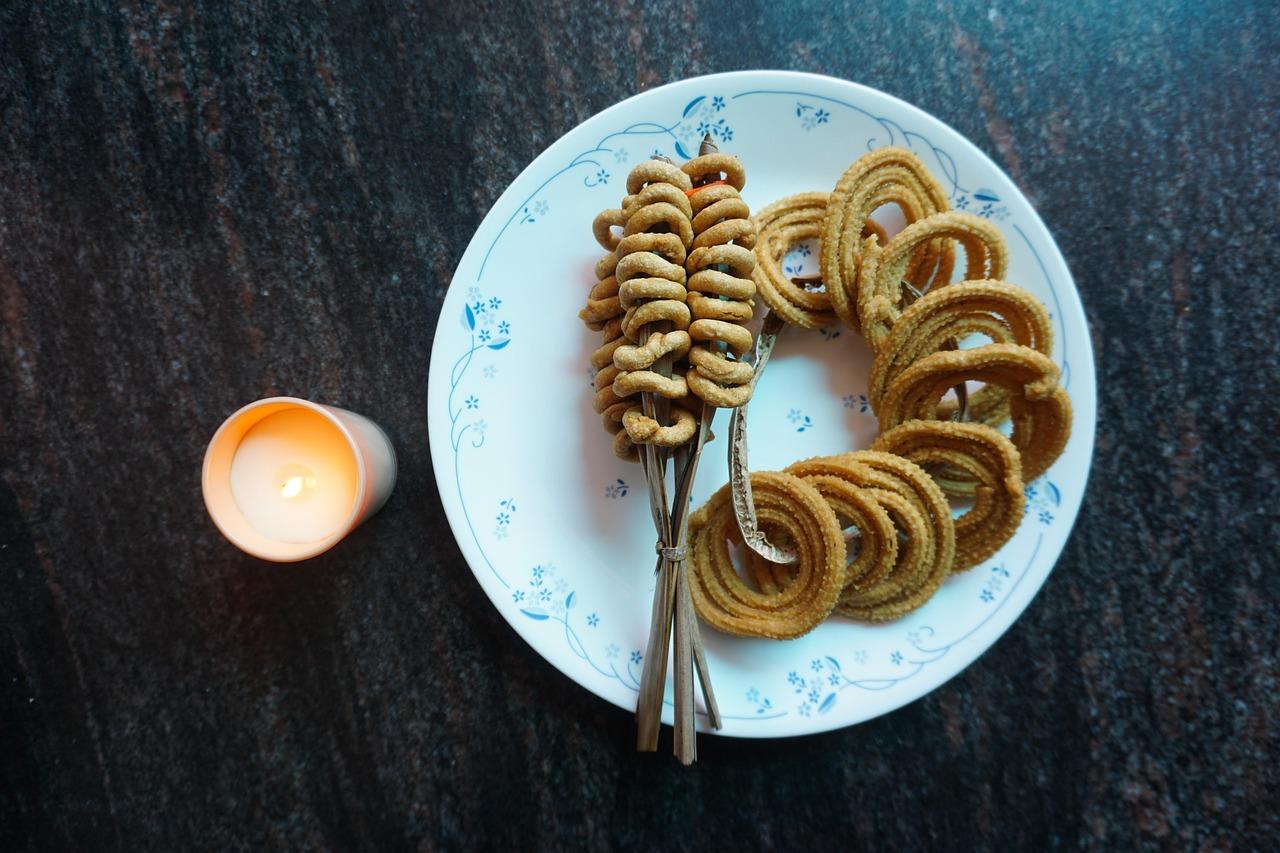
Potato chakri
Potato chakri are crisp, light spirals made with rice flour and boiled potato, flavoured with ginger, chilli, lemon, sesame and coriander. The potato makes them extra tender-crisp. They keep for about 3 weeks in an air-tight container, so make them ahead for Diwali or guests.