
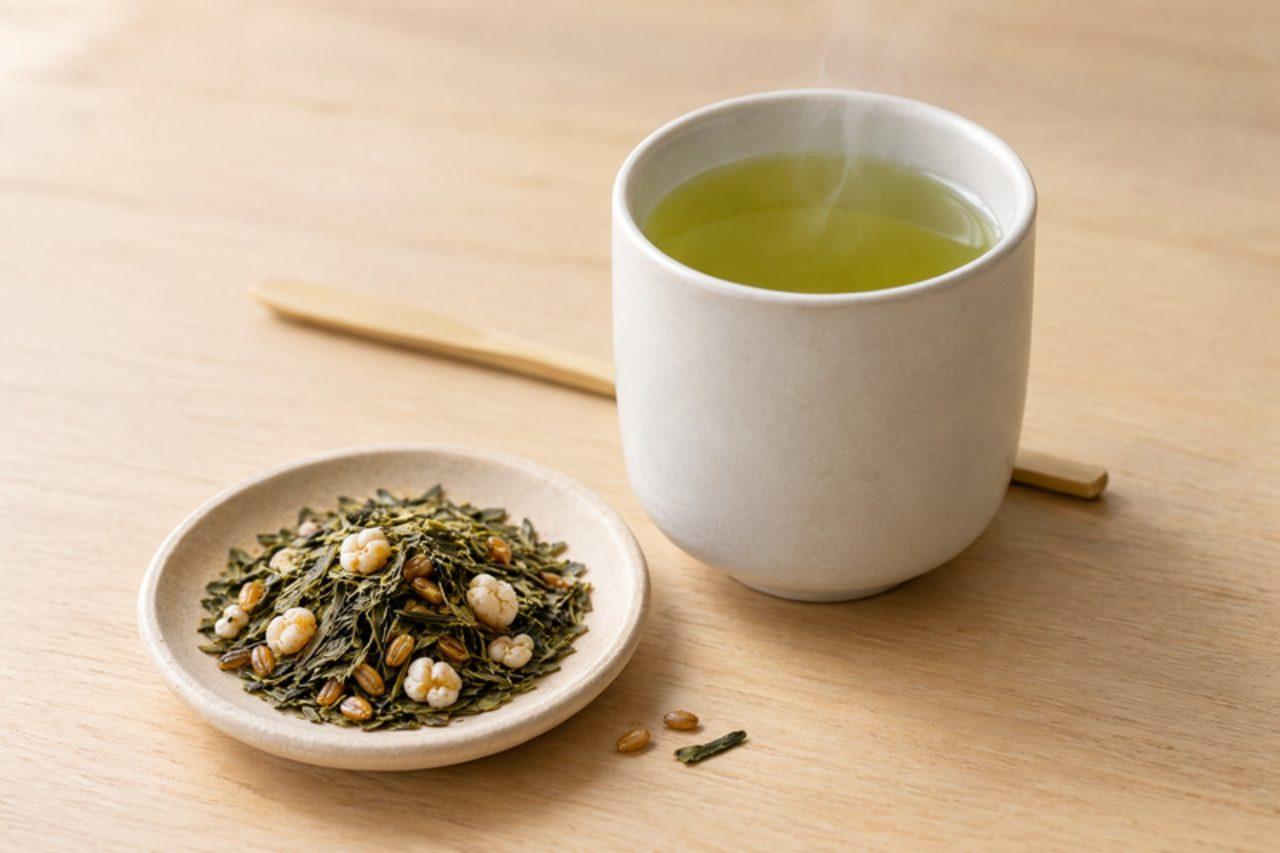
AI-generated image
Genmaicha
玄米茶: green tea mixed with toasted rice grains, some popped white, for a light, savoury cup that smells like fresh popcorn



Genmaicha started as a thrifty Japanese blend: toasted rice stretched expensive tea leaves and made the pot go further. It is now loved for itself and turns up everywhere, from office kettles in Tokyo to the free tea at sushi counters and ramen shops, poured all through the meal because its gentle, roasted flavour does not fight with soy or fish. The rice gives a nutty, savoury, almost buttery taste; the green tea adds a light grassy edge. It has about half the caffeine of plain sencha, so many people drink it in the afternoon. The usual mistake is pouring boiling water straight onto it: the green leaves scald and the cup turns bitter while the rice flavour gets lost. Let the kettle sit for a minute or two so the water is around 80–85 °C, and steep for no more than a minute. It is ready when the liquor is pale yellow-green and clear, and the steam smells of popcorn and cut grass. Chef's tip: matcha-iri genmaicha, with powdered matcha dusted over the blend, gives a greener, fuller cup; use it the same way but stir the pot once before pouring.
- Total time
- 5 min
- Difficulty
- easy
- Serves
- 2
Ingredients
For the tea
- 1 tbsp bancha or sencha green tea leavesabout 4 g; or use 2 tbsp ready-mixed genmaicha for both
- 1 tbsp toasted brown rice (genmai)about 4 g, from Japanese shops
- 1 ¾ cups water
Shop this recipe on Amazon
Spices & pantry
Links open Amazon in a new tab. As an Amazon Associate, WhatToEat.Today earns from qualifying purchases.
Method
0/4 doneStep 1: Bring 1 ¾ cups water to the boil, then let it stand off the heat for 2 minutes so it drops to about 80–185°F. Use a splash to warm the teapot and cups, then pour that away.
3 minStep 2: Mix 1 tbsp bancha or sencha green tea leaves and 1 tbsp toasted brown rice (genmai) in the warm pot.
1 minStep 3: Pour in the hot water, cover and steep for 45–60 seconds, until the liquor is pale gold-green and smells of popcorn.
1 minStep 4: Pour out completely, alternating between the cups. Add more 176°F water to the same leaves for a second pot, steeped for 30 seconds.
1 min
Nutrition per serving
- Calories
- 3 kcal
- Protein
- 0 g
- Carbs
- 1 g
- Fat
- 0 g
- Fibre
- 0 g
Nutrition values are estimates.
KrazyBadal
Good to know
- How long does genmaicha take?
- About 5 minutes in total: 2 minutes to prepare and 3 minutes to cook.
- How many people does it serve?
- 2 as written. Change the servings above the ingredients and every amount scales to match.
- Is it vegan?
- Yes. It has no meat, fish, dairy or eggs.
- Is it gluten free?
- Yes, as written. Check the labels on stock, sauces and spice mixes, which sometimes contain gluten.
- What can I use instead of toasted brown rice (genmai)?
- Any long-grain rice, same amount.
Reviews
No reviews yet. Be the first to cook it.
Rate this recipe
Sign in to rate and review this recipe.
You might also like
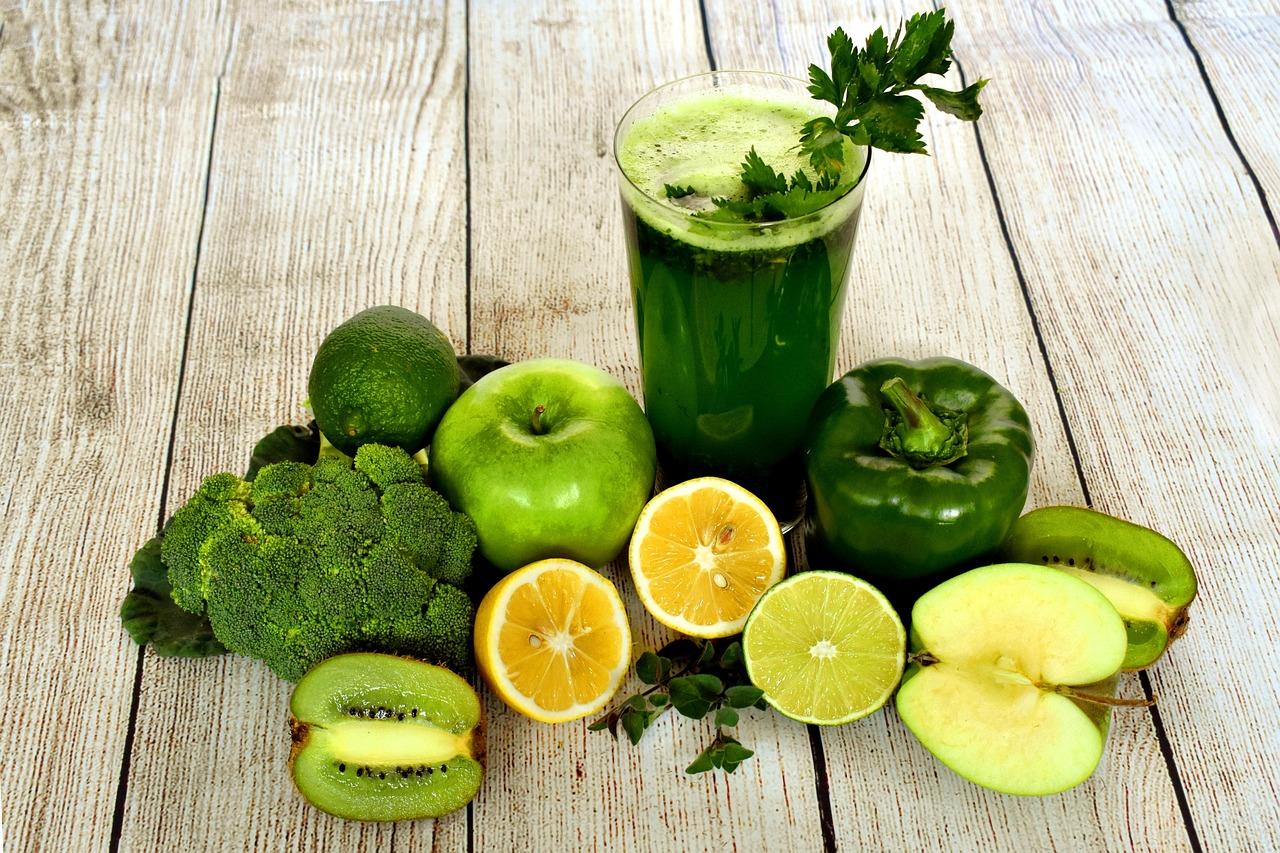
Power pack
A sweet, energising juice of apples, pears and kiwi fruit with a stick of celery, all used unpeeled for extra goodness. It's naturally sweet, so it needs no sugar. Serve well chilled.


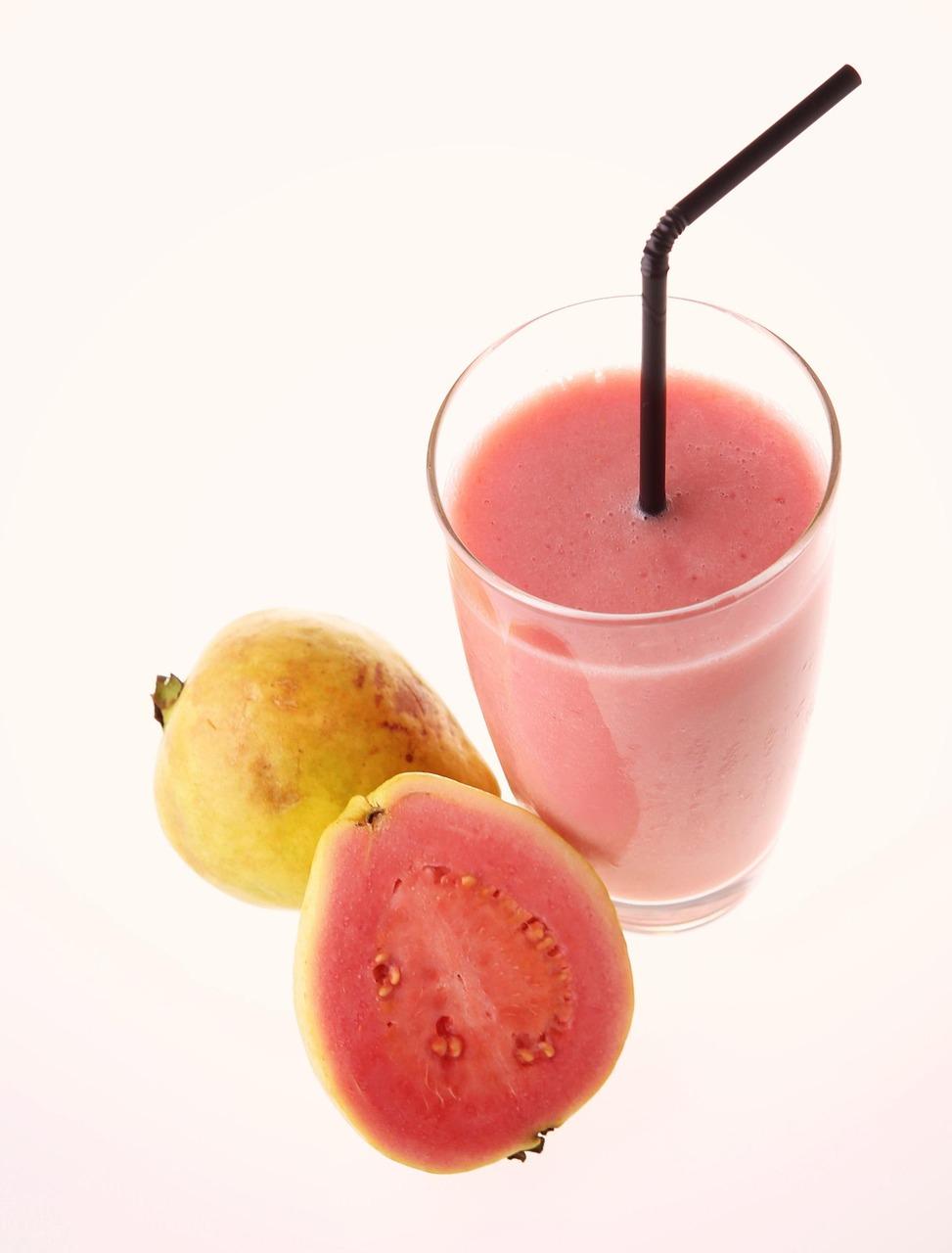
Guava delight
A thick, fragrant blend of ripe guava, mango and banana, boosted with a spoonful of guava powder from the health shop. The book calls it a modern-day vitality drink, drawing on guava's long use in traditional Indian medicine. Serve it well chilled; sieve it if you don't like the little guava seeds.

Miso soup
Miso soup (味噌汁) is drunk every day in homes all over Japan, at breakfast as well as dinner, beside a bowl of rice. The base is dashi; this vegan version uses kombu and dried shiitake instead of bonito, which gives it a deep, rounded flavour. Silken tofu and wakame seaweed are the classic fillings. It takes ten minutes; just remember not to boil the miso. Chef's tip: add the miso at the very end and never let it boil. Boiling kills the miso's fresh, fermented aroma; Japanese cooks say the soup should only 'smile', with the surface barely trembling.