
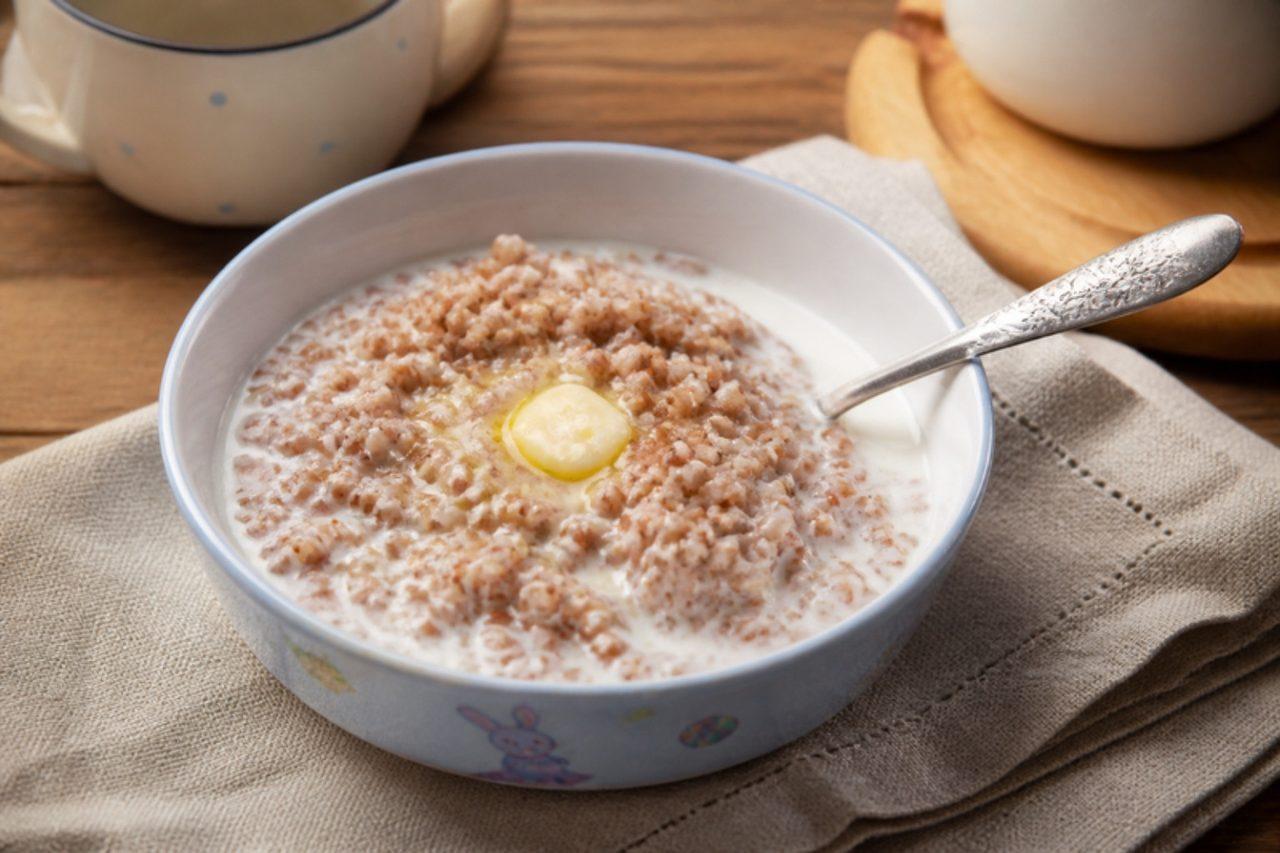
AI-generated image
Grechka s molokom (buckwheat with milk)
12m+ · Soft, nutty buckwheat groats in warm milk, a Russian children's breakfast

Grechka s molokom, buckwheat groats cooked soft and served in a bowl of warm milk with a little butter, is the breakfast or light supper that generations of Russian children have eaten at home and in nursery school. The groats are earthy and nutty and the milk makes them gentle and sweet-tasting, without any sugar. Buckwheat is naturally gluten free (despite its name); the dish contains milk and has no egg, nuts, soya, sesame or fish. Chef's tip: use toasted buckwheat (the brown kind sold for kasha), which has the rounder, nuttier flavour.
- Total time
- 25 min
- Difficulty
- easy
- Serves
- 3
Baby & toddler safety
- Age: from 12 months+.
- Allergens: contains milk. Offer one new allergen at a time, in the morning, so you can watch for a reaction.
- Texture and choking: purée or mash smoothly for 6–9 months, then soft, finger-sized pieces that squash between your fingers. Cut round foods such as grapes and cherry tomatoes into quarters lengthways, never give whole nuts, and always stay with your child while they eat.
- Under 1: no honey, no added salt or stock cubes, and no added sugar.
Every child is different. If you are unsure, especially about allergies, check with your health visitor or paediatrician.
Ingredients
- 3 ½ oz buckwheat groatstoasted (kasha)
- 1 cup water
- 1 ¼ cups whole milk
- ⅓ oz unsalted butter
Shop this recipe on Amazon
What you'll need
Spices & pantry
Fresh ingredients (2)
Links open Amazon in a new tab. As an Amazon Associate, WhatToEat.Today earns from qualifying purchases.
Method
0/5 doneStep 1: Pick over 3 ½ oz buckwheat groats for any dark husks or tiny stones, then rinse in a sieve until the water runs clear.
Step 2: Put it in a pan with 1 cup water, bring to the boil, then cover and cook over a low heat for 15–18 minutes, until all the water is absorbed and the grains are soft right through when squashed. The common mistake is lifting the lid and stirring: the grains break up and turn sticky.
18 minStep 3: Stir in ⅓ oz unsalted butter, cover and leave off the heat for 5 minutes. For a younger toddler, mash the groats lightly with a fork.
5 minStep 4: Warm 1 ¼ cups whole milk until steaming. Spoon the buckwheat into bowls, pour the milk over and cool until just warm before serving.
Step 5: Cool leftover buckwheat quickly (without the milk), cover and keep in the fridge for up to 2 days, or freeze for up to a month. Reheat with a splash of water until piping hot, add warm milk, then cool before serving.
Nutrition per serving
- Calories
- 205 kcal
- Protein
- 7 g
- Carbs
- 26 g
- Fat
- 8 g
- Fibre
- 3 g
Nutrition values are estimates.
KrazyBadal
Good to know
- How long does grechka s molokom (buckwheat with milk) take?
- About 25 minutes in total: 5 minutes to prepare and 20 minutes to cook.
- How many people does it serve?
- 3 as written. Change the servings above the ingredients and every amount scales to match.
- Is it vegetarian?
- Yes. It has no meat or fish.
- What can I use instead of whole milk?
- Semi-skimmed milk with 1 tbsp cream per 240ml (1 cup).
- What can I use instead of unsalted butter?
- The same weight of ghee or coconut oil (for frying and most baking).
Reviews
No reviews yet. Be the first to cook it.
Rate this recipe
Sign in to rate and review this recipe.
You might also like
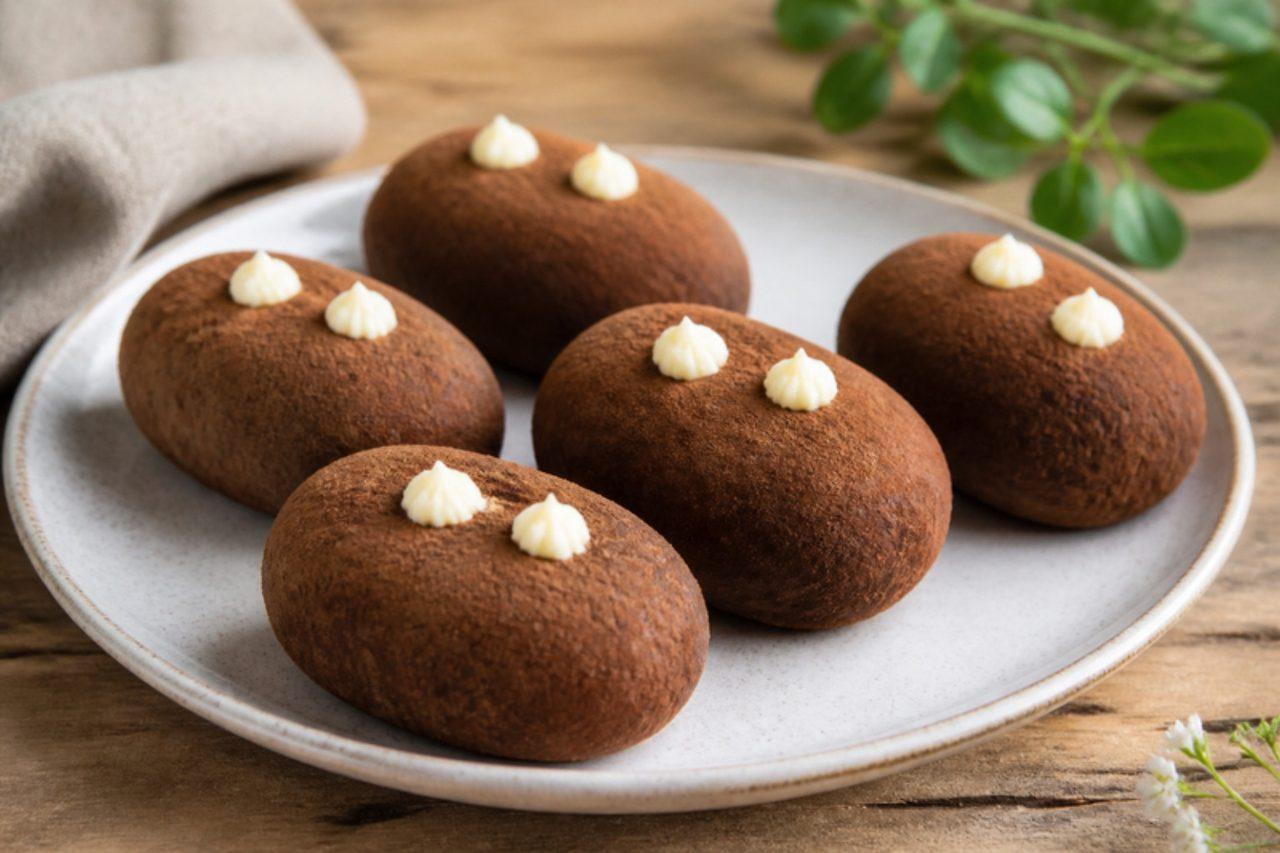
Kartoshka cakeCocoa and cake crumb truffles
Soviet cafés and school canteens sold these knobbly brown 'potatoes' for a few kopecks, and they began as a thrifty way to use up sponge and biscuit trimmings at the bakery. Crumbs are bound with butter and sweetened condensed milk, flavoured with cocoa and vanilla, shaped into little potatoes, rolled in cocoa and finished with two dabs of pale butter cream for the sprouts. They are fudgy and dense like a brownie truffle, need no oven, and children love making them. Traditional bakers added a spoonful of rum, an optional extra for adult batches only; this version is alcohol-free with vanilla. The usual slip is coarse crumbs, which make the potatoes crack, so blitz them as fine as sand. Chef's tip: chill the shaped potatoes for at least 20 minutes so they hold their shape and slice cleanly.

Sabudana khichdiSago with peanuts and potato
Sabudana khichdi is the dish that sees Maharashtra through every vrat (fast), from Navratri to Ekadashi, but it's so good that people eat it any day of the week. Soaked sago pearls are tossed in a pan with crushed roasted peanuts, cubes of potato, cumin and green chilli until each pearl turns glassy and separate, then finished with lemon and coriander. It's soft, chewy, nutty and gently hot. Fasting rules vary from family to family, so check yours; this version uses rock salt and no asafoetida, onion or garlic. Traditionally it's cooked in ghee; use ghee instead of oil if you aren't keeping it vegan. Chef's tip: soak the sago in just enough water to cover by the height of the pearls themselves, no more; too much water is the reason khichdi turns into one sticky lump.
 Indian


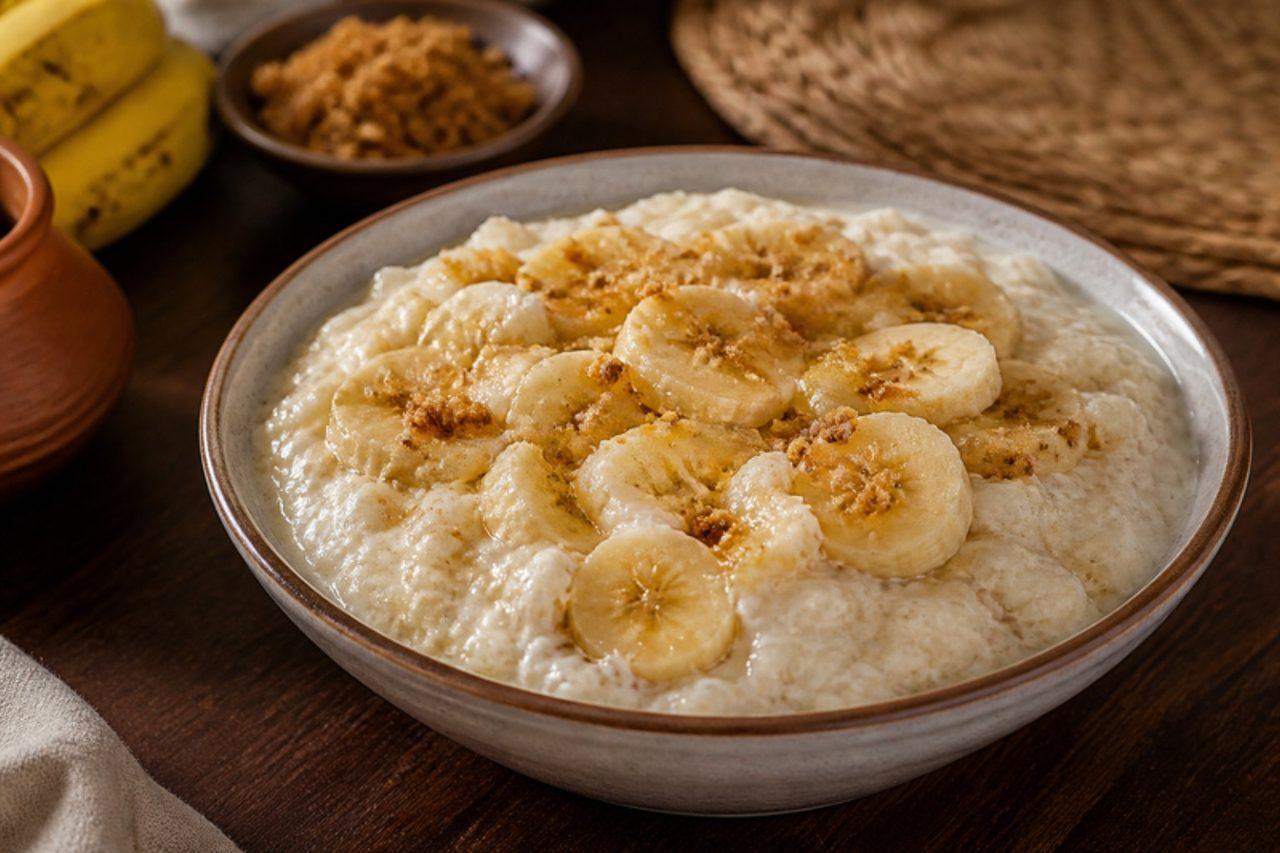
Doi chiraFlattened rice with curd
Nothing is cooked for doi chira, which is why it has been the breakfast of farmers and fishermen in Barisal for generations: flattened rice is rinsed, softened in thick, slightly sour curd and sweetened with jaggery or sugar, then mashed together with a ripe banana. The texture is soft and creamy with a little chew from the rice flakes, and the taste is cool, sweet and tangy. It is eaten on hot summer mornings, at village fairs and as part of the Pohela Boishakh spread, and it is a favourite of children and of anyone fasting who wants something gentle. The usual misstep is soaking the chira for too long, which turns it to paste; a quick rinse is all it needs before the curd does the rest. Chef's tip: use thick-cut chira, not the thin kind for frying, so the flakes hold their shape.
 Bangladeshi