
AI-generated image
Halo-halo
Shaved ice dessert
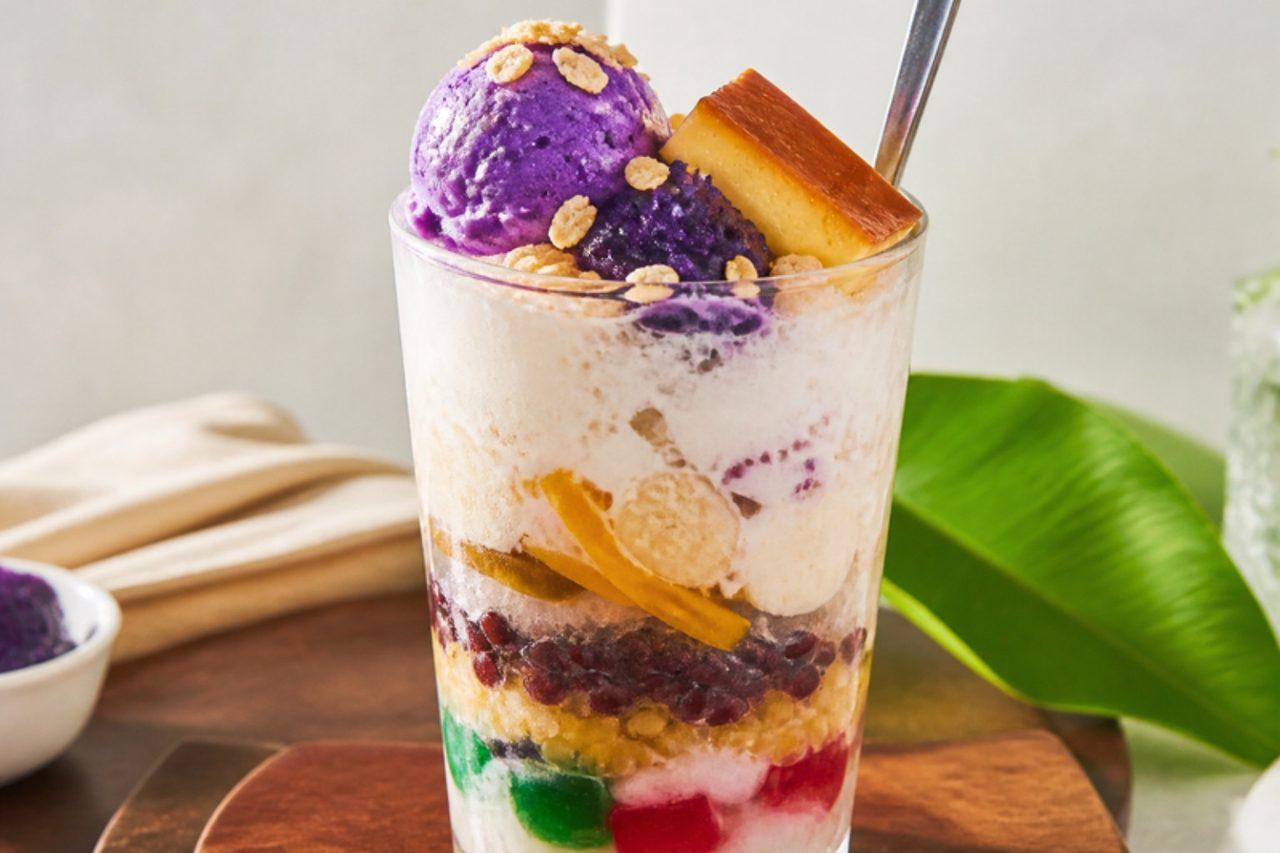
Filipino shaved ice layered with sweet beans, fruit, jelly, ube and evaporated milk

Halo-halo ('mix-mix') is what the Philippines eats through the hot dry months of March to May, bought from roadside stalls and snack shops and eaten slowly with a long spoon in a tall glass. Sweetened beans and chickpeas, banana cooked in brown sugar, jackfruit, nata de coco and sugar-palm fruit go in first, then a mountain of finely shaved ice, a splash of evaporated milk and a crown of ube halaya, a slice of leche flan or a scoop of ube ice cream, with crunchy pinipig (toasted pounded rice) on top. Unlike Malaysian ais kacang, there's no syrup over the ice: the sweetness comes from the layers and the milk. You stir everything together before eating. Chef's tip: chill the glasses and the toppings first so the ice doesn't melt before you have finished building.
- Total time
- 30 min
- Difficulty
- medium
- Serves
- 4
Ingredients
For the sweet bananas
- 2 saba or plantain bananasripe, sliced 1 cm thick
- 1 ¾ oz brown sugar
- ¼ cup water
For the glasses
- 4 oz sweetened red beansfrom a jar or can
- 4 oz nata de cocodrained
- 2 ⅞ oz sugar palm fruit (kaong)drained
- 3 ½ oz jackfruit in syrupcut into strips
- 3 ½ oz agar jelly cubes (gulaman) (optional)made with agar, never gelatine
- 1 ¾ lb icefinely shaved
- 1 cup evaporated milkchilled
Toppings
- 4 tbsp ube halaya (optional)
- 4 leche flan (optional)small slices
- 4 ube ice cream (optional)scoops
- ⅔ oz pinipig (toasted pounded rice) (optional)
Shop this recipe on Amazon
What you'll need
Spices & pantry
Fresh ingredients (4)
Links open Amazon in a new tab. As an Amazon Associate, WhatToEat.Today earns from qualifying purchases.
Method
0/5 doneStep 1: Put 4 tall glasses in the freezer. Put 2 saba or plantain bananas, 1 ¾ oz brown sugar and ¼ cup water in a small pan over a medium heat and simmer for 8–10 minutes, turning the slices, until they are soft and coated in a thick amber syrup. Cool completely.
10 minStep 2: Divide 4 oz sweetened red beans, 2 ⅞ oz sweetened chickpeas (garbanzos), 4 oz nata de coco, 2 ⅞ oz sugar palm fruit (kaong), 3 ½ oz jackfruit in syrup, 3 ½ oz agar jelly cubes (gulaman) and the bananas with a little of their syrup between the cold glasses, about 3 heaped tablespoons of each layer per glass.
Step 3: Shave 1 ¾ lb ice as finely as you can, in a shaver or a blender on pulse, until it looks like snow. Coarse crushed ice is the common mistake: it sinks, melts fast and the milk runs straight to the bottom.
Step 4: Pack the ice into each glass and mound it high above the rim. Pour about 60 ml of 1 cup evaporated milk over each mound.
Step 5: Top each glass with 4 tbsp ube halaya, a slice of 4 leche flan, a scoop of 4 ube ice cream and a sprinkle of ⅔ oz pinipig (toasted pounded rice). Serve straight away with a long spoon and tell everyone to mix it all up before eating.
Nutrition per serving
- Calories
- 380 kcal
- Protein
- 8 g
- Carbs
- 74 g
- Fat
- 6 g
- Fibre
- 5 g
Nutrition values are estimates.
KrazyBadal
Good to know
- How long does halo-halo take?
- About 30 minutes in total: 20 minutes to prepare and 10 minutes to cook.
- How many people does it serve?
- 4 as written. Change the servings above the ingredients and every amount scales to match.
- Is it vegetarian?
- Yes. It has no meat or fish.
- What can I use instead of saba or plantain bananas?
- Mango, same weight (in smoothies and shakes).
- What can I use instead of brown sugar?
- White sugar + 1 tbsp molasses or treacle per 200g.
Reviews
No reviews yet. Be the first to cook it.
Rate this recipe
Sign in to rate and review this recipe.
You might also like
Tiyula itumBlack beef soup
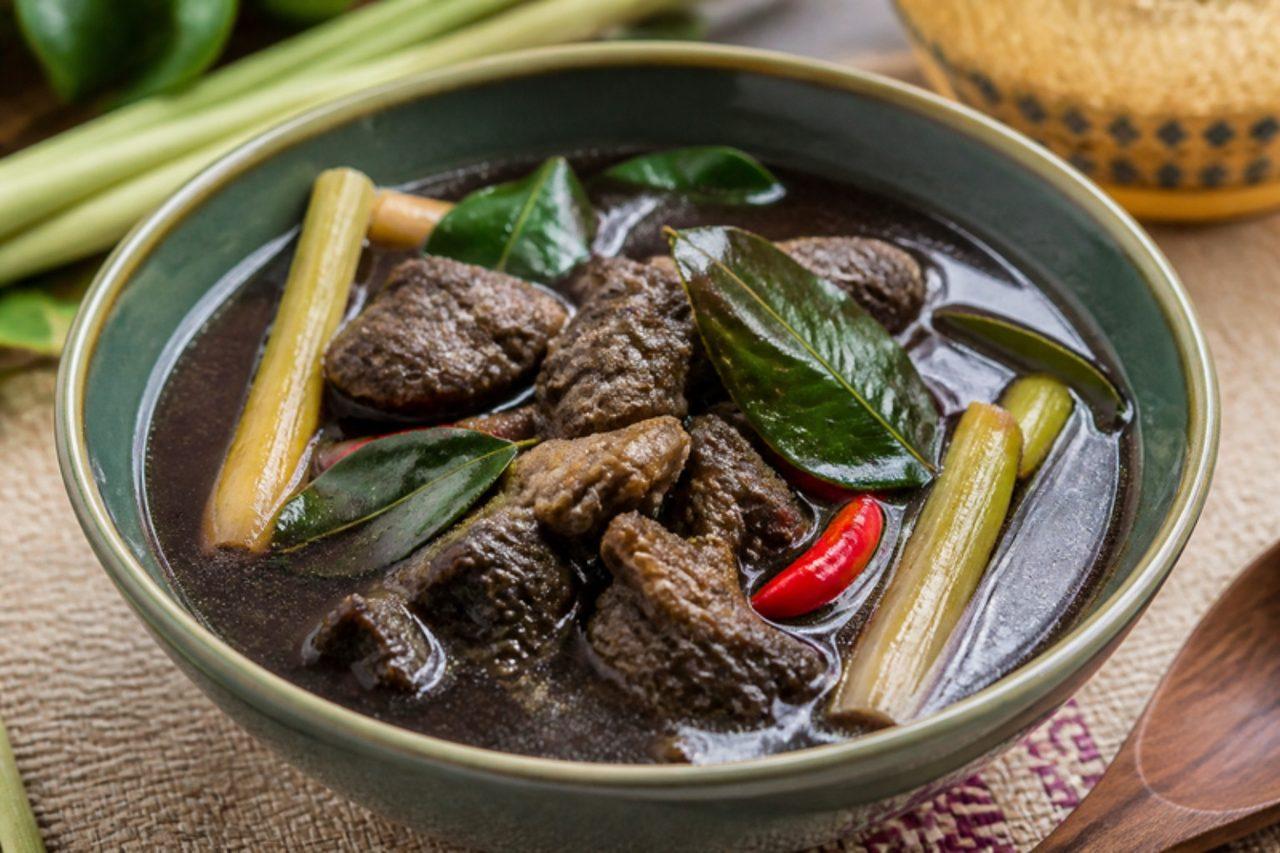
Tiyula itum, 'black soup', is the pride of the Tausug people of Sulu in the far south of the Philippines, cooked for weddings, Eid celebrations and when guests come home. Beef (it is a halal, pork-free dish) is simmered with ginger, lemongrass and turmeric, then darkened with pamapa itum, a paste of grated coconut toasted until almost black and pounded with spices. The broth looks dramatic but tastes smoky, earthy and gently peppery, with heat from chillies. Serve it with plain rice. Chef's tip: toast the coconut slowly, stirring all the time, until it is very dark brown but not ashy; burnt-to-ash coconut tastes bitter and ruins the soup.

Kartoshka cakeCocoa and cake crumb truffles
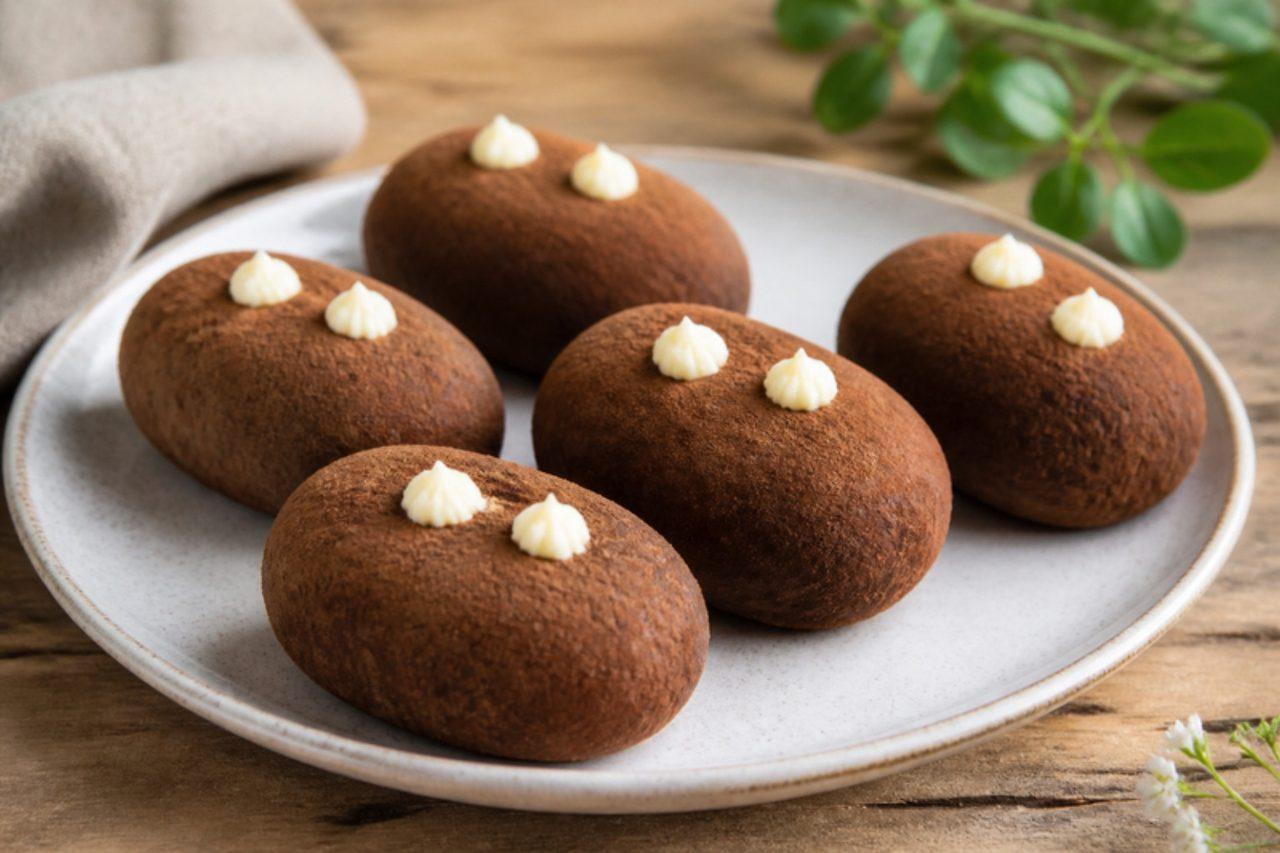
Soviet cafés and school canteens sold these knobbly brown 'potatoes' for a few kopecks, and they began as a thrifty way to use up sponge and biscuit trimmings at the bakery. Crumbs are bound with butter and sweetened condensed milk, flavoured with cocoa and vanilla, shaped into little potatoes, rolled in cocoa and finished with two dabs of pale butter cream for the sprouts. They are fudgy and dense like a brownie truffle, need no oven, and children love making them. Traditional bakers added a spoonful of rum, an optional extra for adult batches only; this version is alcohol-free with vanilla. The usual slip is coarse crumbs, which make the potatoes crack, so blitz them as fine as sand. Chef's tip: chill the shaped potatoes for at least 20 minutes so they hold their shape and slice cleanly.
 Russian
Undu walaluFried urad dal rings in treacle
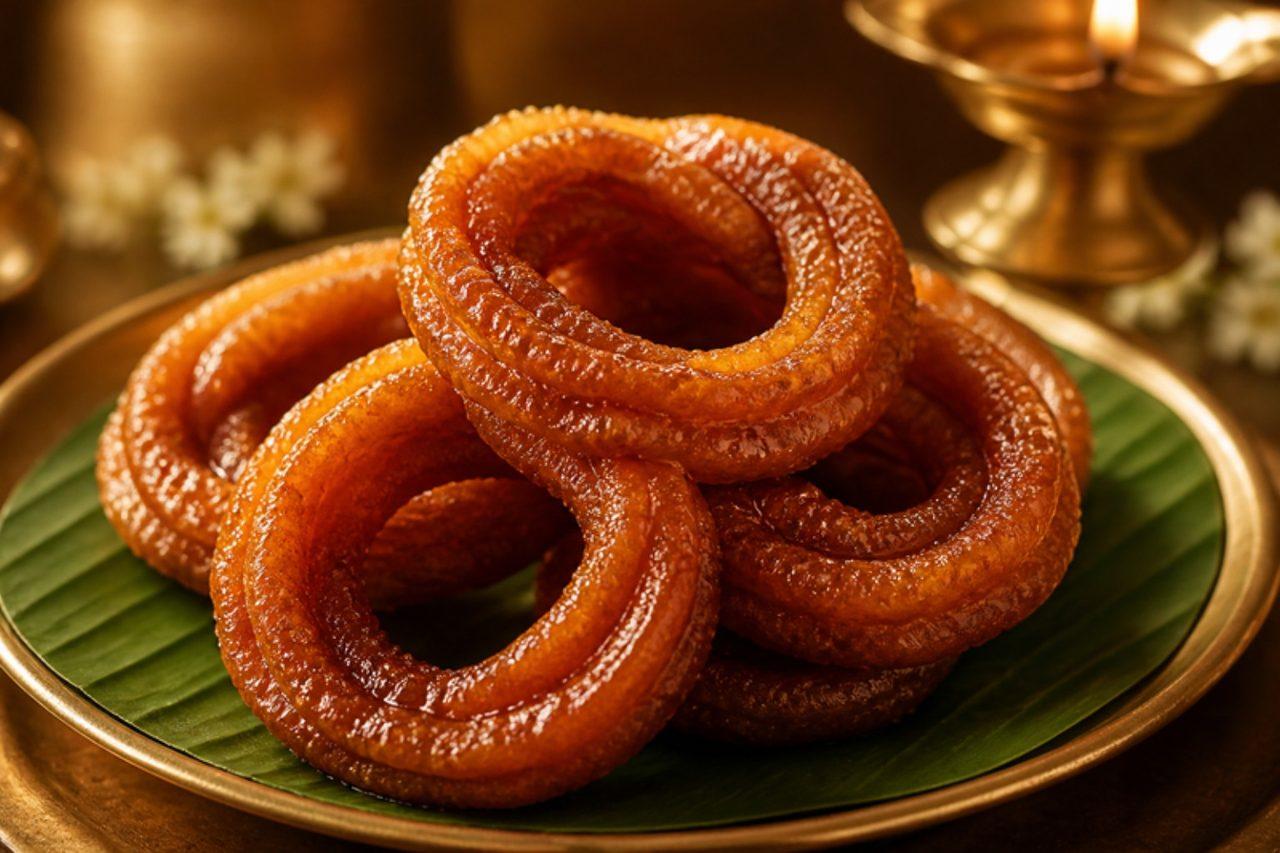
Walalu means bangles, and these dark, sticky rings of fried urad dal soaked in kithul treacle are a sweet that Sinhala families bring out for Avurudu and for special almsgivings, often made in large batches by an aunt known for her steady hand. A thick, fluffy paste of ground black gram is piped into loops and fried until crisp, then plunged straight into warm treacle, so the rings stay crunchy on the outside while drinking up the syrup. They taste a little like a darker, smokier jalebi, with a toffee finish from the palm treacle. Watery batter is what ruins them; it spreads into flat blobs, so grind the soaked dal with as little water as possible and beat it until light. This recipe uses no asafoetida, so it is naturally gluten free. Chef's tip: pipe the rings onto small squares of baking paper and lower them into the oil paper and all; the paper peels away in seconds.
 Sri Lankan
