
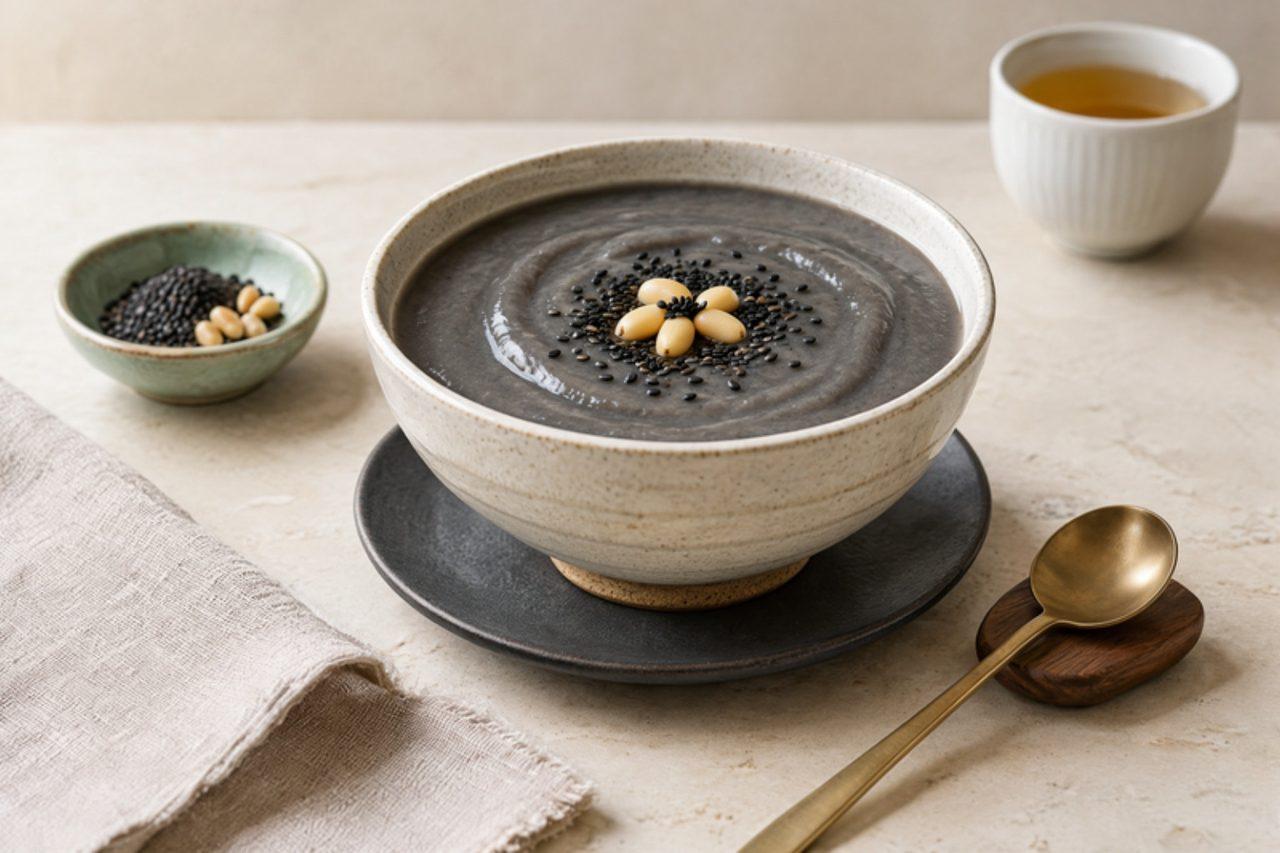
AI-generated image
Heukimja-juk
Heugimja-juk (흑임자죽): silky black sesame rice porridge



This charcoal-grey porridge of roasted black sesame and rice is one of Korea's gentlest breakfasts, often made for elders, for people getting over a cold, or simply on a slow weekend morning. It is nutty, lightly sweet and smooth as cream. The mistake is burning the sesame: the seeds are already black, so you cannot judge by colour; toast them only until they crackle and smell nutty, or the porridge turns bitter. Chef's tip: grind the toasted seeds with a little of the soaked rice and water rather than on their own, which turns them into a smooth paste instead of an oily clump.
- Total time
- 40 min
- Difficulty
- easy
- Serves
- 3
Ingredients
- 3 ⅛ oz short-grain ricesoaked for 1 hour
- 2 ⅛ oz black sesame seeds
- 3 ¾ cups water
- 1 tbsp pine nuts (optional)
- 1 tbsp sugaror to taste
- ¼ tsp salt
Shop this recipe on Amazon
What you'll need
Spices & pantry
Links open Amazon in a new tab. As an Amazon Associate, WhatToEat.Today earns from qualifying purchases.
Method
0/5 doneStep 1: Toast 2 ⅛ oz black sesame seeds in a dry frying pan over a medium-low heat for 3–4 minutes, shaking the pan, until the seeds start to pop and smell nutty. Tip onto a plate to cool.
4 minStep 2: Drain 3 ⅛ oz short-grain rice and blend it with the sesame, the 1 tbsp pine nuts if using, and 400 ml of 3 ¾ cups water for 2 minutes until very smooth.
Step 3: Pour into a saucepan with the remaining water and bring to a simmer over a medium heat, stirring all the time.
5 minStep 4: Lower the heat and cook for 15–20 minutes, stirring often, until the porridge is thick and glossy and the raw-rice taste has gone. Add a splash of water if it gets too thick.
20 min
Nutrition per serving
- Calories
- 290 kcal
- Protein
- 7 g
- Carbs
- 36 g
- Fat
- 14 g
- Fibre
- 4 g
Nutrition values are estimates.
KrazyBadal
Good to know
- How long does heukimja-juk take?
- About 40 minutes in total: 10 minutes to prepare and 30 minutes to cook.
- How many people does it serve?
- 3 as written. Change the servings above the ingredients and every amount scales to match.
- Is it vegan?
- Yes. It has no meat, fish, dairy or eggs.
- Is it gluten free?
- Yes, as written. Check the labels on stock, sauces and spice mixes, which sometimes contain gluten.
- What can I use instead of short-grain rice?
- Any long-grain rice, same amount.
- What can I use instead of black sesame seeds?
- Poppy seeds or finely chopped pumpkin seeds, same amount.
Reviews
No reviews yet. Be the first to cook it.
Rate this recipe
Sign in to rate and review this recipe.
You might also like
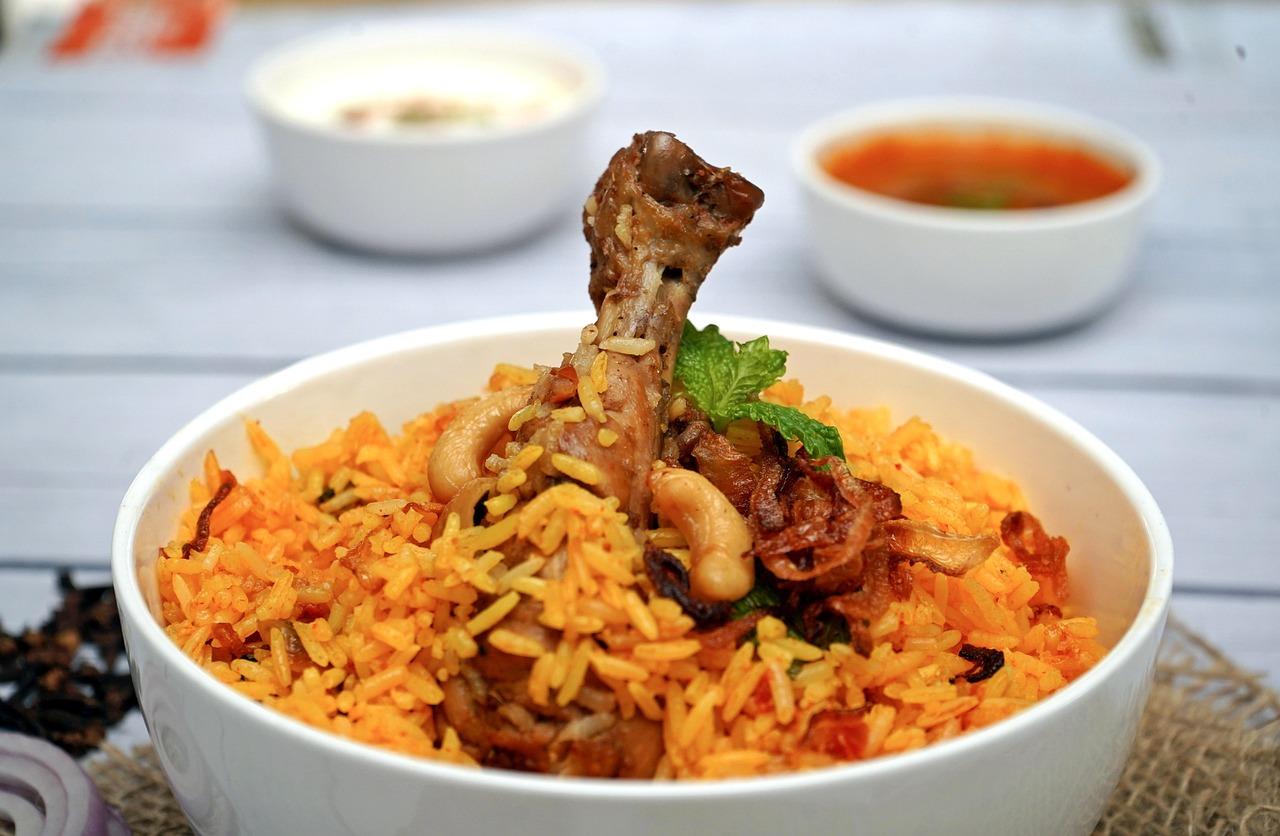
Hyderabadi chicken dum biryani
Hyderabad's biryani grew up in the kitchens of the Nizams, and the kacchi style is its proudest form: the chicken goes into the pot raw, in a thick yogurt, mint and fried-onion marinade, and cooks only in the steam trapped under part-cooked basmati. In the old city it is wedding and Eid food, ordered in huge copper deghs, and at home it's the Sunday showpiece, served with mirchi ka salan and a cooling raita. Because the meat cooks without being stirred, small bone-in thigh and drumstick pieces work best. Chef's tip: marinate overnight in the fridge — the yogurt tenderises the chicken and the flavours go right to the bone.
 Indian

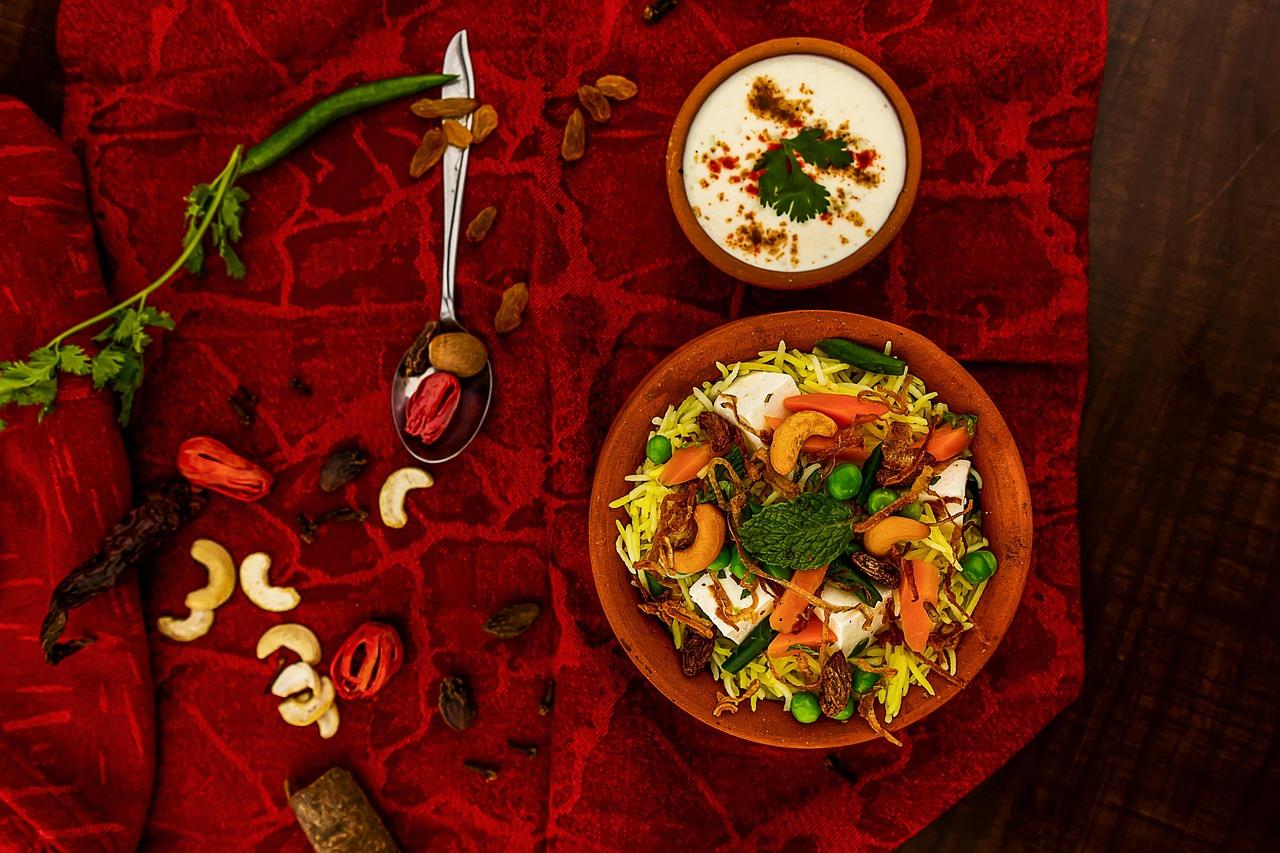
Paneer biryani
A mild, creamy biryani: rice and husked green gram roasted in ghee, then cooked in coconut milk with peas, carrots, potatoes, peanuts and cashews, and finished with soft fried paneer and a fresh coriander yogurt. Serve hot, garnished with more fried cashews and paneer.
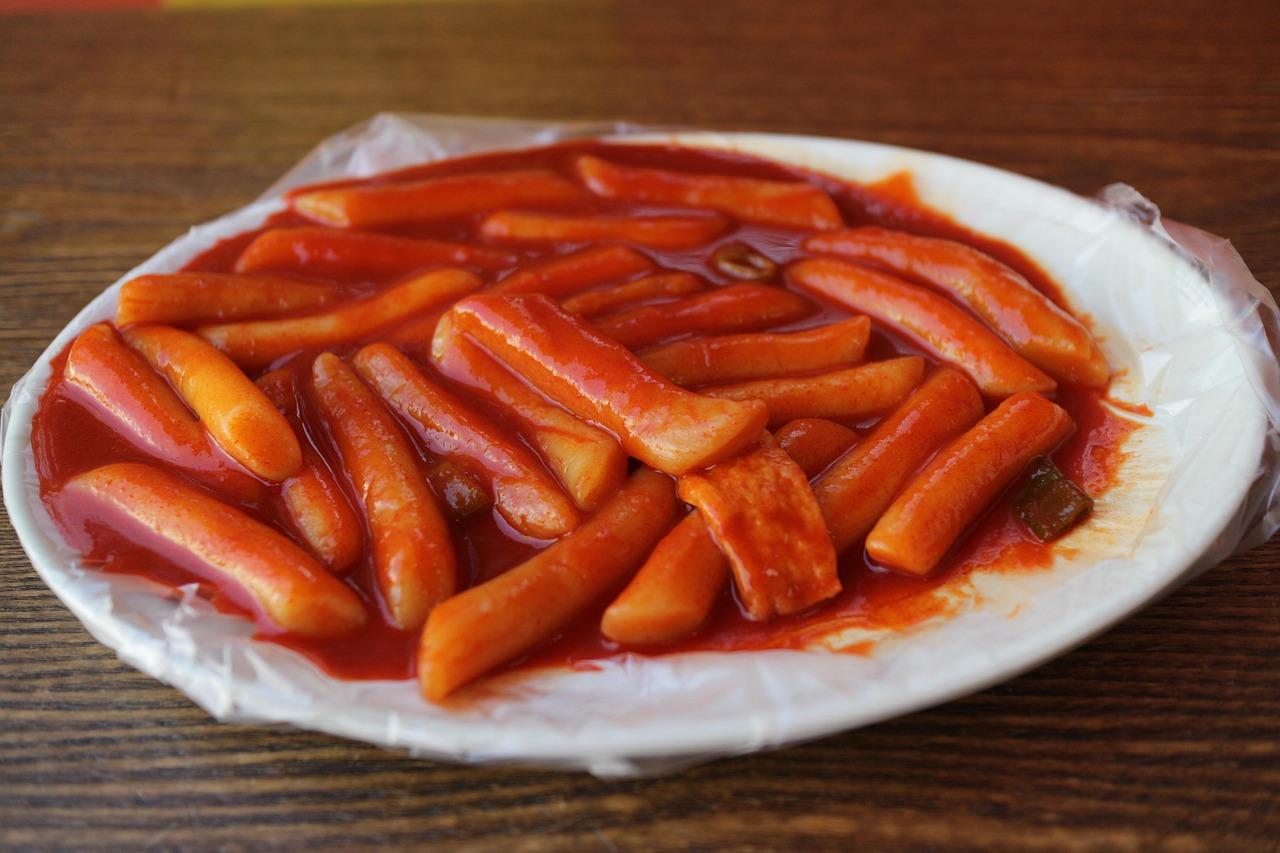
Tteokbokki
Tteokbokki (떡볶이) is Korea's best-loved street snack: chewy cylinders of rice cake simmered in a thick, glossy, sweet and spicy red sauce. It became a classic in Seoul, where it is sold from street stalls and snack bars in every neighbourhood. Street versions use anchovy stock and fish cakes; this vegan version uses a quick kelp and shiitake stock with cabbage and spring onions, and has all the same punch. Eat it hot, while the rice cakes are soft and stretchy. Chef's tip: keep stirring and scrape the bottom; the rice cakes release starch that thickens the sauce but also catches. The sauce is right when it clings to the spoon in a glossy coat.

