
Biltong
Biltong: vinegar-and-coriander cured beef, heated safely then dried at home


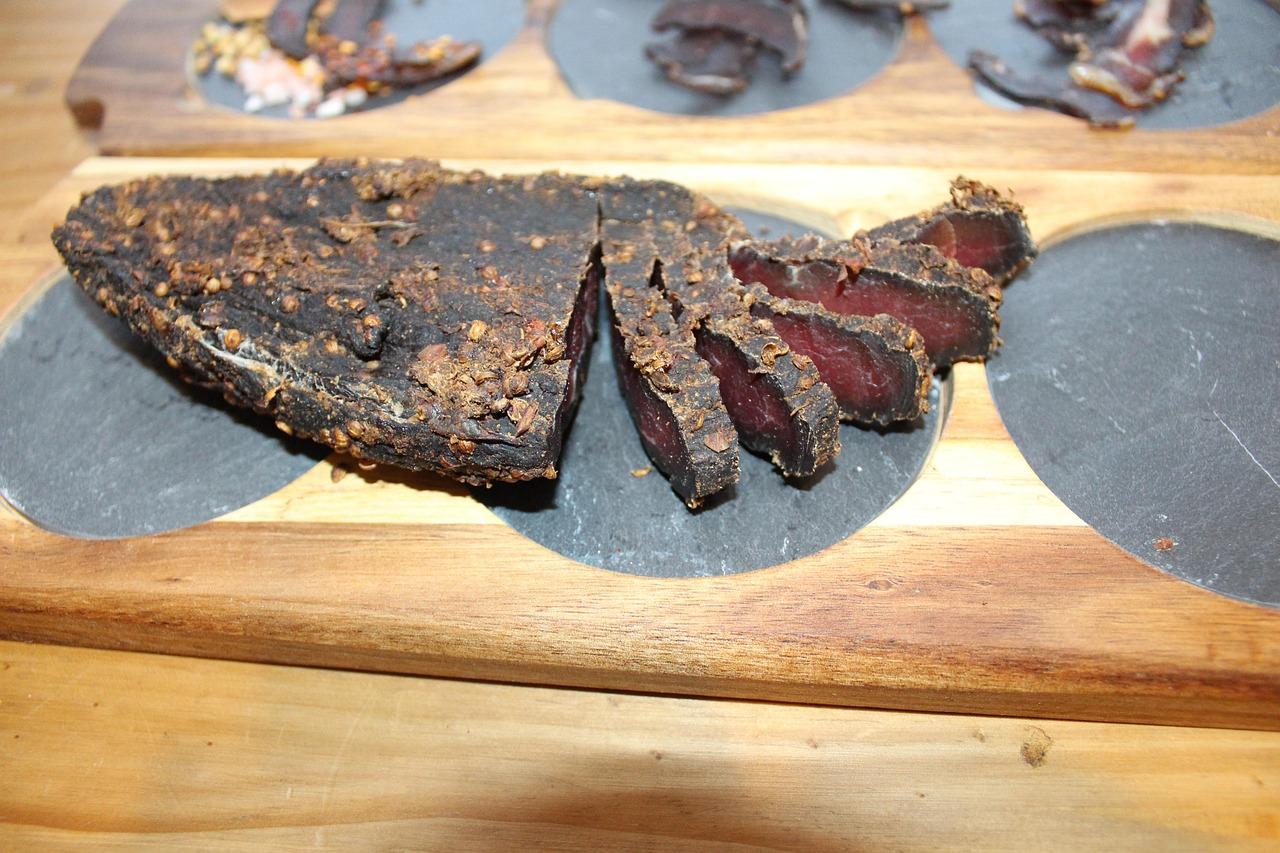
Rugby on the television, a paper bag of biltong passed round the room: few snacks say South Africa so plainly. Thick strips of beef are cured with vinegar, toasted coriander, salt and pepper, then dried until the outside is dark and firm and the inside still a little moist, ready to be sliced thin with a sharp knife. Farmers once hung it in the cold winter wind; this home method first heats the cured strips to 71 °C in a hot oven to make them safe, then dries them low and slow in the oven or a biltong box. Even so, home-dried meat is not for pregnant women, young children or anyone with a weakened immune system. The classic mistake is cutting the strips across the grain, so they crumble when you slice them. Chef's tip: toast the coriander seeds until they smell like orange peel before crushing them; that warm, citrusy note is what makes biltong taste right.
- Total time
- 525 min
- Difficulty
- medium
- Serves
- 14
Ingredients
- 3 ⅓ lb beef silverside or topsidein one piece, trimmed of sinew
- ¾ cup apple cider vinegaror red wine vinegar; malt vinegar contains gluten
- 3 tbsp coriander seeds
- 2 tbsp coarse salt
- 1 tbsp brown sugar
- ¼ tsp bicarbonate of soda (optional)optional, softens the vinegar edge
- 1 tsp dried chilli flakes (optional)optional
Shop this recipe on Amazon
What you'll need
Spices & pantry
Fresh ingredients (1)
Links open Amazon in a new tab. As an Amazon Associate, WhatToEat.Today earns from qualifying purchases.
Method
0/10 doneStep 1: Cut 3 ⅓ lb beef silverside or topside with the grain into strips about 2 cm thick, 5 cm wide and 20–25 cm long. Run your knife along the fibres, not across them, or the biltong will crumble later.
Step 2: Toast 3 tbsp coriander seeds in a dry pan over a medium heat, shaking, until the seeds darken a shade and smell warm and citrusy. Crush them coarsely in a mortar.
3 minStep 3: Mix the crushed coriander with 2 tbsp coarse salt, 1 tbsp brown sugar, 2 tsp coarsely ground black pepper and 1 tsp dried chilli flakes if using.
Step 4: Lay the strips in a glass or ceramic dish and sprinkle ¼ cup apple cider vinegar over them. Rub the spice mix into every side.
Step 5: Mix the rest of ¼ cup apple cider vinegar with ¼ tsp bicarbonate of soda if using and drizzle it over. Cover and cure in the fridge for 12–24 hours, turning the strips once or twice, until the surface looks darker and the meat feels firmer.
Step 6: Heat the oven to 350°F (325°F fan). Lift the strips out, shake off the liquid and pat lightly with kitchen paper, keeping the spices on.
Step 7: Lay the strips on a rack over a tray, not touching. Heat them in the oven until a thermometer in the thickest strip reads 160°F; this kills bacteria before drying. The outside will look grey-brown rather than red.
15 minStep 8: Turn the oven down to its lowest setting, 50–140°F, and wedge the door open a crack with a wooden spoon so moisture escapes. Leave the tray in, or hang the strips from the oven shelf with paper clips over the tray.
Step 9: Dry until the strips are dark, firm and only slightly giving in the thickest part, 6–10 hours depending on thickness and how wet you like it. Alternatively, move the heated strips to a biltong box with a fan and bulb and dry for 2–4 days.
480 minStep 10: Cool completely, then store in a paper bag in the fridge (plastic traps moisture and invites mould) and eat within 2 weeks. Slice thinly across the grain to serve. Remember: not for pregnant women, young children or anyone with a weakened immune system.
Nutrition per serving
- Calories
- 150 kcal
- Protein
- 28 g
- Carbs
- 2 g
- Fat
- 3 g
- Fibre
- 0 g
Nutrition values are estimates.
KrazyBadal
Good to know
- How long does biltong take?
- About 525 minutes in total: 30 minutes to prepare and 495 minutes to cook.
- How many people does it serve?
- 14 as written. Change the servings above the ingredients and every amount scales to match.
- Is it gluten free?
- Yes, as written. Check the labels on stock, sauces and spice mixes, which sometimes contain gluten.
- Can I make it ahead?
- Yes. It keeps well, so you can cook it earlier in the day or the day before and reheat it.
- What can I use instead of apple cider vinegar?
- Lemon juice, same amount.
- What can I use instead of coriander seeds?
- Ground coriander, same amount (add it later in the cooking; it burns faster).
Reviews
No reviews yet. Be the first to cook it.
Rate this recipe
Sign in to rate and review this recipe.
You might also like

Masala khakhra
Khakhra are thin chapaties roasted slowly on a griddle until they turn crisp, like a cracker. This masala version adds gram flour, fresh fenugreek, turmeric and chilli to the wheat dough. They are a light Gujarati breakfast or tea-time snack, and lovely with pickle, chutney or a smear of butter. You can also make them in a roti maker.
 Indian

Okonomiyaki
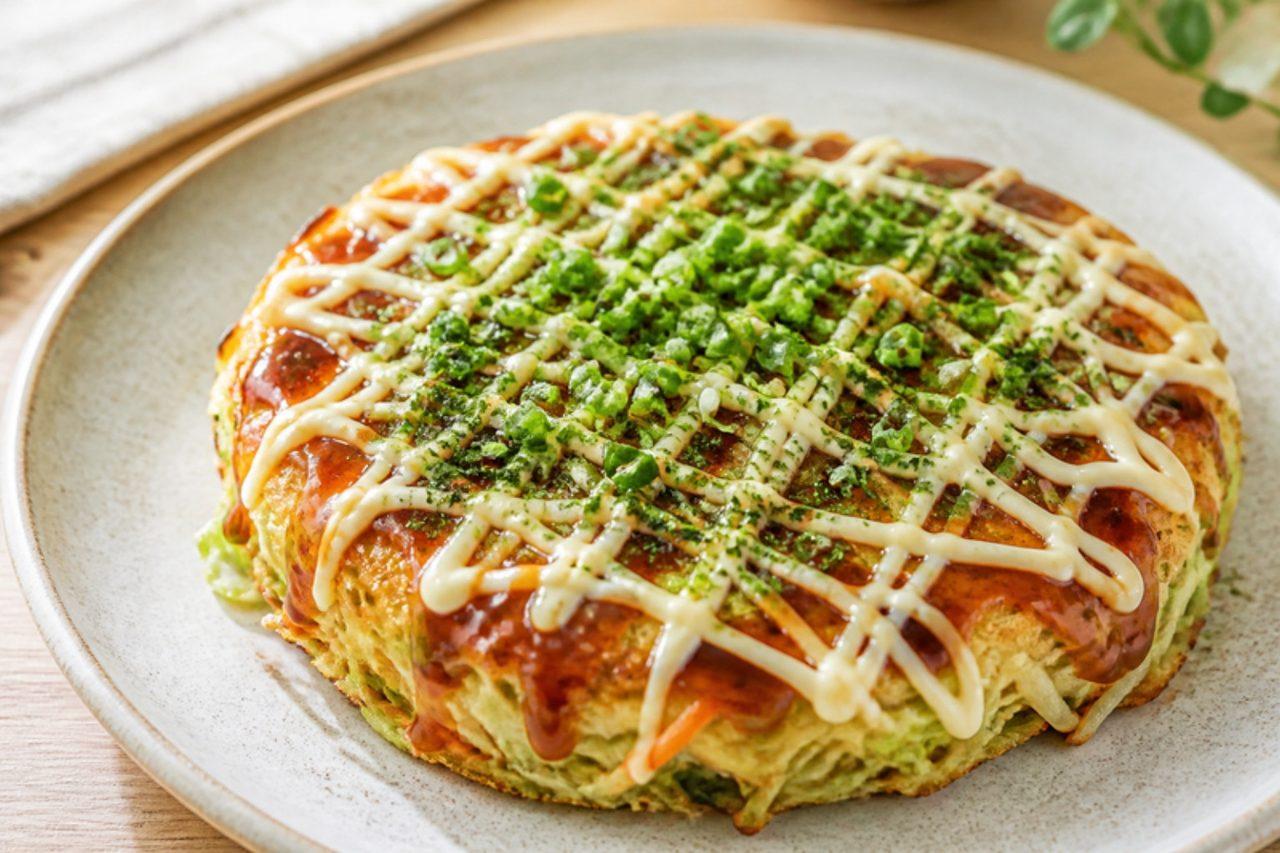
Okonomiyaki (お好み焼き, 'grilled as you like it') is the pride of Osaka, where it's cooked on hot iron griddles in lively restaurants. Finely shredded cabbage is folded into a light batter with egg and spring onion, then fried into a thick, soft pancake with a crisp outside. It's painted with a fruity brown sauce and zigzagged with mayonnaise. Bonito flakes are usual on top; this vegetarian version uses seaweed flakes and pickled ginger instead. Chef's tip: don't press the pancake down with your spatula while it cooks. Osaka cooks leave it alone so the cabbage steams inside and stays light and fluffy; pressing squeezes out the air.
 Japanese
Coastal Mombasa mix
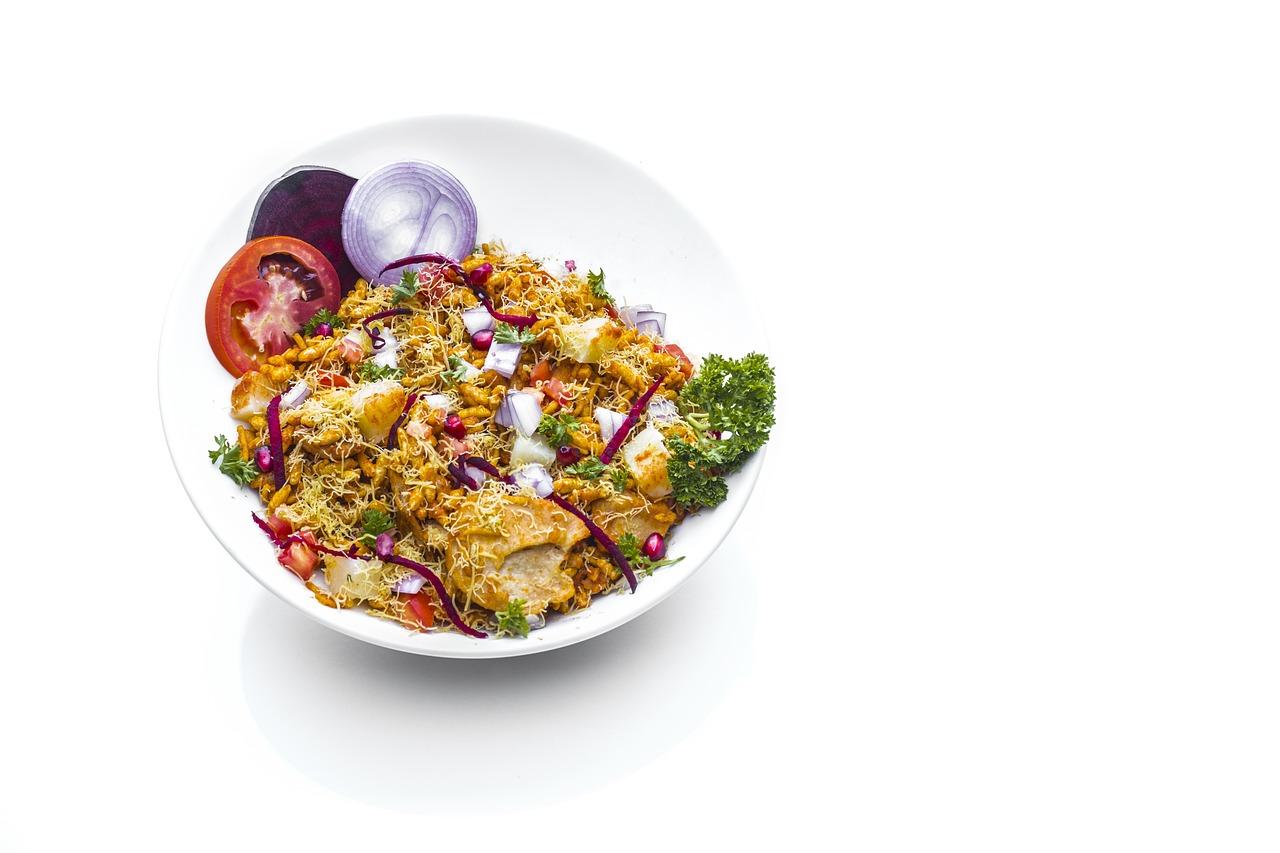
A Mombasa street-food bowl: chickpeas and potato simmered in coconut milk with raw mango and chilli, ladled into small bowls and topped with crisp lentil fritters, crunchy chevdo and red, green and tamarind chutneys. Make the fritters and chevdo ahead and assemble at the table. It's sweet, sour, hot and crunchy all at once.
