

AI-generated image
Homemade kashk
کشک: yoghurt churned, cooked and strained into tangy, savoury kashk, liquid for the fridge or dried into balls


Kashk began with Iran's nomadic herders, who churned their yoghurt for butter in goatskin bags, then cooked and dried the sour leftover into hard balls that lasted through winter. In Kerman, Fars and Khorasan it is still made that way, but in Tehran most people buy it liquid in jars. Making your own is worth one slow afternoon. It is the salty, sour, almost cheesy finish swirled over ash reshteh at Nowruz, folded into kashk-e bademjan with fried mint and walnuts, and stirred into kaleh joosh on cold nights. Liquid kashk is thick and creamy like soured cream but sharper and saltier; dried kashk is chalky-hard and grates like aged cheese. Common mistake: heating the churned yoghurt fast; it scorches and the curd turns rubbery. Keep the heat low and stir. The curd is ready when it separates into soft white clumps in a clear, yellow-green whey. Kashk is always cooked again before eating — even the jarred kind — so heat it when you use it. Chef's tip: a goat or sheep's milk yoghurt, or half and half with cow's, gives the most authentic, funky flavour.
- Total time
- 90 min
- Difficulty
- hard
- Serves
- 12
Ingredients
For the kashk
- 4 ⅜ lb full-fat plain yoghurtcow's, sheep's or goat's; the sourer the better
- 1 litre ice-cold water
- 2 tsp saltabout 2% of the drained curd
- ½ cup hot waterfor liquid kashk
Shop this recipe on Amazon
What you'll need
Spices & pantry
Fresh ingredients (1)
Links open Amazon in a new tab. As an Amazon Associate, WhatToEat.Today earns from qualifying purchases.
Method
0/8 doneStep 1: Put the 4 ⅜ lb full-fat plain yoghurt and half the 1 litre ice-cold water in a stand mixer or large food processor and churn on medium for 10–15 minutes, adding the rest of the water halfway, until flecks of butter float to the top.
15 minStep 2: Skim off the butter with a slotted spoon (keep it for cooking if you like). What is left is a thin, sour doogh.
5 minStep 3: Pour the doogh into a heavy pan and heat it over a low heat, stirring gently along the bottom, until it steams and small curds appear, about 20 minutes. Do not let it boil hard.
20 minStep 4: Keep it just below a simmer for 20–30 minutes more, stirring now and then, until the curds clump into soft white lumps and the whey is clear and yellow-green.
25 minStep 5: Line a sieve with a double layer of clean muslin, pour in the curds, then tie up the cloth and hang it over a bowl in the fridge for 12 hours until thick and pasty.
5 minStep 6: Mix the drained curd with the 2 tsp salt. For liquid kashk, blend it with the ½ cup hot water until smooth and creamy, simmer 5 minutes over a low heat in a small pan, cool and spoon into a sterilised jar.
10 minStep 7: For dried kashk, roll the salted curd into walnut-sized balls with damp hands and dry them on a rack in strong sun for 4–5 days or in a 122°F oven for 8–10 hours, until rock-hard right through.
Step 8: Liquid kashk keeps 1 week in the fridge; dried balls keep 6 months in an airtight jar somewhere cool and dry. To use dried kashk, soak and rub it in warm water until creamy. Always heat kashk to a simmer before serving. Throw it away if you see mould, if it smells rotten rather than sour, or if it fizzes.
Nutrition per serving
- Calories
- 95 kcal
- Protein
- 7 g
- Carbs
- 6 g
- Fat
- 5 g
- Fibre
- 0 g
Nutrition values are estimates.
KrazyBadal
Good to know
- How long does homemade kashk take?
- About 90 minutes in total: 40 minutes to prepare and 50 minutes to cook.
- How many people does it serve?
- 12 as written. Change the servings above the ingredients and every amount scales to match.
- Is it vegetarian?
- Yes. It has no meat or fish.
- Is it gluten free?
- Yes, as written. Check the labels on stock, sauces and spice mixes, which sometimes contain gluten.
- Can I make it ahead?
- Yes. It keeps well, so you can cook it earlier in the day or the day before and reheat it.
- What can I use instead of full-fat plain yoghurt?
- Greek yoghurt loosened with a little milk.
Reviews
No reviews yet. Be the first to cook it.
Rate this recipe
Sign in to rate and review this recipe.
You might also like

Vegetable brown stock
A hearty stock that's simmered for 2 hours, then blended and strained, so the potato gives it body. Its deeper flavour suits thick soups, gravies and stews. Freeze it in portions so it's ready when you need it.


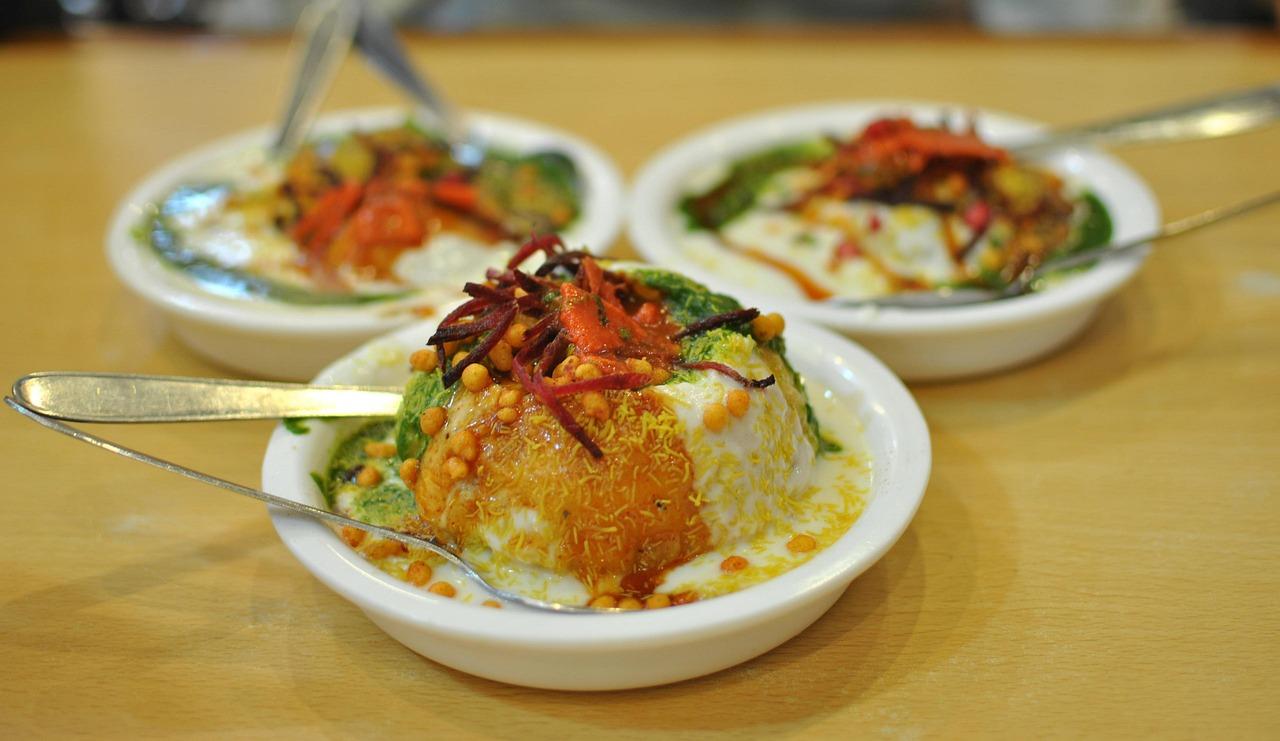
Chaat masala
Chaat masala is the tangy, salty, slightly sulphurous sprinkle that makes chaat taste like chaat. Dried mango (amchur) gives the sourness and black salt the distinctive savoury edge. Sprinkle it over fruit, salads, raita, chips and street-food snacks.
 Indian

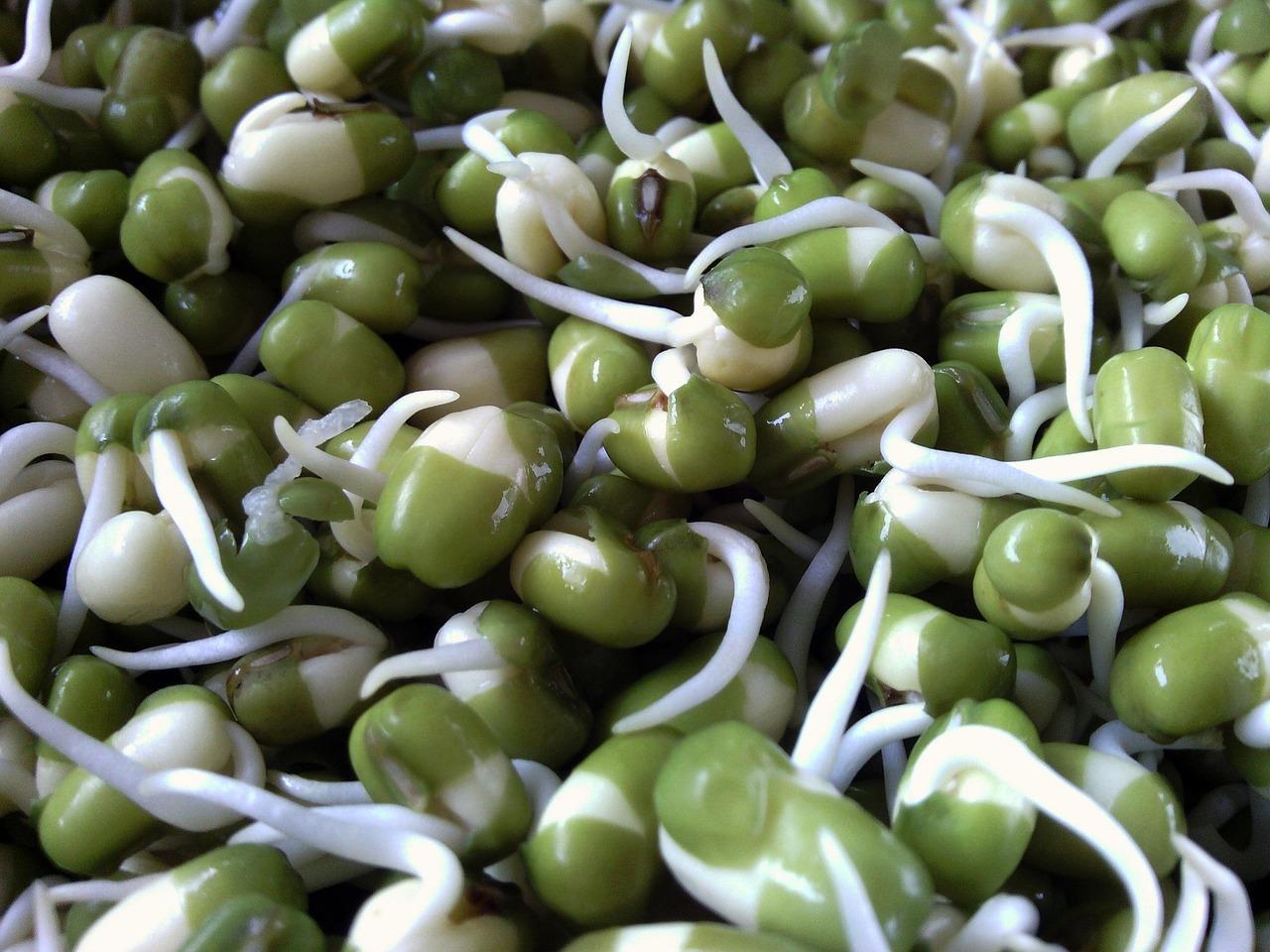
Bean sprouts
Sprouting whole green grams makes them crunchier, quicker to cook and more nutritious. All you need is muslin, water and a warm spot, and they're ready in 3–4 days. Use them in salads, bhel, usal and stir-fries. Any other whole pulse sprouts the same way.