
 Colombian
 Gluten free
Huevos pericos
Scrambled eggs with tomato and onion
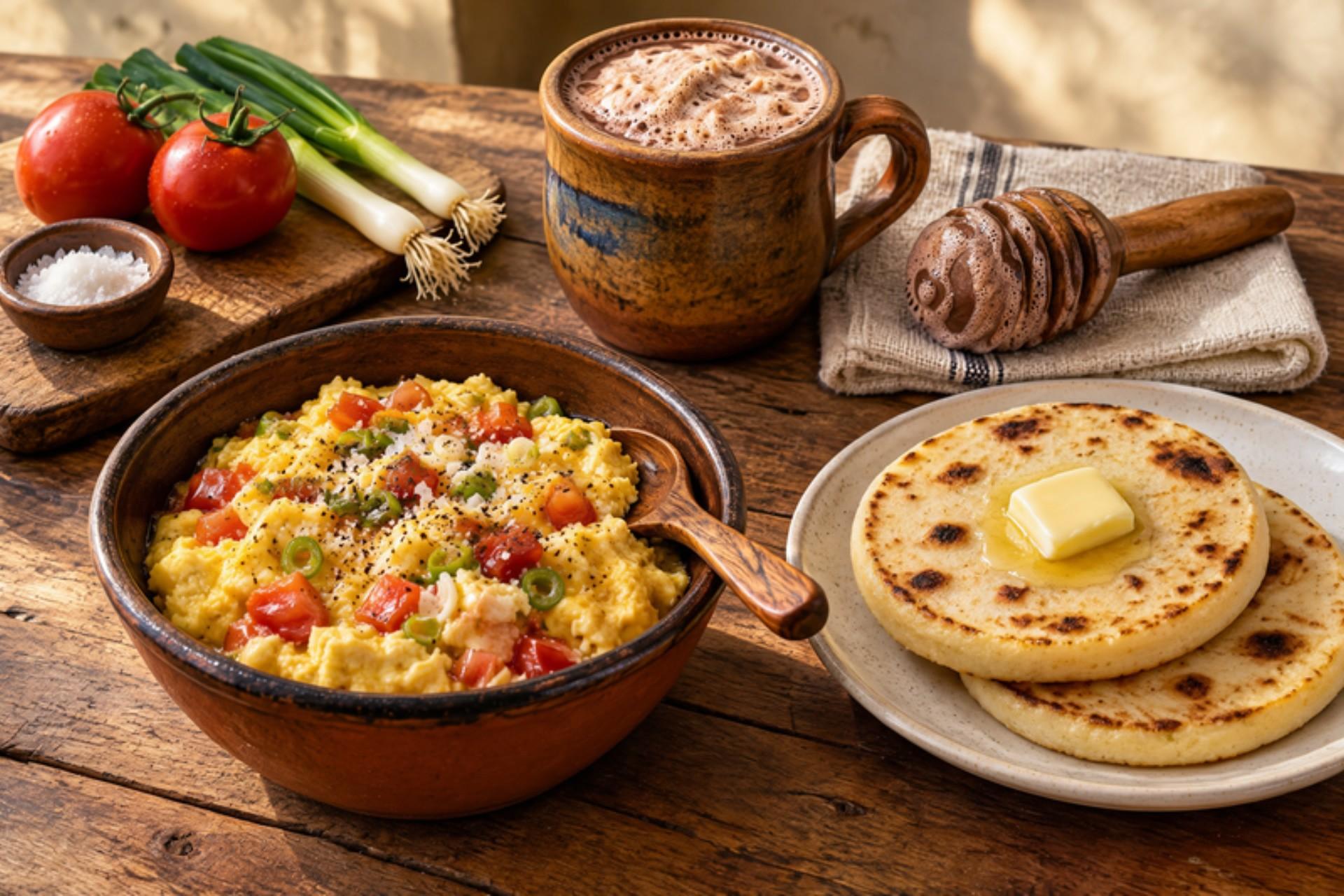
Huevos pericos: Colombia's soft breakfast scramble with spring onion and tomato, served with arepas
Huevos pericos are the everyday breakfast of Colombian homes from Medellín to Bogotá, made before school and work and eaten with a warm arepa and a cup of hot chocolate or tinto coffee. The name comes from the parakeet (perico), for the flecks of green spring onion and red tomato through the yellow egg. The secret is a quick hogao-style base: the onion and tomato are softened first, then the eggs are folded through over a low heat so they stay creamy. The common mistake is high heat, which turns the eggs dry and rubbery. Cook them slowly and take them off while still glossy. If you are cooking for anyone pregnant, a young child or an older person, cook until fully set. Chef's tip: use the long green tops of the spring onion as well as the white; Colombian cebolla larga is all about that mild green flavour.
- Prep
- 5 min
- Cook
- 10 min
- Difficulty
- Easy
- Serves
- 2
- Per serving
- 260 kcal
Ingredients
- 1 tbsp butter or vegetable oil
- 4 spring onionsthinly sliced, white and green parts
- 2 ripe tomatoesseeds removed, finely chopped
- ½ tsp salt
- 4 eggslarge
- 2 arepas, warmed (optional)
Shop this recipe on Amazon
Search Amazon for the rest
Fresh ingredients (3)
Links open Amazon in a new tab. As an Amazon Associate we earn from qualifying purchases.
Method
0/5 doneStep 1: Melt 1 tbsp butter or vegetable oil in a non-stick pan over a medium heat. Add 4 spring onions and cook for 2 minutes until soft and bright green.
2 minStep 2: Add 2 ripe tomatoes and ½ tsp salt and cook for 3–4 minutes, stirring, until the tomato collapses and most of the juice has gone.
4 minStep 3: Beat 4 eggs lightly in a bowl. Turn the heat to low and pour them into the pan.
Step 4: Leave for 20 seconds, then fold slowly with a spatula from the edges in. Keep folding for 2–3 minutes until the eggs are set in soft, glossy curds.
3 minStep 5: Take off the heat while still slightly moist, as they keep cooking. Serve straight away with 2 arepas, warmed.
Nutrition per serving
- Calories
- 260 kcal
- Protein
- 14 g
- Carbs
- 7 g
- Fat
- 19 g
- Fibre
- 1 g
Nutrition values are estimates.
KrazyBadal
Good to know
- How long does huevos pericos take?
- About 15 minutes in total: 5 minutes to prepare and 10 minutes to cook.
- How many people does it serve?
- 2 as written. Change the servings above the ingredients and every amount scales to match.
- Is it vegetarian?
- Yes. It has no meat or fish.
- Is it gluten free?
- Yes, as written. Check the labels on stock, sauces and spice mixes, which sometimes contain gluten.
- What can I use instead of spring onions?
- Chives, or a little finely sliced onion.
- What can I use instead of ripe tomatoes?
- Tinned chopped tomatoes: a 400g tin for about 6 tomatoes (in cooked dishes, not salads).
Reviews
No reviews yet. Be the first to cook it.
Rate this recipe
Sign in to rate and review this recipe.
You might also like

Sabudana khichdiSago with peanuts and potato
Sabudana khichdi is the dish that sees Maharashtra through every vrat (fast), from Navratri to Ekadashi, but it's so good that people eat it any day of the week. Soaked sago pearls are tossed in a pan with crushed roasted peanuts, cubes of potato, cumin and green chilli until each pearl turns glassy and separate, then finished with lemon and coriander. It's soft, chewy, nutty and gently hot. Fasting rules vary from family to family, so check yours; this version uses rock salt and no asafoetida, onion or garlic. Traditionally it's cooked in ghee; use ghee instead of oil if you aren't keeping it vegan. Chef's tip: soak the sago in just enough water to cover by the height of the pearls themselves, no more; too much water is the reason khichdi turns into one sticky lump.
 Indian

Doi chiraFlattened rice with curd
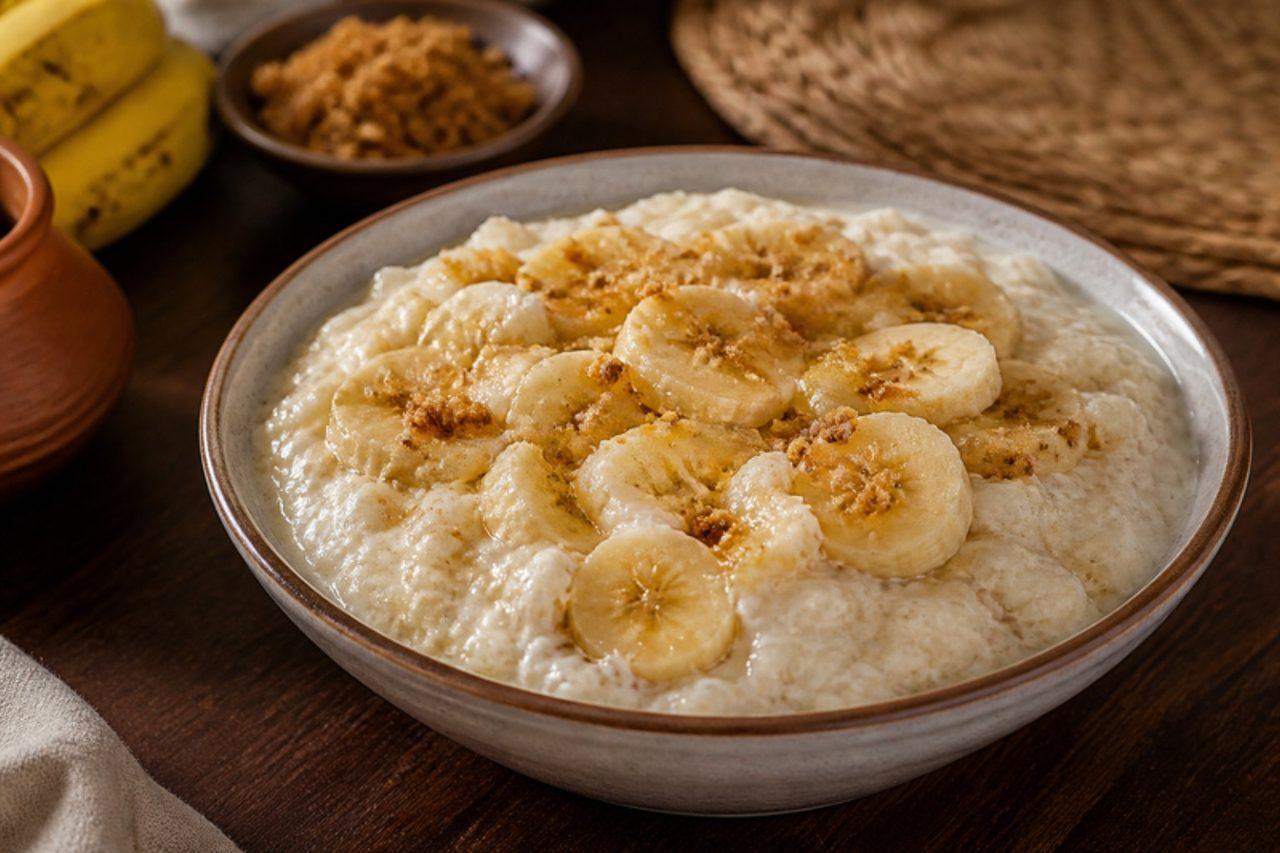
Nothing is cooked for doi chira, which is why it has been the breakfast of farmers and fishermen in Barisal for generations: flattened rice is rinsed, softened in thick, slightly sour curd and sweetened with jaggery or sugar, then mashed together with a ripe banana. The texture is soft and creamy with a little chew from the rice flakes, and the taste is cool, sweet and tangy. It is eaten on hot summer mornings, at village fairs and as part of the Pohela Boishakh spread, and it is a favourite of children and of anyone fasting who wants something gentle. The usual misstep is soaking the chira for too long, which turns it to paste; a quick rinse is all it needs before the curd does the rest. Chef's tip: use thick-cut chira, not the thin kind for frying, so the flakes hold their shape.
 Bangladeshi

BsissaRoasted barley flour with olive oil
A tin of bsissa sits in many Tunisian kitchen cupboards, from Tunis flats to farmhouses in the south: a finely ground flour of roasted barley, roasted chickpeas and spices such as coriander, fennel and aniseed. In the morning a few spoonfuls are worked with olive oil and something sweet into a nutty, crumbly paste, or stirred with water into a thick drink, and it keeps you going until lunch. Travellers and pilgrims once carried it for the road. Roasting your own flour takes 15 minutes and makes a jar that lasts weeks. Sugar and dates keep it vegan; some families use honey. Chef's tip: roast the flours separately over a low heat and stir constantly; the moment they smell like toasted biscuits and turn light tan, tip them out of the pan.
 Tunisian