
AI-generated image
Iftari chhola bhuna
Dry-fried spiced chickpeas
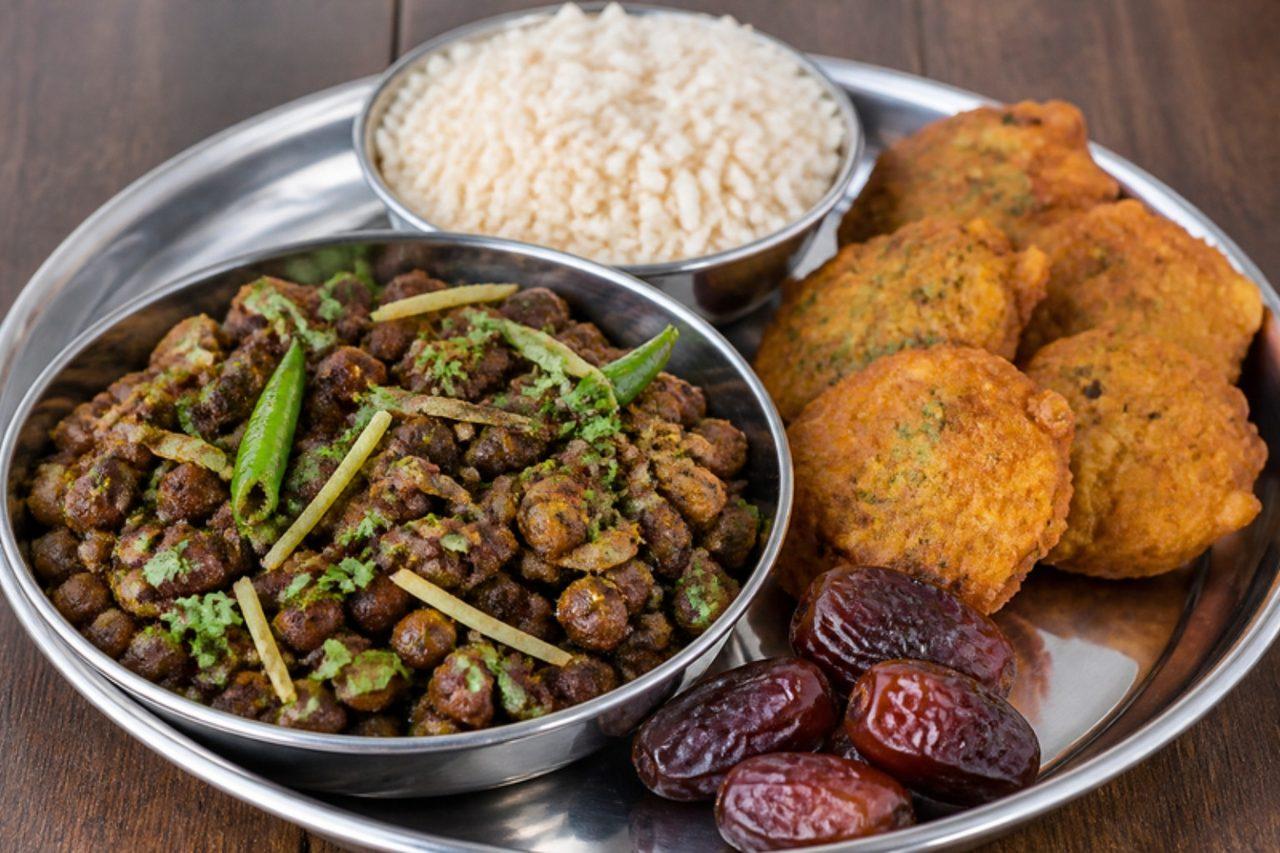
ছোলা ভুনা (chhola bhuna): the dry-fried chickpeas on every Ramadan iftar plate in Dhaka



An hour before sunset during Ramadan, the pavement of Chawkbazar disappears under trays of iftar food, and the one thing every family buys or makes is a bowl of chhola bhuna. It is chickpeas fried down with onion, ginger, garlic and cumin until almost dry, so each one is coated in a thick, dark masala rather than swimming in gravy. On the iftar plate it sits beside piyaju, beguni, muri and dates, and many people toss it with puffed rice, chopped onion and mustard oil into a quick muri makha. A frequent error is adding the chickpeas while the onions are still pale, which leaves the dish flat and sweet instead of deep and savoury. Chef's tip: finish with a pinch of bhaja moshla, dry-roasted cumin, coriander and chilli ground together, for the smoky taste of the street version.
- Total time
- 65 min
- Difficulty
- easy
- Serves
- 4
Ingredients
For the chickpeas
- 9 oz dried chickpeassoaked overnight in plenty of water
- 1 /4 tsp ground turmeric
- 1 /2 tsp salt
For the masala
- 3 tbsp mustard or vegetable oil
- 1 bay leaf
- 2 onionsthinly sliced
- 1 tbsp ginger paste
- 2 tsp garlic paste
- 1 /2 tsp ground turmeric
- 1 tsp red chilli powder
- 1 ½ tsp ground cumin
- 1 tsp ground coriander
- 1 /2 tsp salt
- 1 /2 tsp sugar
- 3 green chilliesslit
For the bhaja moshla
- 1 tsp cumin seeds
- 1 tsp coriander seeds
To serve
- 2 tbsp fresh coriander (optional)chopped
- 1 small red onion (optional)finely chopped
Shop this recipe on Amazon
What you'll need
Spices & pantry
Fresh ingredients (4)
Links open Amazon in a new tab. As an Amazon Associate, WhatToEat.Today earns from qualifying purchases.
Method
0/7 doneStep 1: Drain 9 oz dried chickpeas, cover with fresh water by 5 cm, add 1 /4 tsp ground turmeric and 1 /2 tsp salt and simmer, partly covered, for 35–45 minutes until they crush easily between your fingers (15 minutes in a pressure cooker). Drain, keeping a cupful of the water.
40 minStep 2: Toast 1 tsp cumin seeds, 1 tsp coriander seeds and 1 dried red chilli in a dry pan over a medium heat for 2–3 minutes until fragrant, cool and grind to a powder.
3 minStep 3: Heat 3 tbsp mustard or vegetable oil in a wide pan over a medium-high heat, add 1 bay leaf and 2 onions and fry, stirring often.
2 minStep 4: Keep frying for 10–12 minutes until the onions are deep golden brown.
10 minStep 5: Add 1 tbsp ginger paste and 2 tsp garlic paste and fry for 1 minute, then add 1 /2 tsp ground turmeric, 1 tsp red chilli powder, 1 ½ tsp ground cumin and 1 tsp ground coriander with a splash of the cooking water and fry for 2 minutes until the oil separates.
3 minStep 6: Tip in the chickpeas with 1 /2 tsp salt, 1 /2 tsp sugar and 3 green chillies and fry over a medium heat for 8 minutes, stirring and pressing a few chickpeas against the pan, adding a spoon of the cooking water only if it sticks, until dry and coated.
8 minStep 7: Sprinkle with the bhaja moshla, scatter with 2 tbsp fresh coriander and 1 small red onion and serve warm or at room temperature.
Nutrition per serving
- Calories
- 330 kcal
- Protein
- 15 g
- Carbs
- 42 g
- Fat
- 12 g
- Fibre
- 12 g
Nutrition values are estimates.
KrazyBadal
Good to know
- How long does iftari chhola bhuna take?
- About 65 minutes in total: 15 minutes to prepare and 50 minutes to cook.
- How many people does it serve?
- 4 as written. Change the servings above the ingredients and every amount scales to match.
- Is it vegan?
- Yes. It has no meat, fish, dairy or eggs.
- Is it gluten free?
- Yes, as written. Check the labels on stock, sauces and spice mixes, which sometimes contain gluten.
- What can I use instead of dried chickpeas?
- Cannellini or butter beans, same amount.
- What can I use instead of ground turmeric?
- Leave it out (it mostly adds colour).
Reviews
No reviews yet. Be the first to cook it.
Rate this recipe
Sign in to rate and review this recipe.
You might also like

Sayur lodehVegetables in coconut milk
Sayur lodeh is everyday cooking in Central Java, made in big pots in Solo and Semarang kitchens and ladled over rice, with lontong rice cakes at Lebaran, or alongside opor and sambal goreng on festive tables. It's soupy rather than thick: a fragrant broth of coconut milk, galangal, lemongrass and lime leaf that carries chunks of aubergine, long beans, chayote and sweetcorn, plus tempeh and tofu to make it a meal. The flavour is mellow and slightly sweet, so the heat comes from sambal on the side. Chef's tip: keep the pot at a gentle simmer once the coconut milk goes in and stir now and then — a rolling boil splits the coconut milk into oily curds.
 Indonesian



Bagara bainganBaby aubergines in peanut sesame sauce
Bagara baingan is a Hyderabadi wedding dish of small aubergines cooked whole in a dark, tangy gravy of roasted peanuts, sesame, dried coconut and tamarind. Unlike a Gujarati stuffed brinjal, the aubergines here are only quartered at the base and fried until silky, then left to soak up a thin-but-rich sauce that is finished with a tempering, the 'baghar' that gives the dish its name. It's sour, nutty and gently spiced, and is served with biryani, bagara rice or plain rice. Chef's tip: choose small, glossy purple aubergines that feel heavy for their size; soft, light ones are full of seeds and turn mushy before the gravy has a chance to cling.
 Indian
Doi chiraFlattened rice with curd
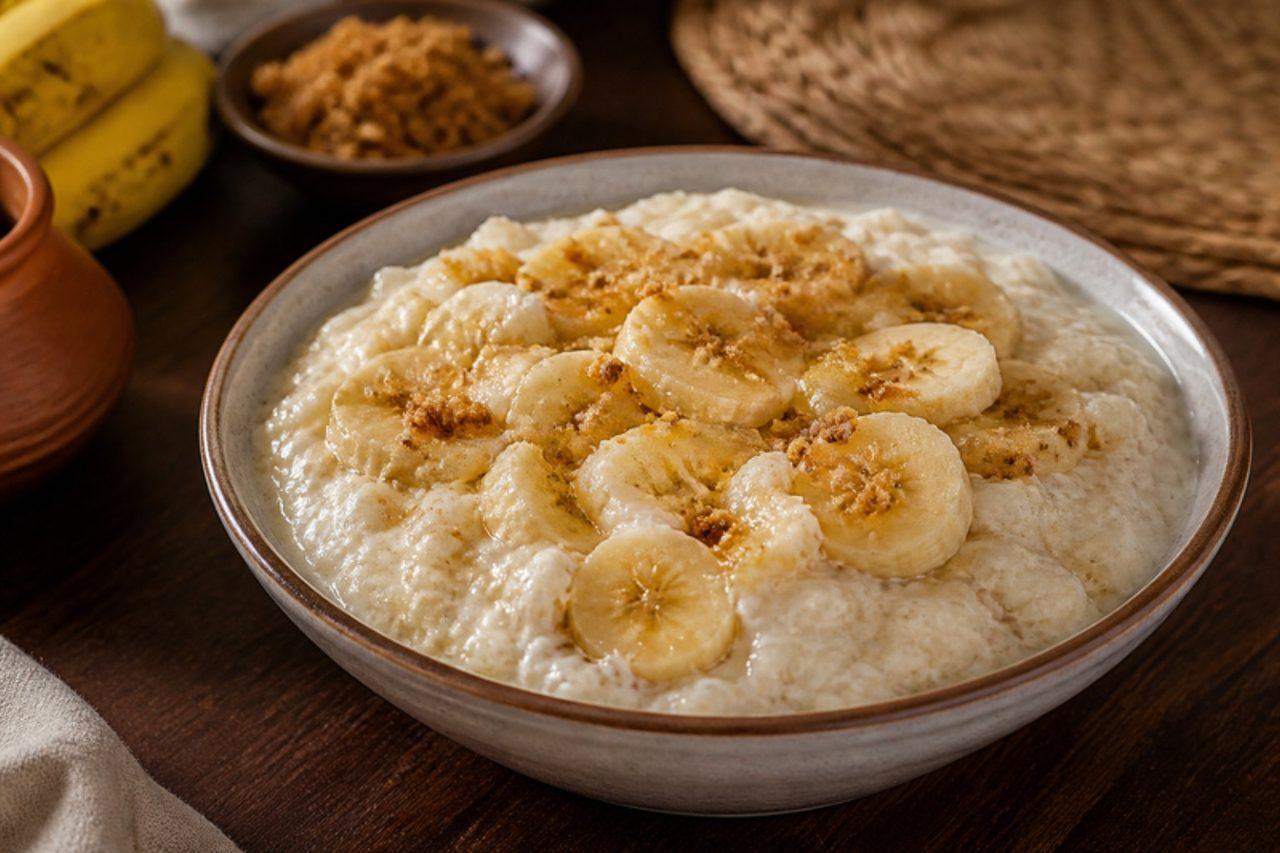
Nothing is cooked for doi chira, which is why it has been the breakfast of farmers and fishermen in Barisal for generations: flattened rice is rinsed, softened in thick, slightly sour curd and sweetened with jaggery or sugar, then mashed together with a ripe banana. The texture is soft and creamy with a little chew from the rice flakes, and the taste is cool, sweet and tangy. It is eaten on hot summer mornings, at village fairs and as part of the Pohela Boishakh spread, and it is a favourite of children and of anyone fasting who wants something gentle. The usual misstep is soaking the chira for too long, which turns it to paste; a quick rinse is all it needs before the curd does the rest. Chef's tip: use thick-cut chira, not the thin kind for frying, so the flakes hold their shape.