
AI-generated image
Ilish polao
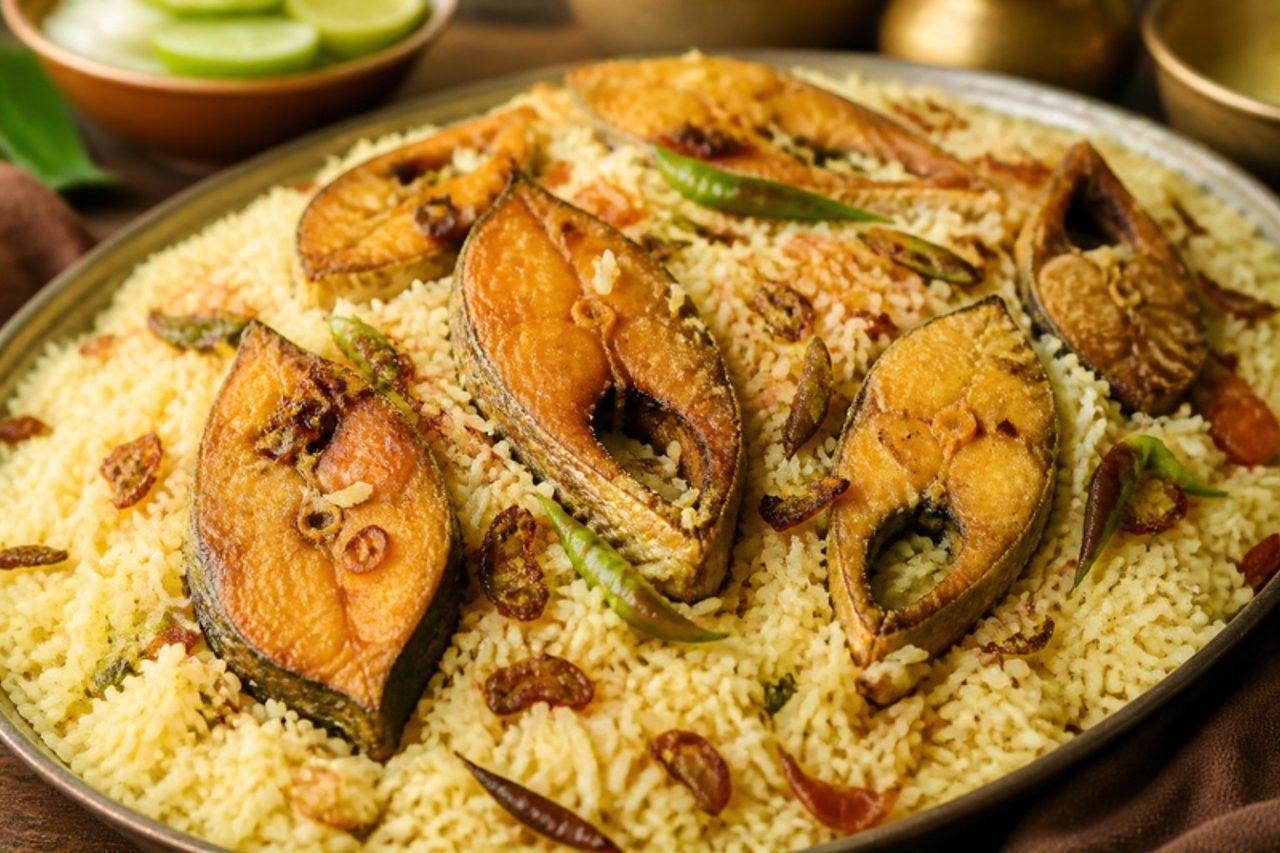
ইলিশ পোলাও (ilish polao): Barisal and Chandpur rice cooked in hilsa oil and stock with fried hilsa steaks


Monsoon is hilsa season: as the fish run up the Meghna and the boats come back heavy into Chandpur ghat and the Barisal river markets, the richest cooks make ilish polao, a fragrant rice cooked in the oil left from frying the fish and in a light stock from the head and tail. Fried hilsa steaks are tucked into the rice to finish in the steam, so they stay moist and take on the scent of cardamom and bay. It is a dish for the hilsa season and for honoured guests, served with fried onions, a wedge of lime and a green chilli. The usual misjudgement is stirring once the fish is in; the steaks are fragile and fall apart into bones. Chef's tip: keep the oil the fish was fried in, because the whole dish depends on that hilsa-scented fat.
- Total time
- 75 min
- Difficulty
- medium
- Serves
- 5
Ingredients
For the fish
- 1 tsp ground turmeric
- 1 tsp red chilli powder
- 2 ½ tsp saltdivided
- ½ cup mustard oil
- 3 ¾ cups water
For the rice
- 2 onionsthinly sliced
- 2 tsp ginger paste
- 1 cinnamon stick5 cm
- 4 cloves
- 16 oz chinigura, kalijira or basmati ricewashed and soaked 20 minutes
- 6 green chillieswhole
- 1 tsp sugar
- 1 lime (optional)in wedges
Shop this recipe on Amazon
Spices & pantry
Fresh ingredients (3)
Links open Amazon in a new tab. As an Amazon Associate, WhatToEat.Today earns from qualifying purchases.
Method
0/10 doneStep 1: Rub the 1 hilsa, cleaned and cut into steaks, plus the head and tail steaks, head and tail with 1 tsp ground turmeric, 1 tsp red chilli powder and ¾ tsp salt and leave in the fridge for 15 minutes.
Step 2: Heat ½ cup mustard oil in a wide pot over a medium-high heat and fry the steaks for 2–3 minutes on each side until lightly golden but not hard. Lift out. Fry the head and tail for 4 minutes and lift out too.
10 minStep 3: Simmer the head and tail in 3 ¾ cups water with a pinch of the salt for 20–25 minutes, then strain the stock and keep 800 ml.
25 minStep 4: In the hilsa oil, fry 2 onions over a medium heat for 8–10 minutes until golden; lift out half for the top.
10 minStep 5: Add 2 bay leaves, 5 green cardamom pods, 1 cinnamon stick, 4 cloves and 2 tsp ginger paste to the pot and fry for 1 minute.
2 minStep 6: Drain 16 oz chinigura, kalijira or basmati rice and add it with 1 tsp sugar and the remaining 1 ¾ tsp salt; stir gently for 2–3 minutes until every grain is glossy.
3 minStep 7: Pour in the hot stock, add 6 green chillies, and boil until the liquid drops just below the surface of the rice.
5 minStep 8: Lay the fried steaks on top of the rice without stirring them in.
2 minStep 9: Cover tightly and cook on the lowest heat for 18 minutes until the rice is tender and the fish is opaque and flakes at the centre.
18 minStep 10: Rest for 10 minutes covered, then serve with the reserved fried onions, 1 lime and a green chilli, lifting the steaks out carefully.
Nutrition per serving
- Calories
- 650 kcal
- Protein
- 30 g
- Carbs
- 66 g
- Fat
- 29 g
- Fibre
- 2 g
Nutrition values are estimates.
KrazyBadal
Good to know
- How long does ilish polao take?
- About 75 minutes in total: 25 minutes to prepare and 50 minutes to cook.
- How many people does it serve?
- 5 as written. Change the servings above the ingredients and every amount scales to match.
- Is it gluten free?
- Yes, as written. Check the labels on stock, sauces and spice mixes, which sometimes contain gluten.
- What can I use instead of ground turmeric?
- Leave it out (it mostly adds colour).
- What can I use instead of red chilli powder?
- Cayenne, half the amount (hotter).
Reviews
No reviews yet. Be the first to cook it.
Rate this recipe
Sign in to rate and review this recipe.
You might also like
Singapore chilli crab
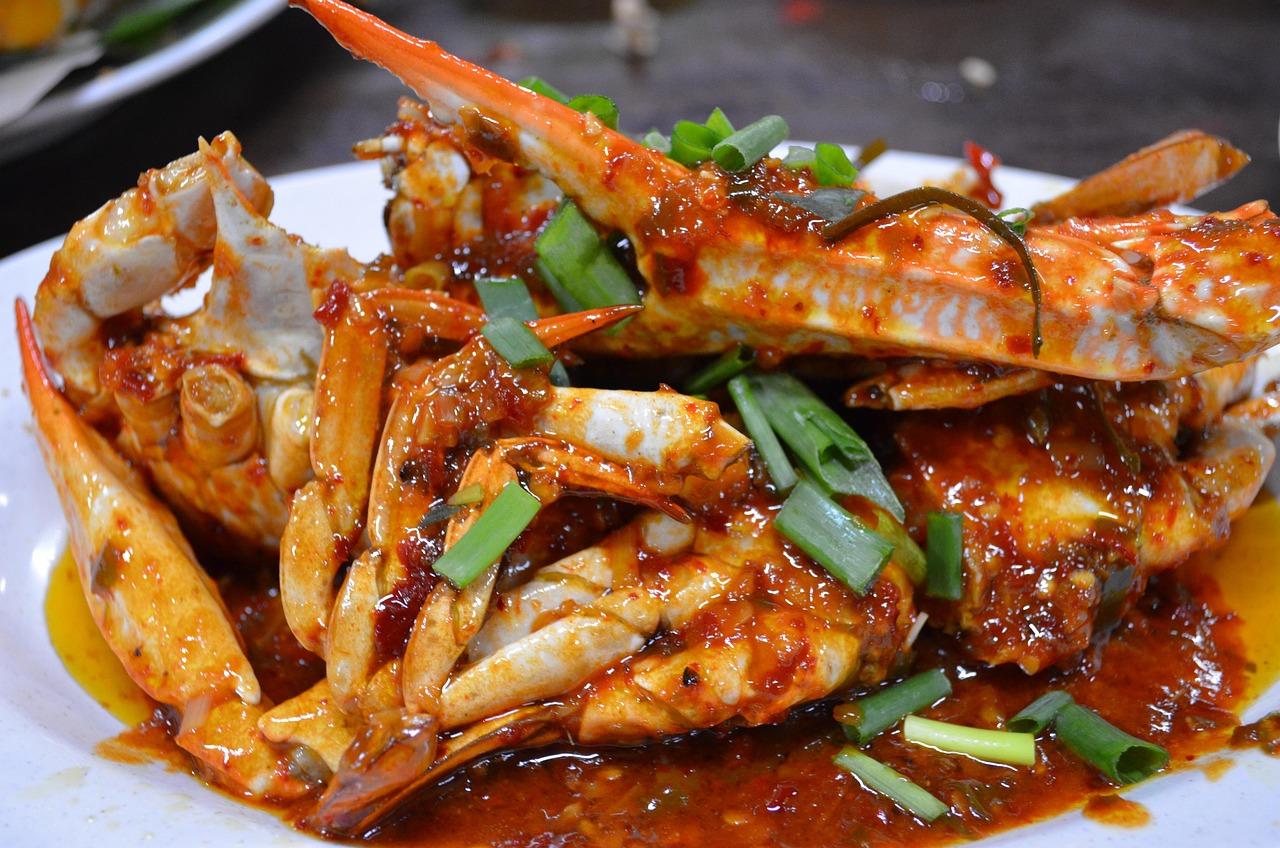
Chilli crab was first sold from a pushcart on the Kallang river in the 1950s and is now the dish visitors queue for along Singapore's East Coast seafood strip. Big mud crabs are cut up, wok-fried and simmered in a thick, sweet, tangy and gently hot sauce of chilli, tomato and garlic, which is then silked with beaten egg. Everyone eats with their hands and mops up the sauce with fried or steamed mantou buns. It is a weekend or celebration meal, messy and loud. Buy crabs live or freshly cooked the same day from a fishmonger you trust. Discard any live crab that doesn't move, smells of ammonia or has a cracked, leaking shell. The common mistake is boiling the sauce after adding the egg, which scrambles it into lumps; pour it in a thin stream over a low heat. Chef's tip: ask the fishmonger to clean and quarter the crab for you, and crack each claw lightly with the back of a cleaver so the sauce soaks in.
 Singaporean

Doi chira
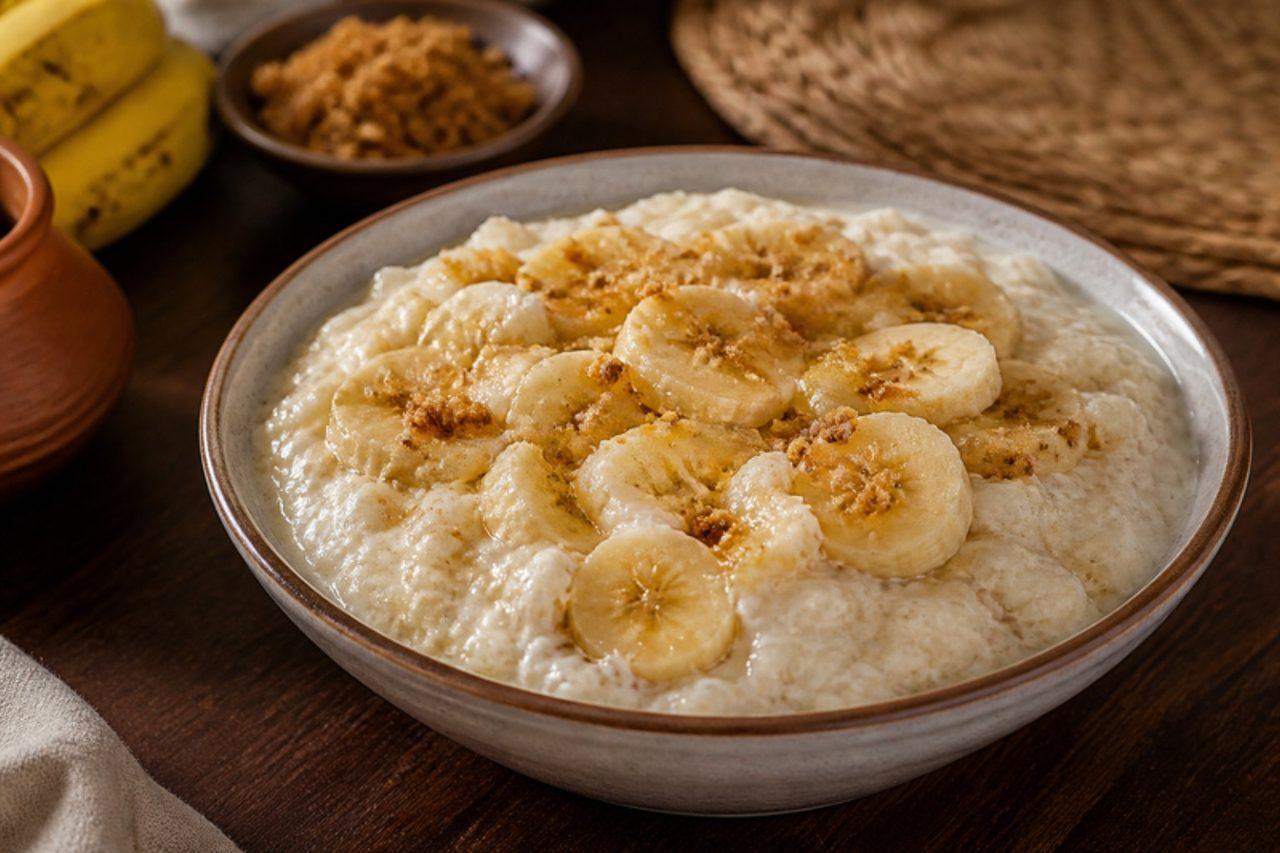
Nothing is cooked for doi chira, which is why it has been the breakfast of farmers and fishermen in Barisal for generations: flattened rice is rinsed, softened in thick, slightly sour curd and sweetened with jaggery or sugar, then mashed together with a ripe banana. The texture is soft and creamy with a little chew from the rice flakes, and the taste is cool, sweet and tangy. It is eaten on hot summer mornings, at village fairs and as part of the Pohela Boishakh spread, and it is a favourite of children and of anyone fasting who wants something gentle. The usual misstep is soaking the chira for too long, which turns it to paste; a quick rinse is all it needs before the curd does the rest. Chef's tip: use thick-cut chira, not the thin kind for frying, so the flakes hold their shape.

Rhode Island clam cakes
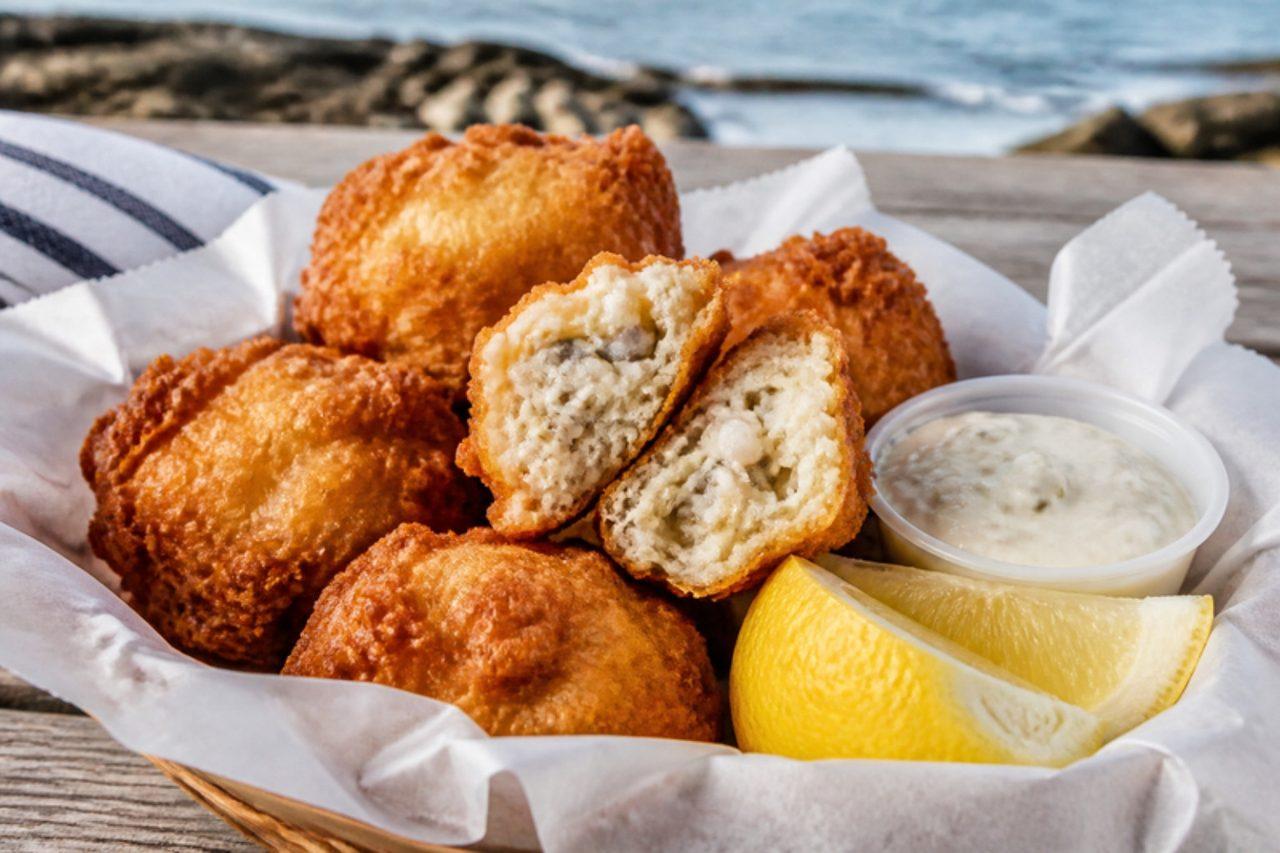
At beach shacks along Narragansett Bay and in Galilee, clam cakes are bought by the paper bag, half a dozen at a time, to dunk in a cup of clear clam chowder. They are not patties but craggy, golden fritters, crisp outside and soft inside, studded with chopped quahog clams. Chef's tip: use the clam juice as part of the liquid; it puts the sea flavour into every bite of batter.
 American