
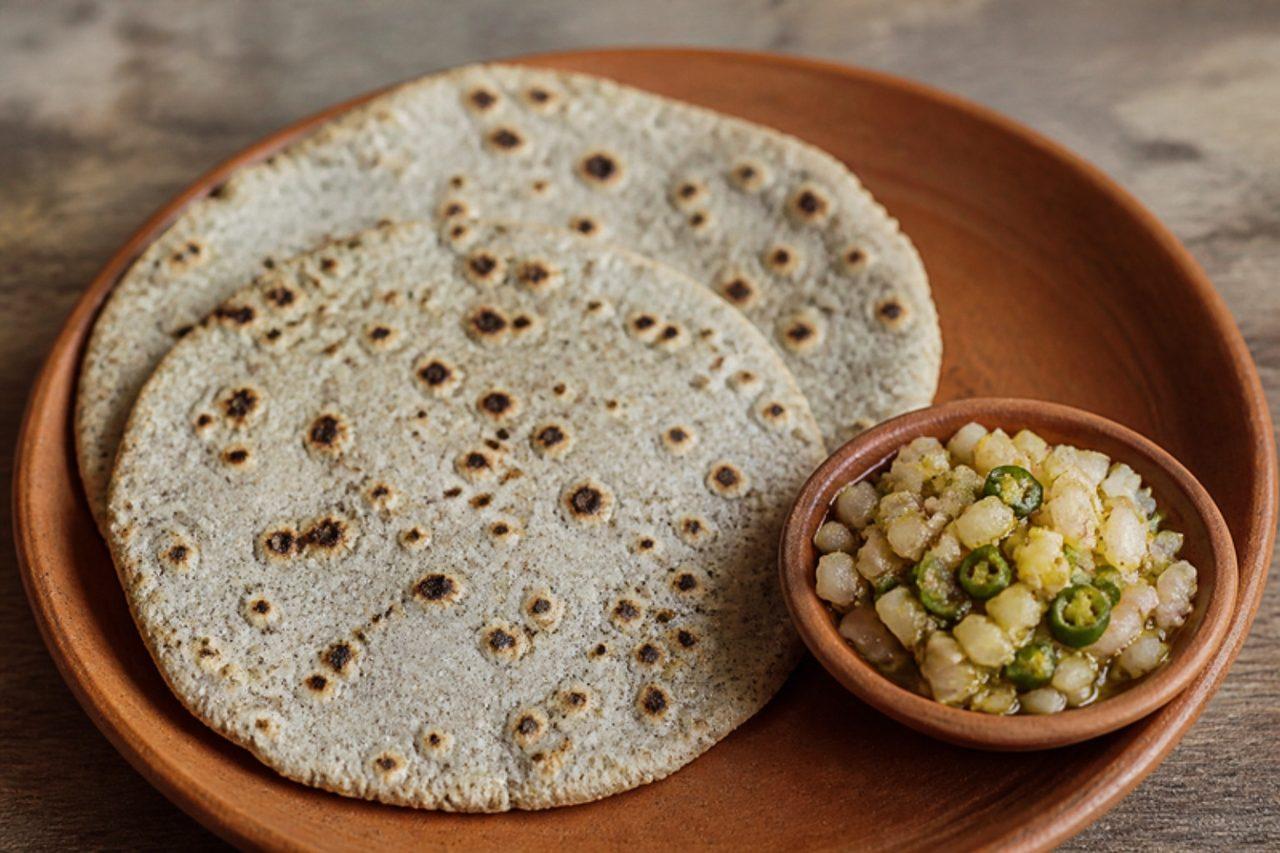
AI-generated image
Kalai ruti
Urad dal and rice flour bread
কালাই রুটি (kalai ruti): Chapai Nawabganj's thick urad-dal and rice-flour bread with chilli-onion bhorta



In Chapai Nawabganj and Rajshahi, kalai ruti stalls fire up as the weather turns cold, and the bread has become such a regional symbol that people from Dhaka make the trip just to eat it. Flour ground from mashkalai, or urad dal, is mixed with rice flour and hot water, then patted by hand between wet palms into thick rounds and baked on a clay tawa until speckled and toasty. The texture is dense, soft and slightly chewy, with an earthy, nutty taste. It is always eaten with something sharp: a raw bhorta of onion, green chilli and mustard oil, a smoky begun bhorta, or duck or beef curry in winter. Over-wet dough is what defeats most first attempts; it should be soft but hold its shape when patted. Chef's tip: keep a bowl of water beside you and wet your palms before shaping each ruti, which stops sticking and gives the characteristic smooth surface.
- Total time
- 45 min
- Difficulty
- medium
- Serves
- 4
Ingredients
For the ruti
- 3 ½ oz rice flour
- 1 tsp salt
- 1 cup waterhand-hot, roughly
For the chilli-onion bhorta
- 2 onionsvery finely chopped
- 4 green chilliesvery finely chopped
- 2 tbsp mustard oil
- 1 /2 tsp salt
- 2 tbsp fresh coriander (optional)chopped
Shop this recipe on Amazon
What you'll need
Spices & pantry
Fresh ingredients (3)
Links open Amazon in a new tab. As an Amazon Associate, WhatToEat.Today earns from qualifying purchases.
Method
0/7 doneStep 1: Mix 7 oz gluten-free urad dal flour (mashkalai flour), 3 ½ oz rice flour and 1 tsp salt in a bowl, pour in most of 1 cup water and stir, then knead with your hand into a soft, sticky-smooth dough, adding the rest only if needed. Cover and rest for 10 minutes.
3 minStep 2: For the bhorta, mix 2 onions, 4 green chillies, 2 tbsp mustard oil, 1 /2 tsp salt and 2 tbsp fresh coriander, squeezing with your fingers so the onion softens a little.
3 minStep 3: Heat a heavy cast-iron tawa, griddle or clay pan over a medium heat for 3 minutes.
3 minStep 4: Divide the dough into 4. With wet hands, pat one portion between your palms, turning it, into a round about 15 cm wide and 1 cm thick.
Step 5: Lay it on the dry tawa and cook for 4–5 minutes until the underside has brown spots and the ruti lifts easily.
5 minStep 6: Turn and cook the other side for 4 minutes, pressing the edges, until it sounds hollow when tapped. Keep warm under a cloth.
4 minStep 7: Shape and cook the rest, then serve hot with the bhorta.
15 min
Nutrition per serving
- Calories
- 330 kcal
- Protein
- 14 g
- Carbs
- 58 g
- Fat
- 6 g
- Fibre
- 8 g
Nutrition values are estimates.
KrazyBadal
Good to know
- How long does kalai ruti take?
- About 45 minutes in total: 15 minutes to prepare and 30 minutes to cook.
- How many people does it serve?
- 4 as written. Change the servings above the ingredients and every amount scales to match.
- Is it vegan?
- Yes. It has no meat, fish, dairy or eggs.
- Is it gluten free?
- Yes, as written. Check the labels on stock, sauces and spice mixes, which sometimes contain gluten.
- What can I use instead of onions?
- 2 shallots per onion.
Reviews
No reviews yet. Be the first to cook it.
Rate this recipe
Sign in to rate and review this recipe.
You might also like
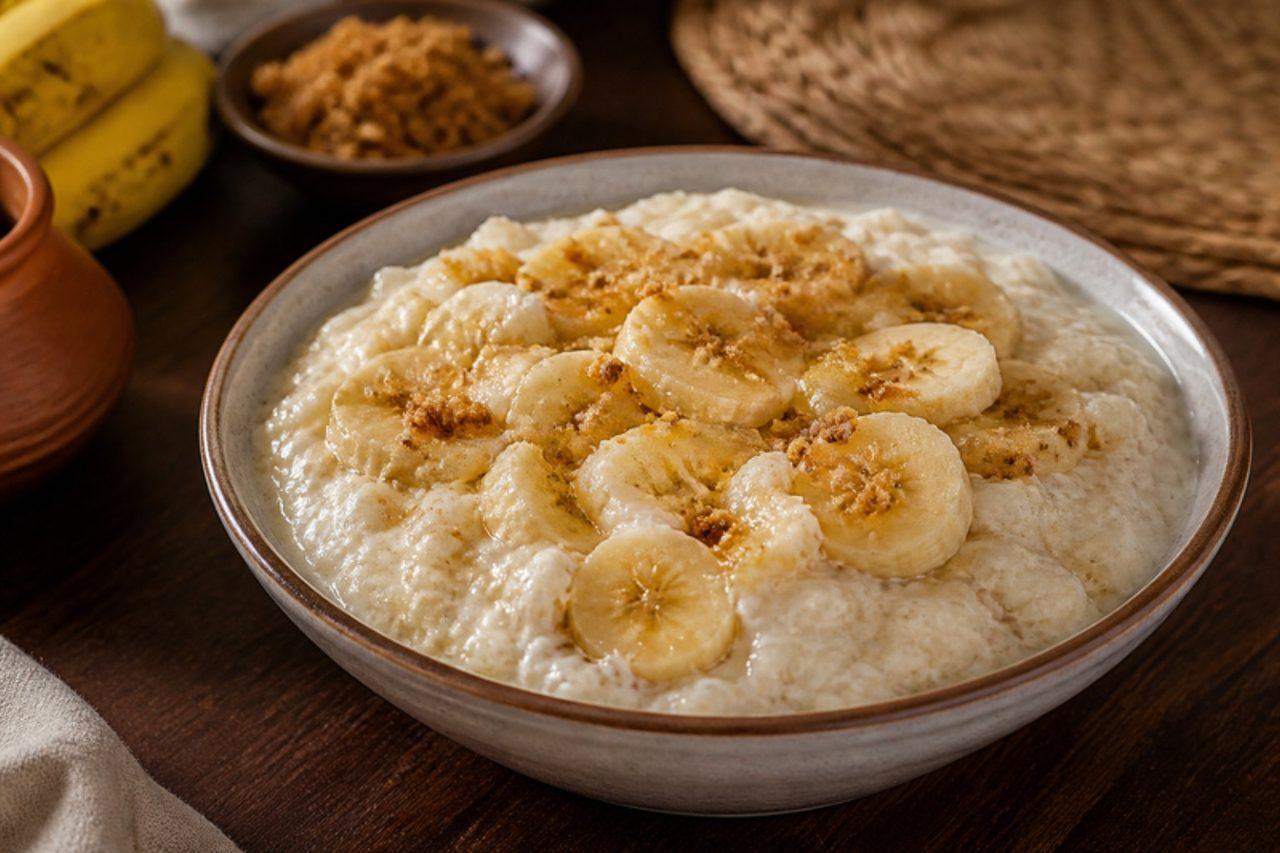
Doi chiraFlattened rice with curd
Nothing is cooked for doi chira, which is why it has been the breakfast of farmers and fishermen in Barisal for generations: flattened rice is rinsed, softened in thick, slightly sour curd and sweetened with jaggery or sugar, then mashed together with a ripe banana. The texture is soft and creamy with a little chew from the rice flakes, and the taste is cool, sweet and tangy. It is eaten on hot summer mornings, at village fairs and as part of the Pohela Boishakh spread, and it is a favourite of children and of anyone fasting who wants something gentle. The usual misstep is soaking the chira for too long, which turns it to paste; a quick rinse is all it needs before the curd does the rest. Chef's tip: use thick-cut chira, not the thin kind for frying, so the flakes hold their shape.

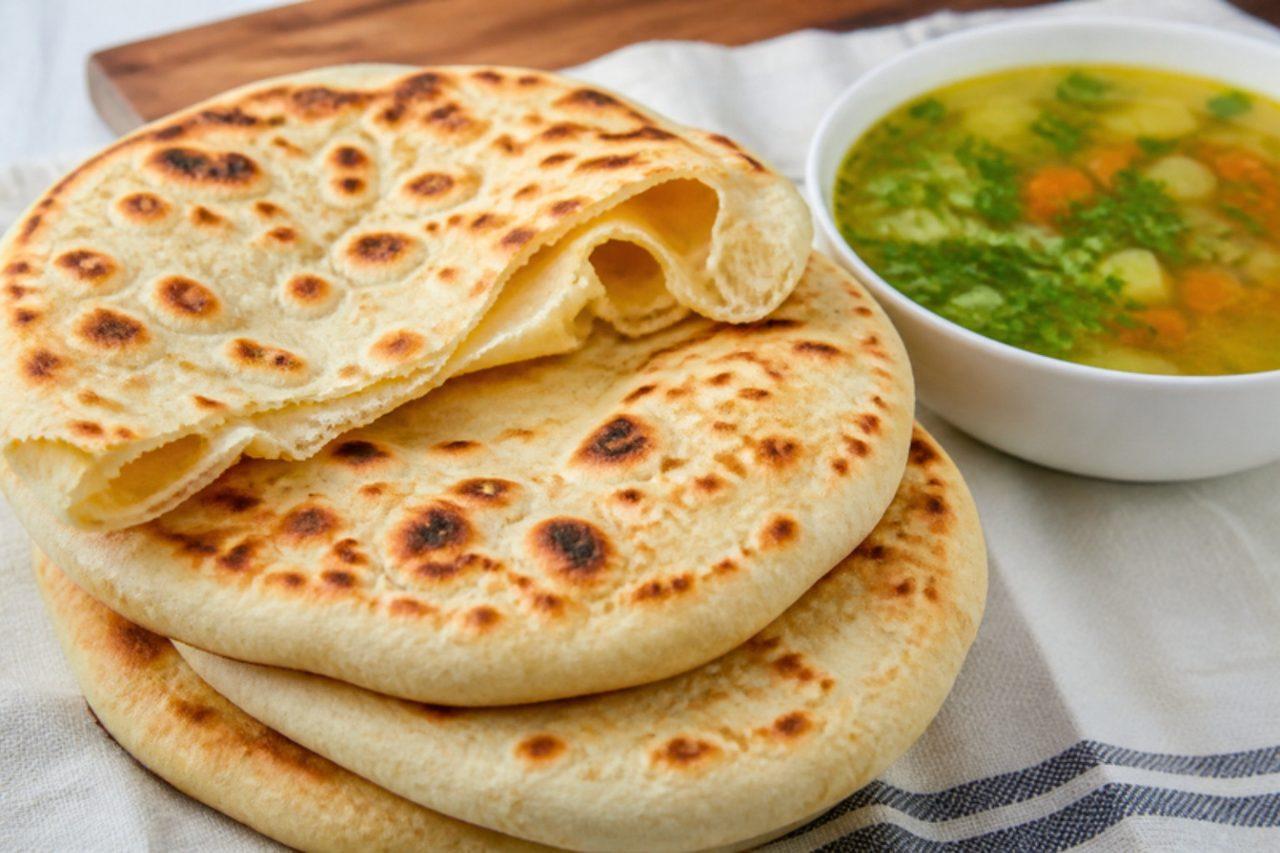
SalufPuffy flatbread
Saluf is the everyday bread of Yemenite Israelis, slapped onto a hot pan or taboon in Rosh HaAyin and Sha'arayim in Rehovot and eaten with marak temani, hilbe and zhug. It is soft and blistered, thicker than pita and with no pocket, made to tear and dunk. Home cooks often roll it too thin, which gives a cracker; it should be about 1 cm thick so it stays pillowy. Chef's tip: cook it under a lid on a very hot dry pan for the first minute, which traps steam and puffs it the way a taboon does.
 Israeli


ChipaCheese bread rings
In Paraguay you hear 'chipa, chipa!' called by vendors with big baskets on buses and street corners, and every family bakes it for Holy Week, when chipa is the food of Good Friday. Cassava starch, a little cornmeal, butter, eggs and a lot of hard cheese are kneaded into a dough scented with aniseed, shaped into rings or small rolls and baked in a hot oven, traditionally a domed clay tatakua. It's chewy, crisp outside and best warm with cocido (toasted yerba tea). Chef's tip: the dough should feel soft and slightly greasy; add milk a spoon at a time, as too much makes the chipa spread flat.
 Paraguayan