
AI-generated image
Kare-kare
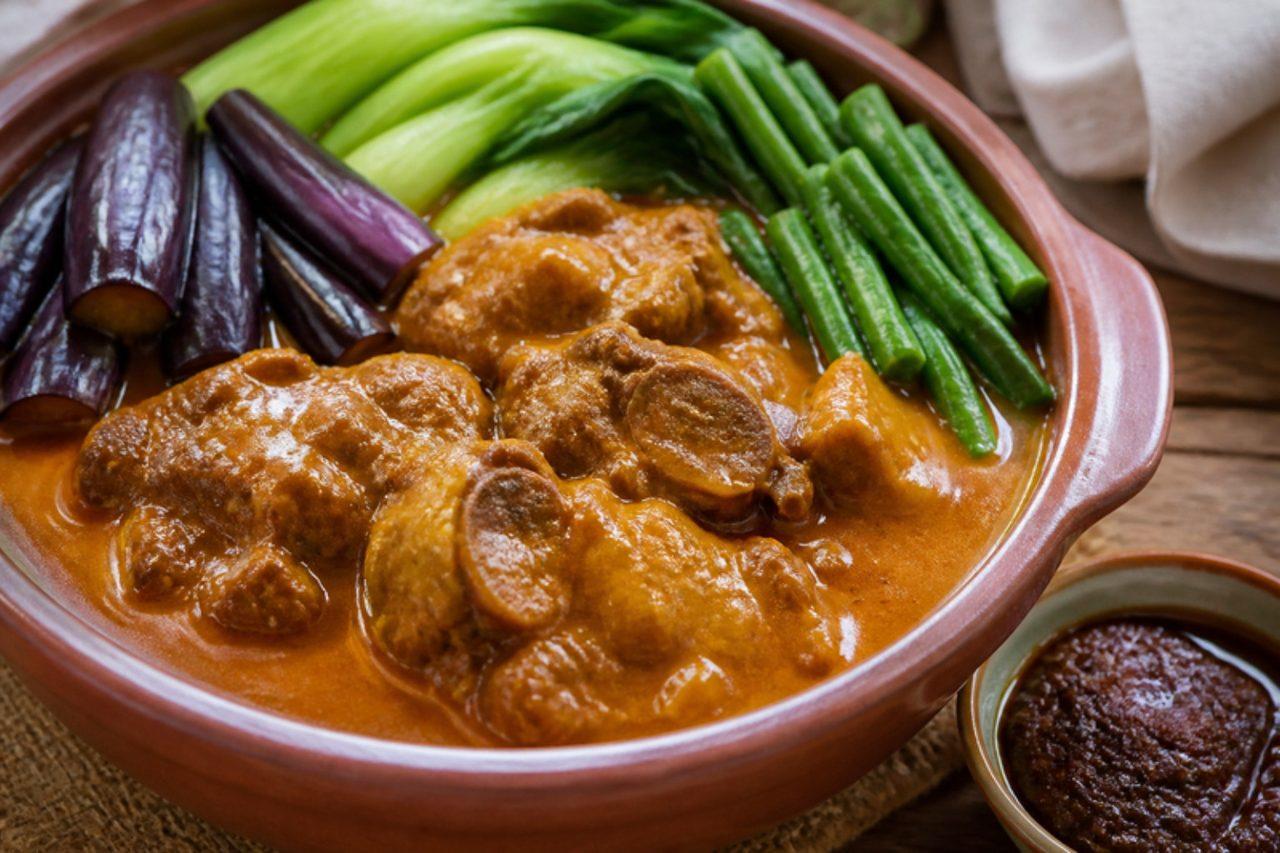
Kare-kare: Pampanga-style oxtail and vegetables in a golden peanut and toasted-rice sauce, served with shrimp paste
Kare-kare belongs to Pampanga, the province north of Manila that many Filipinos call the country's kitchen, and it is the stew families bring out for fiestas, birthdays and long Sunday lunches. Oxtail and beef shin are simmered until the meat falls from the bone, then finished in a thick, nutty sauce coloured orange with annatto and thickened with toasted ground rice. The sauce itself is barely salted on purpose: everyone adds a little sautéed shrimp paste (bagoong alamang) at the table, so the dish contains shellfish. Pile it over steamed rice with the aubergine, long beans and pak choi. Chef's tip: toast the rice in a dry pan until it is the colour of biscuits before grinding it; that roasted smell is what makes the sauce taste of kare-kare rather than plain peanut butter.
- Total time
- 240 min
- Difficulty
- hard
- Serves
- 6
Ingredients
For the braise
For the peanut sauce
For the vegetables
To serve
Method
0/10 doneStep 1: Put 3 ⅓ lb oxtail and 1 ⅛ lb beef shin in a large pot, cover with cold water and bring to the boil. Boil for 5 minutes, then drain and rinse the meat and the pot; this washes away the grey scum and keeps the sauce clean.
15 minStep 2: Return the meat to the pot with 12 ½ cups water, 1 onion, 2 bay leaves, 1 tsp black peppercorns and 1 tsp salt. Bring to the boil, cover with the lid ajar and simmer over a low heat for 2½–3 hours, until the oxtail meat pulls away from the bone with a fork. Top up with hot water if the meat peeks out.
165 minStep 3: Meanwhile toast 1 ¾ oz uncooked white rice in a dry frying pan over a medium-low heat, stirring, for 8–10 minutes until deep golden. Cool, then grind to a fine powder in a spice grinder.
10 minStep 4: Lift out the meat. Strain the broth and spoon off as much fat as you can; you need about 1.2 litres. Cool any leftover broth within 2 hours and refrigerate or freeze it.
10 minStep 5: Bring a pan of the broth to a simmer and blanch 2 long aubergines for 3 minutes, 7 oz long beans or green beans for 2 minutes and 10 ½ oz pak choi and 1 banana heart for 1 minute, until just tender. Lift them out and keep warm; overcooked vegetables turn grey in the sauce.
8 minStep 6: In a wide casserole warm 2 tbsp vegetable oil over a low heat with 1 tbsp annatto (achuete) seeds for 3 minutes, until the oil turns deep orange. Lift out and discard the seeds (if using powder, simply stir it in).
3 minStep 7: Add 6 cloves garlic and 1 onion to the orange oil and cook over a medium heat for 4–5 minutes until soft and fragrant.
5 minStep 8: Whisk 5 ½ oz smooth unsweetened peanut butter with 250 ml of the hot broth until smooth, then stir it into the pan with the rest of the 1.2 litres of broth and the 2 ⅛ oz roasted unsalted peanuts. Simmer for 5 minutes.
5 minStep 9: Whisk in the ground toasted rice a spoonful at a time and simmer, stirring often, for 10 minutes until the sauce coats the back of a spoon. A common mistake is adding salt now: keep it mild, because the shrimp paste brings the salt at the table.
10 minStep 10: Return the meat and warm it through for 10 minutes, until piping hot in the centre. Arrange the vegetables on top, and serve with 6 portions steamed white rice and small dishes of 6 tbsp sautéed shrimp paste (bagoong alamang) for everyone to add a little at a time.
10 min
Nutrition per serving
- Calories
- 780 kcal
- Protein
- 52 g
- Carbs
- 38 g
- Fat
- 46 g
- Fibre
- 6 g
Nutrition values are estimates.
KrazyBadal
Good to know
- How long does kare-kare take?
- About 240 minutes in total: 30 minutes to prepare and 210 minutes to cook.
- How many people does it serve?
- 6 as written. Change the servings above the ingredients and every amount scales to match.
- Can I make it ahead?
- Yes. It keeps well, so you can cook it earlier in the day or the day before and reheat it.
- What can I use instead of onion?
- 2 shallots per onion.
- What can I use instead of bay leaves?
- Leave it out, or a pinch of dried thyme (it's a background flavour).
Reviews
No reviews yet. Be the first to cook it.
Rate this recipe
Sign in to rate and review this recipe.
You might also like
Anhui bamboo shoots with ham
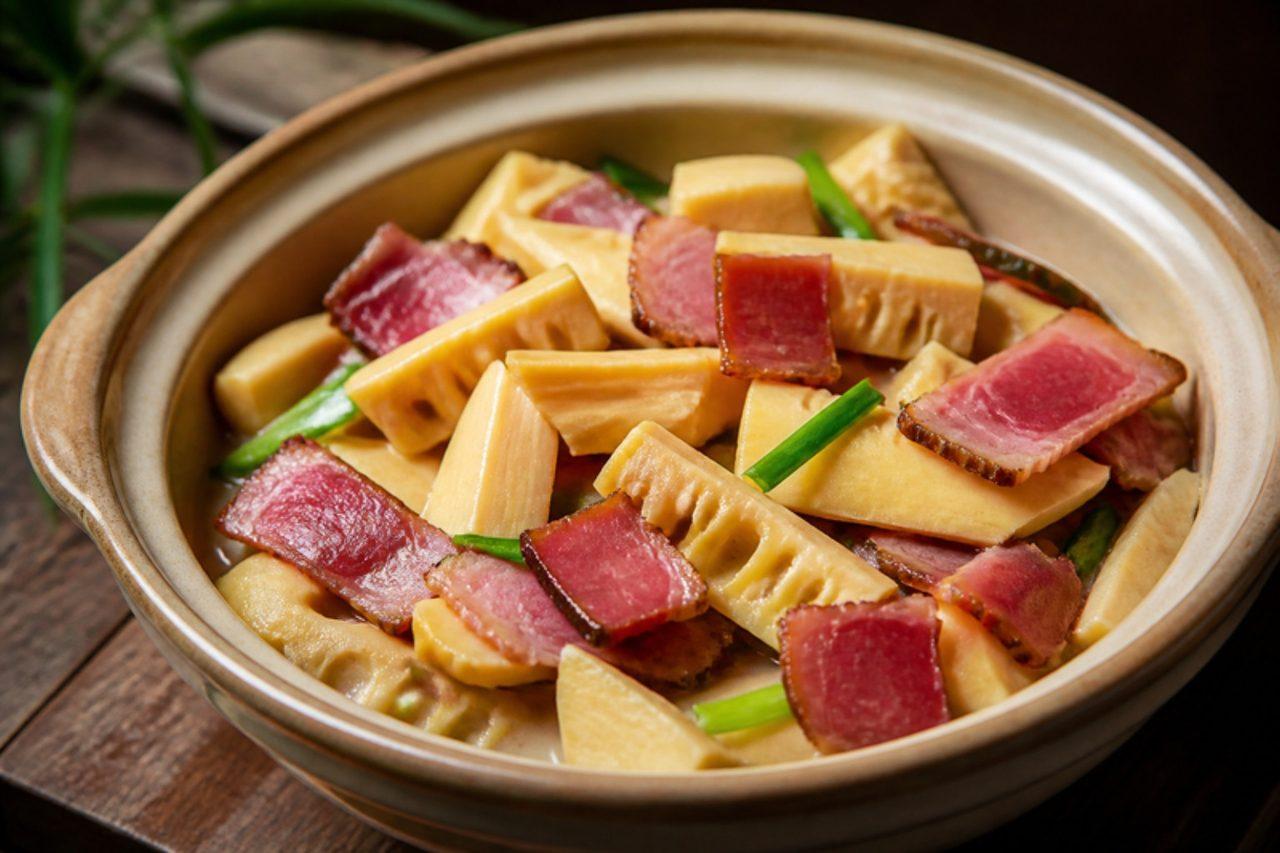
When the spring bamboo shoots push up through the hillsides of Huizhou, farmhouse kitchens braise them with chunks of the region's cured ham. The salty, deep-flavoured ham seasons the broth, and the shoots soak it up while keeping their crunch and gentle sweetness. Serve it as a side dish with rice and other plates, or as a light lunch by itself. Fresh bamboo shoots must be peeled and boiled before use, because raw shoots contain natural toxins; canned shoots are already cooked and only need rinsing. Chef's tip: taste the broth before adding any salt, as the ham often brings all the salt the dish needs.

Peking duck (home style)
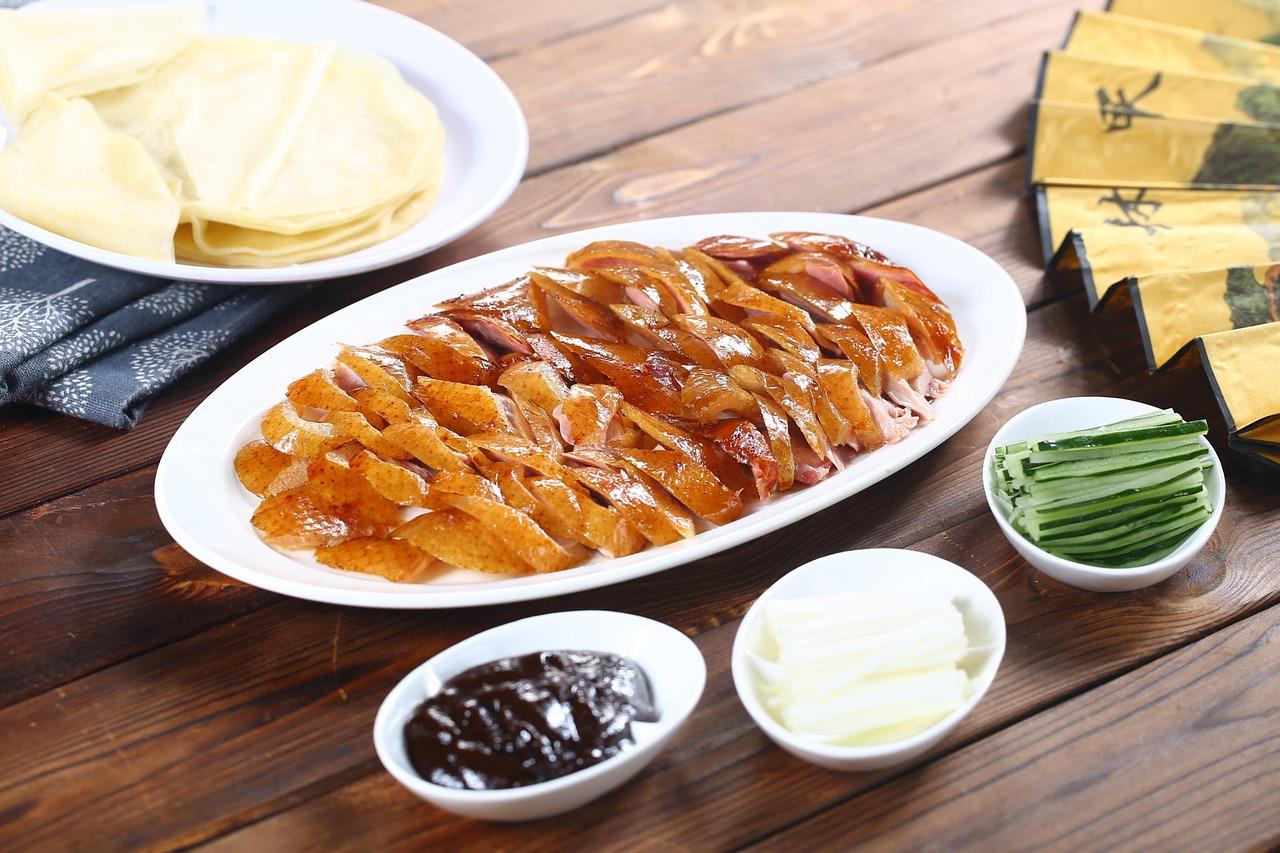
Beijing's famous roast duck is a banquet showpiece, carved at the table in restaurants near Qianmen and eaten in thin wheat pancakes with sticks of cucumber, spring onion and a smear of sweet bean sauce. Restaurants use hanging ovens and inflate the skin with air; at home a scald with boiling water, a sweet vinegar glaze and a night uncovered in the fridge get you most of the way there. The prize is the lacquered, glass-crisp skin, with the meat underneath still juicy. Serve it as the centrepiece of a family feast, followed by a simple soup made from the carcass. Chef's tip: dry the duck uncovered on a rack in the fridge for at least 12 hours; a dry skin is the whole secret.
Beef and broccoli stir-fry
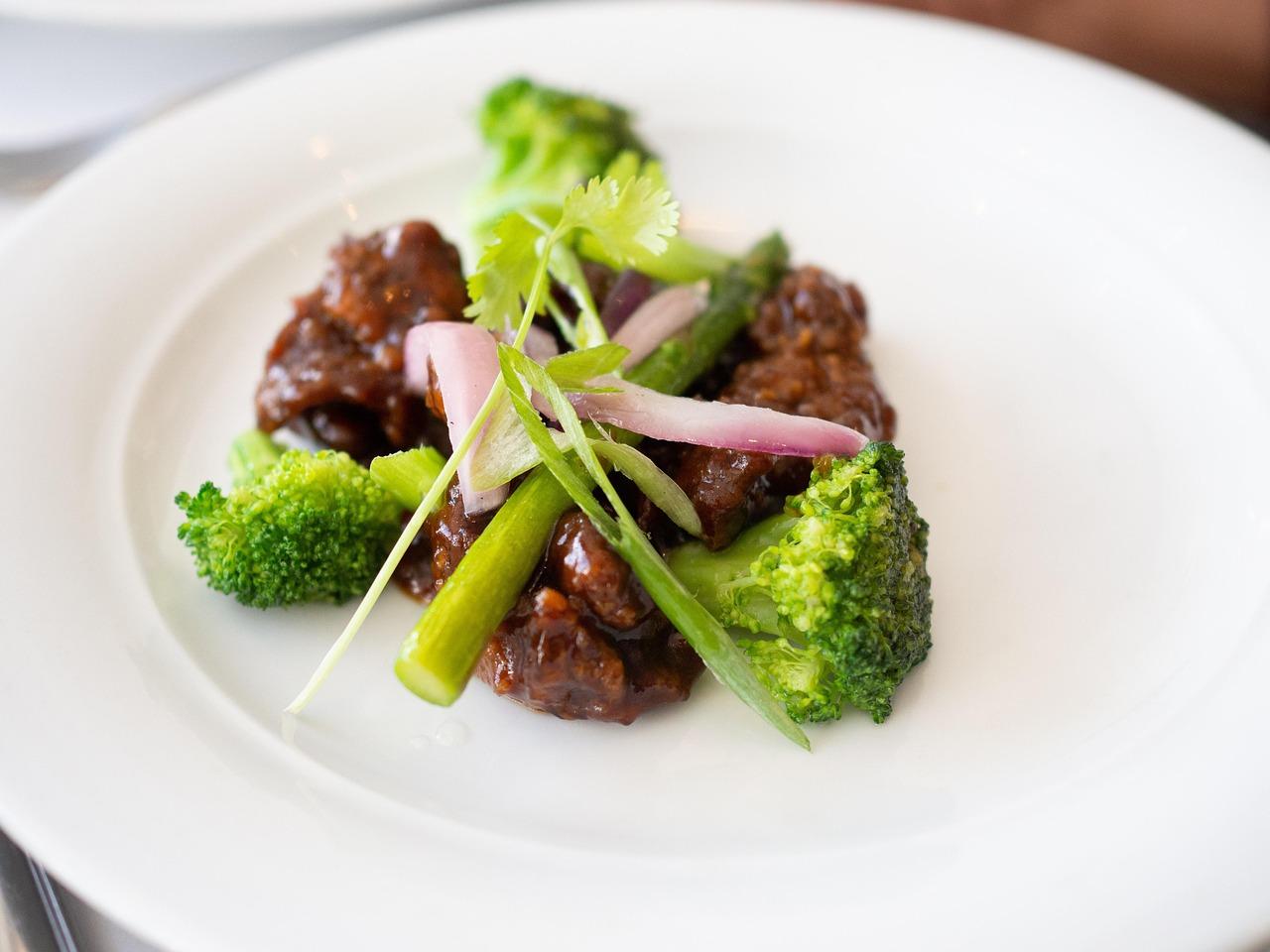
A quick coat of cornflour and soy keeps thin slices of beef silky, and a hot wok gives the broccoli char without overcooking it. Faster than ordering in.