

AI-generated image
Kimbula banis
Crocodile-shaped sweet bun
කිඹුලා බනිස් (kimbula banis): crocodile-shaped Sri Lankan bakery bun, soft inside with a crunchy sugar-crusted back (plus 1 1/2 hours rising)

Kimbula means crocodile, and these long, ridged buns with tapered ends and a back glittering with sugar are a childhood favourite from every Sri Lankan village bakery and the bread vans that drive the lanes playing tinny music each morning. The sweet, slightly enriched yeast dough is rolled up like a Swiss roll, tapered into a head and a tail, slashed along the top and showered with coarse sugar, which caramelises in the oven into a crunchy crust over a soft, fluffy crumb. They are eaten for breakfast or an afternoon snack with plain tea, often pulled apart along the ridges. Under-baking is the error that bakers see most, leaving the centre doughy; the buns should be a deep golden brown and sound hollow underneath. Chef's tip: sprinkle a layer of sugar on the dough before you roll it up, which gives sweet streaks inside as well as the crust on top.
- Total time
- 55 min
- Difficulty
- medium
- Serves
- 6
Ingredients
For the dough
- 1 ⅛ lb strong white bread flourplus extra for dusting
- 2 ⅛ oz sugar
- 1 tsp salt
- 1 cup whole milklukewarm
- 1 eggbeaten
- 1 ¾ oz unsalted buttersoft
For the topping
- 3 tbsp sugarfor inside the roll
- 2 tbsp milkfor brushing
- 4 tbsp coarse or crystal sugar
Shop this recipe on Amazon
Fresh ingredients (4)
Links open Amazon in a new tab. As an Amazon Associate, WhatToEat.Today earns from qualifying purchases.
Method
0/7 doneStep 1: Mix 1 ⅛ lb strong white bread flour, ¼ oz fast-action dried yeast, 2 ⅛ oz sugar and 1 tsp salt, add 1 cup whole milk and 1 egg and knead for 8 minutes, then knead in 1 ¾ oz unsalted butter for 2–3 minutes until smooth and elastic.
10 minStep 2: Cover and leave in a warm place for about 1 hour until doubled.
60 minStep 3: Knock back and divide into 6. Roll each piece into an oval about 20 x 12 cm and sprinkle with 3 tbsp sugar.
Step 4: Roll up tightly from a long side, pinch the seam closed and roll gently under your palms to taper both ends into a head and a tail.
Step 5: Place seam-side down on a lined tray, cover and leave to rise for 30 minutes until puffy. Heat the oven to 375°F (350°F fan).
30 minStep 6: With a sharp knife or scissors, make short diagonal slashes all along the top of each bun to look like ridges. Brush with 2 tbsp milk and sprinkle thickly with 4 tbsp coarse or crystal sugar.
Step 7: Bake for 18–22 minutes until deep golden brown and the buns sound hollow when tapped underneath. Cool on a rack.
22 min
Nutrition per serving
- Calories
- 420 kcal
- Protein
- 10 g
- Carbs
- 72 g
- Fat
- 10 g
- Fibre
- 2 g
Nutrition values are estimates.
KrazyBadal
Good to know
- How long does kimbula banis take?
- About 55 minutes in total: 30 minutes to prepare and 25 minutes to cook.
- How many people does it serve?
- 6 as written. Change the servings above the ingredients and every amount scales to match.
- Is it vegetarian?
- Yes. It has no meat or fish.
- What can I use instead of strong white bread flour?
- Plain flour, same amount (the dough will be softer and rise a little less).
- What can I use instead of fast-action dried yeast?
- Fresh yeast, three times the weight.
Reviews
No reviews yet. Be the first to cook it.
Rate this recipe
Sign in to rate and review this recipe.
You might also like

Polos curryYoung green jackfruit curry
Polos is the tiny unripe jackfruit picked in the Western and Sabaragamuwa provinces long before it sweetens, and cooked low and slow it becomes one of the island's most loved festival curries, especially at Sinhala and Tamil New Year in April and at wedding lunches. The firm, pale flesh soaks up a very dark roasted curry powder, garlic, ginger, goraka (a smoky souring fruit) and coconut milk until it turns almost black-brown and tastes rich, sour and meaty. Fresh polos is hard to find abroad; tinned young green jackfruit in brine works well. A frequent mistake is not cooking it long enough, which leaves it squeaky; the pieces must be soft enough to break with a spoon. Chef's tip: oil your hands and knife before cutting fresh jackfruit; the sticky white sap washes off oiled skin but not dry skin.


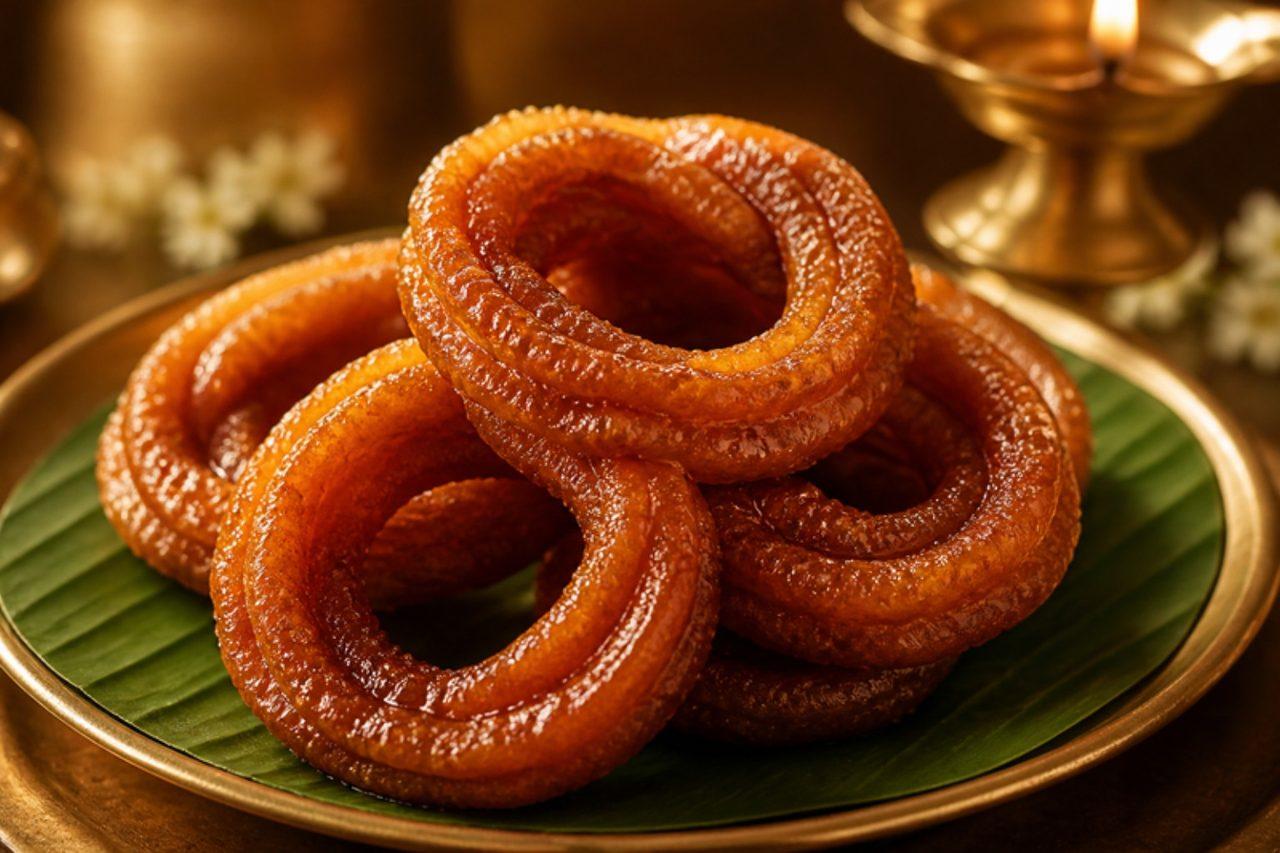
Undu walaluFried urad dal rings in treacle
Walalu means bangles, and these dark, sticky rings of fried urad dal soaked in kithul treacle are a sweet that Sinhala families bring out for Avurudu and for special almsgivings, often made in large batches by an aunt known for her steady hand. A thick, fluffy paste of ground black gram is piped into loops and fried until crisp, then plunged straight into warm treacle, so the rings stay crunchy on the outside while drinking up the syrup. They taste a little like a darker, smokier jalebi, with a toffee finish from the palm treacle. Watery batter is what ruins them; it spreads into flat blobs, so grind the soaked dal with as little water as possible and beat it until light. This recipe uses no asafoetida, so it is naturally gluten free. Chef's tip: pipe the rings onto small squares of baking paper and lower them into the oil paper and all; the paper peels away in seconds.
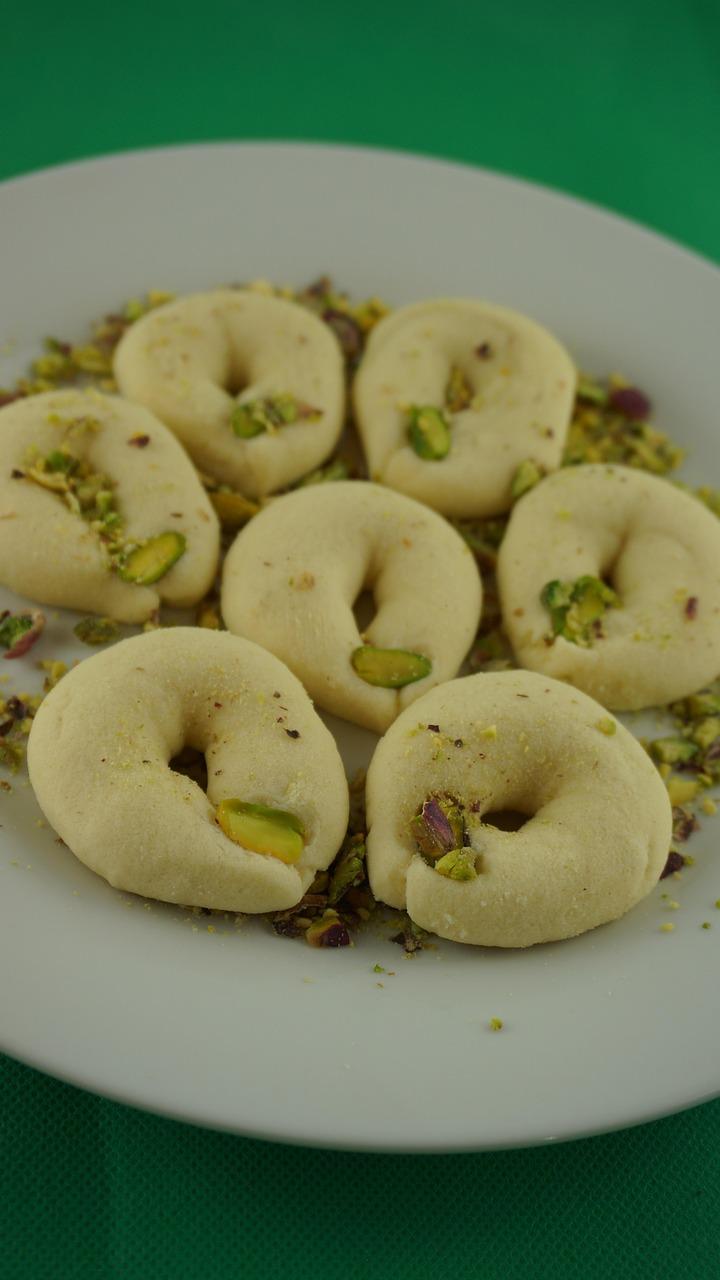
Ma'amoulDate and walnut butter pastries
Ma'amoul are delicate shortbread-like pastries made for Eid and Easter across the Middle East. A soft, rose-scented butter dough is wrapped around a filling of dates, walnuts, almonds and pistachios cooked with cinnamon, marked with a fork, baked pale and dusted with icing sugar. Makes 35; they keep well in a tin.