
AI-generated image
Kongbiji jjigae
Soybean pulp stew
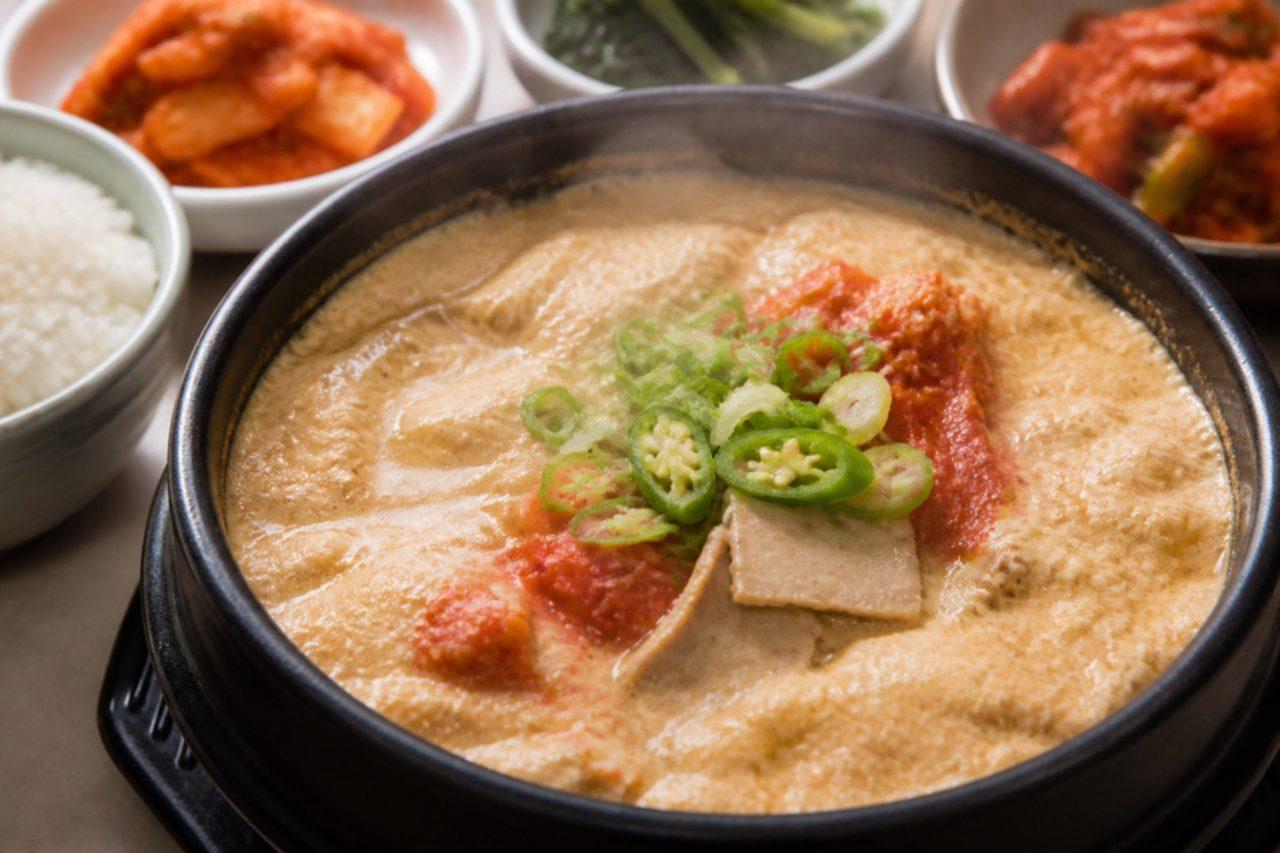
Kongbiji jjigae (콩비지찌개): thick stew of ground soaked soybeans with kimchi and a little pork

Kongbiji jjigae is the rustic winter stew of Korean farmhouses, once made with the soy pulp left from tofu-making and now with soaked soybeans blended into a creamy, nutty paste: it is simmered with sour kimchi and a little pork belly until thick, and eaten with rice in Gyeonggi and Chungcheong homes when the weather turns cold. It is filling, mildly spicy and full of protein. This recipe contains pork. A portion is about 290 kcal. Soak the soybeans overnight first (not counted). The most common mistake is stirring the stew once the bean paste goes in; it should be left to bubble gently so the beans set into soft curds on top. Chef's tip: use well-aged, sour kimchi; fresh kimchi tastes flat against the rich beans.
- Total time
- 40 min
- Difficulty
- medium
- Serves
- 4
Ingredients
- 5 ½ oz dried soybeanssoaked overnight and drained
- 2 cups watersplit
- 5 ½ oz pork belly or shoulderthinly sliced
- 7 oz sour, well-aged kimchichopped
- 1 tsp toasted sesame oil
- 2 garlic clovesminced
- 1 tbsp soup soy sauce (guk-ganjang)or light soy sauce
- ¼ tsp saltto taste
- 2 spring onionssliced
- 1 green chilli (optional)sliced
Shop this recipe on Amazon
What you'll need
Fresh ingredients (3)
Links open Amazon in a new tab. As an Amazon Associate, WhatToEat.Today earns from qualifying purchases.
Method
0/5 doneStep 1: Blend the drained 5 ½ oz dried soybeans with 250 ml of the 1 cup water until creamy but with a little texture, like thick porridge.
3 minStep 2: Heat 1 tsp toasted sesame oil in a heavy pot over a medium heat. Add 5 ½ oz pork belly or shoulder and stir-fry for 4 minutes, until no pink remains and the fat has started to render.
4 minStep 3: Add 7 oz sour, well-aged kimchi, 1 tsp gochugaru (Korean chilli flakes) and 2 garlic cloves and stir-fry for 4 minutes, until the kimchi softens and smells sweet. Pour in the rest of the ¾ cup water and simmer for 5 minutes, until the pork is cooked through to 160°F.
9 minStep 4: Pour the soybean paste over the top. Do not stir. Cover and simmer on a low heat for 10–12 minutes, until the paste has puffed up and set into soft curds and the raw bean smell has gone.
12 minStep 5: Season with 1 tbsp soup soy sauce (guk-ganjang) and ¼ tsp salt, stir gently once, top with 2 spring onions and 1 green chilli and serve bubbling with rice.
Nutrition per serving
- Calories
- 290 kcal
- Protein
- 20 g
- Carbs
- 14 g
- Fat
- 17 g
- Fibre
- 6 g
Nutrition values are estimates.
KrazyBadal
Good to know
- How long does kongbiji jjigae take?
- About 40 minutes in total: 15 minutes to prepare and 25 minutes to cook.
- How many people does it serve?
- 4 as written. Change the servings above the ingredients and every amount scales to match.
- What can I use instead of toasted sesame oil?
- Toasted sesame seeds ground with a little vegetable oil.
- What can I use instead of garlic cloves?
- ½ tsp garlic paste or ⅛ tsp garlic powder per clove.
Reviews
No reviews yet. Be the first to cook it.
Rate this recipe
Sign in to rate and review this recipe.
You might also like

Sayur lodehVegetables in coconut milk
Sayur lodeh is everyday cooking in Central Java, made in big pots in Solo and Semarang kitchens and ladled over rice, with lontong rice cakes at Lebaran, or alongside opor and sambal goreng on festive tables. It's soupy rather than thick: a fragrant broth of coconut milk, galangal, lemongrass and lime leaf that carries chunks of aubergine, long beans, chayote and sweetcorn, plus tempeh and tofu to make it a meal. The flavour is mellow and slightly sweet, so the heat comes from sambal on the side. Chef's tip: keep the pot at a gentle simmer once the coconut milk goes in and stir now and then — a rolling boil splits the coconut milk into oily curds.
 Indonesian


Chana masala
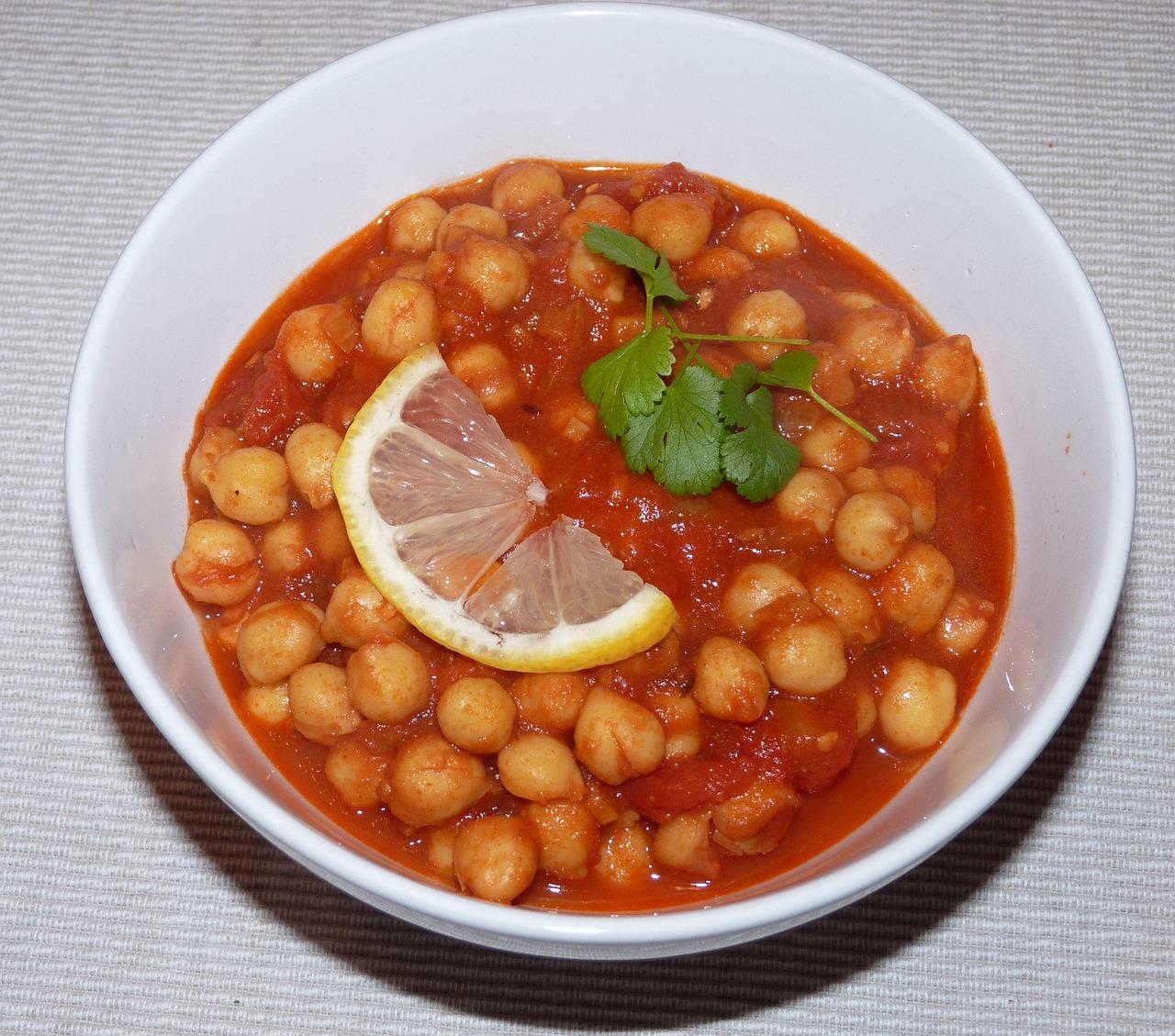
A North Indian staple that comes together from the store cupboard. Toasted cumin, slow-softened onion and a good spoonful of garam masala give tinned chickpeas real depth. Serve with rice, naan or a stack of warm rotis.
 Indian

Bagara bainganBaby aubergines in peanut sesame sauce
Bagara baingan is a Hyderabadi wedding dish of small aubergines cooked whole in a dark, tangy gravy of roasted peanuts, sesame, dried coconut and tamarind. Unlike a Gujarati stuffed brinjal, the aubergines here are only quartered at the base and fried until silky, then left to soak up a thin-but-rich sauce that is finished with a tempering, the 'baghar' that gives the dish its name. It's sour, nutty and gently spiced, and is served with biryani, bagara rice or plain rice. Chef's tip: choose small, glossy purple aubergines that feel heavy for their size; soft, light ones are full of seeds and turn mushy before the gravy has a chance to cling.