
 Singaporean
 Vegan
 Gluten free
Kueh tutu
Steamed rice flour cakes
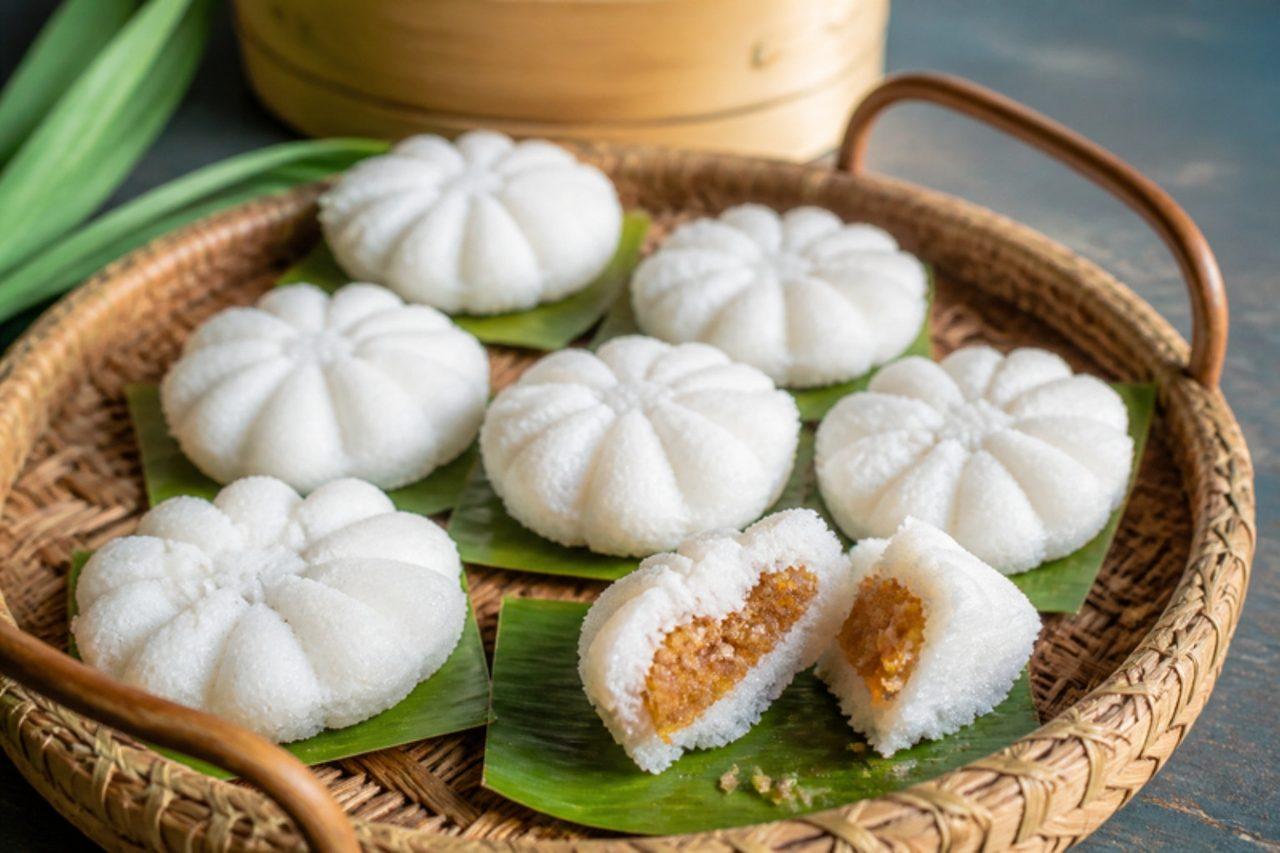
Kueh tutu: little flower-shaped steamed rice flour cakes filled with peanut or coconut, served on pandan
Pushcart sellers at Tanjong Katong and the old kampungs once made kueh tutu to order, and a few stalls in Queenstown and at Chinatown Complex still do: loose, fragrant rice flour is packed into small flower-shaped wooden moulds around a spoon of sweet ground peanut or brown-sugar coconut, steamed for barely three minutes on a cloth, then tipped onto a square of pandan leaf. Bite in and the white crumb dissolves, light and powdery-soft, around the crunchy or sticky centre. They are an afternoon snack, sold by the half-dozen and eaten warm on the spot. The usual mistake is making the rice flour too wet; it should feel like damp sand that just holds when squeezed, or the cakes turn dense and gummy. Chef's tip: toast the rice flour in a dry pan first and cool it; the cakes smell nuttier and the crumb steams up lighter.
- Prep
- 40 min
- Cook
- 25 min
- Difficulty
- Medium
- Serves
- 6
- Per serving
- 330 kcal
Ingredients
For the rice flour
- 9 oz fine rice flour
- ¼ tsp salt
- ½ cup wateradd gradually
For the peanut filling
- 1 ¾ oz sugar
For the coconut filling
- 2 ⅛ oz palm sugar (gula melaka) or dark brown sugarchopped
- 2 tbsp water
- 1 pandan leafknotted
To serve
- 6 pandan leavescut into 5 cm squares or lengths
Tick what you have; the rest goes in the basket.
Method
0/10 doneStep 1: Toast 9 oz fine rice flour in a dry wok over a low heat for 6–8 minutes, stirring constantly, until it smells faintly nutty but hasn't coloured. Spread on a tray to cool completely.
8 minStep 2: Grind 3 ½ oz roasted peanuts, skins removed and 1 ¾ oz sugar in short pulses to coarse crumbs, like breadcrumbs. Stop before it turns into peanut butter.
Step 3: Cook 3 ½ oz freshly grated or frozen coconut, 2 ⅛ oz palm sugar (gula melaka) or dark brown sugar, 2 tbsp water and 1 pandan leaf in a small pan over a low heat for 6–8 minutes, stirring, until the sugar melts and the coconut is sticky and dark brown, but not wet. Cool and remove the pandan.
8 minStep 4: Mix the cooled flour with ¼ tsp salt. Sprinkle in ½ cup water a spoonful at a time, rubbing with your fingertips, until it looks like damp sand that holds together when squeezed but crumbles when poked.
Step 5: Push the flour through a medium sieve to break up lumps and aerate it. Cover with a damp cloth.
Step 6: Set a steamer going over a medium-high heat and line the rack with a damp muslin cloth.
Step 7: Loosely fill a small kueh tutu mould (or a 5–6 cm tart tin) halfway with flour. Make a dip in the middle with your finger and add 1 tsp of filling, then top up with more flour and level gently with a palette knife without pressing hard.
Step 8: Cover the mould with a small square of muslin, turn it out onto the steamer cloth and lift the mould away. Repeat, spacing the cakes 2 cm apart.
Step 9: Steam for 3–4 minutes, until the cakes look matte and set and a light touch leaves no mark. Oversteaming makes them hard.
4 minStep 10: Lift each cake with its cloth and slide it onto a piece of 6 pandan leaves. Serve warm, a mix of peanut and coconut on each plate.
KrazyBadal
Reviews
No reviews yet. Be the first to cook it.
Rate this recipe
Sign in to rate and review this recipe.
You might also like

Kartoshka cakeCocoa and cake crumb truffles
Soviet cafés and school canteens sold these knobbly brown 'potatoes' for a few kopecks, and they began as a thrifty way to use up sponge and biscuit trimmings at the bakery. Crumbs are bound with butter and sweetened condensed milk, flavoured with cocoa and vanilla, shaped into little potatoes, rolled in cocoa and finished with two dabs of pale butter cream for the sprouts. They are fudgy and dense like a brownie truffle, need no oven, and children love making them. Traditional bakers added a spoonful of rum, an optional extra for adult batches only; this version is alcohol-free with vanilla. The usual slip is coarse crumbs, which make the potatoes crack, so blitz them as fine as sand. Chef's tip: chill the shaped potatoes for at least 20 minutes so they hold their shape and slice cleanly.
 Russian
Khao niao mamuangMango sticky rice
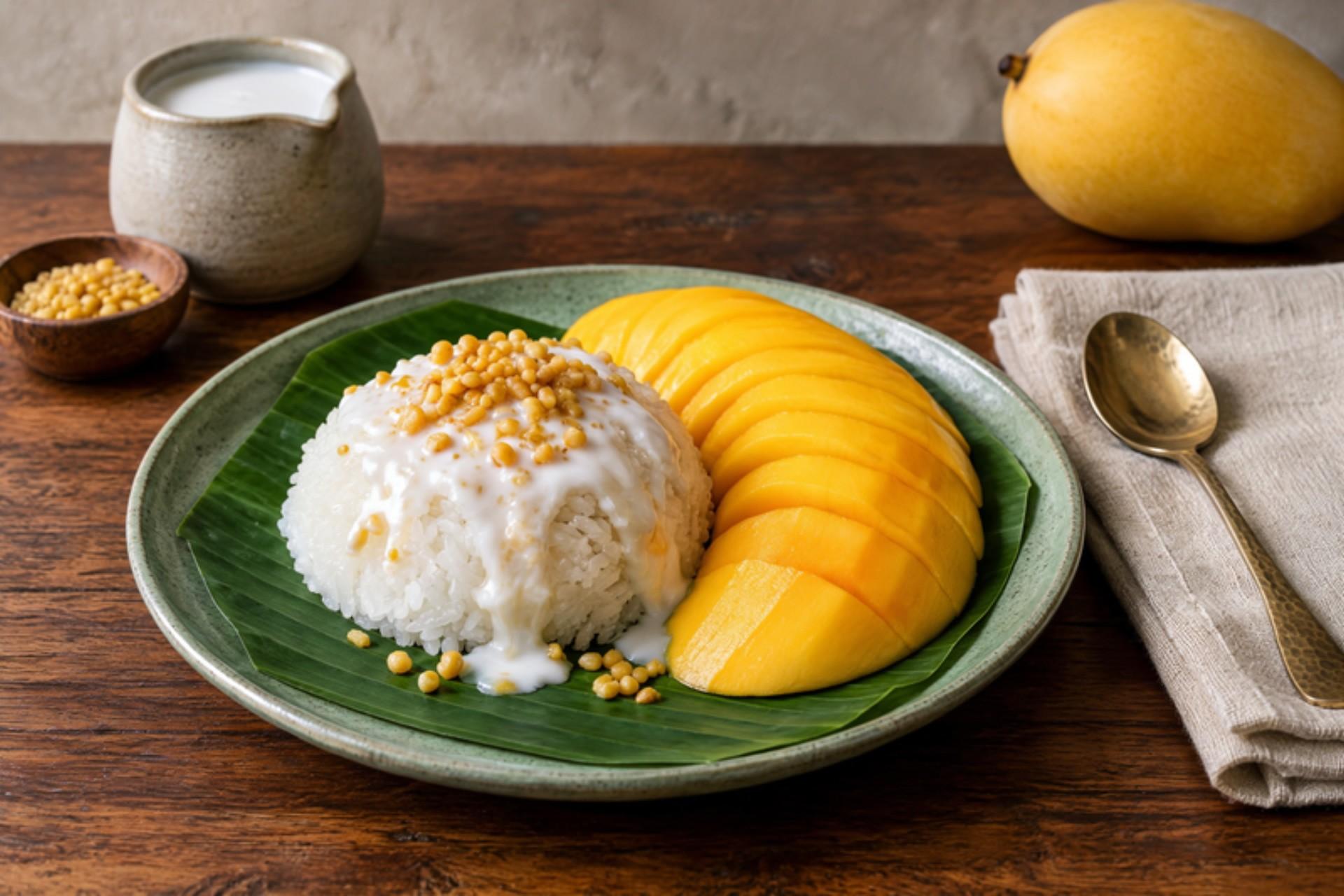
Khao niao mamuang is what Bangkok queues for in April and May, when nam dok mai and ok rong mangoes flood the markets at Pak Khlong Talat and street carts sell little foam boxes of it all afternoon. Steamed glutinous rice is soaked in warm, lightly salted sweet coconut milk until every grain turns glossy and plump, then served beside slices of ripe mango with a spoonful of thick salted coconut cream and a scatter of crisp yellow mung beans. The common mistake is boiling the rice like ordinary rice: glutinous rice must be soaked and then steamed, or it collapses into paste. Chef's tip: pour the coconut sauce over the rice while both are hot and cover the bowl for 15 minutes; hot rice drinks the sauce in, cold rice leaves it sitting on top.
 Thai
Undu walaluFried urad dal rings in treacle
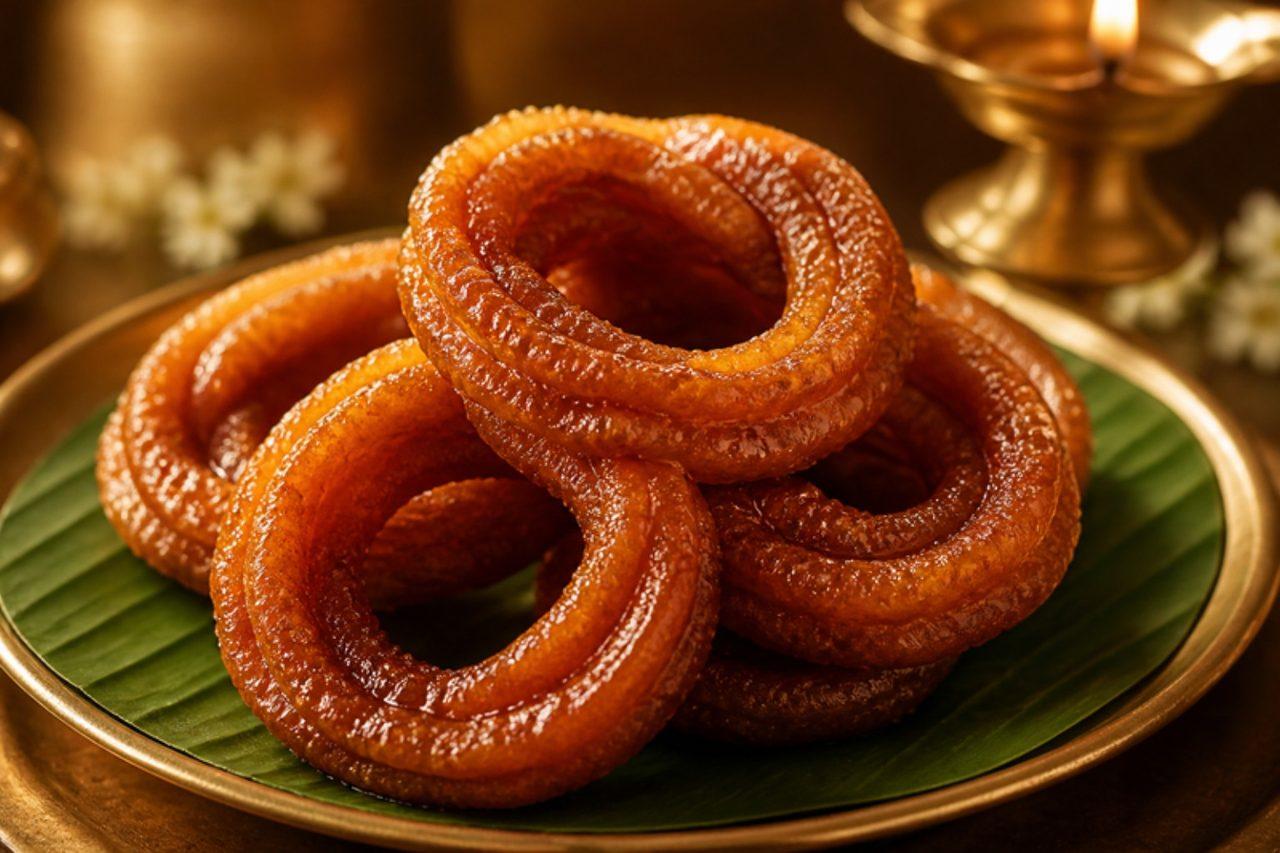
Walalu means bangles, and these dark, sticky rings of fried urad dal soaked in kithul treacle are a sweet that Sinhala families bring out for Avurudu and for special almsgivings, often made in large batches by an aunt known for her steady hand. A thick, fluffy paste of ground black gram is piped into loops and fried until crisp, then plunged straight into warm treacle, so the rings stay crunchy on the outside while drinking up the syrup. They taste a little like a darker, smokier jalebi, with a toffee finish from the palm treacle. Watery batter is what ruins them; it spreads into flat blobs, so grind the soaked dal with as little water as possible and beat it until light. This recipe uses no asafoetida, so it is naturally gluten free. Chef's tip: pipe the rings onto small squares of baking paper and lower them into the oil paper and all; the paper peels away in seconds.
 Sri Lankan