

AI-generated image
Kuru fasulye
Turkish white bean stew in olive oil and red pepper paste, made without meat


Kuru fasulye is close to a national dish in Turkey: a pot of white beans stewed in a red, paprika-scented sauce, eaten with rice pilaf, pickles (turşu) and raw onion at home and in the bean restaurants of Istanbul's Süleymaniye district. Many versions start with lamb or sucuk; this one leans on good olive oil, sweet and hot pepper paste and slow cooking, so the beans become creamy inside and the sauce silky and rich. It is a winter Friday-night staple for lots of families and tastes even better reheated the next day. Serve with domatesli bulgur pilavı or plain rice, a wedge of onion and crusty bread. Chef's tip: add the salt only once the beans are almost tender; salting at the start keeps the skins tough however long you cook them.
- Total time
- 90 min
- Difficulty
- easy
- Serves
- 4
Ingredients
Method
0/7 doneStep 1: Drain the soaked 10 ½ oz dried white beans, put them in a pan with fresh cold water to cover by 5 cm and bring to the boil over a high heat. Boil for 10 minutes, skimming off the foam, then drain. This first boil makes the beans easier to digest.
12 minStep 2: In a heavy casserole warm 4 tbsp olive oil over a medium heat. Add 2 onions and 2 long green peppers and cook gently for 8 minutes, until soft, sweet and just starting to colour at the edges.
8 minStep 3: Add 3 garlic cloves, 2 tbsp red pepper paste and 1 tbsp tomato paste. Stir for 2 minutes until the pastes darken and the oil turns brick red; keep the heat medium so they don't catch and turn bitter.
2 minStep 4: Stir in 2 tomatoes, 1 tsp sweet paprika and 1 tsp Aleppo pepper flakes and cook for 3 minutes until saucy. Add the drained beans and 4 ¼ cups hot water; the water should cover the beans by about 3 cm.
3 minStep 5: Bring to the boil, then lower the heat so the surface just trembles. Cover with the lid slightly ajar and simmer for 45–60 minutes, stirring gently once or twice and adding a splash of hot water if the beans peek above the liquid.
50 minStep 6: Bite a bean: when it is almost creamy in the middle, add 1 ½ tsp salt and ½ tsp ground black pepper and simmer uncovered for 10 more minutes so the sauce thickens and coats the beans. The most common mistake is salting earlier or adding cold water mid-cook, both of which leave the skins hard.
10 minStep 7: Turn off the heat and leave the pot to rest for 15 minutes; the sauce thickens further as it stands. Serve warm with pilaf, pickles and raw onion. It keeps for 3 days in the fridge.
Nutrition per serving
- Calories
- 390 kcal
- Protein
- 18 g
- Carbs
- 52 g
- Fat
- 13 g
- Fibre
- 17 g
Nutrition values are estimates.
KrazyBadal
Good to know
- How long does kuru fasulye take?
- About 90 minutes in total: 15 minutes to prepare and 75 minutes to cook.
- How many people does it serve?
- 4 as written. Change the servings above the ingredients and every amount scales to match.
- Is it vegan?
- Yes. It has no meat, fish, dairy or eggs.
- Is it gluten free?
- Yes, as written. Check the labels on stock, sauces and spice mixes, which sometimes contain gluten.
- Can I make it ahead?
- Yes. It keeps well, so you can cook it earlier in the day or the day before and reheat it.
- What can I use instead of onions?
- 2 shallots per onion.
- What can I use instead of garlic cloves?
- ½ tsp garlic paste or ⅛ tsp garlic powder per clove.
Reviews
No reviews yet. Be the first to cook it.
Rate this recipe
Sign in to rate and review this recipe.
You might also like

Sayur lodeh
Sayur lodeh is everyday cooking in Central Java, made in big pots in Solo and Semarang kitchens and ladled over rice, with lontong rice cakes at Lebaran, or alongside opor and sambal goreng on festive tables. It's soupy rather than thick: a fragrant broth of coconut milk, galangal, lemongrass and lime leaf that carries chunks of aubergine, long beans, chayote and sweetcorn, plus tempeh and tofu to make it a meal. The flavour is mellow and slightly sweet, so the heat comes from sambal on the side. Chef's tip: keep the pot at a gentle simmer once the coconut milk goes in and stir now and then — a rolling boil splits the coconut milk into oily curds.


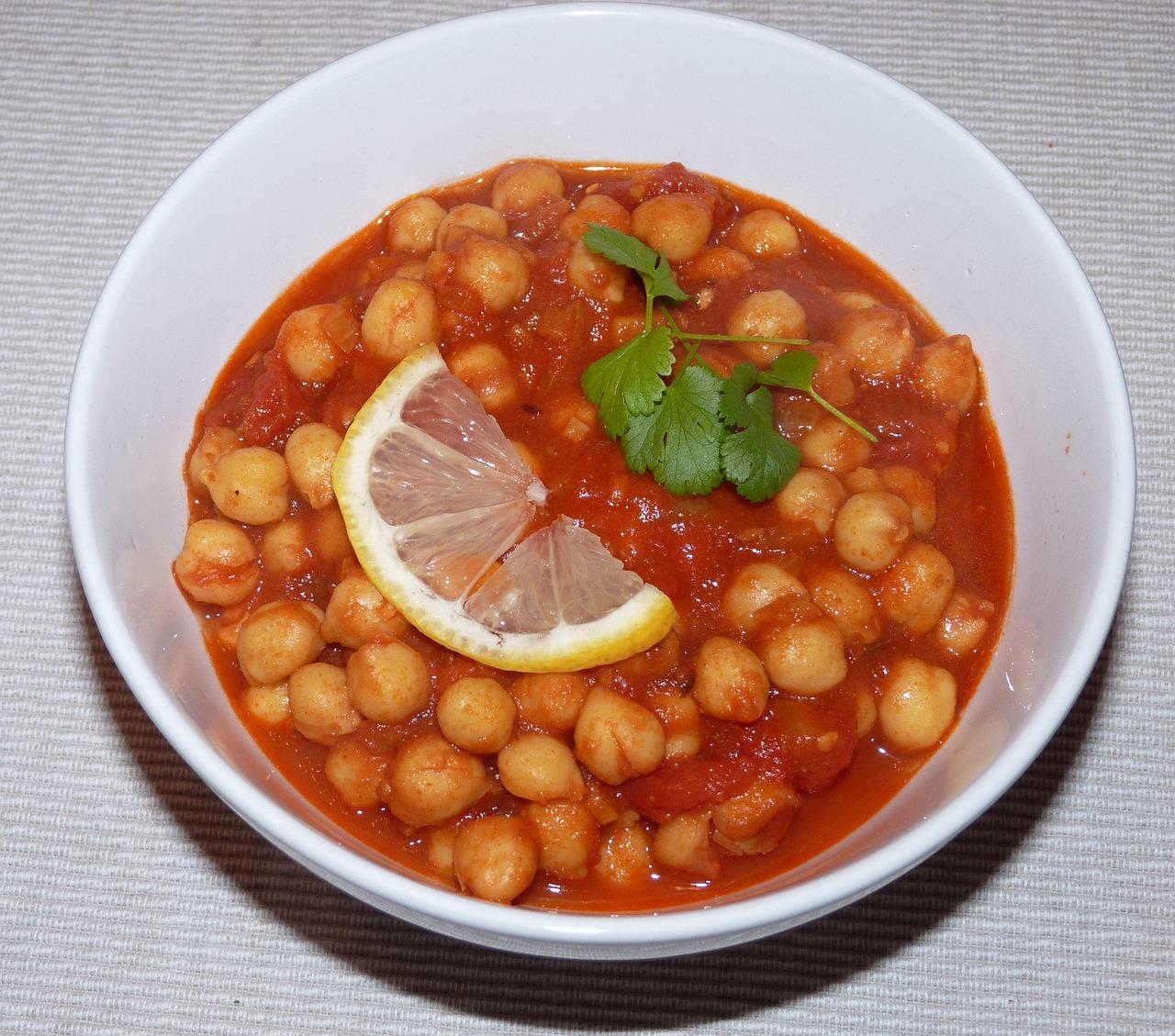
Chana masala
A North Indian staple that comes together from the store cupboard. Toasted cumin, slow-softened onion and a good spoonful of garam masala give tinned chickpeas real depth. Serve with rice, naan or a stack of warm rotis.

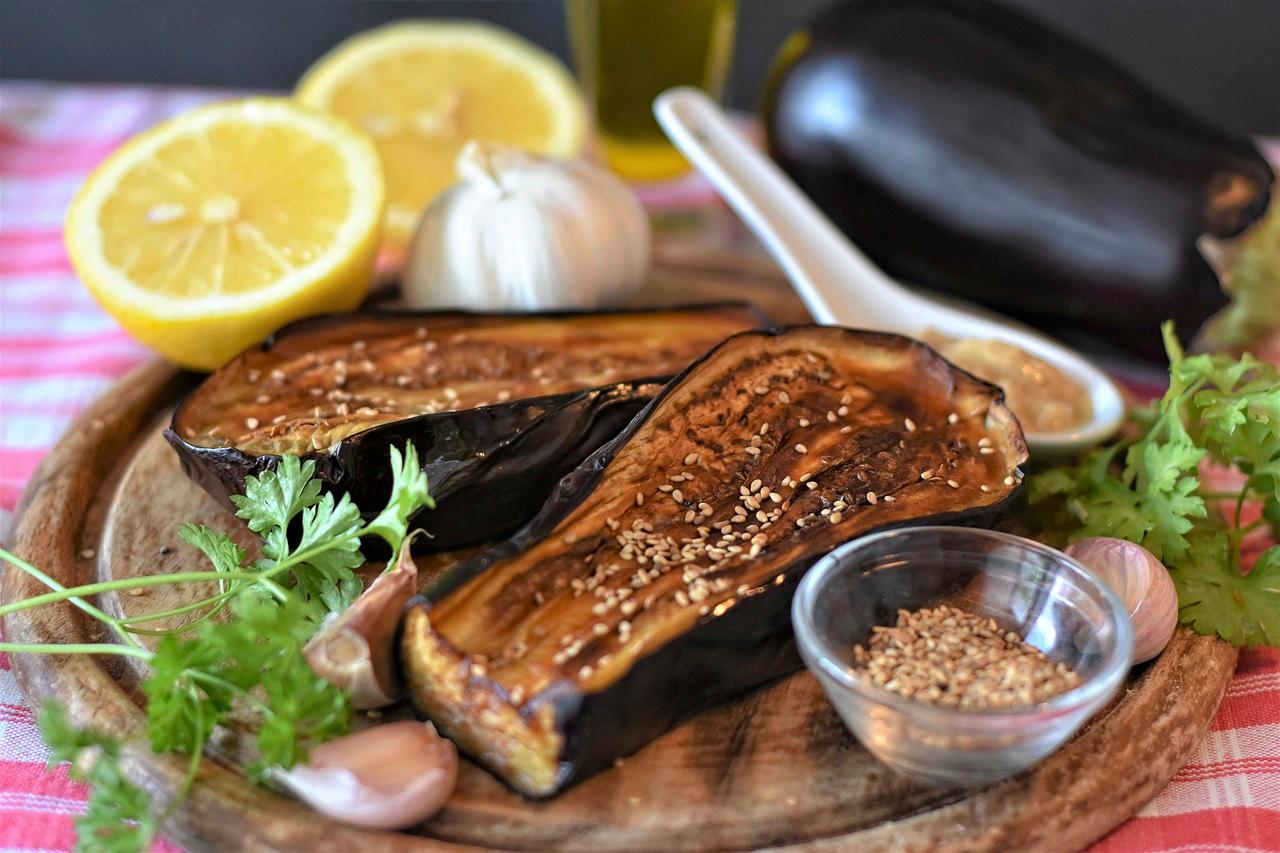
Smoky spiced aubergine
Whole aubergines charred over a flame until the skin blackens and the flesh turns soft and smoky, then chopped and tossed with onion, tomato, ginger, garlic and green chillies. A few black specks left in the flesh add to the smoky flavour. Serve hot with yogurt and millet rotla.
