
AI-generated image
Lablabi
Tunis's garlicky chickpea soup poured over stale bread, with harissa and cumin

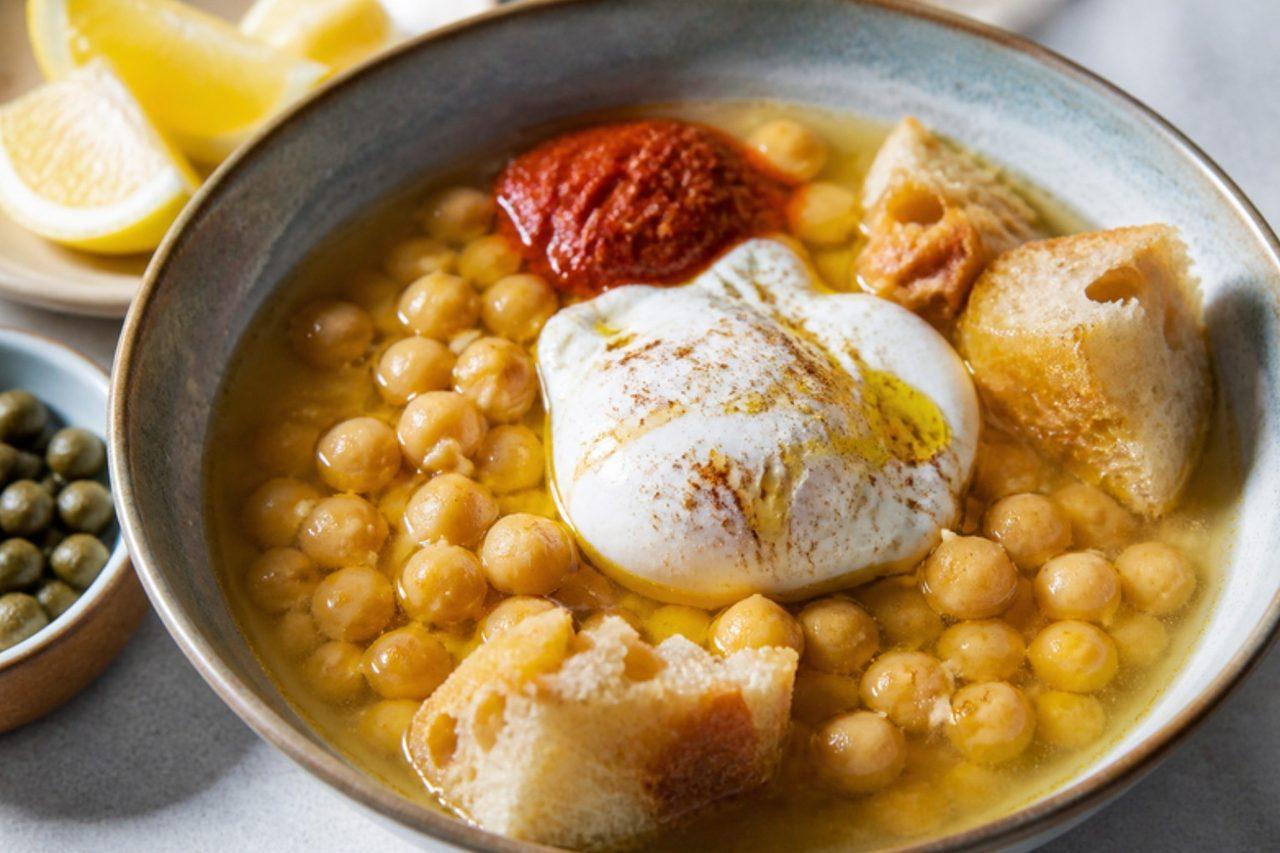
Lablabi is the working breakfast of Tunis, served from steaming cauldrons in tiny shops near the medina and the markets from dawn, and eaten all over Tunisia on cold winter mornings. Torn day-old bread goes into the bowl first, then hot chickpeas and their garlicky broth, and everyone dresses their own with harissa, cumin, olive oil, lemon and capers; many add a soft-poached egg that is broken through the bread. Chef's tip: let the bread soak for a minute before you stir in the harissa, so it turns soft and spoonable but not mushy.
- Total time
- 95 min
- Difficulty
- easy
- Serves
- 4
Ingredients
For the chickpeas
For each bowl
Method
0/4 doneStep 1: Drain 10 ½ oz dried chickpeas, cover with 1.8 litres water in a large pot and bring to the boil. Skim off the foam, then simmer, half covered, for 60–75 minutes until very tender and creamy inside.
75 minStep 2: Add 6 cloves garlic, 2 tsp ground cumin and 1 ½ tsp salt and simmer for 5 more minutes. The broth should taste strongly of garlic and cumin. Common mistake: draining the cooking water — it is the soup.
5 minStep 3: Divide 7 oz day-old crusty bread between deep bowls. Ladle over the chickpeas and plenty of hot broth to cover, and leave for 1 minute.
Step 4: Spoon 4 tsp harissa paste on top, drizzle with 4 tbsp extra virgin olive oil, squeeze over 1 lemon and sprinkle with 1 tsp ground cumin and 1 tbsp capers. Slip a poached egg from 4 eggs into each bowl if you like, break it, and stir everything together before eating.
Nutrition per serving
- Calories
- 520 kcal
- Protein
- 22 g
- Carbs
- 66 g
- Fat
- 19 g
- Fibre
- 14 g
Nutrition values are estimates.
KrazyBadal
Good to know
- How long does lablabi take?
- About 95 minutes in total: 15 minutes to prepare and 80 minutes to cook.
- How many people does it serve?
- 4 as written. Change the servings above the ingredients and every amount scales to match.
- Is it vegetarian?
- Yes. It has no meat or fish.
- Is it very spicy?
- It has some heat. Use less chilli for a milder version, or more if you like it hot.
- What can I use instead of dried chickpeas?
- Cannellini or butter beans, same amount.
- What can I use instead of garlic?
- ½ tsp garlic paste or ⅛ tsp garlic powder per clove.
Reviews
No reviews yet. Be the first to cook it.
Rate this recipe
Sign in to rate and review this recipe.
You might also like

Soto Banjar
Along the rivers of Banjarmasin in South Kalimantan, breakfast often means soto Banjar eaten at a wooden riverside warung, sometimes after a dawn trip to the floating market. Unlike the turmeric sotos of Java, this broth is pale and clear, perfumed with the sweet spices that traders brought up the river centuries ago: cinnamon, cloves, star anise, cardamom and nutmeg. Shredded chicken, glass noodles, carrot and a boiled egg go into the bowl with rice cakes, and lime and a little chilli sharpen it at the table. Chef's tip: toast the whole spices in the pan for a minute before the paste goes in; it brings out their sweetness without the dusty edge of ground spice.


Miso soup
Miso soup (味噌汁) is drunk every day in homes all over Japan, at breakfast as well as dinner, beside a bowl of rice. The base is dashi; this vegan version uses kombu and dried shiitake instead of bonito, which gives it a deep, rounded flavour. Silken tofu and wakame seaweed are the classic fillings. It takes ten minutes; just remember not to boil the miso. Chef's tip: add the miso at the very end and never let it boil. Boiling kills the miso's fresh, fermented aroma; Japanese cooks say the soup should only 'smile', with the surface barely trembling.

Carrot & coriander soup
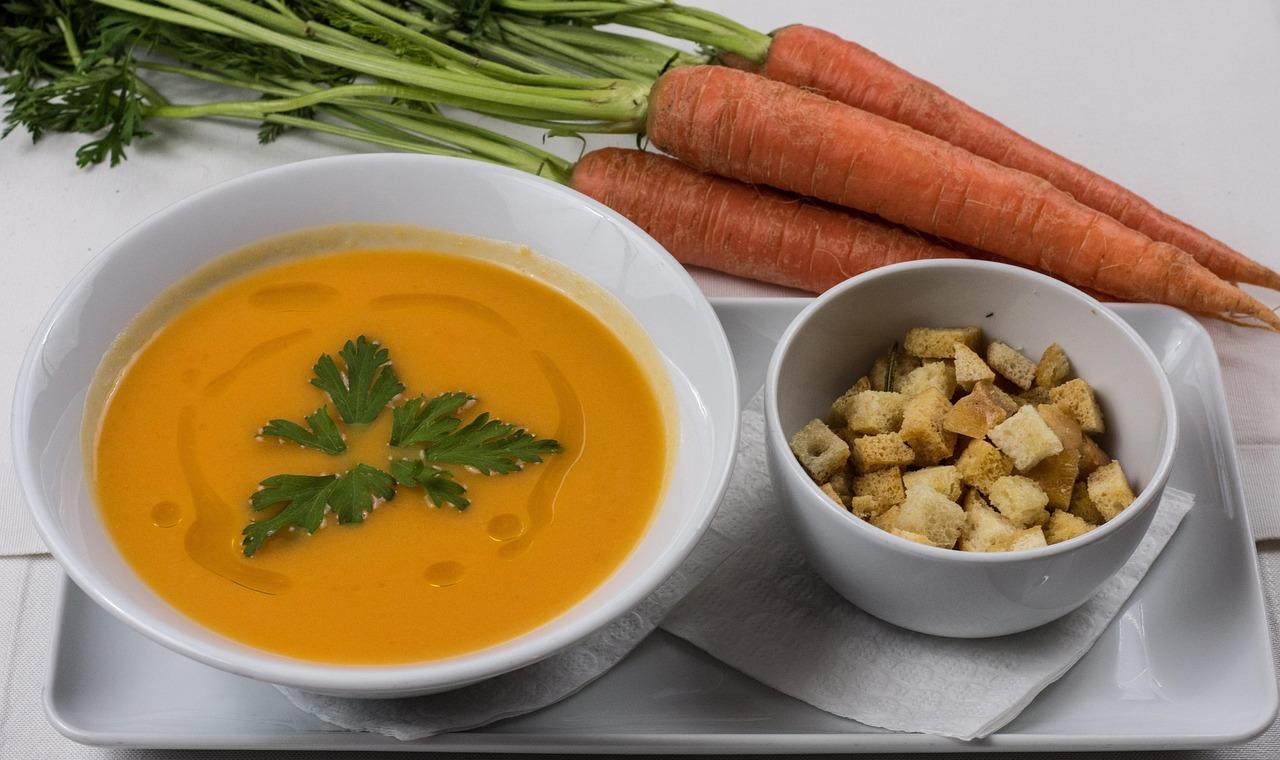
A smooth, velvety carrot soup blended with potato for body and finished with butter-fried coriander and a splash of milk. It's mild and warming, so it suits the whole family. Serve it with crusty bread or croutons.