
AI-generated image
Malai ko
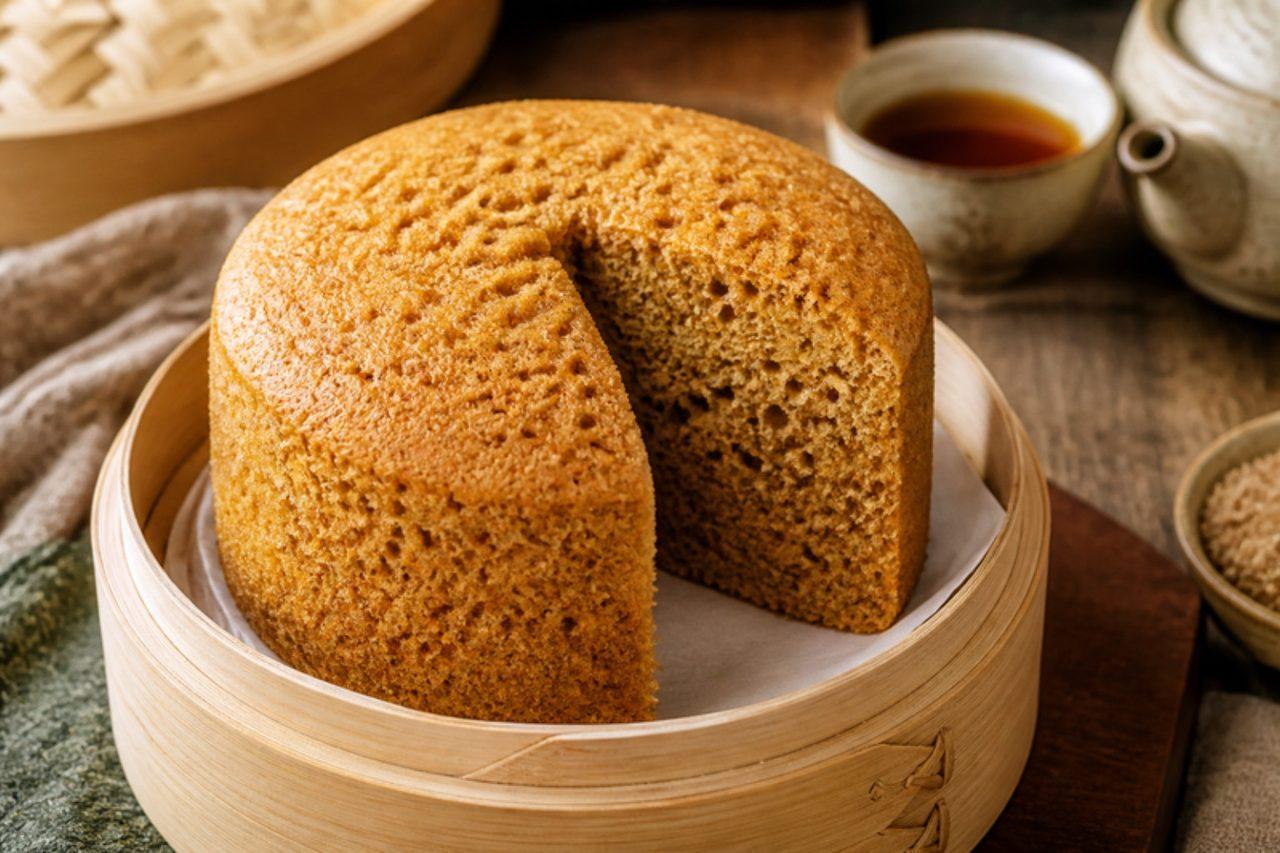
Mǎ lā gōu (馬拉糕): tall, springy brown-sugar sponge steamed in a bamboo basket

Cut from a towering round the colour of toffee, wedges of malai ko arrive on the dim sum trolleys of old Hong Kong teahouses alongside the morning's first pot of tea. The crumb is moist, open and bouncy, with a deep caramel note from dark brown sugar and a gentle richness from evaporated milk. The name means 'Malay cake', a nod to the Southeast Asian steamed cakes said to have inspired Cantonese bakers, and it is eaten warm, just as it is, often as the last sweet bite of breakfast. The cake sinks when the eggs and sugar aren't whisked long enough to hold a trail, so give them the full time. Chef's tip: wrap the steamer lid in a tea towel so condensation can't drip onto the top and leave sticky dents.
- Total time
- 75 min
- Difficulty
- medium
- Serves
- 8
Ingredients
For the cake
- 4 eggsat room temperature
- 4 ½ oz dark brown sugar
- ¼ cup evaporated milk
- ¼ cup neutral oil
- 5 ½ oz cake flour or plain flour
- ½ oz custard powder
- 2 tsp baking powder
- ½ tsp bicarbonate of soda
Shop this recipe on Amazon
Spices & pantry
Fresh ingredients (2)
Links open Amazon in a new tab. As an Amazon Associate, WhatToEat.Today earns from qualifying purchases.
Method
0/10 doneStep 1: Line a 20 cm bamboo steamer or round cake tin with baking paper, letting it come 3 cm above the rim so the cake can rise against it.
Step 2: Put water in a wok, set the steamer stand in place and bring to the boil while you mix. Wrap the steamer lid in a clean tea towel.
Step 3: Whisk 4 eggs with 4 ½ oz dark brown sugar with an electric mixer on a high speed for 8–10 minutes, until thick, pale caramel in colour and a ribbon falling from the whisk sits on the surface for a few seconds.
10 minStep 4: Whisk ¼ cup evaporated milk and ¼ cup neutral oil together, then pour in a thin stream into the egg foam with the mixer on low, just until blended.
Step 5: Sift 5 ½ oz cake flour or plain flour, ½ oz custard powder, 2 tsp baking powder and ½ tsp bicarbonate of soda over the bowl in two goes, folding with a spatula after each until no dry streaks remain. Fold from the bottom and stop as soon as it is smooth, or you will knock out the air.
Step 6: Leave the batter to rest for 15 minutes; tiny bubbles appear on the surface as the raising agents start working.
15 minStep 7: Pour the batter into the lined steamer or tin and tap it once on the counter to pop large bubbles.
Step 8: Steam over a high heat for 35 minutes without opening the lid, topping up with boiling water if needed. The cake is done when it has domed and cracked slightly on top and a skewer in the centre comes out clean.
35 minStep 9: Turn off the heat and leave for 3 minutes before lifting the lid, then lift out the cake by the paper.
3 minStep 10: Cut into tall wedges with a serrated knife and serve warm. Re-steam leftovers for 5 minutes to bring back the bounce.
Nutrition per serving
- Calories
- 270 kcal
- Protein
- 6 g
- Carbs
- 34 g
- Fat
- 12 g
- Fibre
- 1 g
Nutrition values are estimates.
KrazyBadal
Good to know
- How long does malai ko take?
- About 75 minutes in total: 35 minutes to prepare and 40 minutes to cook.
- How many people does it serve?
- 8 as written. Change the servings above the ingredients and every amount scales to match.
- Is it vegetarian?
- Yes. It has no meat or fish.
- What can I use instead of eggs?
- 1 tbsp ground flaxseed + 3 tbsp water per egg, left for 5 minutes (baking only; vegan).
- What can I use instead of dark brown sugar?
- White sugar + 1 tbsp molasses or treacle per 200g.
Reviews
No reviews yet. Be the first to cook it.
Rate this recipe
Sign in to rate and review this recipe.
You might also like
Baklava
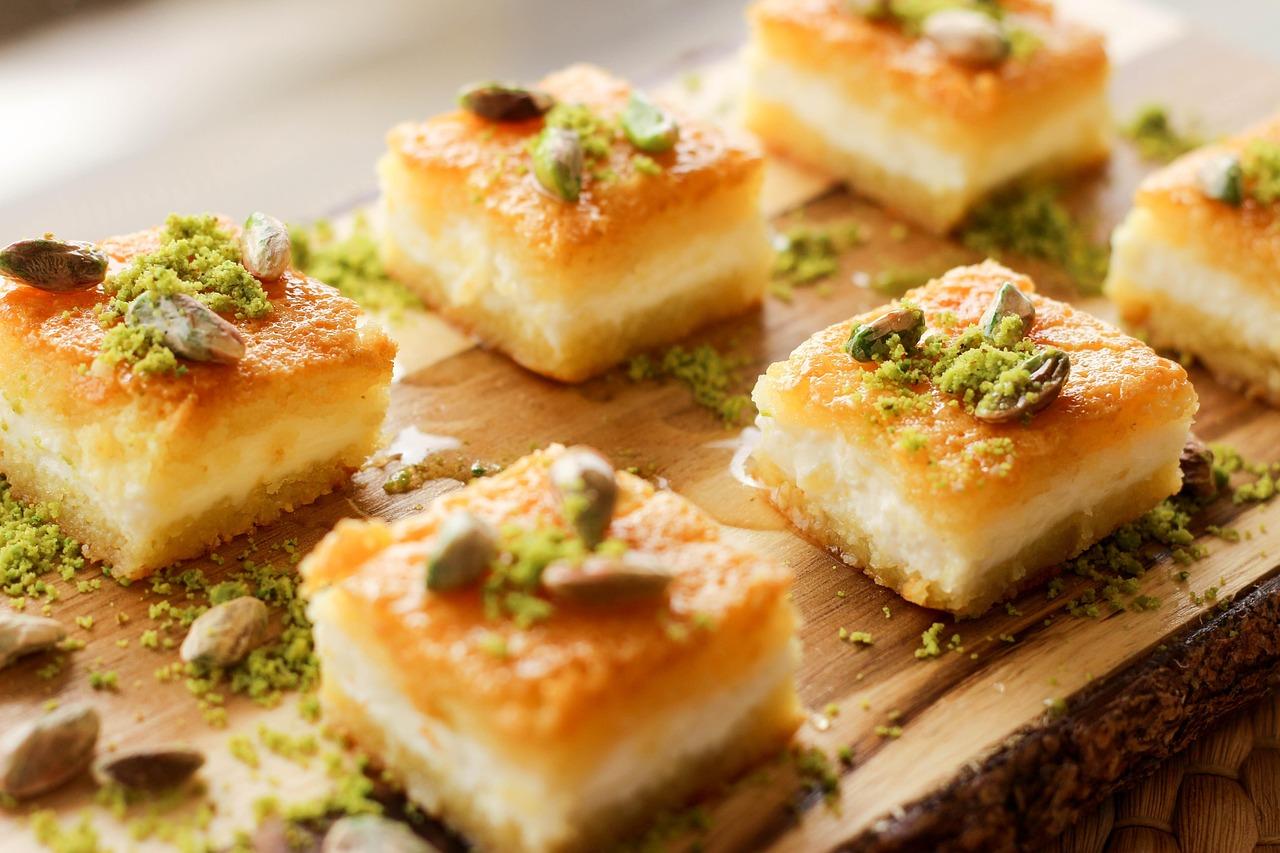
The famous layered pastry: crisp sheets of buttered fillo sandwich a filling of almonds, pistachios and cashews spiced with cinnamon, cardamom and saffron. After baking, the hot baklava is soaked in a syrup of sugar, honey, lemon, rose and cardamom and decorated with almond and pistachio flakes. Cut into 40 diamonds; serve with fresh cream or ice cream.
Undu walalu
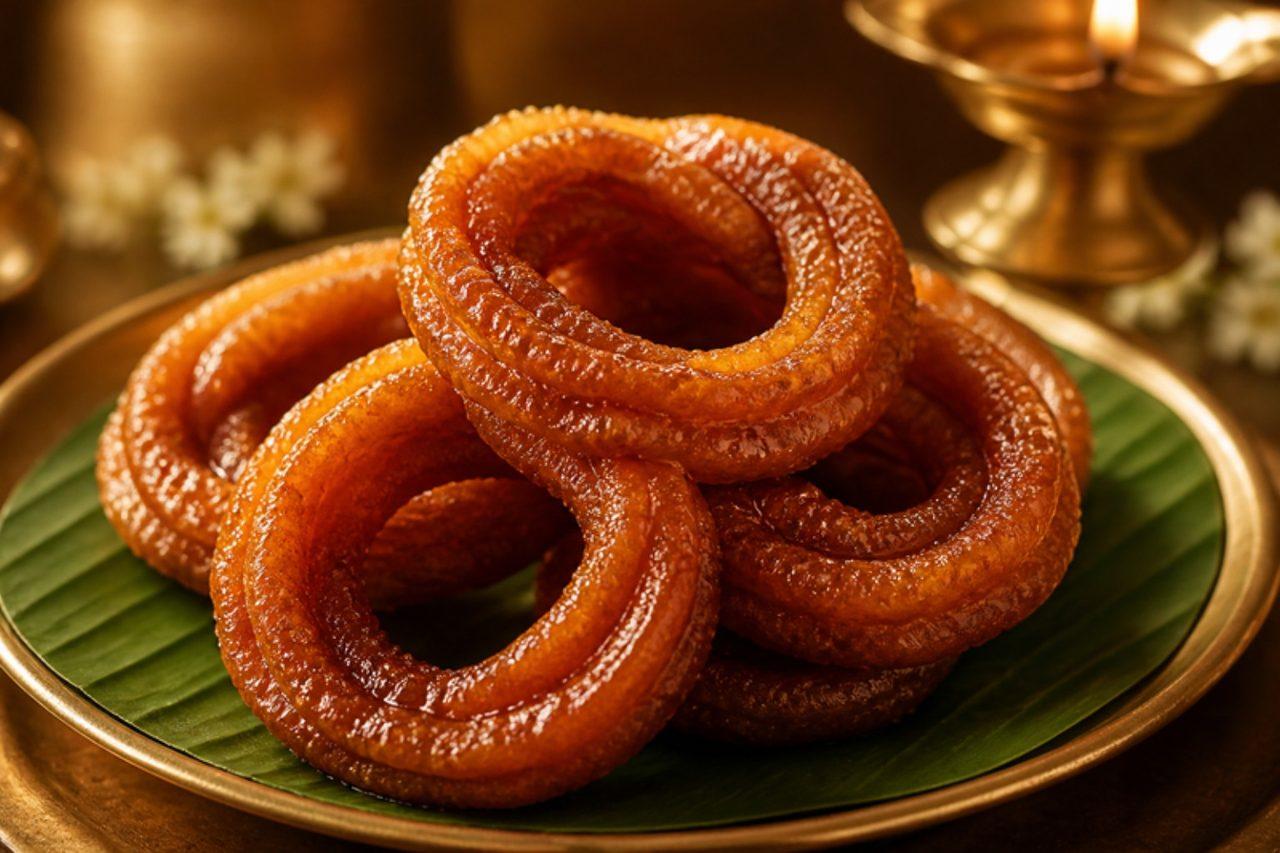
Walalu means bangles, and these dark, sticky rings of fried urad dal soaked in kithul treacle are a sweet that Sinhala families bring out for Avurudu and for special almsgivings, often made in large batches by an aunt known for her steady hand. A thick, fluffy paste of ground black gram is piped into loops and fried until crisp, then plunged straight into warm treacle, so the rings stay crunchy on the outside while drinking up the syrup. They taste a little like a darker, smokier jalebi, with a toffee finish from the palm treacle. Watery batter is what ruins them; it spreads into flat blobs, so grind the soaked dal with as little water as possible and beat it until light. This recipe uses no asafoetida, so it is naturally gluten free. Chef's tip: pipe the rings onto small squares of baking paper and lower them into the oil paper and all; the paper peels away in seconds.
 Sri Lankan


Marquesitas
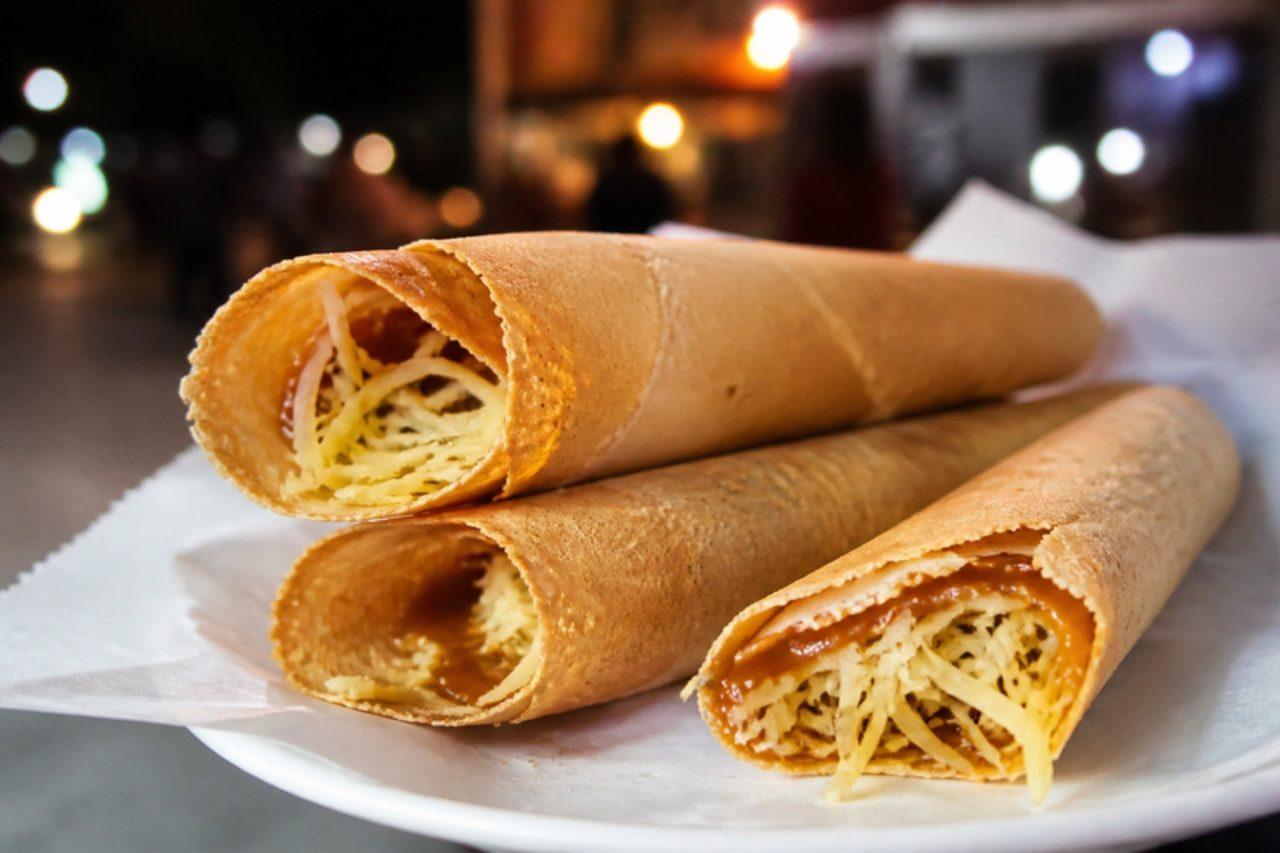
Evening in Mérida's Plaza Grande means the smell of marquesitas: thin batter pressed in hot hinged irons until crisp, then rolled like a cigar around grated Edam cheese and a sweet filling such as cajeta, chocolate-hazelnut spread or jam. Edam came to the Yucatán through the port trade with the Netherlands and became part of the local cooking, and the salty-sweet combination is the whole point. At home you can cook them in a thin, wide frying pan. Edam is usually made with animal rennet, so check the label or use a vegetarian Gouda-style cheese. Chef's tip: roll while the crêpe is still in the pan and hot; within seconds it hardens and will crack.
 Mexican