
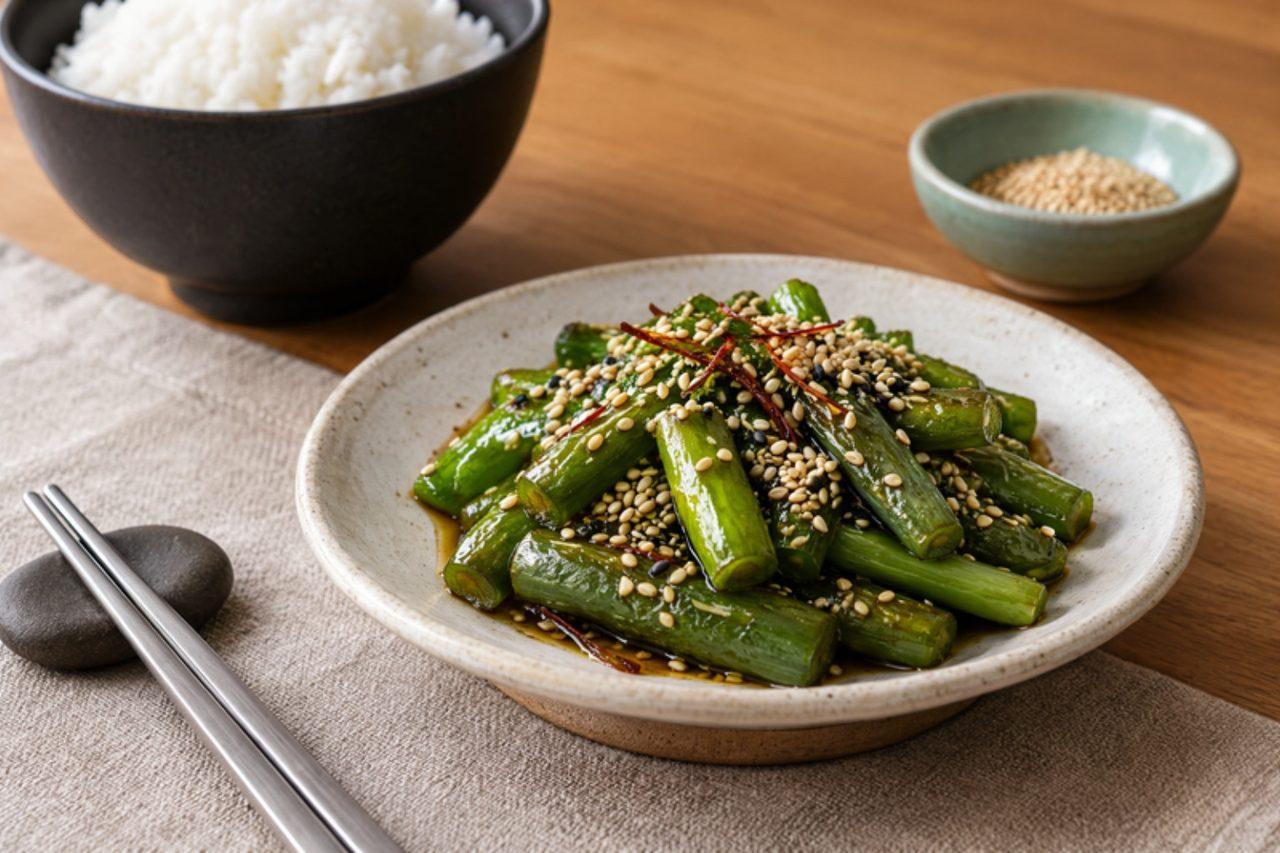
AI-generated image
Maneuljjong bokkeum
Garlic scape stir-fry
Maneuljjong bokkeum (마늘쫑볶음): garlic scapes stir-fried with soy, rice syrup and sesame


In late spring Korean markets sell thick bundles of garlic scapes, the curly green shoots of the garlic plant, and they become maneuljjong bokkeum, a sweet-salty, glossy banchan that keeps for days and is a dependable dosirak side. The scapes taste of mild garlic and stay pleasantly snappy. The common mistake is glazing them too early, before they are tender, so the syrup burns and the scapes stay woody. Chef's tip: fry the scapes in oil first until they turn bright green and slightly blistered, then add the sauce and toss for only a minute.
- Total time
- 13 min
- Difficulty
- easy
- Serves
- 4
Ingredients
- 7 oz garlic scapeswoody ends trimmed
- 1 tbsp neutral oil
- 1 ½ tbsp soy sauce
- 1 tbsp rice syrup (ssal-yeot)or maple syrup
- 2 tbsp water
- 1 tsp toasted sesame oil
- 1 tsp toasted sesame seeds
Shop this recipe on Amazon
Fresh ingredients (1)
Links open Amazon in a new tab. As an Amazon Associate, WhatToEat.Today earns from qualifying purchases.
Method
0/4 doneStep 1: Cut 7 oz garlic scapes into 4 cm lengths.
Step 2: Heat 1 tbsp neutral oil in a frying pan over a medium-high heat and stir-fry the scapes for 3–4 minutes, until bright green with a few blisters and just tender when bitten.
4 minStep 3: Add 1 ½ tbsp soy sauce, 1 tbsp rice syrup (ssal-yeot) and 2 tbsp water and toss for 1–2 minutes, until the sauce has reduced to a glaze coating each piece.
2 minStep 4: Off the heat, toss in 1 tsp toasted sesame oil and 1 tsp toasted sesame seeds. Cool and keep in the fridge for up to 5 days; pack cold.
Nutrition per serving
- Calories
- 80 kcal
- Protein
- 2 g
- Carbs
- 12 g
- Fat
- 3 g
- Fibre
- 2 g
Nutrition values are estimates.
KrazyBadal
Good to know
- How long does maneuljjong bokkeum take?
- About 13 minutes in total: 5 minutes to prepare and 8 minutes to cook.
- How many people does it serve?
- 4 as written. Change the servings above the ingredients and every amount scales to match.
- Is it vegan?
- Yes. It has no meat, fish, dairy or eggs.
- Can I make it ahead?
- Yes. It keeps well, so you can cook it earlier in the day or the day before and reheat it.
- What can I use instead of soy sauce?
- Tamari, same amount (gluten free).
- What can I use instead of toasted sesame oil?
- Toasted sesame seeds ground with a little vegetable oil.
Reviews
No reviews yet. Be the first to cook it.
Rate this recipe
Sign in to rate and review this recipe.
You might also like
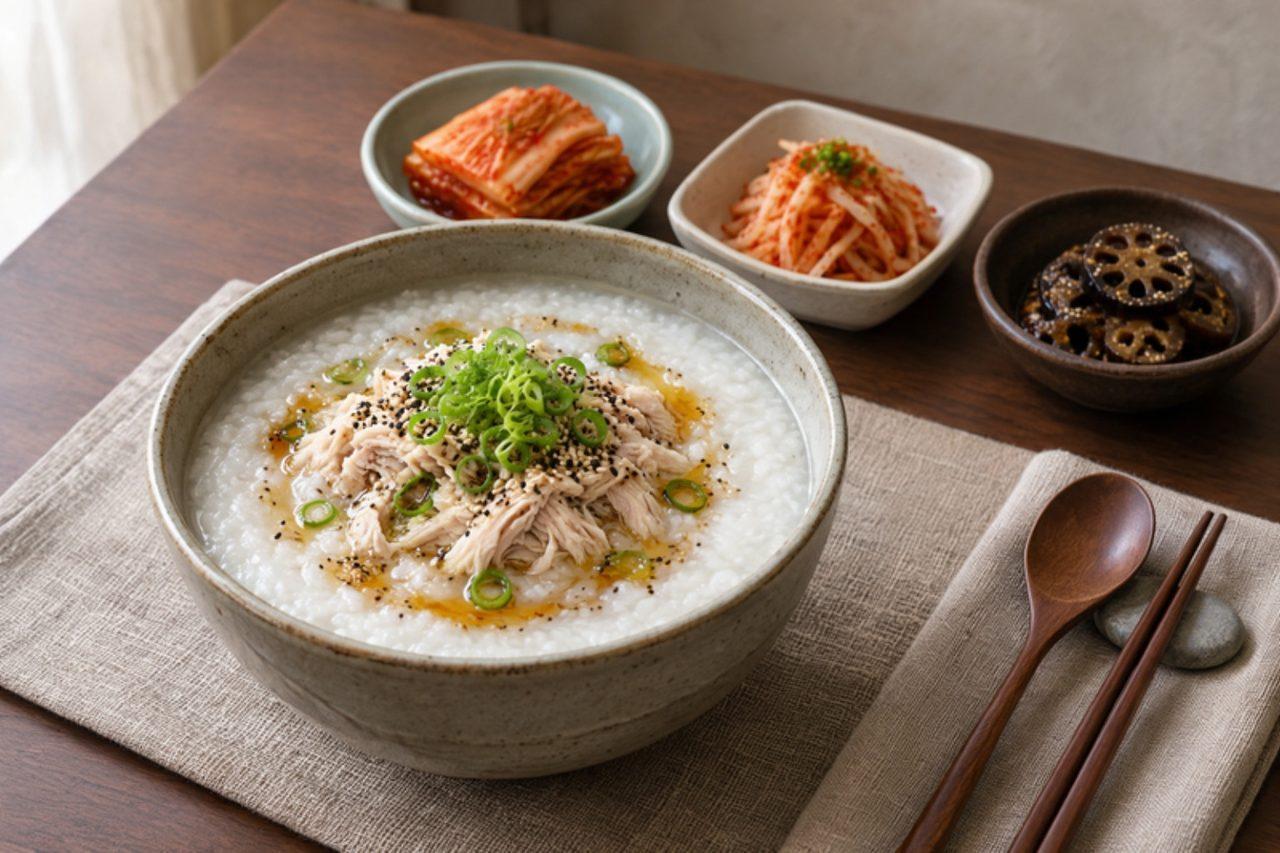
DakjukChicken and rice porridge
All over Korea, dakjuk is the bowl a mother makes on a cold morning or when someone is under the weather: chicken simmered with garlic and ginger, the meat pulled into shreds, and soaked rice cooked down in the broth until it turns into a soft, savoury porridge finished with sesame oil. It is eaten for breakfast or as a gentle lunch, with a little kimchi on the side. The usual mistake is boiling the chicken hard, which clouds the broth and toughens the meat; keep it at a lazy simmer. Chef's tip: fry the soaked rice in sesame oil for two minutes before the broth goes in, so the grains toast lightly and the porridge tastes nutty rather than flat.

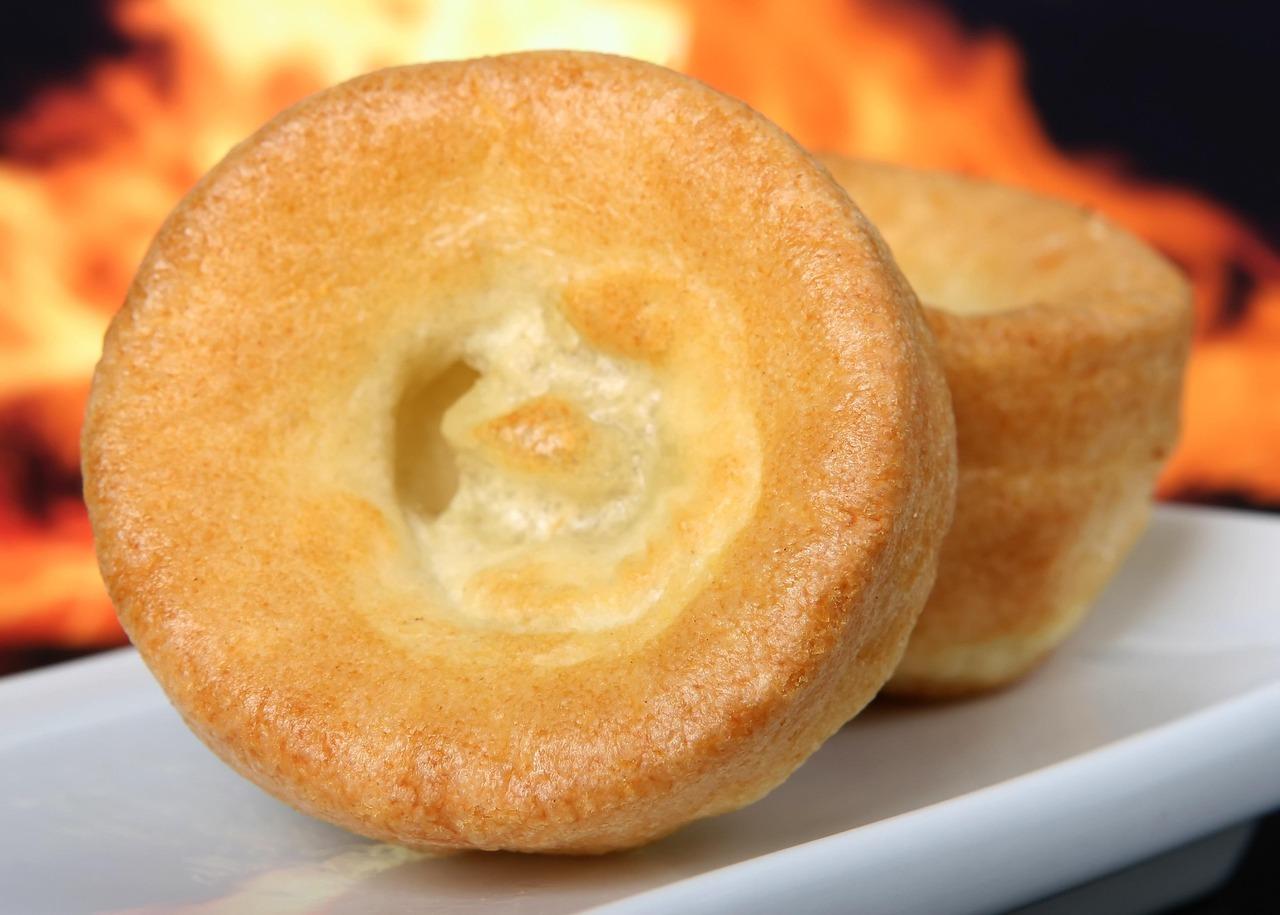
Yorkshire puddings
In Yorkshire the pudding was once served first, on its own with gravy, to fill people up before the meat; today these puffed, crisp-edged cups sit beside the roast at Sunday lunch all over England. The batter is nothing but eggs, flour and milk, and the trick is in the heat: smoking-hot fat in the tin and a hot oven. Serve with onion gravy for a vegetarian roast. Chef's tip: rest the batter for at least 30 minutes, which helps the puddings rise tall and even.
 British

TacachoMashed roasted green plantain balls
Tacacho is the breakfast of the Peruvian Amazon, from Tarapoto to Iquitos: green plantains roasted over coals, mashed with fat and salt and shaped into balls. There it comes with cecina (smoked pork) and is mashed with lard and crackling; this vegan tacacho uses good oil and a pinch of smoked paprika for the same savoury, smoky depth. The balls are dense, chewy and starchy, crisp at the edges where the plantain charred, and they are eaten hot with a fiery chilli sauce or alongside stews. Use plantains that are fully green and firm. Chef's tip: mash the plantains while they are still very hot; as green plantain cools its starch sets and it won't bind into a smooth ball.
 Peruvian
