
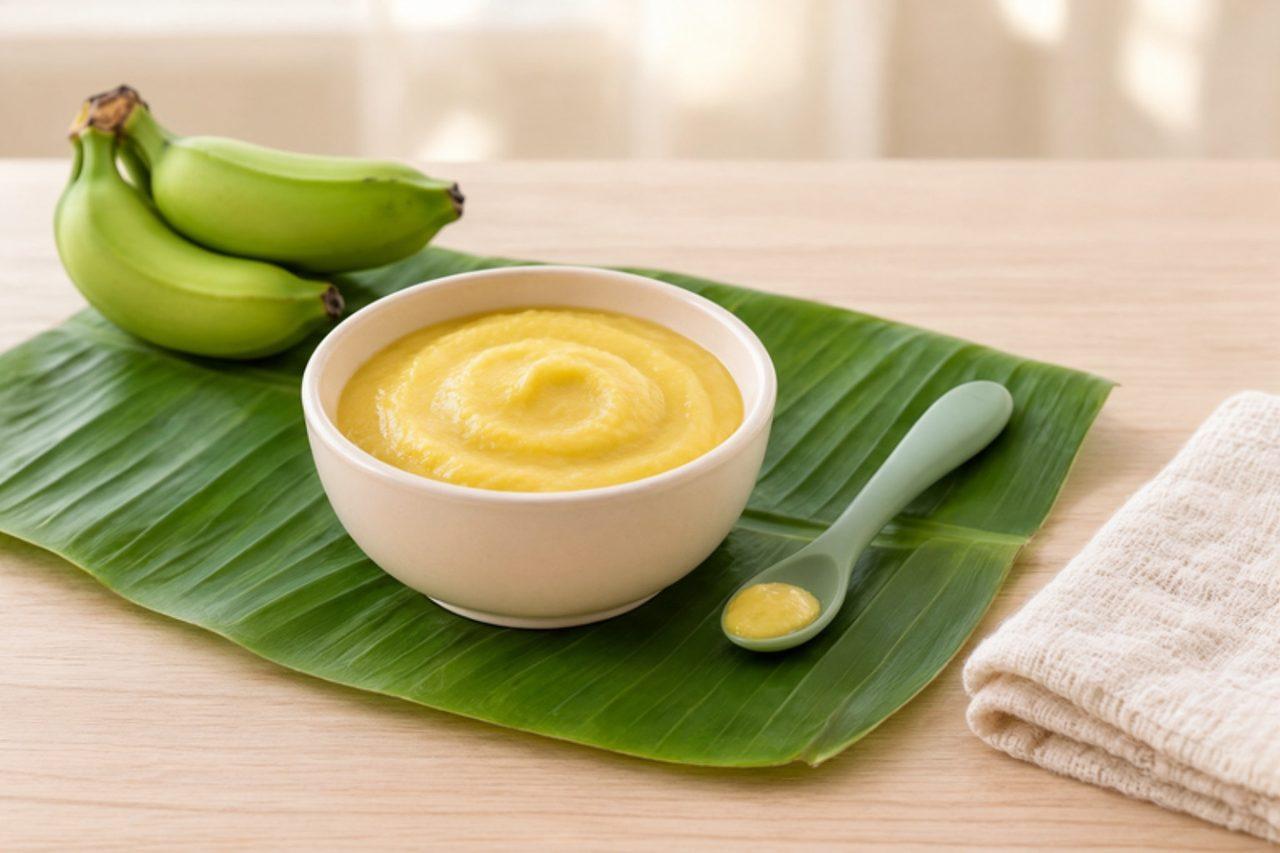
AI-generated image
Mashed matooke for babies
Mashed green banana for babies
6m+ · Uganda's green matooke bananas steamed in leaves until golden, then mashed smooth


Matooke, the green cooking banana trucked into Kampala's Owino and Nakasero markets in great bunches, is Uganda's everyday staple, and the first food most Ugandan babies eat. The fingers are peeled, wrapped in banana leaves and steamed until they turn soft and golden, then mashed with a little of the steaming water into a smooth, mild, slightly earthy purée. Families feed it at the midday meal, on its own at first and later with groundnut sauce. Nothing is added for babies: no salt, sugar or honey. It is free of the major allergens. Chef's tip: oil your hands and knife before peeling; green matooke oozes a sticky sap that stains skin and boards.
- Total time
- 60 min
- Difficulty
- easy
- Serves
- 3
Baby & toddler safety
- Age: from 6 months+.
- Allergens: none of the common allergens found in the ingredients. Offer one new allergen at a time, in the morning, so you can watch for a reaction.
- Texture and choking: purée or mash smoothly for 6–9 months, then soft, finger-sized pieces that squash between your fingers. Cut round foods such as grapes and cherry tomatoes into quarters lengthways, never give whole nuts, and always stay with your child while they eat.
- Under 1: no honey, no added salt or stock cubes, and no added sugar.
Every child is different. If you are unsure, especially about allergies, check with your health visitor or paediatrician.
Ingredients
- 4 green matooke (or green cooking bananas)about 400 g
- 2 banana leaves (optional)to wrap, or foil
- 3 ¼ cups waterfor steaming
Shop this recipe on Amazon
What you'll need
Spices & pantry
Fresh ingredients (1)
Links open Amazon in a new tab. As an Amazon Associate, WhatToEat.Today earns from qualifying purchases.
Method
0/6 doneStep 1: Rub a little oil on your hands, top and tail 4 green matooke (or green cooking bananas) and peel with a small knife, dropping the fingers into a bowl of cold water so they do not darken.
8 minStep 2: Wrap the peeled fingers in 2 banana leaves (or foil) to make a parcel.
2 minStep 3: Put 3 ¼ cups water in a large pan with a rack or a few banana-leaf stems in the bottom, set the parcel on top, cover tightly and steam over a medium heat for 40–50 minutes, topping up with boiling water if needed.
50 minStep 4: Open the parcel: the matooke is ready when it has turned yellow-gold and squashes completely under a fork. Common mistake: stopping when it is still pale; under-steamed matooke is gummy and won't go smooth.
Step 5: Mash thoroughly, adding spoonfuls of the steaming liquid, then press through a sieve or blend until smooth and soft. Cool to lukewarm.
Step 6: Cool the rest quickly, cover and keep in the fridge for up to 2 days or freeze in portions for up to 1 month. Reheat only once, with a splash of water, until piping hot, then cool before serving.
Nutrition per serving
- Calories
- 110 kcal
- Protein
- 1 g
- Carbs
- 28 g
- Fat
- 0 g
- Fibre
- 2 g
Nutrition values are estimates.
KrazyBadal
Good to know
- How long does mashed matooke for babies take?
- About 60 minutes in total: 10 minutes to prepare and 50 minutes to cook.
- How many people does it serve?
- 3 as written. Change the servings above the ingredients and every amount scales to match.
- Is it vegan?
- Yes. It has no meat, fish, dairy or eggs.
- Is it gluten free?
- Yes, as written. Check the labels on stock, sauces and spice mixes, which sometimes contain gluten.
Reviews
No reviews yet. Be the first to cook it.
Rate this recipe
Sign in to rate and review this recipe.
You might also like

TacachoMashed roasted green plantain balls
Tacacho is the breakfast of the Peruvian Amazon, from Tarapoto to Iquitos: green plantains roasted over coals, mashed with fat and salt and shaped into balls. There it comes with cecina (smoked pork) and is mashed with lard and crackling; this vegan tacacho uses good oil and a pinch of smoked paprika for the same savoury, smoky depth. The balls are dense, chewy and starchy, crisp at the edges where the plantain charred, and they are eaten hot with a fiery chilli sauce or alongside stews. Use plantains that are fully green and firm. Chef's tip: mash the plantains while they are still very hot; as green plantain cools its starch sets and it won't bind into a smooth ball.
 Peruvian


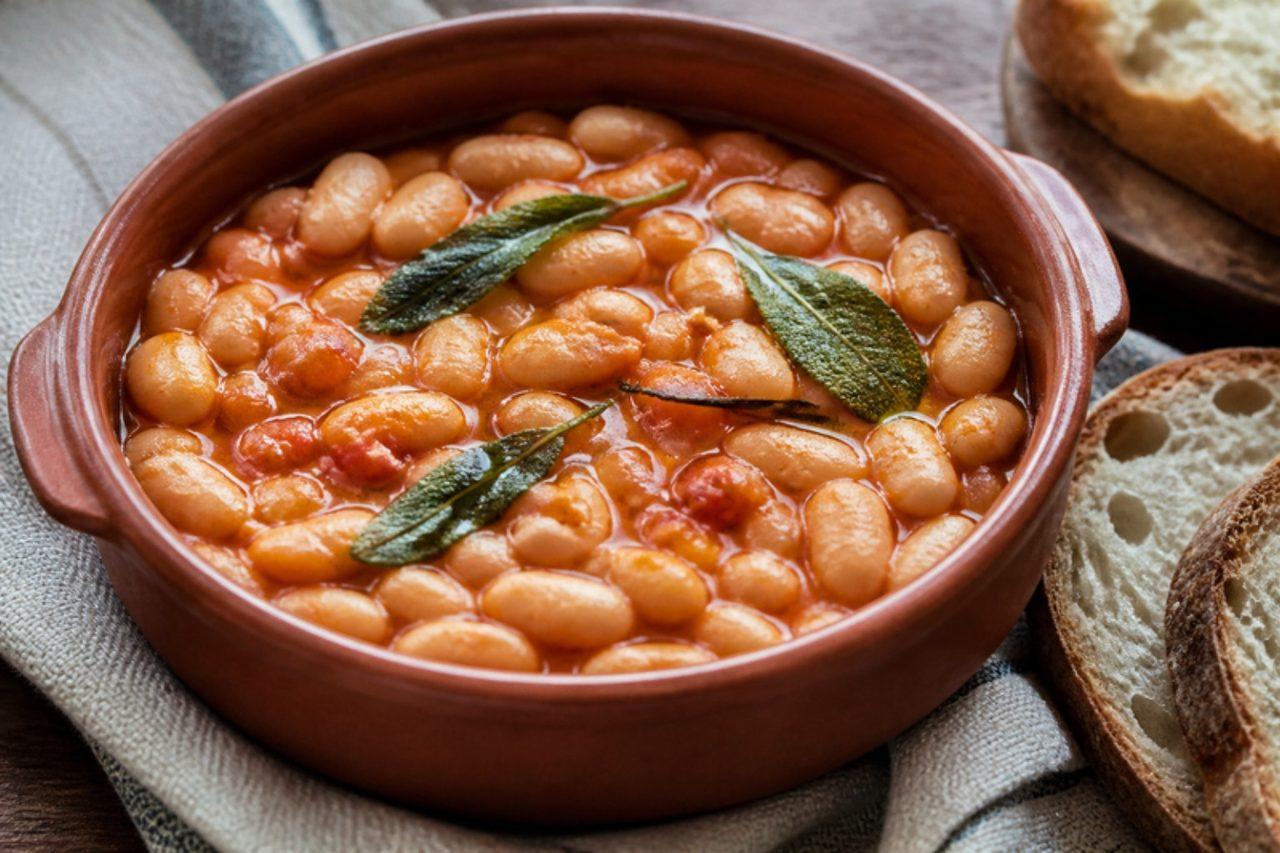
Fagioli all'uccellettoCannellini beans with sage and tomato
Florentines are nicknamed mangiafagioli, bean-eaters, and this is the dish that earned it: creamy cannellini simmered in olive oil with whole sage leaves, crushed garlic and a little tomato. The name, 'little-bird style', comes from the sage and garlic once used to cook small game birds, though there has never been a bird in the pot. In trattorie it sits next to grilled meat as a side; served with crusty bread and greens it makes a full vegetarian supper. The beans should be soft and glossy in a thick, rust-coloured sauce. Chef's tip: let the sage and garlic sizzle gently in the oil before the tomato goes in; that scented oil is the whole flavour of the dish.
 Italian
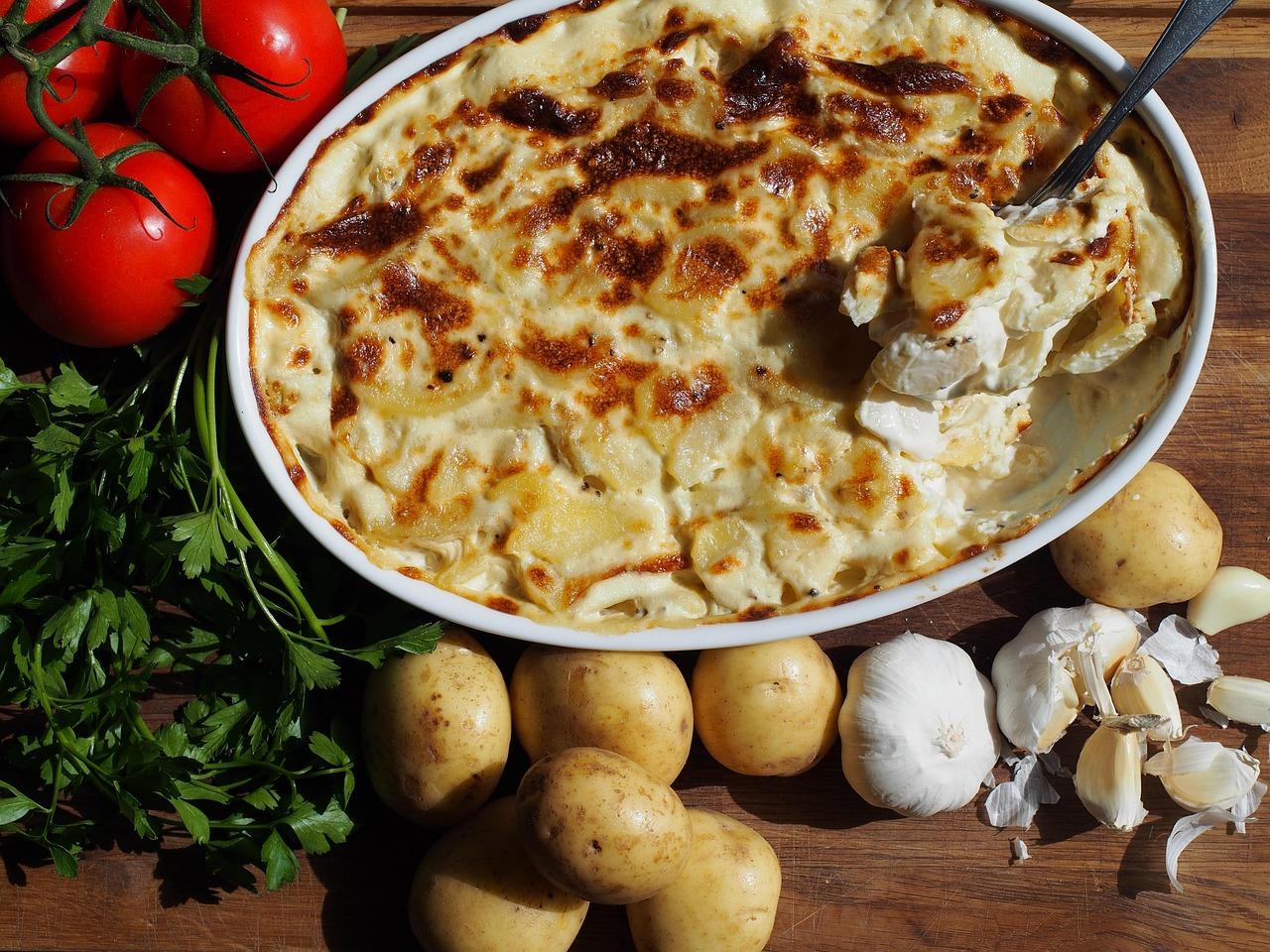
Baked cream potatoes
Thin potato slices and onion baked in fresh cream with plenty of garlic and coarse black pepper until tender and browned at the edges. Serve as a side dish with pizza or pasta, or as a snack with chilli and tomato sauce.