
Motsunabe
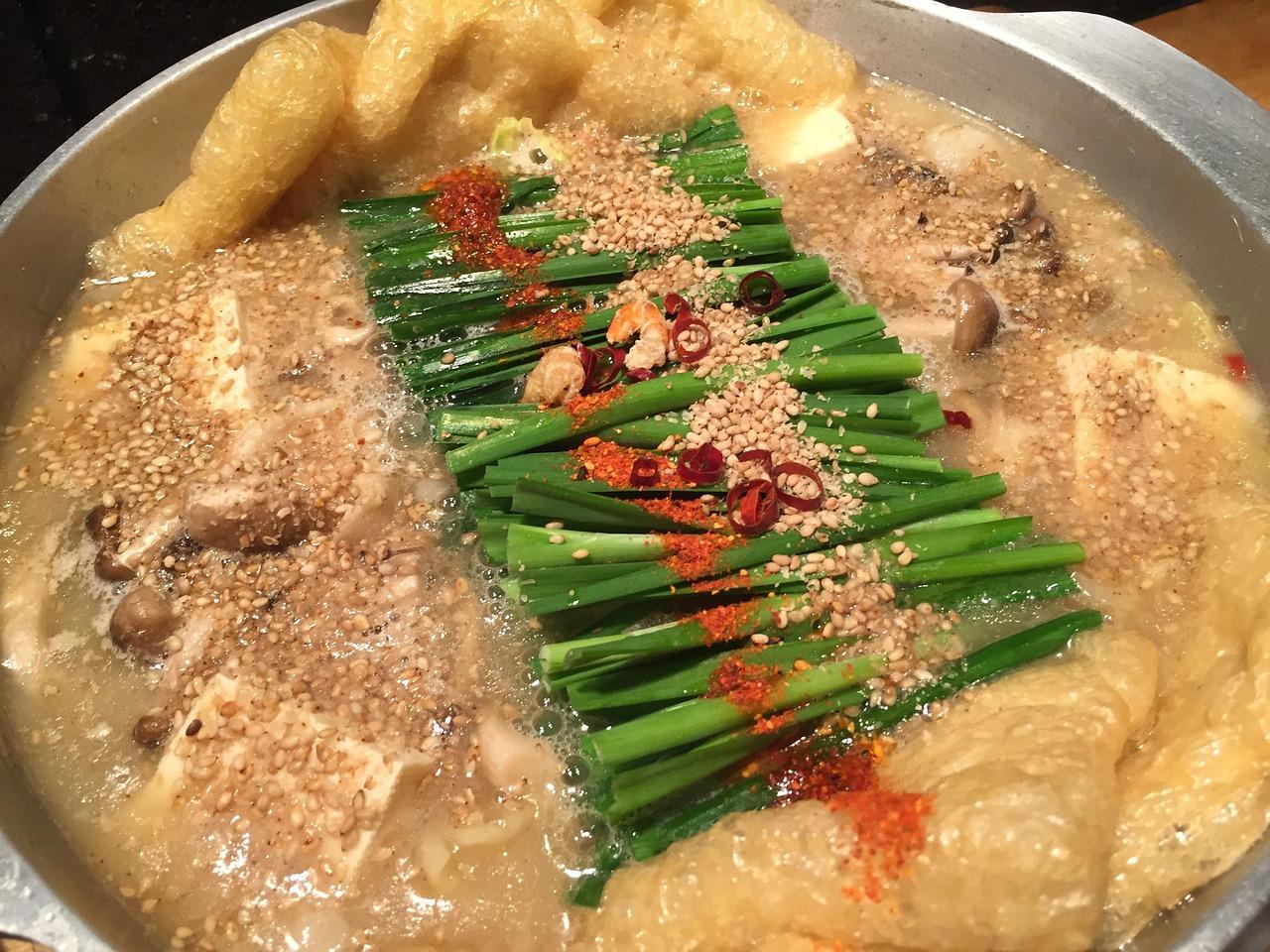
もつ鍋: beef intestine hot pot with cabbage, garlic chives and garlic, finished with noodles
In Hakata, the old merchant half of Fukuoka, motsunabe is the winter dish of izakayas and back-street restaurants. Soft pieces of beef small intestine simmer in a garlicky soy broth under a tall heap of cabbage and garlic chives, with slices of chilli on top. When the pot is nearly empty, champon noodles go into the rich broth to finish the meal. Many butchers and Asian grocers sell the intestine already cleaned and boiled, which saves time. Chef's tip: keep the white fat on the intestine; as it melts into the broth it makes the soup rich and sweet, which is the point of the dish.
- Total time
- 45 min
- Difficulty
- medium
- Serves
- 4
Ingredients
For the offal
For the broth
For the pot
To finish
Method
0/10 doneStep 1: Put 1 ⅛ lb beef small intestine (shimacho) in a bowl, sprinkle with 2 tbsp plain flour and 1 tbsp coarse salt and rub well with your hands for 2 minutes to lift off slime and smell. Rinse thoroughly under cold running water. Wash your hands, board and the sink afterwards, as you would with any raw meat.
5 minStep 2: Put the intestine in a pan of cold water, bring to the boil over high heat and boil for 5 minutes, skimming off the grey froth.
8 minStep 3: Drain, rinse in warm water and cut into bite-sized pieces about 3 cm long if they are not already. Common mistake: skipping the parboil, even with pre-cleaned offal; the scum and the farmyard smell end up in the broth, so always blanch and rinse first.
3 minStep 4: Pour 4 ¼ cups dashi or unsalted chicken stock into a wide, shallow pot or donabe and add 5 tbsp soy sauce and ½ tsp salt.
1 minStep 5: Add 3 tbsp mirin and 2 tbsp sake. Both contain alcohol; for an alcohol-free broth leave out the sake and replace the mirin with 1 tbsp sugar and 2 tbsp water. For the miso version popular in Hakata, use 4 tbsp mixed miso in place of the soy sauce and salt.
1 minStep 6: Bring the broth to the boil, add the intestine and 7 oz firm tofu, then pile 14 oz white or pointed cabbage high in the middle of the pot.
4 minStep 7: Lay 3 ½ oz garlic chives (nira) over the cabbage in a neat bundle and scatter 4 cloves garlic and 2 dried red chillies on top.
1 minStep 8: Cover and simmer over medium heat for 10 minutes, until the cabbage has collapsed into the broth and the intestine is piping hot right through, with its fat turned soft and translucent.
10 minStep 9: Sprinkle with 1 tbsp toasted white sesame seeds, bring the pot to the table and serve the offal, vegetables and broth into small bowls.
2 minStep 10: When most of the pot has been eaten, add 10 ½ oz champon noodles or thick fresh ramen noodles to the remaining broth and simmer for 3 to 4 minutes until tender. Serve the noodles with the last of the soup.
4 min
Nutrition per serving
- Calories
- 560 kcal
- Protein
- 32 g
- Carbs
- 50 g
- Fat
- 25 g
- Fibre
- 5 g
Nutrition values are estimates.
KrazyBadal
Good to know
- How long does motsunabe take?
- About 45 minutes in total: 15 minutes to prepare and 30 minutes to cook.
- How many people does it serve?
- 4 as written. Change the servings above the ingredients and every amount scales to match.
- What can I use instead of plain flour?
- Self-raising flour, same amount (then leave out the baking powder).
- What can I use instead of dashi or unsalted chicken stock?
- Vegetable stock, same amount.
Reviews
No reviews yet. Be the first to cook it.
Rate this recipe
Sign in to rate and review this recipe.
You might also like

Soto Banjar
Along the rivers of Banjarmasin in South Kalimantan, breakfast often means soto Banjar eaten at a wooden riverside warung, sometimes after a dawn trip to the floating market. Unlike the turmeric sotos of Java, this broth is pale and clear, perfumed with the sweet spices that traders brought up the river centuries ago: cinnamon, cloves, star anise, cardamom and nutmeg. Shredded chicken, glass noodles, carrot and a boiled egg go into the bowl with rice cakes, and lime and a little chilli sharpen it at the table. Chef's tip: toast the whole spices in the pan for a minute before the paste goes in; it brings out their sweetness without the dusty edge of ground spice.

Okonomiyaki
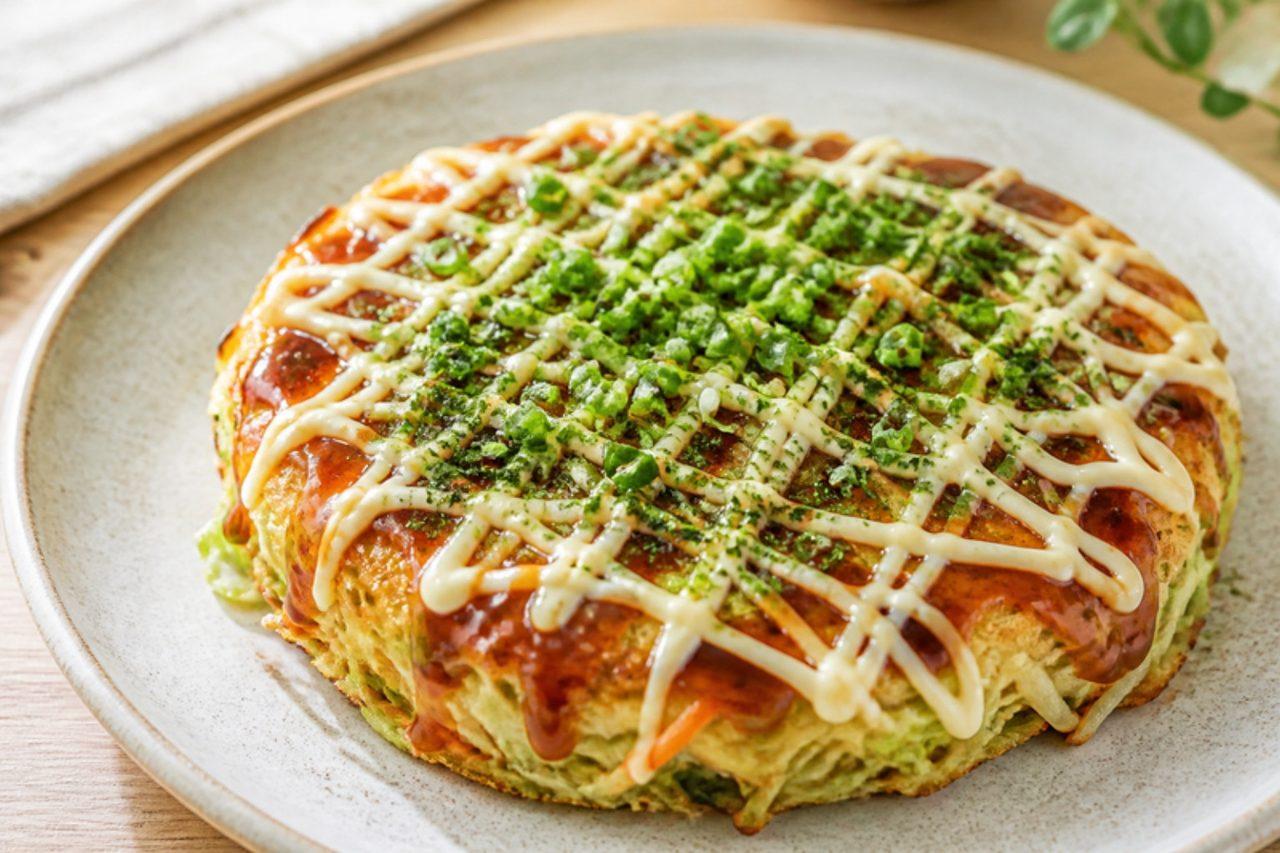
Okonomiyaki (お好み焼き, 'grilled as you like it') is the pride of Osaka, where it's cooked on hot iron griddles in lively restaurants. Finely shredded cabbage is folded into a light batter with egg and spring onion, then fried into a thick, soft pancake with a crisp outside. It's painted with a fruity brown sauce and zigzagged with mayonnaise. Bonito flakes are usual on top; this vegetarian version uses seaweed flakes and pickled ginger instead. Chef's tip: don't press the pancake down with your spatula while it cooks. Osaka cooks leave it alone so the cabbage steams inside and stays light and fluffy; pressing squeezes out the air.

Miso soup
Miso soup (味噌汁) is drunk every day in homes all over Japan, at breakfast as well as dinner, beside a bowl of rice. The base is dashi; this vegan version uses kombu and dried shiitake instead of bonito, which gives it a deep, rounded flavour. Silken tofu and wakame seaweed are the classic fillings. It takes ten minutes; just remember not to boil the miso. Chef's tip: add the miso at the very end and never let it boil. Boiling kills the miso's fresh, fermented aroma; Japanese cooks say the soup should only 'smile', with the surface barely trembling.
