
AI-generated image
Myoga no amazuzuke
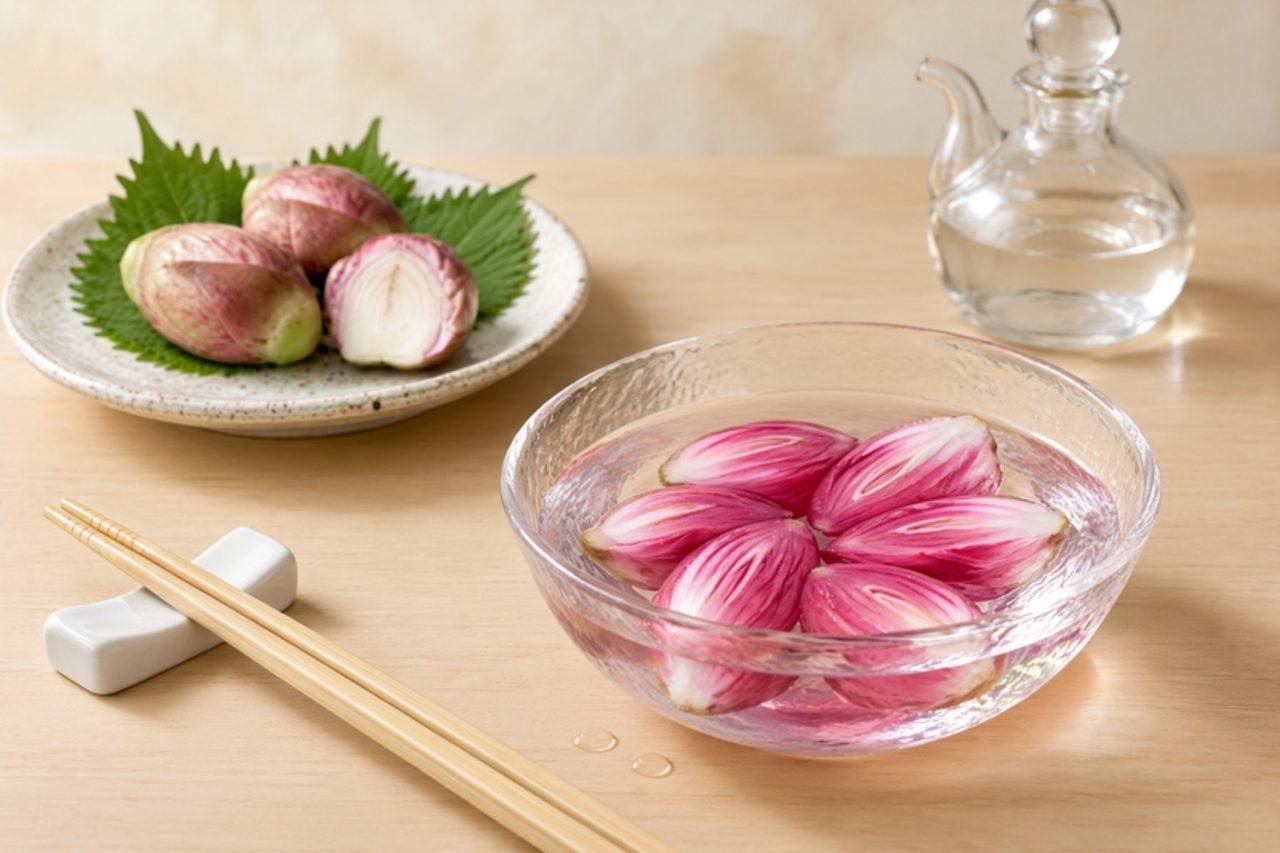
茗荷の甘酢漬け: myoga ginger buds blanched and plunged into sweet vinegar, blushing bright pink within half an hour



Myoga is the flower bud of a Japanese ginger plant, harvested from the shady corners of gardens across Japan from July to September, and its pickled form is one of summer's small pleasures. Halved buds are blanched and dropped into warm sweet vinegar, and within half an hour the pale purple-white layers blush a vivid pink. They taste crisp and fresh, gently sweet-sour, with the floral, slightly resinous bite that makes myoga unlike ordinary ginger. Serve them beside grilled fish, with cold somen noodles on a hot evening, or tucked into a bento. Look for myoga in Japanese grocers, often frozen; there is no real substitute, but young ginger or small shallots pickled the same way make a pleasing alternative. The common mistake is over-blanching: past 30 seconds the layers turn soft and floppy and lose their crunch. Pour the vinegar over while the buds are still hot, which sets the colour. They are ready when they are evenly pink and taste sour-sweet right through. Chef's tip: slice a few pickled buds into thin strips and fold them into sushi rice for a quick summer chirashi.
- Total time
- 15 min
- Difficulty
- easy
- Serves
- 6
Ingredients
- 5 ½ oz myoga budsabout 10 buds; or young ginger or small shallots
- ½ cup rice vinegarat least 4% acidity
- 2 tbsp sugar
- ½ tsp fine sea salt
- 4 ¼ cups waterfor blanching
Shop this recipe on Amazon
What you'll need
Spices & pantry
Links open Amazon in a new tab. As an Amazon Associate, WhatToEat.Today earns from qualifying purchases.
Method
0/6 doneStep 1: Clean the jar or container and lid: wash in hot soapy water, rinse, then dry in a 250°F oven for 10 minutes (or pour boiling water over and in it and air-dry upside down). Let it cool; it must be completely dry.
Step 2: Trim the root end of the 5 ½ oz myoga buds, remove any damaged outer layers and halve lengthways.
5 minStep 3: Warm ½ cup rice vinegar, 2 tbsp sugar and ½ tsp fine sea salt in a small pan over a low heat, stirring, until the sugar dissolves and it just steams, about 2 minutes. Pour into the clean jar.
2 minStep 4: Bring the 4 ¼ cups water to a rolling boil. Drop in the myoga for 20–30 seconds, just until the colour brightens, then drain well in a sieve and shake off the water.
3 minStep 5: While still hot, put the myoga into the warm sweet vinegar and press down so they are covered. Within 30 minutes they turn bright pink.
Step 6: Cool, close and refrigerate. Best after a few hours and keeps 2–3 weeks in the fridge, submerged. Use clean chopsticks. Throw away if the vinegar turns cloudy or fizzy, or you see mould or smell anything off.
Nutrition per serving
- Calories
- 20 kcal
- Protein
- 0 g
- Carbs
- 5 g
- Fat
- 0 g
- Fibre
- 1 g
Nutrition values are estimates.
KrazyBadal
Good to know
- How long does myoga no amazuzuke take?
- About 15 minutes in total: 10 minutes to prepare and 5 minutes to cook.
- How many people does it serve?
- 6 as written. Change the servings above the ingredients and every amount scales to match.
- Is it vegan?
- Yes. It has no meat, fish, dairy or eggs.
- Is it gluten free?
- Yes, as written. Check the labels on stock, sauces and spice mixes, which sometimes contain gluten.
- Can I make it ahead?
- Yes. It keeps well, so you can cook it earlier in the day or the day before and reheat it.
- What can I use instead of rice vinegar?
- Cider vinegar with a pinch of sugar, same amount.
- What can I use instead of sugar?
- Caster sugar, same amount.
Reviews
No reviews yet. Be the first to cook it.
Rate this recipe
Sign in to rate and review this recipe.
You might also like
Okonomiyaki
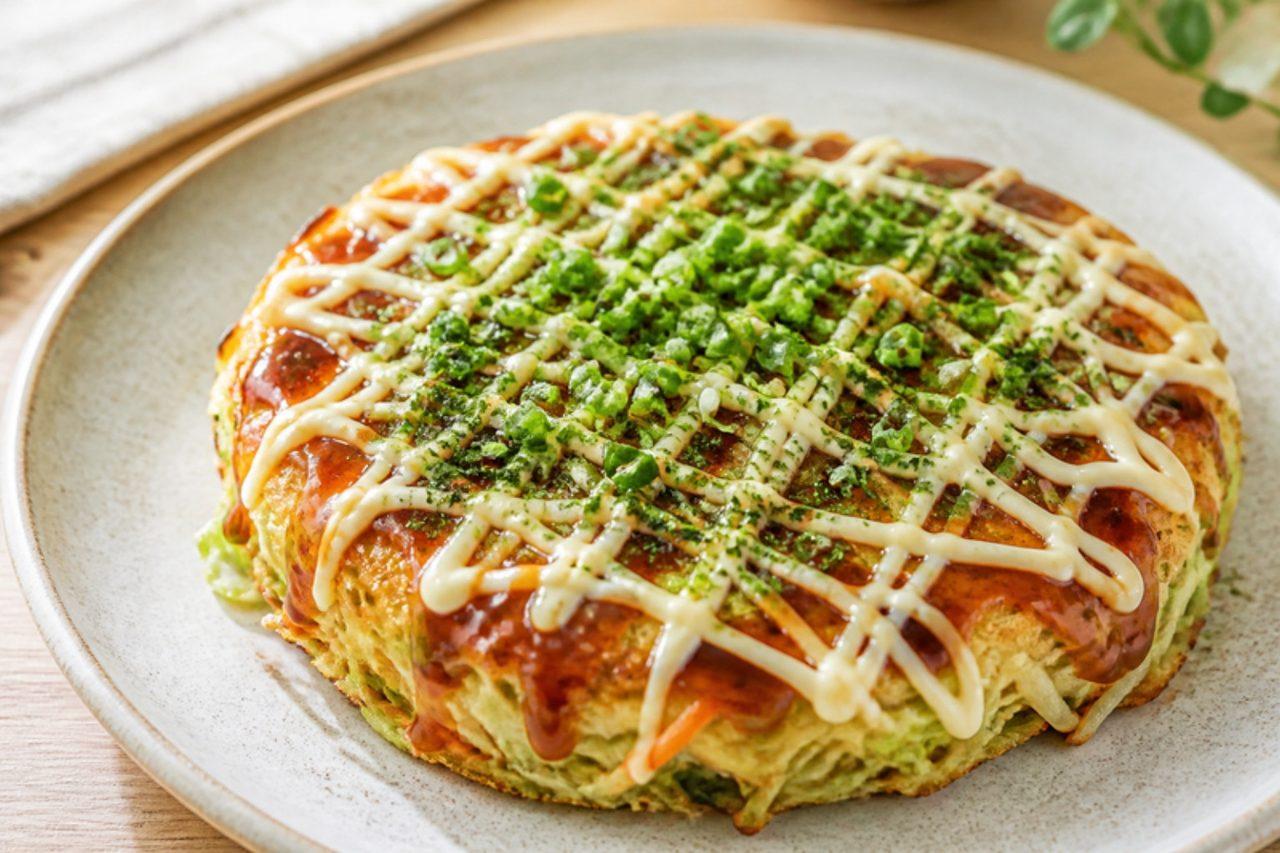
Okonomiyaki (お好み焼き, 'grilled as you like it') is the pride of Osaka, where it's cooked on hot iron griddles in lively restaurants. Finely shredded cabbage is folded into a light batter with egg and spring onion, then fried into a thick, soft pancake with a crisp outside. It's painted with a fruity brown sauce and zigzagged with mayonnaise. Bonito flakes are usual on top; this vegetarian version uses seaweed flakes and pickled ginger instead. Chef's tip: don't press the pancake down with your spatula while it cooks. Osaka cooks leave it alone so the cabbage steams inside and stays light and fluffy; pressing squeezes out the air.
Vegan nuoc cham
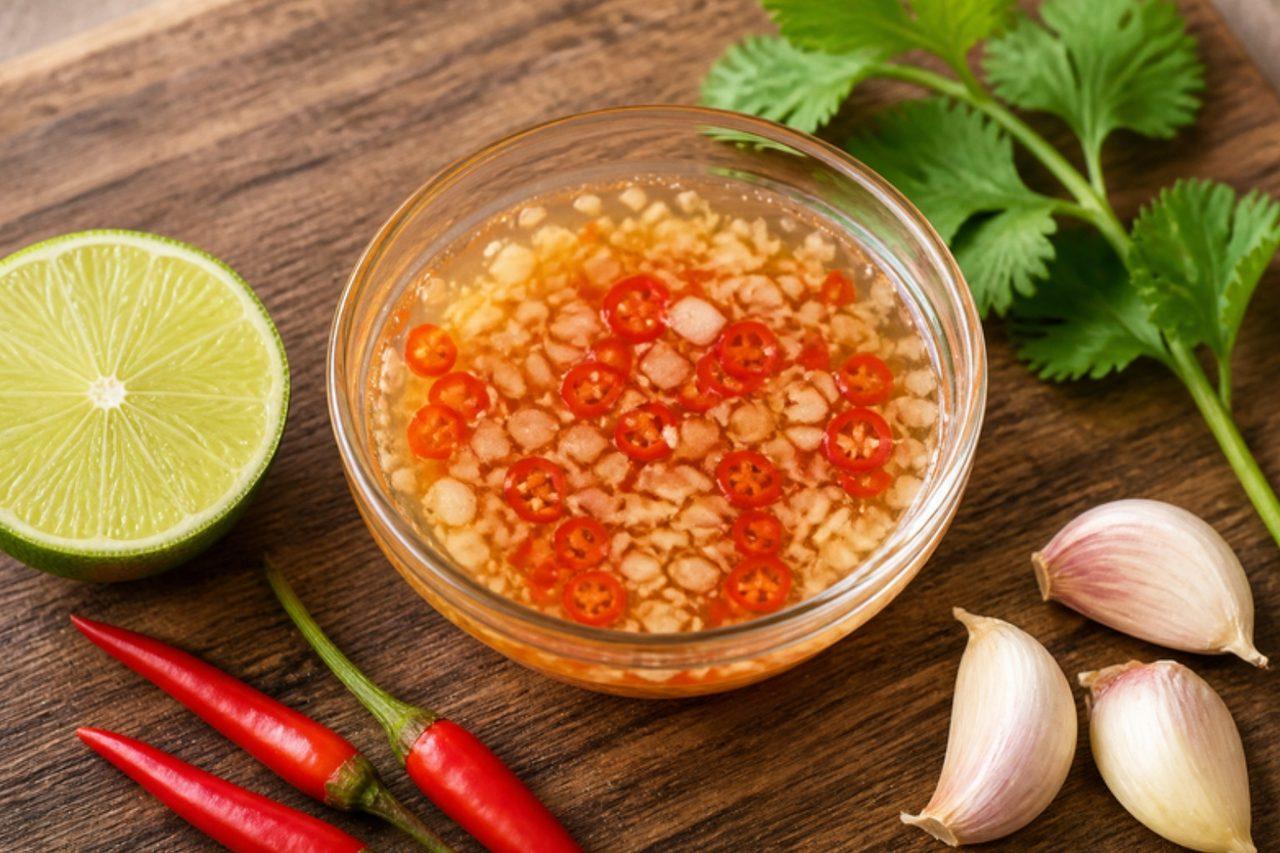
Nước chấm is the dipping sauce that goes with almost everything in Vietnam: spring rolls, bánh xèo, noodle salads and broken rice. Buddhist vegetarian cooks, all over the country, make it without fish sauce, using light soy sauce and a little coconut water for the deep, rounded taste. It should be thin, clear and pale amber, with flecks of garlic and chilli floating on top. Chef's tip: dissolve the sugar in the warm water first, then add the lime and soy, and stir in the garlic and chilli last, pounded with a pinch of sugar, so they float on the surface instead of sinking.
 Vietnamese

Mint and onion chutney
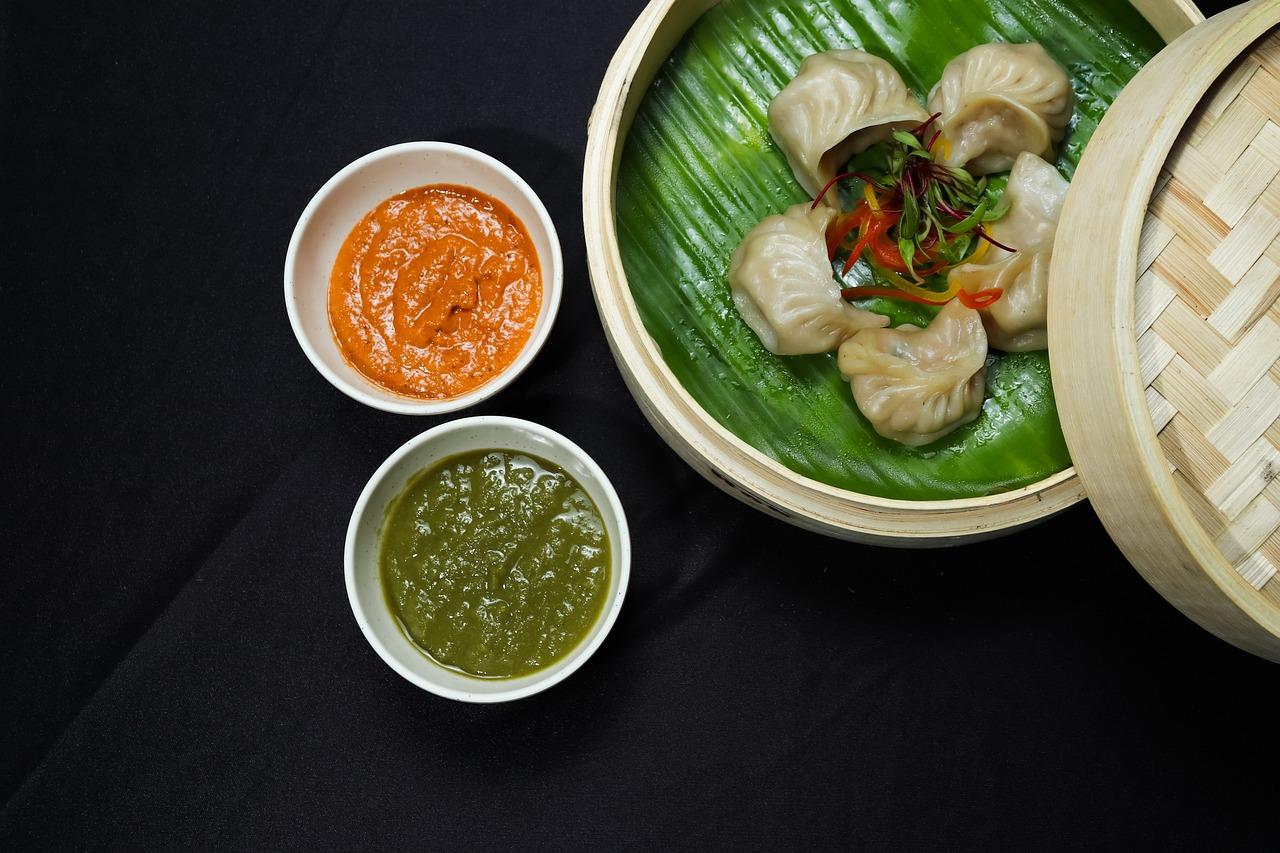
Onions fried gently until soft and sweet, then blended with fresh mint, green chilli and lemon juice. It's a mellow, fresh-tasting chutney that is great with bhajias, samosas, kebabs and tikka, or spread in sandwiches.
 Indian
