
 Japanese
 Vegan
 Gluten free
Myoga no amazuzuke
Sweet pickled myoga ginger
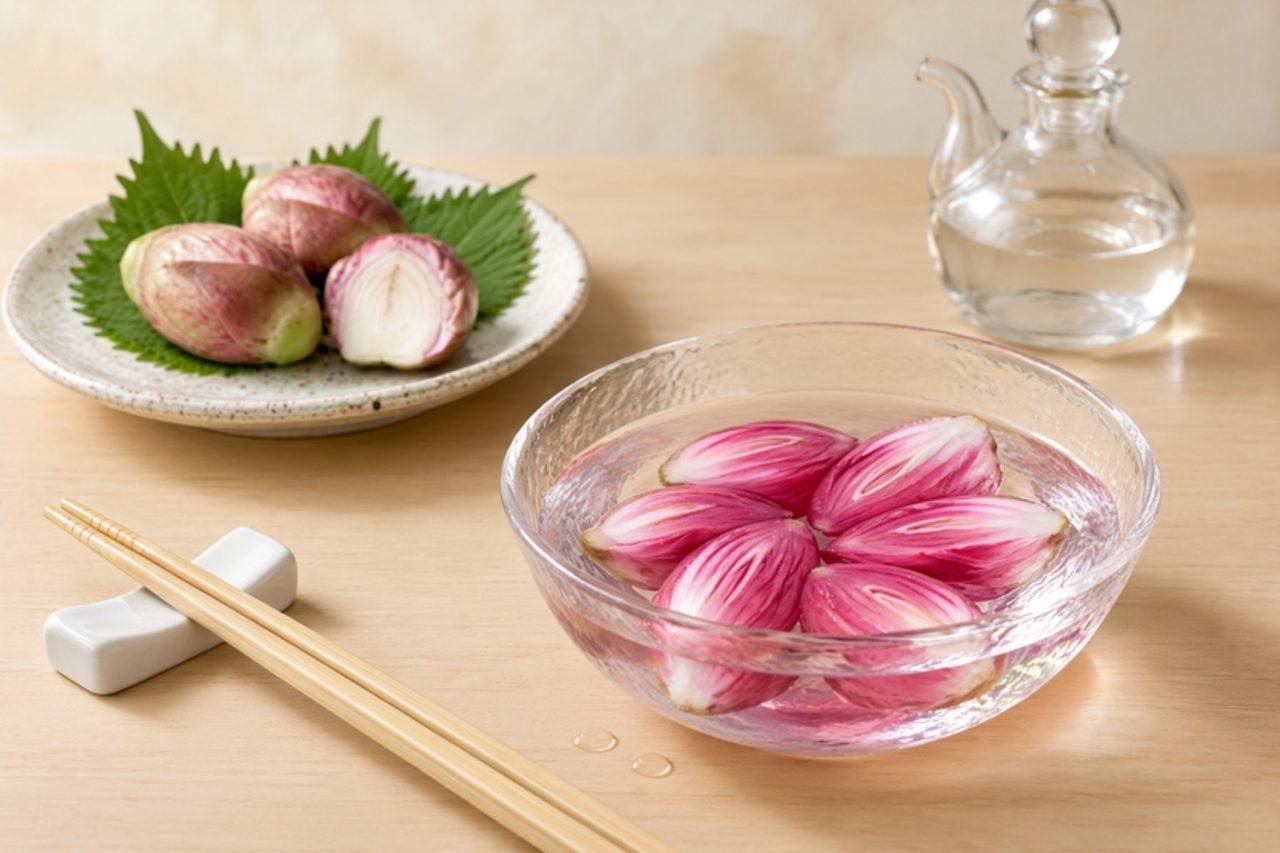
茗荷の甘酢漬け: myoga ginger buds blanched and plunged into sweet vinegar, blushing bright pink within half an hour
Myoga is the flower bud of a Japanese ginger plant, harvested from the shady corners of gardens across Japan from July to September, and its pickled form is one of summer's small pleasures. Halved buds are blanched and dropped into warm sweet vinegar, and within half an hour the pale purple-white layers blush a vivid pink. They taste crisp and fresh, gently sweet-sour, with the floral, slightly resinous bite that makes myoga unlike ordinary ginger. Serve them beside grilled fish, with cold somen noodles on a hot evening, or tucked into a bento. Look for myoga in Japanese grocers, often frozen; there is no real substitute, but young ginger or small shallots pickled the same way make a pleasing alternative. The common mistake is over-blanching: past 30 seconds the layers turn soft and floppy and lose their crunch. Pour the vinegar over while the buds are still hot, which sets the colour. They are ready when they are evenly pink and taste sour-sweet right through. Chef's tip: slice a few pickled buds into thin strips and fold them into sushi rice for a quick summer chirashi.
- Prep
- 10 min
- Cook
- 5 min
- Difficulty
- Easy
- Serves
- 6
- Per serving
- 20 kcal
Ingredients
- 5 ½ oz myoga budsabout 10 buds; or young ginger or small shallots
- ½ cup rice vinegarat least 4% acidity
- 2 tbsp sugar
- ½ tsp fine sea salt
- 4 ¼ cups waterfor blanching
Tick what you have; the rest goes in the basket.
Method
0/6 doneStep 1: Clean the jar or container and lid: wash in hot soapy water, rinse, then dry in a 250°F oven for 10 minutes (or pour boiling water over and in it and air-dry upside down). Let it cool; it must be completely dry.
Step 2: Trim the root end of the 5 ½ oz myoga buds, remove any damaged outer layers and halve lengthways.
5 minStep 3: Warm ½ cup rice vinegar, 2 tbsp sugar and ½ tsp fine sea salt in a small pan over a low heat, stirring, until the sugar dissolves and it just steams, about 2 minutes. Pour into the clean jar.
2 minStep 4: Bring the 4 ¼ cups water to a rolling boil. Drop in the myoga for 20–30 seconds, just until the colour brightens, then drain well in a sieve and shake off the water.
3 minStep 5: While still hot, put the myoga into the warm sweet vinegar and press down so they are covered. Within 30 minutes they turn bright pink.
Step 6: Cool, close and refrigerate. Best after a few hours and keeps 2–3 weeks in the fridge, submerged. Use clean chopsticks. Throw away if the vinegar turns cloudy or fizzy, or you see mould or smell anything off.
KrazyBadal
Reviews
No reviews yet. Be the first to cook it.
Rate this recipe
Sign in to rate and review this recipe.
You might also like

Yaki onigiriGrilled rice balls
Yaki onigiri (焼きおにぎり) are rice balls grilled until they form a crisp, toasty crust, then brushed with soy sauce glaze. They are eaten all over Japan, at izakaya, at barbecues and from the freezer section, as a snack or with miso soup. The inside stays soft and steamy while the outside crackles. Best eaten hot, straight from the pan. Chef's tip: let the shaped rice balls dry for 10 minutes before they go in the pan. A drier surface forms a better crust and won't stick, and the glaze goes on only at the end so it doesn't burn.
Green chilli chutney
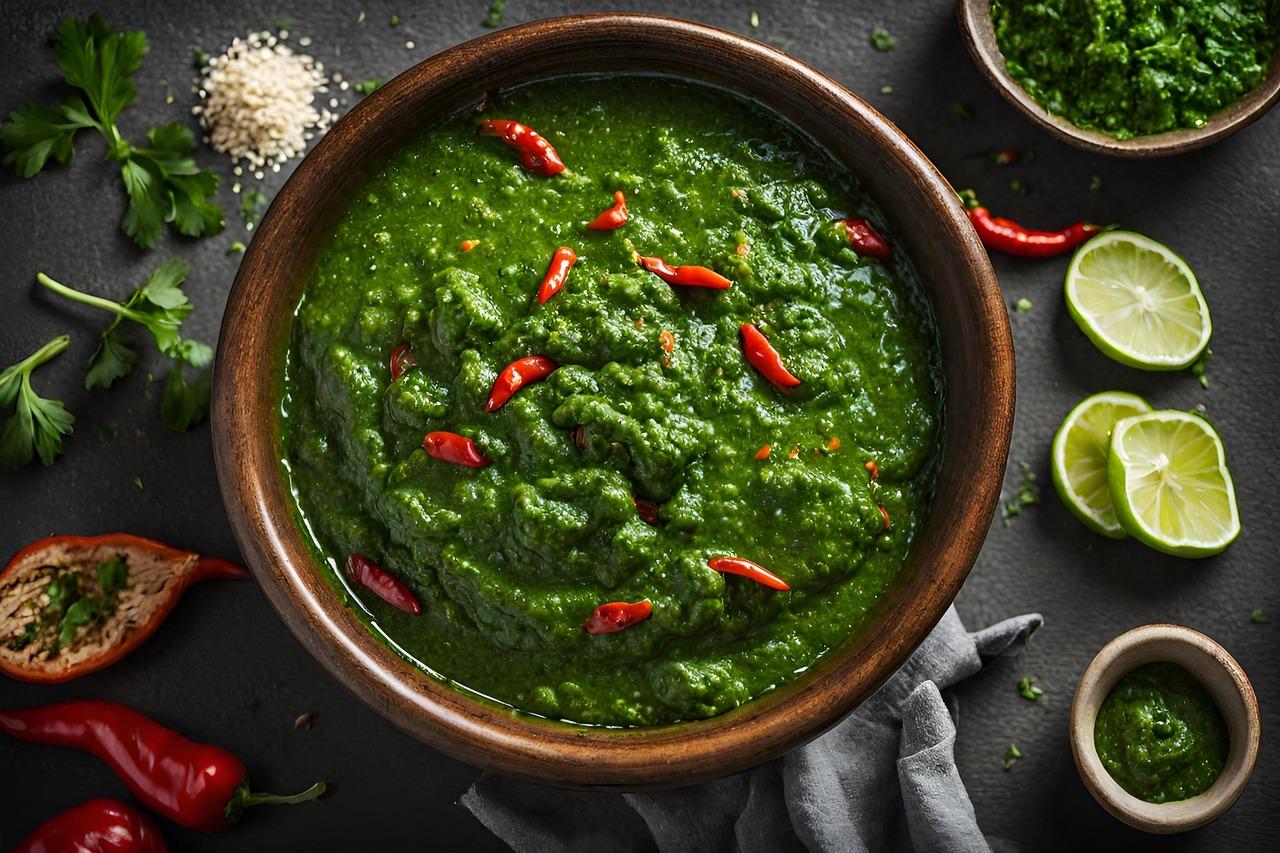
The everyday Gujarati green chutney: fresh coriander, hot green chillies, raw mango and green pepper blended coarsely with fafadia gathia, which thickens it and stops it going watery. It's hot, tangy and a little sweet. Serve it with dhokla, khandvi, sandwiches and all kinds of farsan.
 Indian


Miso soup
Miso soup (味噌汁) is drunk every day in homes all over Japan, at breakfast as well as dinner, beside a bowl of rice. The base is dashi; this vegan version uses kombu and dried shiitake instead of bonito, which gives it a deep, rounded flavour. Silken tofu and wakame seaweed are the classic fillings. It takes ten minutes; just remember not to boil the miso. Chef's tip: add the miso at the very end and never let it boil. Boiling kills the miso's fresh, fermented aroma; Japanese cooks say the soup should only 'smile', with the surface barely trembling.