
 Japanese
 Vegan
 Gluten free
Nukazuke (rice-bran pickles)
ぬか漬け · Vegetables fermented in a living rice-bran bed
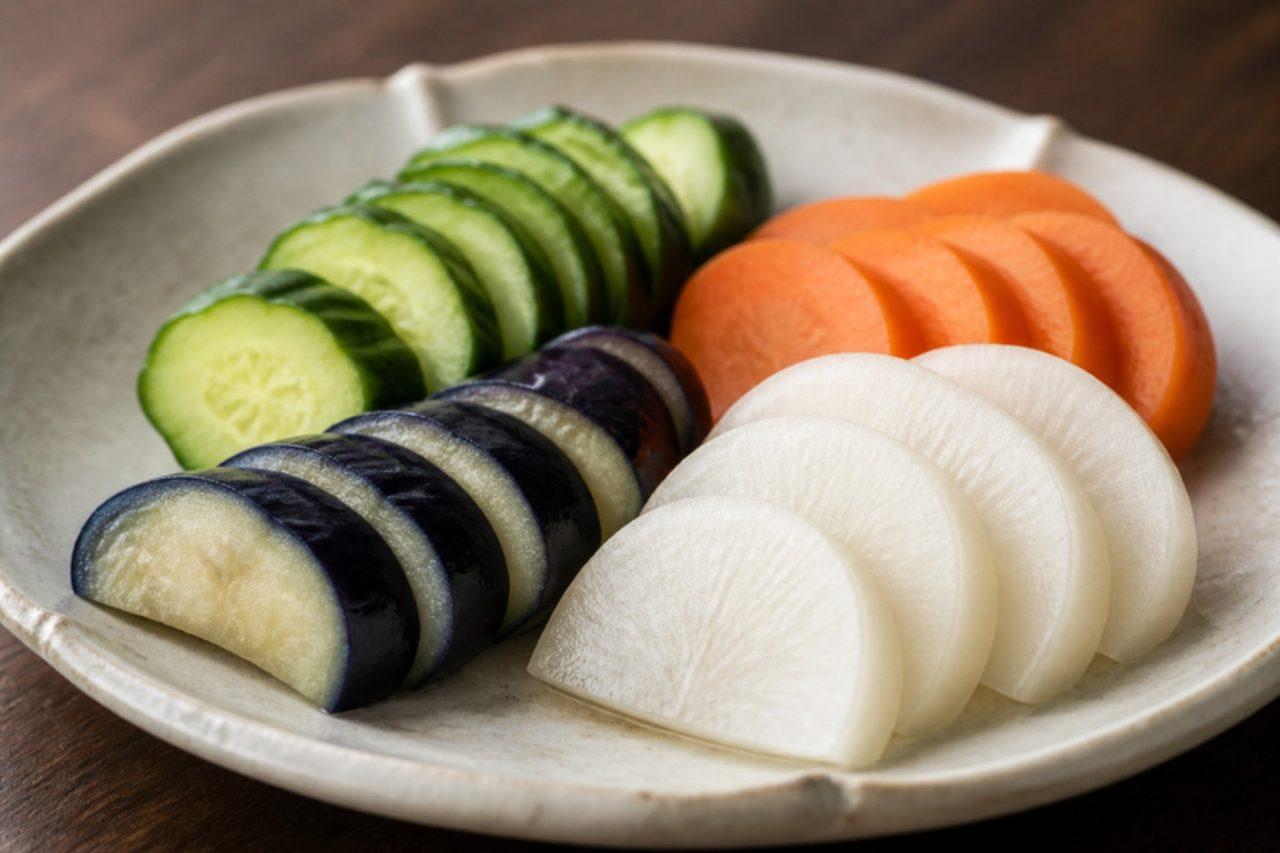
Before refrigerators, almost every Japanese kitchen kept a nukadoko, a crock of salted, fermenting rice bran that someone stirred by hand every morning, and families in Kyoto and Kyushu still pass theirs down for decades. Cucumbers, carrots, daikon or aubergine buried overnight come out crisp, sour and deeply savoury, a little like a gentle sauerkraut. Starting a bed takes about an hour of work and a week of 'feeding' with scraps before it pickles well. The most common mistake is forgetting to stir: left alone, the surface grows yeast and the bed starts to smell sharp and off. Chef's tip: stir from the bottom up once a day with clean hands, and if the bed gets watery, soak up the liquid with a clean cloth rather than pouring it away.
- Prep
- 60 min
- Cook
- 0 min
- Difficulty
- Medium
- Serves
- 20
- Per serving
- 15 kcal
Ingredients
For the bran bed
- 2 ¼ lb rice bran (nuka)toasted in a dry pan until fragrant, then cooled
- 4 ½ oz salt
- 1 litre waterboiled and cooled
- ⅓ oz kombuin 5 cm squares
- 10 ½ oz vegetable scrapscabbage leaves, daikon peel and carrot tops, for starting the bed
To pickle
Tick what you have; the rest goes in the basket.
Method
0/6 doneStep 1: Dissolve 4 ½ oz salt in 1 litre water. Put 2 ¼ lb rice bran (nuka) in a clean ceramic, glass or food-grade plastic tub and gradually work in the salty water with your hands until it feels like damp sand or miso.
15 minStep 2: Bury ⅓ oz kombu and 3 dried red chillies in the bran, then bury 10 ½ oz vegetable scraps. Smooth the top, wipe the sides clean and cover with a lid.
5 minStep 3: Keep at cool room temperature (15–72°F). Every day for 7–10 days, stir from the bottom up, pull out the scraps and bury fresh ones, swapping them every 2 days. The bed is ready when it smells pleasantly sour, like bread dough and yoghurt.
5 minStep 5: Leave cucumber for 8–12 hours, daikon and carrot for about 24 hours (less in summer). Keep stirring the bed once a day.
Step 6: Pull out the vegetables, rinse off the bran, slice and serve. If the bed tastes too sour or wet, add a handful of toasted bran and a pinch of salt. Throw it out if it grows coloured, fuzzy mould or smells rotten.
KrazyBadal
Reviews
No reviews yet. Be the first to cook it.
Rate this recipe
Sign in to rate and review this recipe.
You might also like

Yaki onigiriGrilled rice balls
Yaki onigiri (焼きおにぎり) are rice balls grilled until they form a crisp, toasty crust, then brushed with soy sauce glaze. They are eaten all over Japan, at izakaya, at barbecues and from the freezer section, as a snack or with miso soup. The inside stays soft and steamy while the outside crackles. Best eaten hot, straight from the pan. Chef's tip: let the shaped rice balls dry for 10 minutes before they go in the pan. A drier surface forms a better crust and won't stick, and the glaze goes on only at the end so it doesn't burn.
Green chilli chutney
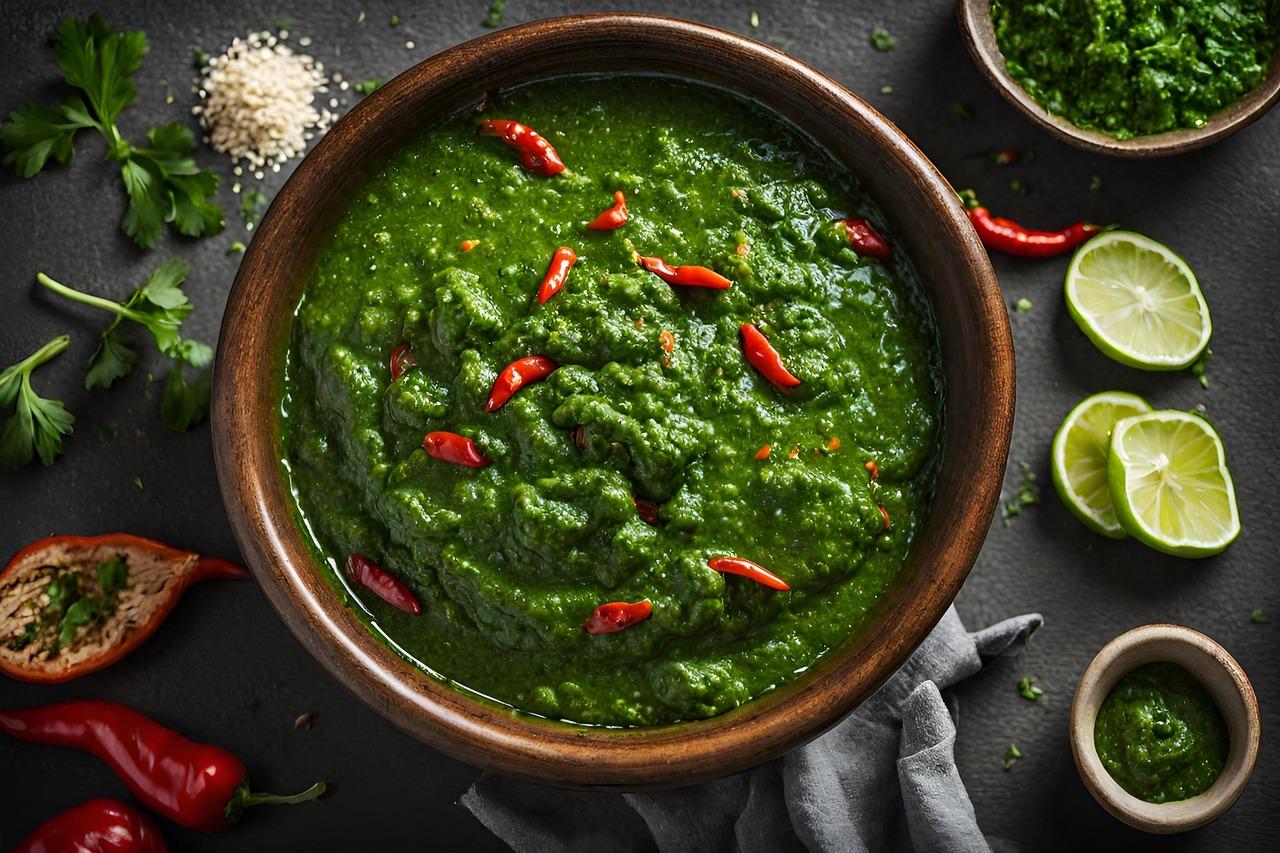
The everyday Gujarati green chutney: fresh coriander, hot green chillies, raw mango and green pepper blended coarsely with fafadia gathia, which thickens it and stops it going watery. It's hot, tangy and a little sweet. Serve it with dhokla, khandvi, sandwiches and all kinds of farsan.
 Indian


Miso soup
Miso soup (味噌汁) is drunk every day in homes all over Japan, at breakfast as well as dinner, beside a bowl of rice. The base is dashi; this vegan version uses kombu and dried shiitake instead of bonito, which gives it a deep, rounded flavour. Silken tofu and wakame seaweed are the classic fillings. It takes ten minutes; just remember not to boil the miso. Chef's tip: add the miso at the very end and never let it boil. Boiling kills the miso's fresh, fermented aroma; Japanese cooks say the soup should only 'smile', with the surface barely trembling.