
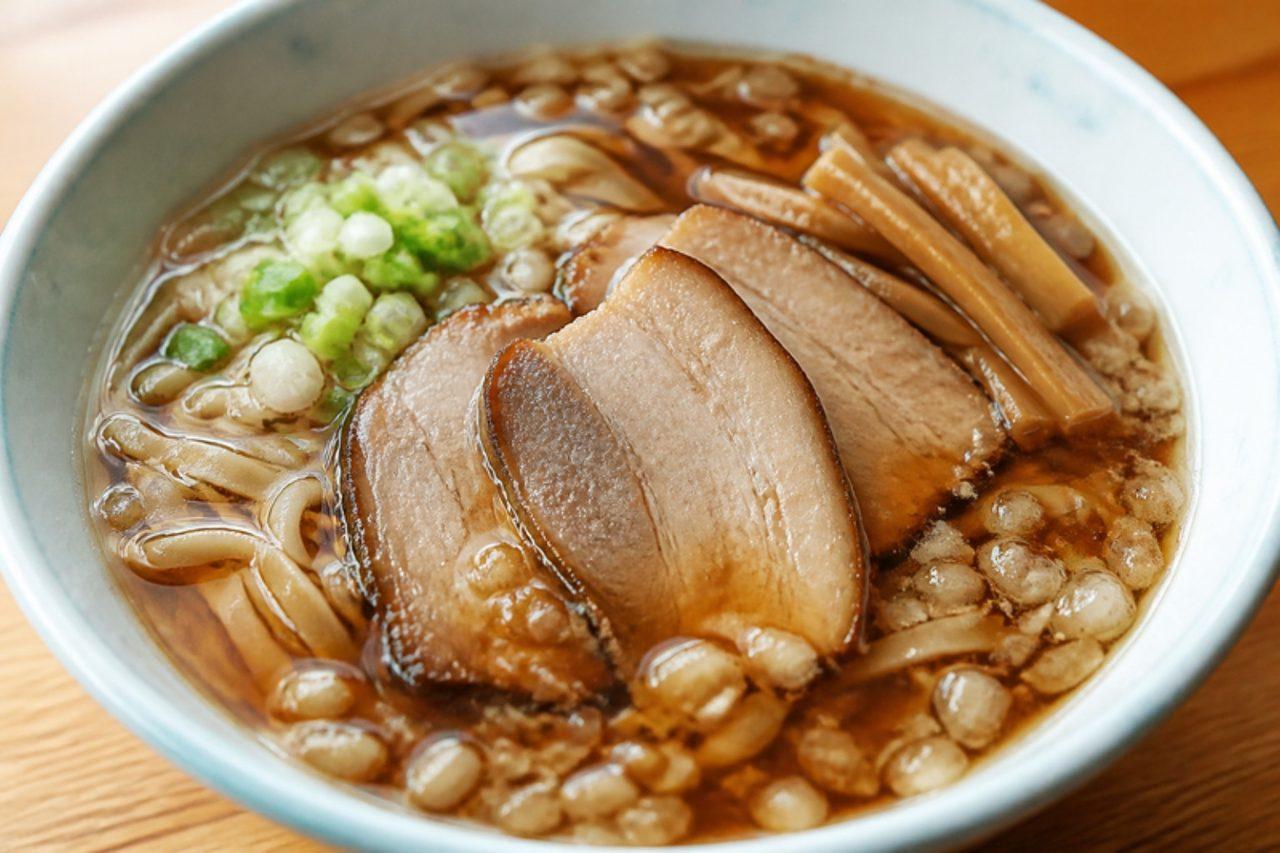
AI-generated image
Onomichi ramen
尾道ラーメン: soy ramen with a chicken and small-fish broth, flat noodles and melting bits of pork back fat
Onomichi is a hilly port town in Hiroshima prefecture on the Seto Inland Sea, and the start of the Shimanami Kaido cycle route across the islands to Shikoku. Its ramen shops serve a dark soy-seasoned broth made from chicken and small dried fish, with flat, slightly wavy noodles. The signature is a scattering of soft pork back-fat pieces that float on top and melt into each mouthful. Many visitors eat a bowl before or after the bike ride. Chef's tip: pull the heads and dark bellies off the dried sardines before using them; that is where the bitterness lives, and the cleaned fish give a sweet, clean sea flavour.
- Total time
- 75 min
- Difficulty
- medium
- Serves
- 2
Ingredients
For the broth
For the back fat
For the soy tare
For the bowls
Method
0/12 doneStep 1: Rinse the chicken 1 ⅓ lb chicken wings or a chicken carcass, put them in a large pot with the 6 ¼ cups water and bring to the boil over a high heat. Skim off all the grey foam.
10 minStep 2: Turn the heat to low and add the 3 slices fresh ginger, 2 spring onion green tops and the 2 ⅛ oz pork back fat in one piece. Simmer gently, uncovered, for 25 minutes.
25 minStep 3: Meanwhile, pinch the heads off the ⅔ oz dried sardines (niboshi) and pull out the dark bellies. Soak the cleaned fish with the ⅛ oz kombu (dried kelp) in 200 ml of the hot broth, ladled into a bowl.
Step 4: Add the soaked niboshi, kombu and their liquid to the pot. Simmer at a bare bubble for 20 more minutes. Common mistake: boiling the dried fish hard. Fierce boiling makes the broth bitter and murky; keep it barely moving.
20 minStep 5: Lift out the back fat, which should now be soft and wobbly. Chop it very finely on a board until it looks like coarse crumbs and keep it warm in a small bowl with a ladle of broth.
Step 6: Strain the broth through a fine sieve into a clean pan, pressing lightly; you should have about 800 ml. Discard the solids. The chicken has simmered for 45 minutes and is fully cooked. Keep the broth hot over a low heat.
2 minStep 7: Make the tare: warm the 5 tbsp soy sauce, 1 tbsp mirin and 1 tsp sugar in a small pan over a low heat for 1 minute until the sugar dissolves. Mirin contains a little alcohol; for an alcohol-free tare use 1 extra teaspoon of sugar and 1 tablespoon of water instead.
1 minStep 8: Warm the 6 slices cooked chashu or roast pork slices in a ladle of broth. Bring a large pan of water to the boil for the noodles.
5 minStep 9: Put half of the tare in each of two warm bowls and pour in 400 ml of hot broth per bowl. Stir and taste; add a splash more soy sauce if you like it saltier.
Step 10: Cook the 9 oz fresh flat ramen noodles for 1.5 to 2 minutes, or as the packet says, until just tender with a little bite. Drain well, shaking off the water.
2 minStep 11: Slide the noodles into the broth and fold them over neatly. Top with the chashu, 1 ⅜ oz menma (seasoned bamboo shoots) (if using) and 2 spring onions, then spoon the back-fat crumbs over the surface and serve at once.
Step 12: Leftover broth keeps for 3 days: cool it quickly, refrigerate within 2 hours and reheat until boiling before use.
Nutrition per serving
- Calories
- 720 kcal
- Protein
- 34 g
- Carbs
- 78 g
- Fat
- 30 g
- Fibre
- 4 g
Nutrition values are estimates.
KrazyBadal
Good to know
- How long does onomichi ramen take?
- About 75 minutes in total: 15 minutes to prepare and 60 minutes to cook.
- How many people does it serve?
- 2 as written. Change the servings above the ingredients and every amount scales to match.
- What can I use instead of fresh ginger?
- ¼ tsp ground ginger per tbsp fresh (add it with the spices).
- What can I use instead of soy sauce?
- Tamari, same amount (gluten free).
Reviews
No reviews yet. Be the first to cook it.
Rate this recipe
Sign in to rate and review this recipe.
You might also like

Boiled pasta
The basic method for any dried pasta, from penne to spaghetti. A large pan of salted boiling water keeps the pasta from sticking, and you cook it only until just done, with a little bite left. Use it in salads, bakes or with any sauce.


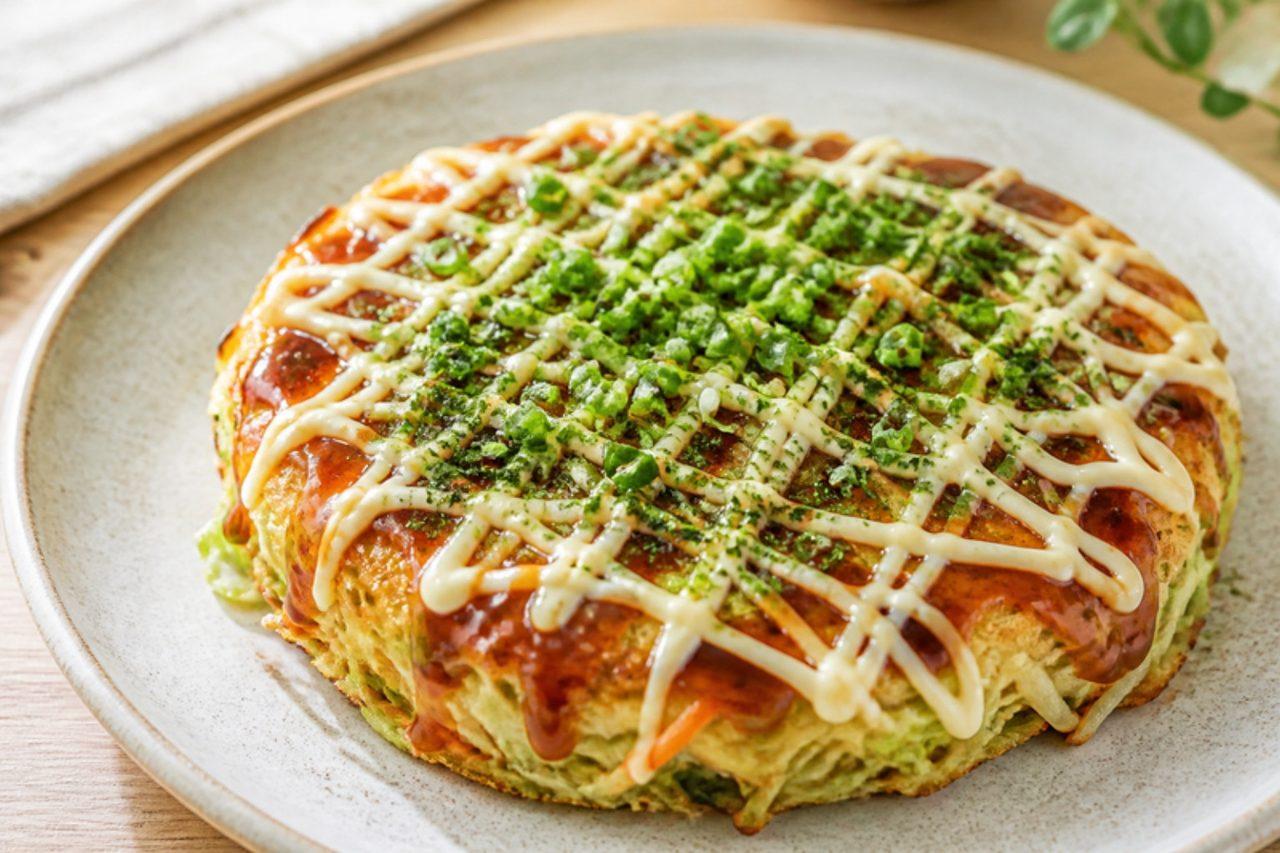
Okonomiyaki
Okonomiyaki (お好み焼き, 'grilled as you like it') is the pride of Osaka, where it's cooked on hot iron griddles in lively restaurants. Finely shredded cabbage is folded into a light batter with egg and spring onion, then fried into a thick, soft pancake with a crisp outside. It's painted with a fruity brown sauce and zigzagged with mayonnaise. Bonito flakes are usual on top; this vegetarian version uses seaweed flakes and pickled ginger instead. Chef's tip: don't press the pancake down with your spatula while it cooks. Osaka cooks leave it alone so the cabbage steams inside and stays light and fluffy; pressing squeezes out the air.
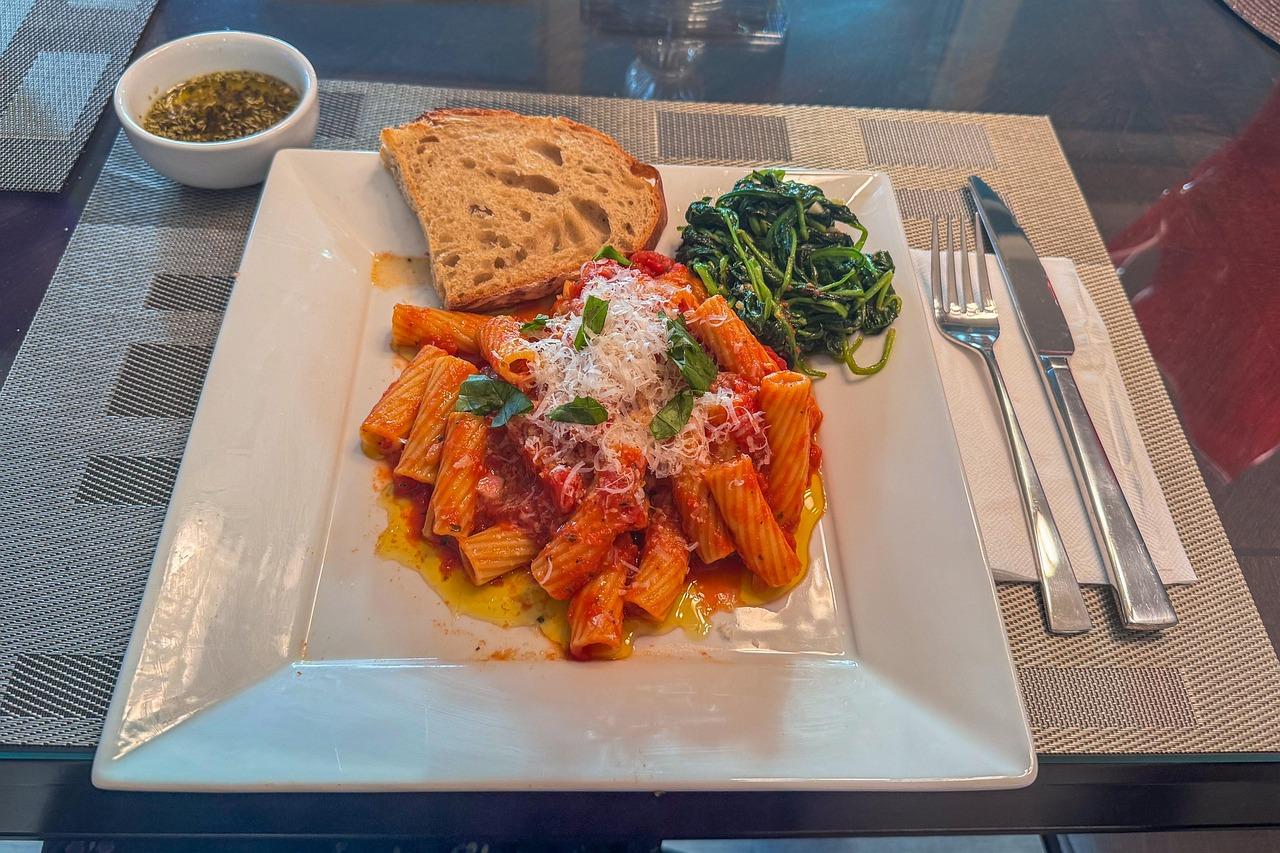
Pasta and eggplant
Rigatoni tossed in a thick tomato sauce with soft aubergine, celery and garlic, with an optional splash of brandy for depth, and topped with grated cheddar.