
Pannenkoeken
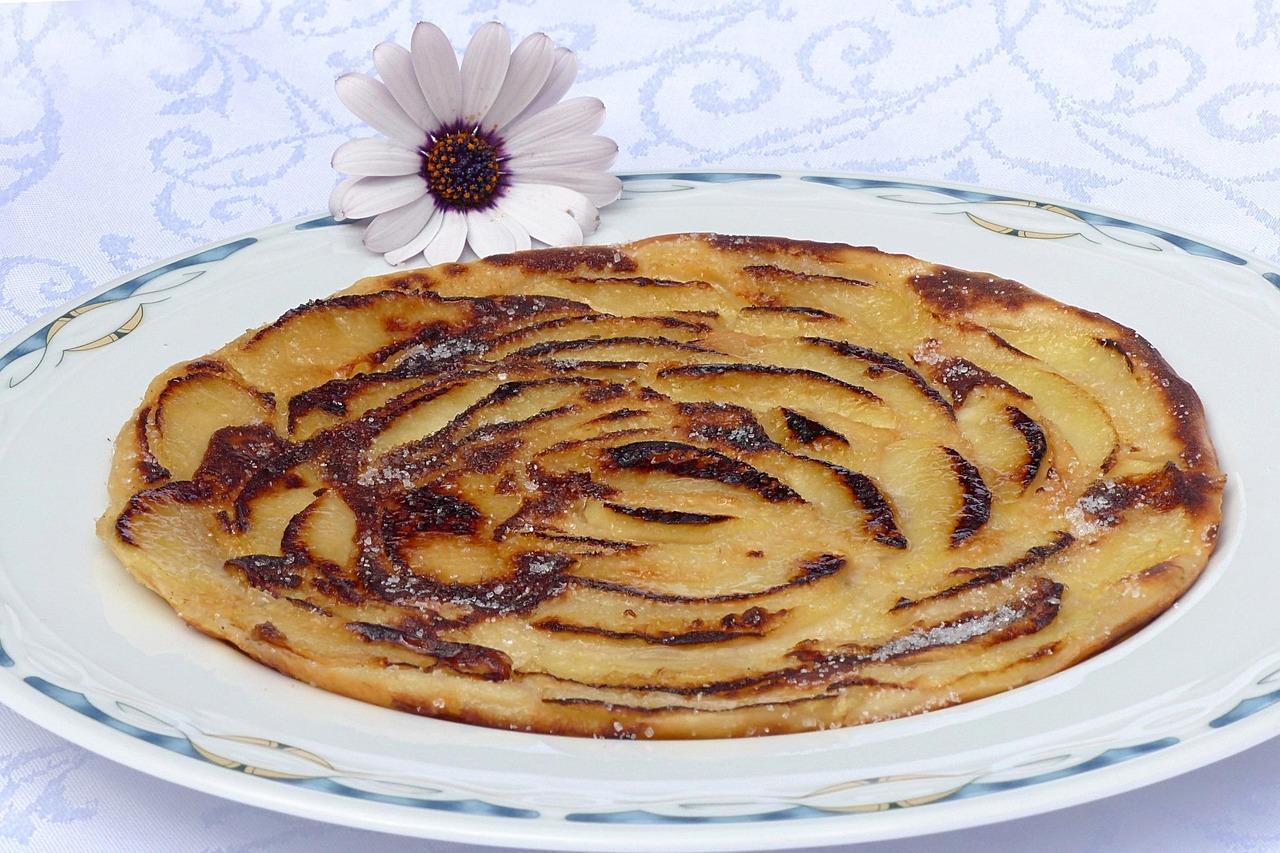
Dutch dinner pancakes with apple, cheese or both, baked into the batter

Dutch pannenkoeken are a meal, not a dessert: plate-sized, thicker than a French crêpe, and eaten for dinner with whatever has been baked straight into the batter. A pannenkoekenhuis in Amsterdam or by the dunes in Zeeland will offer dozens of fillings, but at home the favourites are apple (appel), young Gouda (kaas), or the two together, all finished with a thread of dark syrup (stroop). Kids eat them rolled up by hand. Chef's tip: lay the apple slices or cheese in the pan first and pour the batter over them, not the other way round; the fruit caramelises against the hot pan and the cheese becomes a crisp golden lace.
- Total time
- 50 min
- Difficulty
- easy
- Serves
- 4
Ingredients
For the batter
- 9 oz plain flour
- ½ tsp salt
- 2 eggs
- 2 cups whole milk
- 1 ¾ oz butterfor frying
For the fillings
- 2 applescored and sliced 3 mm thick
- 1 tsp ground cinnamon
- 2 tbsp caster sugar
- 5 ½ oz young Goudagrated; vegetarian rennet
- 6 tbsp Dutch syrup (stroop) or dark treacleto serve
- 2 tbsp icing sugar (optional)to dust
Shop this recipe on Amazon
Fresh ingredients (4)
Links open Amazon in a new tab. As an Amazon Associate, WhatToEat.Today earns from qualifying purchases.
Method
0/6 doneStep 1: Whisk 9 oz plain flour and ½ tsp salt in a bowl, make a well, add 2 eggs and a third of 2 cups whole milk and whisk to a thick smooth paste. Whisk in the rest of the milk until the batter is like single cream. Rest for 15 minutes.
15 minStep 2: Toss 2 apples with 1 tsp ground cinnamon and 2 tbsp caster sugar.
Step 3: Heat a 26–28 cm frying pan over a medium heat and melt a knob of 1 ¾ oz butter until it foams. Lay a fan of apple slices, a handful of 5 ½ oz young Gouda, or both, straight onto the butter and let them sizzle for 30 seconds.
Step 4: Pour in about 150 ml batter and swirl so it covers the base and the filling. Cook for 3–4 minutes, until the top looks dry and set and the edges are lacy and brown. Don't flip too early: a pale, soft underside will tear.
4 minStep 5: Slide a wide spatula under the pancake and flip it. Cook the second side for 2–3 minutes until the apples are golden and soft or the cheese is crisp.
3 minStep 6: Slide onto a warm plate and keep warm in a low oven while you cook the rest, adding butter each time. Serve drizzled with 6 tbsp Dutch syrup (stroop) or dark treacle and, for apple ones, a dusting of 2 tbsp icing sugar.
30 min
Nutrition per serving
- Calories
- 560 kcal
- Protein
- 21 g
- Carbs
- 72 g
- Fat
- 22 g
- Fibre
- 3 g
Nutrition values are estimates.
KrazyBadal
Good to know
- How long does pannenkoeken take?
- About 50 minutes in total: 10 minutes to prepare and 40 minutes to cook.
- How many people does it serve?
- 4 as written. Change the servings above the ingredients and every amount scales to match.
- Is it vegetarian?
- Yes. It has no meat or fish.
- What can I use instead of plain flour?
- Self-raising flour, same amount (then leave out the baking powder).
- What can I use instead of eggs?
- 1 tbsp ground flaxseed + 3 tbsp water per egg, left for 5 minutes (baking only; vegan).
Reviews
No reviews yet. Be the first to cook it.
Rate this recipe
Sign in to rate and review this recipe.
You might also like

Bsissa
A tin of bsissa sits in many Tunisian kitchen cupboards, from Tunis flats to farmhouses in the south: a finely ground flour of roasted barley, roasted chickpeas and spices such as coriander, fennel and aniseed. In the morning a few spoonfuls are worked with olive oil and something sweet into a nutty, crumbly paste, or stirred with water into a thick drink, and it keeps you going until lunch. Travellers and pilgrims once carried it for the road. Roasting your own flour takes 15 minutes and makes a jar that lasts weeks. Sugar and dates keep it vegan; some families use honey. Chef's tip: roast the flours separately over a low heat and stir constantly; the moment they smell like toasted biscuits and turn light tan, tip them out of the pan.
 Tunisian


Sabudana khichdi
Sabudana khichdi is the dish that sees Maharashtra through every vrat (fast), from Navratri to Ekadashi, but it's so good that people eat it any day of the week. Soaked sago pearls are tossed in a pan with crushed roasted peanuts, cubes of potato, cumin and green chilli until each pearl turns glassy and separate, then finished with lemon and coriander. It's soft, chewy, nutty and gently hot. Fasting rules vary from family to family, so check yours; this version uses rock salt and no asafoetida, onion or garlic. Traditionally it's cooked in ghee; use ghee instead of oil if you aren't keeping it vegan. Chef's tip: soak the sago in just enough water to cover by the height of the pearls themselves, no more; too much water is the reason khichdi turns into one sticky lump.
 Indian

Mysore masala dosa
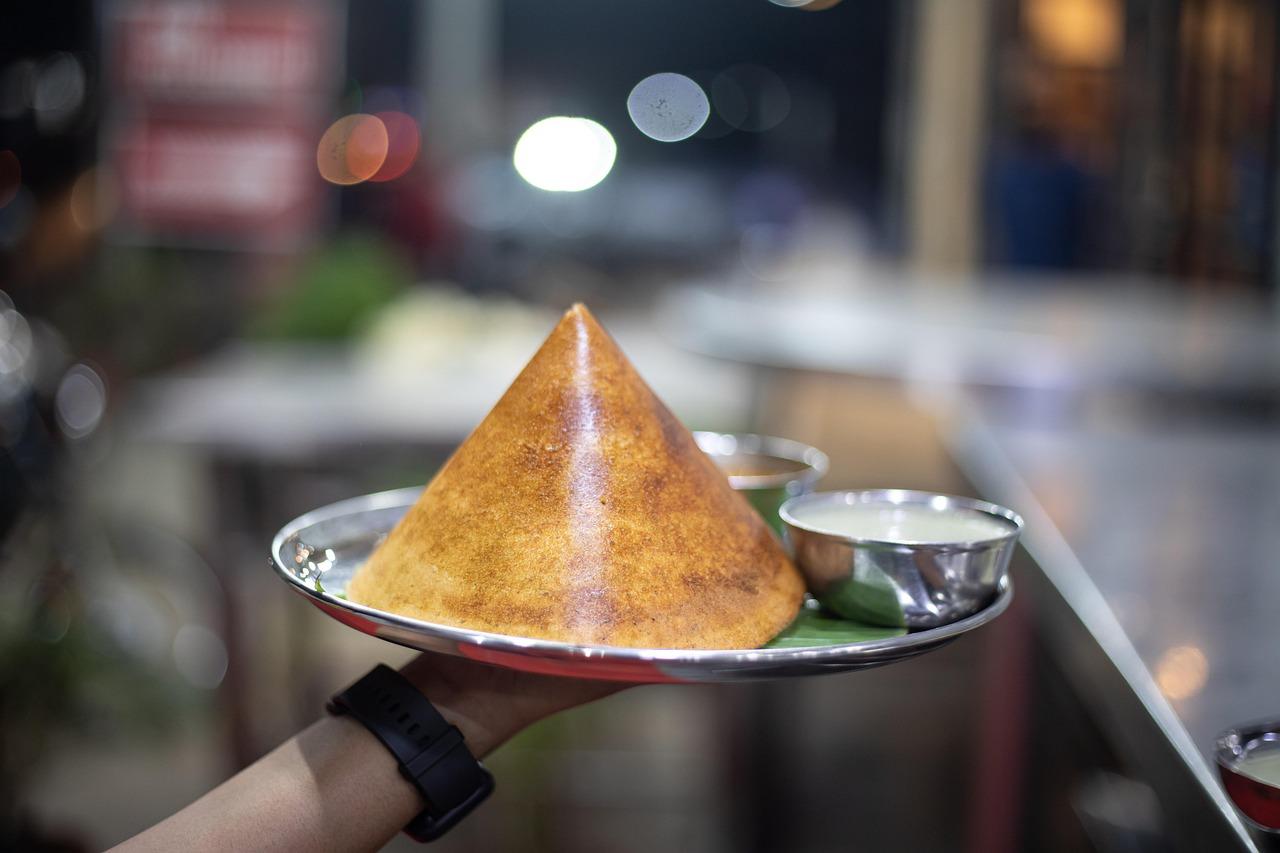
Mysuru in Karnataka gave its name to this bolder dosa: a slightly thicker, golden crêpe that is crisp outside and soft inside, painted with a hot red chutney of dried chillies, garlic and roasted chana dal before the potato palya goes in. The chutney melts into the dosa as it cooks, so every bite has a sweet-spicy, garlicky kick. In Mysuru's old cafés it's served flat and folded, with coconut chutney to cool things down. Chef's tip: use Byadagi or Kashmiri chillies for the chutney; they give a deep red colour without blowing your head off, so you can spread it generously.
