
Pogácsa
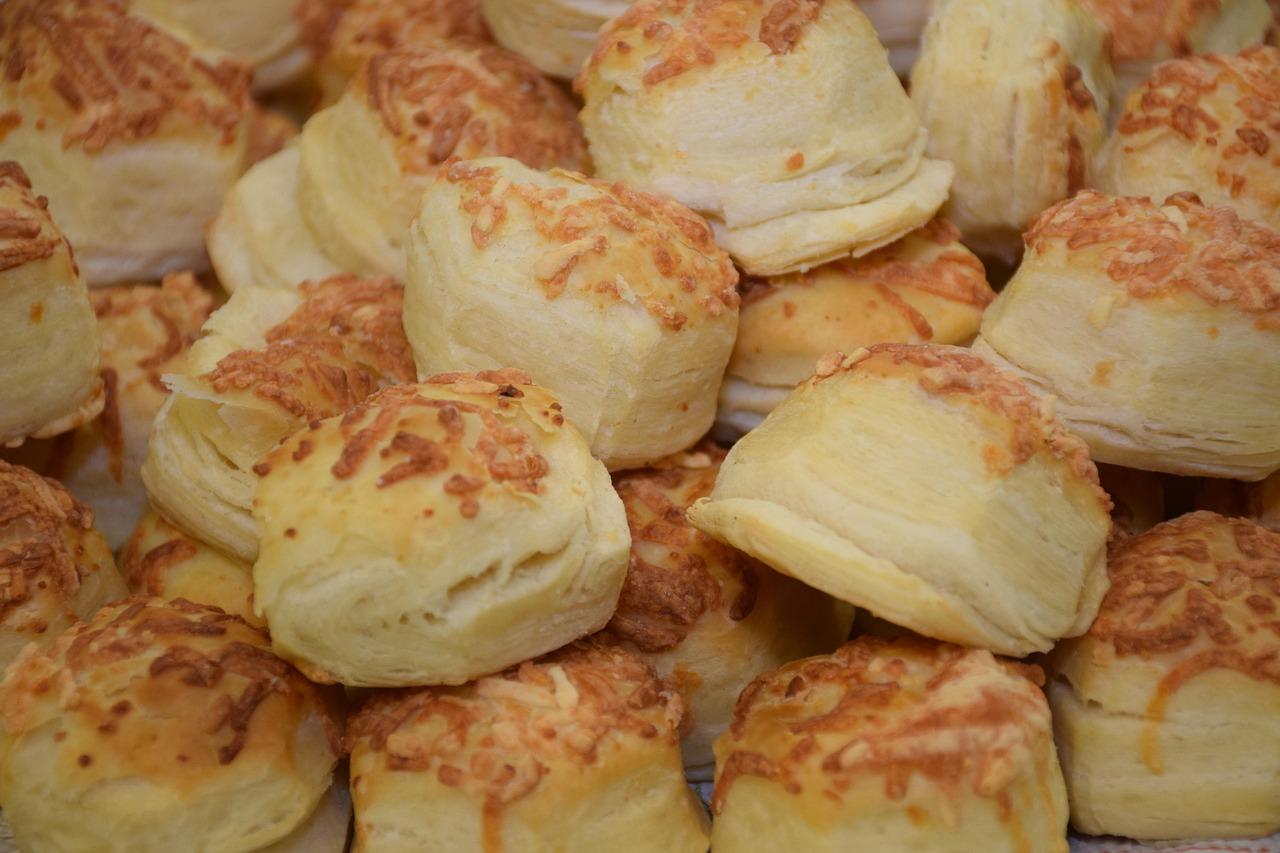
Hungarian cheese and sour cream savoury scones

Pogácsa are small, round, flaky savoury scones that appear on every Hungarian buffet table, at weddings, christening parties and wine tastings in Tokaj and Villány, where they are eaten with a glass of white. Bakeries sell them by weight, and every region has its own: with crackling, potato, cabbage or, like these, butter, sour cream and cheese. The dough is folded a few times, so they split into tender layers, and the top is scored in a criss-cross before baking. Chef's tip: cut straight down with a sharp cutter and don't twist; twisting seals the edges and the pogácsa rise lopsided. Use a cheese made with vegetarian rennet.
- Total time
- 60 min
- Difficulty
- medium
- Serves
- 24
Ingredients
For the dough
For the top
Shop this recipe on Amazon
What you'll need
Spices & pantry
Fresh ingredients (7)
Links open Amazon in a new tab. As an Amazon Associate, WhatToEat.Today earns from qualifying purchases.
Method
0/6 doneStep 1: Rub 7 oz cold butter into 1 ⅛ lb plain flour, 1 ½ tsp salt and 1 tsp sugar with your fingertips until it looks like coarse breadcrumbs with a few pea-sized pieces of butter. Stir in ¼ oz fast-action dried yeast and 3 ½ oz grated hard cheese (Trappista, Gouda or Cheddar).
Step 2: Add ¾ cup sour cream (20%), ¼ cup lukewarm milk and 1 egg yolk and bring together into a soft dough without kneading. Wrap and chill for 30 minutes.
30 minStep 3: On a floured surface roll the dough into a 1 cm thick rectangle, fold it in three like a letter, turn 90 degrees and roll again. Repeat twice more, chilling for 10 minutes if the butter softens. Common mistake: over-kneading, which melts the butter and gives you dense rolls instead of flaky layers.
10 minStep 4: Roll out to 2 cm thick and lightly score the top in a criss-cross with a knife. Cut out rounds with a 4–5 cm cutter, pressing straight down, and place on a lined tray. Re-roll the scraps once.
10 minStep 5: Brush with 1 egg, sprinkle with 1 ¾ oz grated hard cheese and leave to rise for 20–30 minutes until slightly puffy. Heat the oven to 400°F (350°F fan).
30 minStep 6: Bake for 18–20 minutes until risen, deep golden and the cheese on top is crisp. They should sound hollow when tapped underneath. Cool on a rack; best eaten warm.
20 min
Nutrition per serving
- Calories
- 175 kcal
- Protein
- 4 g
- Carbs
- 16 g
- Fat
- 10 g
- Fibre
- 1 g
Nutrition values are estimates.
KrazyBadal
Good to know
- How long does pogácsa take?
- About 60 minutes in total: 40 minutes to prepare and 20 minutes to cook.
- How many people does it serve?
- 24 as written. Change the servings above the ingredients and every amount scales to match.
- Is it vegetarian?
- Yes. It has no meat or fish.
- What can I use instead of plain flour?
- Self-raising flour, same amount (then leave out the baking powder).
- What can I use instead of fast-action dried yeast?
- Fresh yeast, three times the weight.
Reviews
No reviews yet. Be the first to cook it.
Rate this recipe
Sign in to rate and review this recipe.
You might also like
Moist banana bread
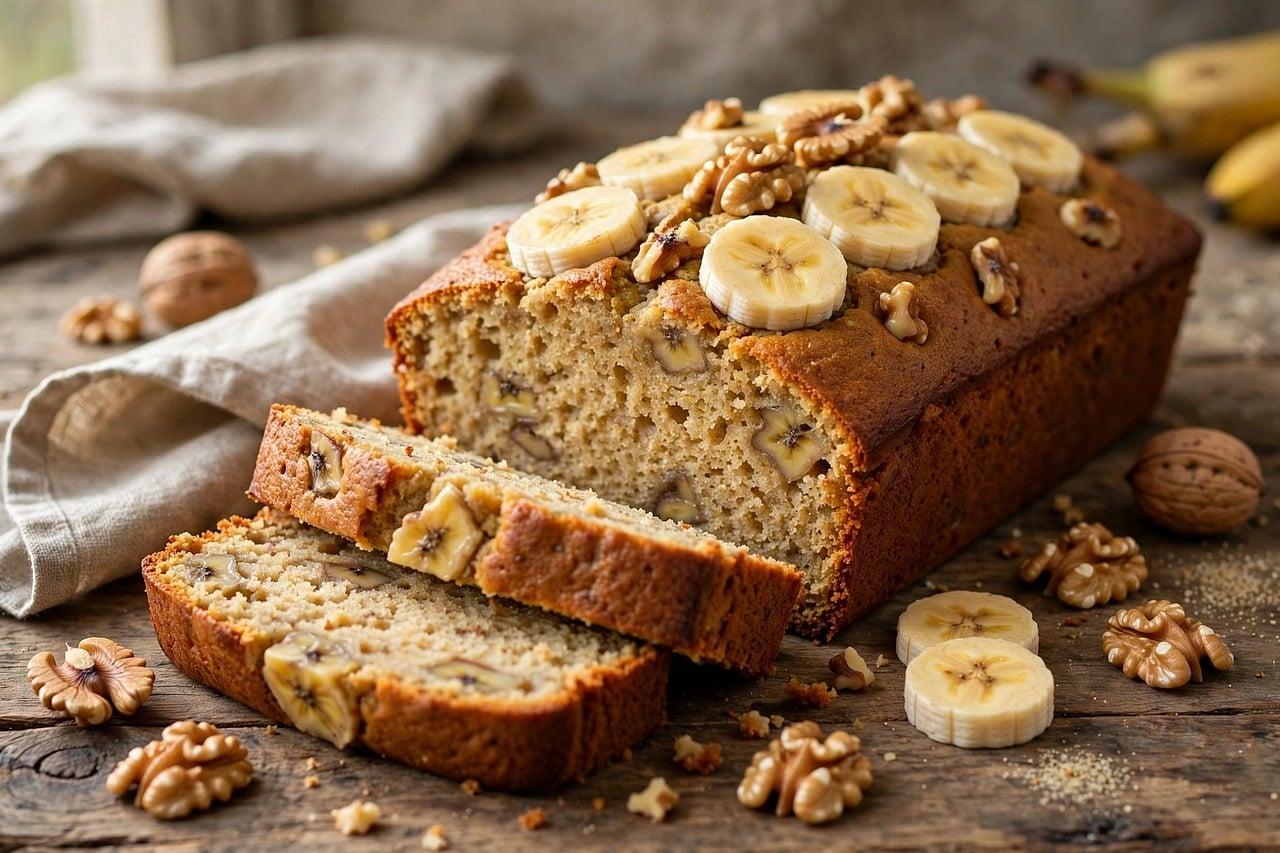
The blacker the bananas, the better the loaf. This one is mixed in a single bowl with melted butter and a little brown sugar, so it's soft, deeply banana-y and keeps well for days.
 American
Ma'amoul
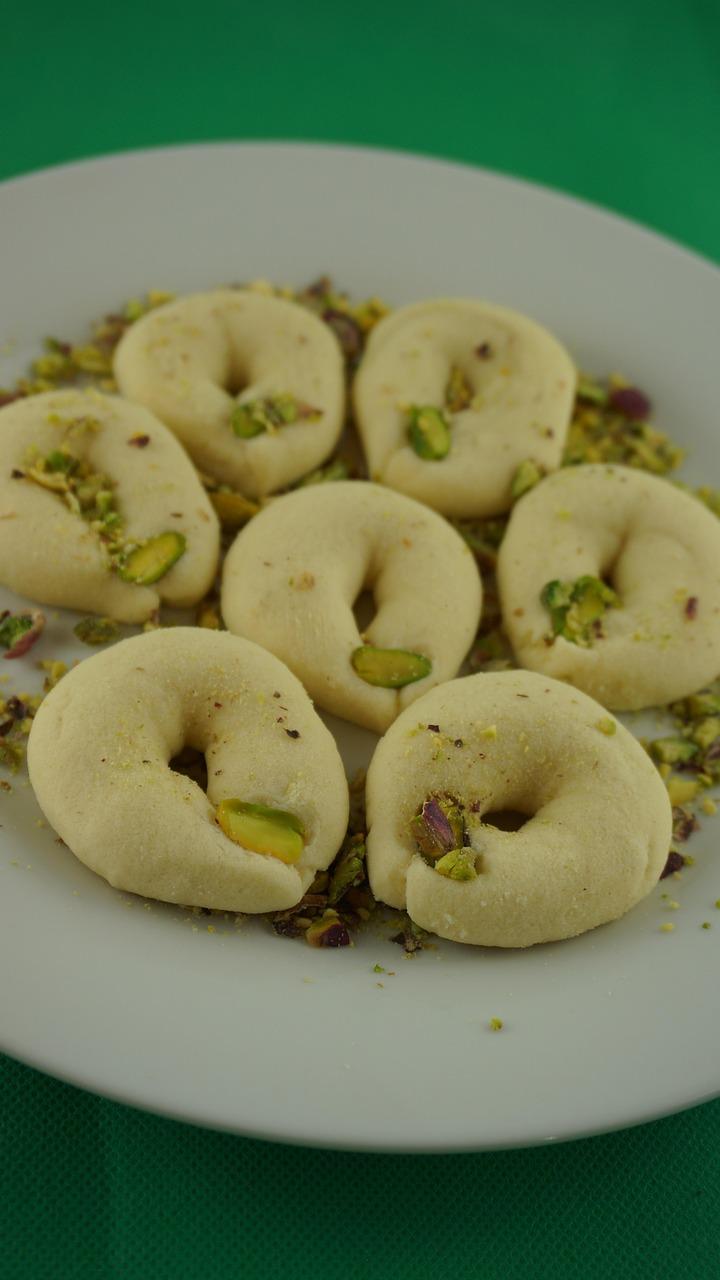
Ma'amoul are delicate shortbread-like pastries made for Eid and Easter across the Middle East. A soft, rose-scented butter dough is wrapped around a filling of dates, walnuts, almonds and pistachios cooked with cinnamon, marked with a fork, baked pale and dusted with icing sugar. Makes 35; they keep well in a tin.
Tarte au sucre lilloise
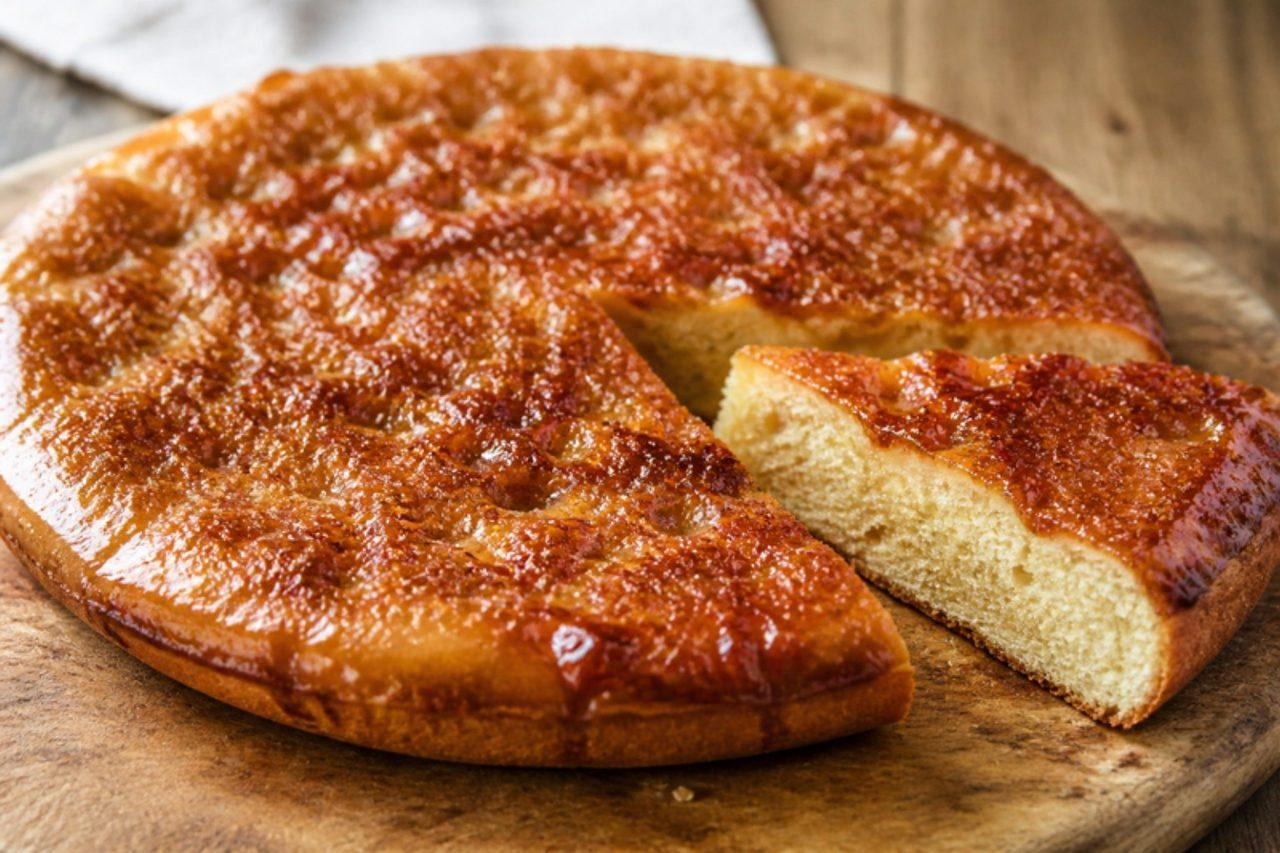
In Lille and across the Nord, a sugar tart is not pastry at all but a flat round of soft brioche dough, dimpled and covered with brown cassonade sugar, butter and a little egg and cream, which bakes into a sticky, caramelised top over a fluffy base. Families buy it from the boulangerie for Sunday breakfast and goûter, or bake one when guests come for coffee. The Nord's own beet sugar, vergeoise, gives it a deep, almost molasses flavour; soft dark brown sugar is the closest swap. Chef's tip: press deep dimples into the risen dough with your fingertips before adding the topping; the sugar and cream collect in them and bake into little pools of caramel.
 French