
 Polish
 Vegan
 Gluten free
Powidła śliwkowe
Plum butter
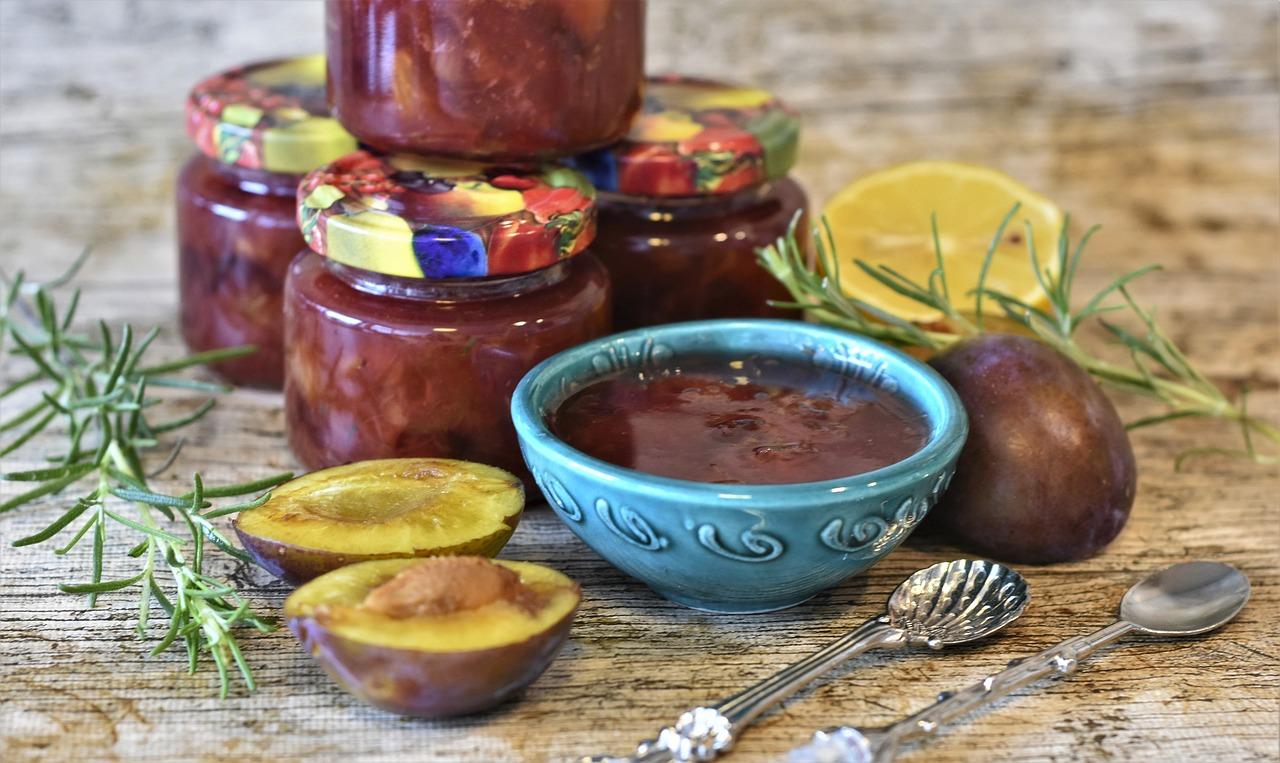
Powidła śliwkowe: thick, dark Polish plum butter slowly cooked without added sugar
In the villages around Szydłów in the Świętokrzyskie hills, late-season Hungarian plums were once stirred in copper cauldrons over a fire for a day or more, until they became powidła, so thick a spoon stands up in it. The sugar in very ripe plums caramelises, turning the purée nearly black, glossy and intensely fruity with a slight bitterness. It fills pączki, drożdżówki and pierogi, and is spread on bread with butter. Traditional cooks spread the cooking over three days, letting the pot cool between sessions; an oven gets you there in an afternoon. The usual slip is cooking on the hob on high heat, which burns the bottom long before the plums thicken. Chef's tip: use the latest, ripest, wrinkly-skinned plums you can find; they need no sugar at all.
- Prep
- 30 min
- Cook
- 210 min
- Difficulty
- Easy
- Serves
- 24
- Per serving
- 45 kcal
Ingredients
- 6 ⅝ lb very ripe dark plums (Hungarian type)stoned
- 1 cinnamon stick (optional)
- 2 cloves (optional)
Tick what you have; the rest goes in the basket.
Method
0/4 doneStep 1: Put 6 ⅝ lb very ripe dark plums (Hungarian type) in a large, heavy ovenproof pot, add 1 cinnamon stick and 2 cloves if using, and cook over a low heat, covered, for 20 minutes, stirring, until the plums collapse and release their juice.
20 minStep 2: Heat the oven to 300°F (275°F fan). Blend the plums with a stick blender until smooth, or leave some texture if you prefer, removing the spices first.
5 minStep 3: Move the pot, uncovered, to the oven and bake for 3–3½ hours, stirring every 30 minutes and scraping the sides, until the purée is very dark and so thick that a spoon dragged across the bottom leaves a clean path that stays open.
195 minStep 4: Spoon the hot plum butter into hot, clean jars, close and turn upside down to cool. Keep in a cool dark place for up to 6 months, or in the fridge once opened.
10 min
KrazyBadal
Reviews
No reviews yet. Be the first to cook it.
Rate this recipe
Sign in to rate and review this recipe.
You might also like
Green chilli chutney
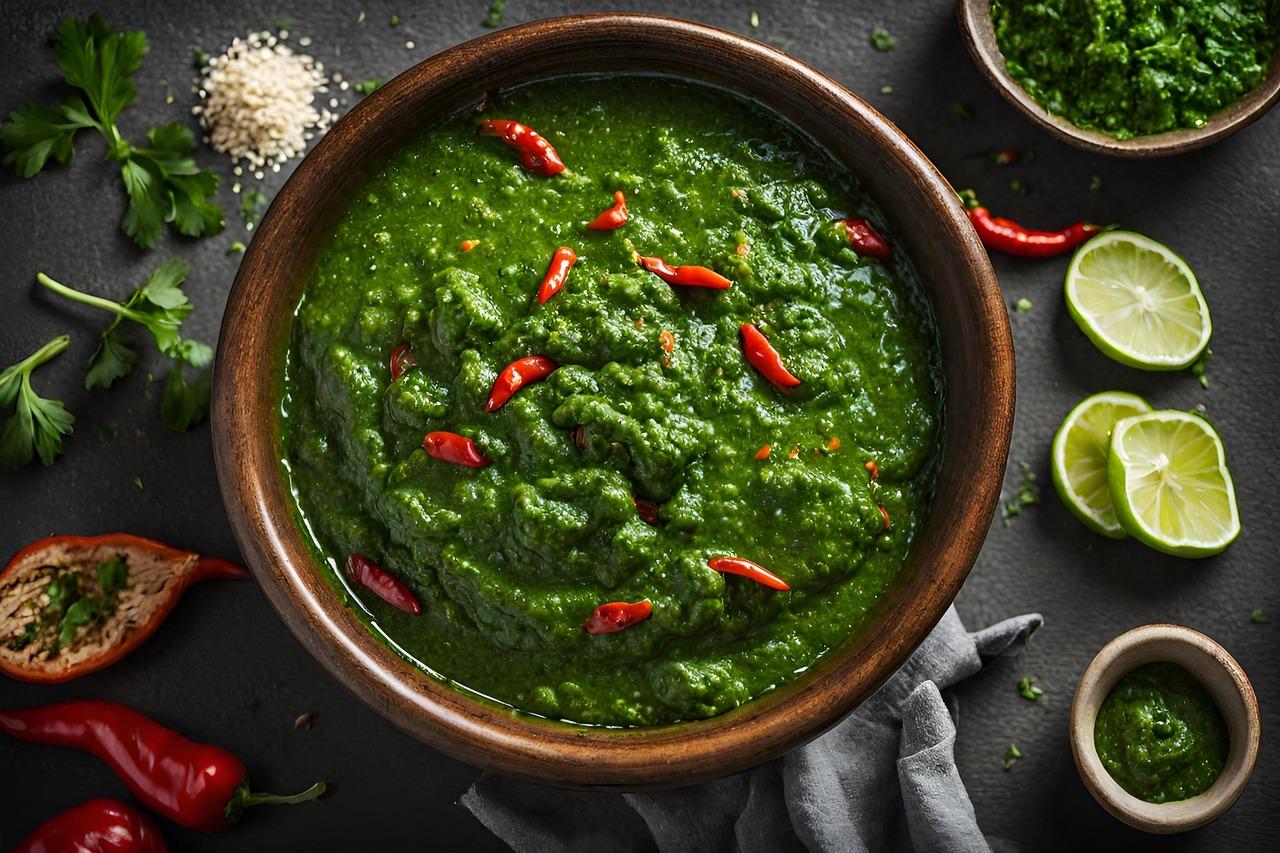
The everyday Gujarati green chutney: fresh coriander, hot green chillies, raw mango and green pepper blended coarsely with fafadia gathia, which thickens it and stops it going watery. It's hot, tangy and a little sweet. Serve it with dhokla, khandvi, sandwiches and all kinds of farsan.
 Indian


Kluski lanePoured egg noodles in broth
Kluski lane, 'poured dumplings', are the soft little egg noodles Polish grandmothers from Kraków to Gdańsk make in minutes by pouring a thin batter into simmering broth. This vegetable-broth version is a light, soothing supper or a quick meal for children, and in some homes the same noodles go into hot sweet milk instead. The common mistake is a batter that is too thick; it drops in lumps and turns into heavy, doughy dumplings. It should run off a spoon in a slow ribbon. Chef's tip: pour the batter from a jug in a thin stream from a little height while you stir the broth, so it sets into long, wavy threads.
Basil and sundried tomato dip
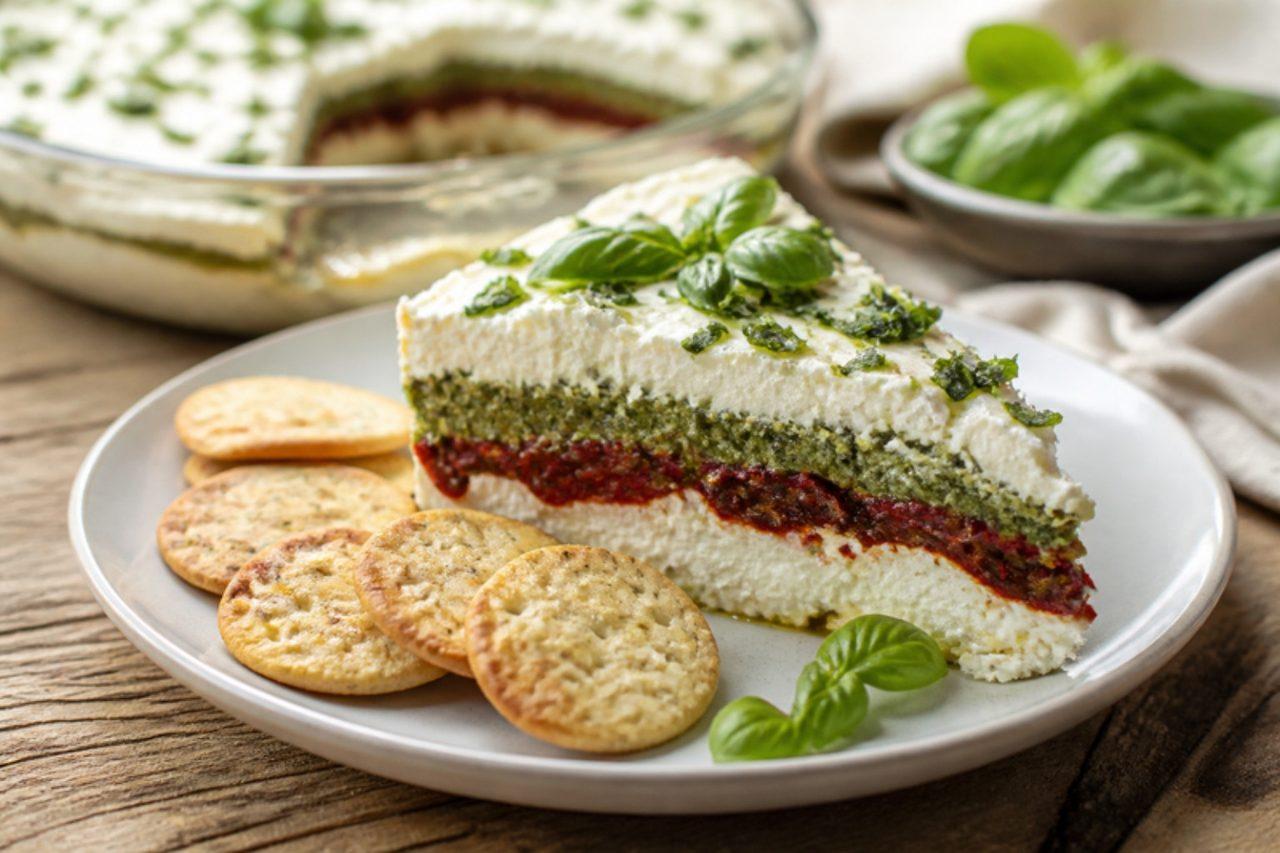
A layered party dip: creamy cream cheese and feta sandwiching a bright green basil, spinach and parmesan pesto and a layer of sundried tomato paste. It's set in a lined bowl, then turned out so the layers show. Serve it with pieces of bread or crackers.
 Italian