
Pozole rojo
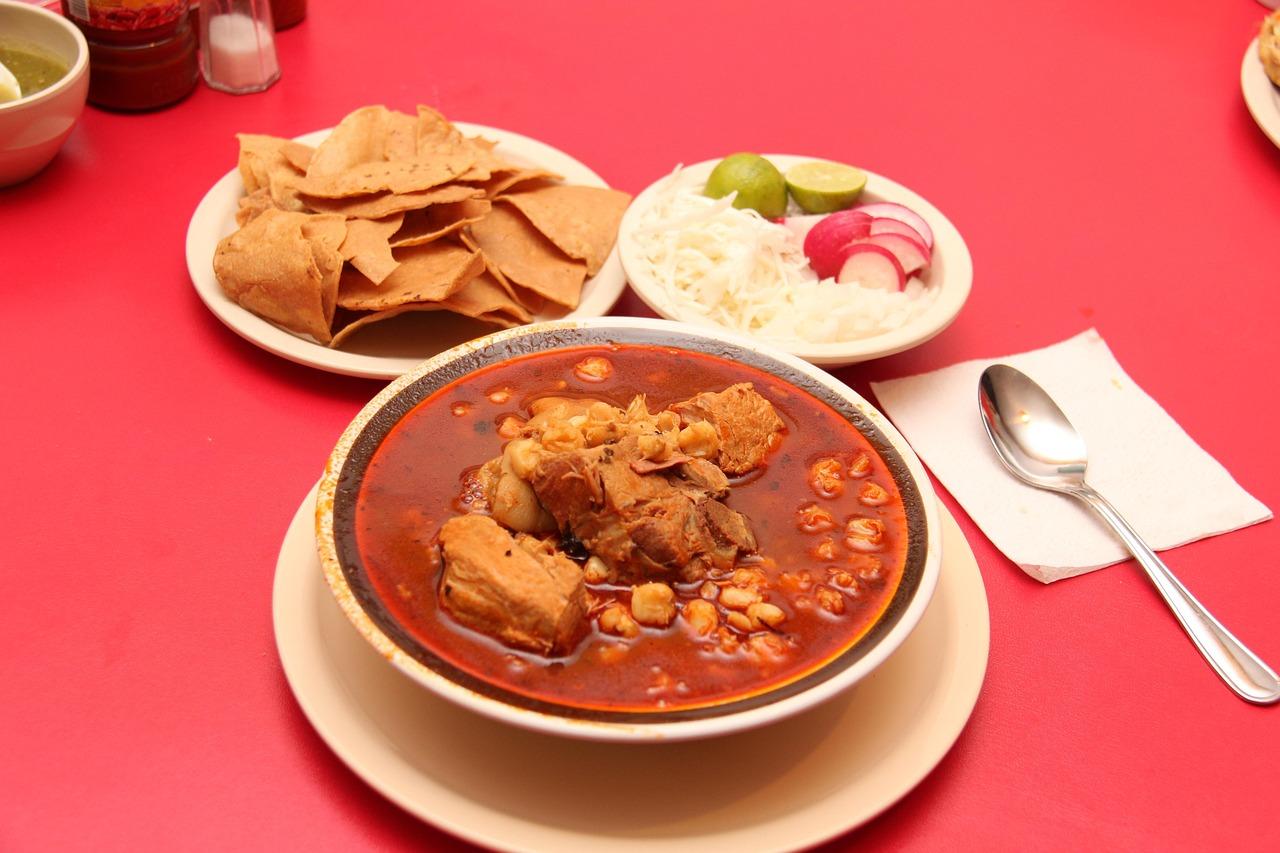
Pozole rojo de Guerrero y Jalisco — pork and hominy in a brick-red guajillo broth with radish, cabbage and oregano


In Jalisco and Guerrero, a pot of red pozole means a crowd: it is made for Independence night on 15 September, for Christmas and New Year, and in Guerrero towns every Thursday is 'jueves pozolero'. Big, chewy kernels of hominy and tender pork simmer in a broth coloured with dried guajillo and ancho chillies, and the bowl is finished at the table with crunchy cabbage, radish, onion, lime and a rub of dried oregano between your palms. It tastes even better the next day, so make the whole pot. Chef's tip: strain the chilli purée through a sieve into the pot, so the broth is silky and free of chilli skins.
- Total time
- 180 min
- Difficulty
- medium
- Serves
- 6
Ingredients
For the pork
For the chilli purée
To serve
Method
0/9 doneStep 1: Put 2 ¼ lb boneless pork shoulder, 1 ⅛ lb pork spare ribs or neck bones and 14 ½ cups water in a large pot (at least 7 litres). Bring to the boil over a high heat and skim off the grey foam for the first 5 minutes.
10 minStep 2: Add 1 white onion, 1 head garlic, 2 bay leaves and 1 tbsp salt, turn the heat down and simmer, partly covered, for 1½ hours, until the pork is nearly tender.
90 minStep 3: Meanwhile, toast 8 dried guajillo chillies and 2 dried ancho chillies in a dry frying pan over a medium heat for 15–20 seconds a side, pressing them flat, until they smell fruity and turn slightly brighter. Common mistake: letting them blacken. Burnt chillies make the whole pot bitter, so take them off as soon as they blister.
3 minStep 4: Cover the chillies with boiling water and soak for 20 minutes, until soft.
20 minStep 5: Drain the chillies and blend with 3 cloves garlic, ¼ tsp ground cumin, 1 tsp dried Mexican oregano and 300 ml of the pork broth from the pot until completely smooth.
3 minStep 6: Lift out and discard the onion, garlic and bay. Press the chilli purée through a sieve into the pot, then add 2 ¼ lb cooked white hominy (maíz pozolero).
5 minStep 7: Simmer gently for 45 minutes more, until the pork falls apart when pressed with a spoon and the hominy kernels have opened slightly like flowers. Pull out any loose bones. Add more water if it is too thick; pozole should be brothy.
45 minStep 8: Taste and add salt: the broth needs more than you think once the hominy is in. Skim off excess fat if you like.
2 minStep 9: Ladle into deep bowls and let everyone add 0.3 head white cabbage or iceberg lettuce, 8 radishes, 1 white onion, a squeeze from 3 limes, a pinch of 2 tbsp dried Mexican oregano rubbed between the palms and ground dried chilli (piquín) or chilli flakes, with 12 crisp-fried corn tortillas (tostadas) on the side. Cool leftovers quickly and refrigerate for up to 3 days.
5 min
Nutrition per serving
- Calories
- 520 kcal
- Protein
- 40 g
- Carbs
- 38 g
- Fat
- 22 g
- Fibre
- 7 g
Nutrition values are estimates.
KrazyBadal
Good to know
- How long does pozole rojo take?
- About 180 minutes in total: 30 minutes to prepare and 150 minutes to cook.
- How many people does it serve?
- 6 as written. Change the servings above the ingredients and every amount scales to match.
- Is it gluten free?
- Yes, as written. Check the labels on stock, sauces and spice mixes, which sometimes contain gluten.
- Is it very spicy?
- It has some heat. Use less chilli for a milder version, or more if you like it hot.
- Can I make it ahead?
- Yes. It keeps well, so you can cook it earlier in the day or the day before and reheat it.
- What can I use instead of white onion?
- 2 shallots per onion.
- What can I use instead of garlic?
- ½ tsp garlic paste or ⅛ tsp garlic powder per clove.
Reviews
No reviews yet. Be the first to cook it.
Rate this recipe
Sign in to rate and review this recipe.
You might also like

Soto Banjar
Along the rivers of Banjarmasin in South Kalimantan, breakfast often means soto Banjar eaten at a wooden riverside warung, sometimes after a dawn trip to the floating market. Unlike the turmeric sotos of Java, this broth is pale and clear, perfumed with the sweet spices that traders brought up the river centuries ago: cinnamon, cloves, star anise, cardamom and nutmeg. Shredded chicken, glass noodles, carrot and a boiled egg go into the bowl with rice cakes, and lime and a little chilli sharpen it at the table. Chef's tip: toast the whole spices in the pan for a minute before the paste goes in; it brings out their sweetness without the dusty edge of ground spice.

Black bean tacos with lime slaw
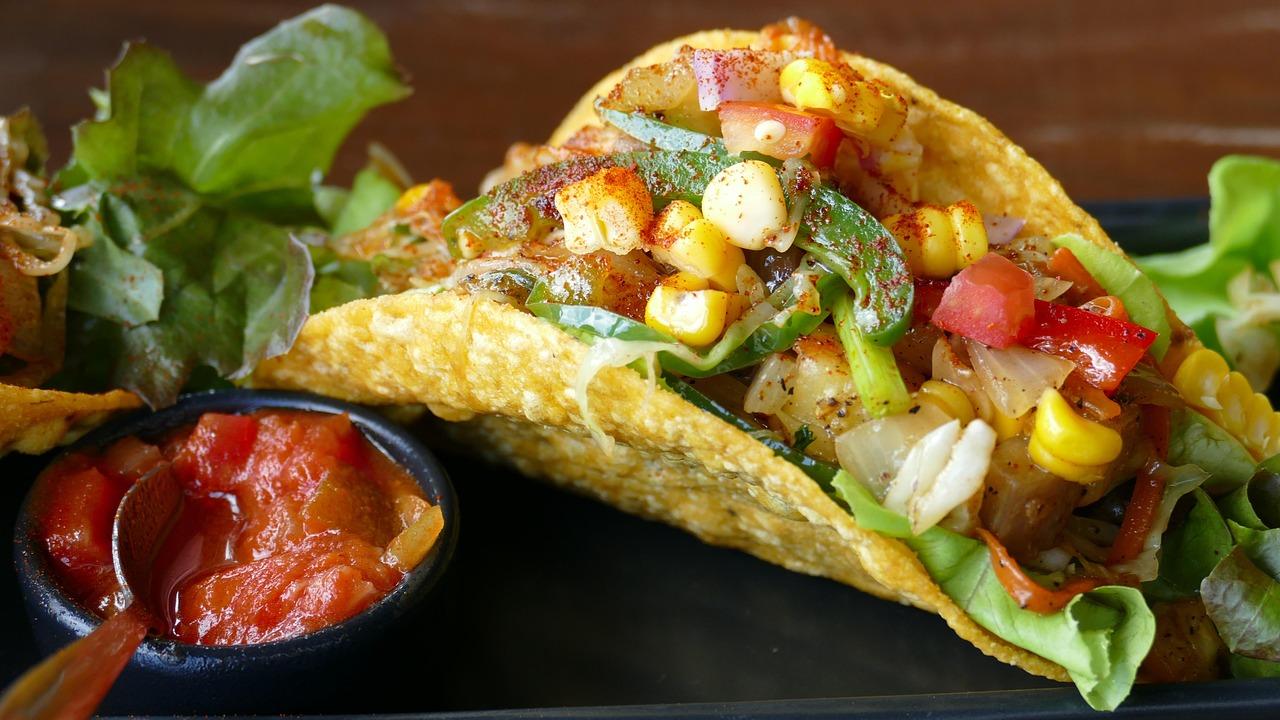
Proof that a meat-free taco night can be the best one. The beans are mashed with chipotle and cumin so they hold together in the tortilla, and a quick lime slaw adds crunch.


Miso soup
Miso soup (味噌汁) is drunk every day in homes all over Japan, at breakfast as well as dinner, beside a bowl of rice. The base is dashi; this vegan version uses kombu and dried shiitake instead of bonito, which gives it a deep, rounded flavour. Silken tofu and wakame seaweed are the classic fillings. It takes ten minutes; just remember not to boil the miso. Chef's tip: add the miso at the very end and never let it boil. Boiling kills the miso's fresh, fermented aroma; Japanese cooks say the soup should only 'smile', with the surface barely trembling.