
 Indian
 Gluten free
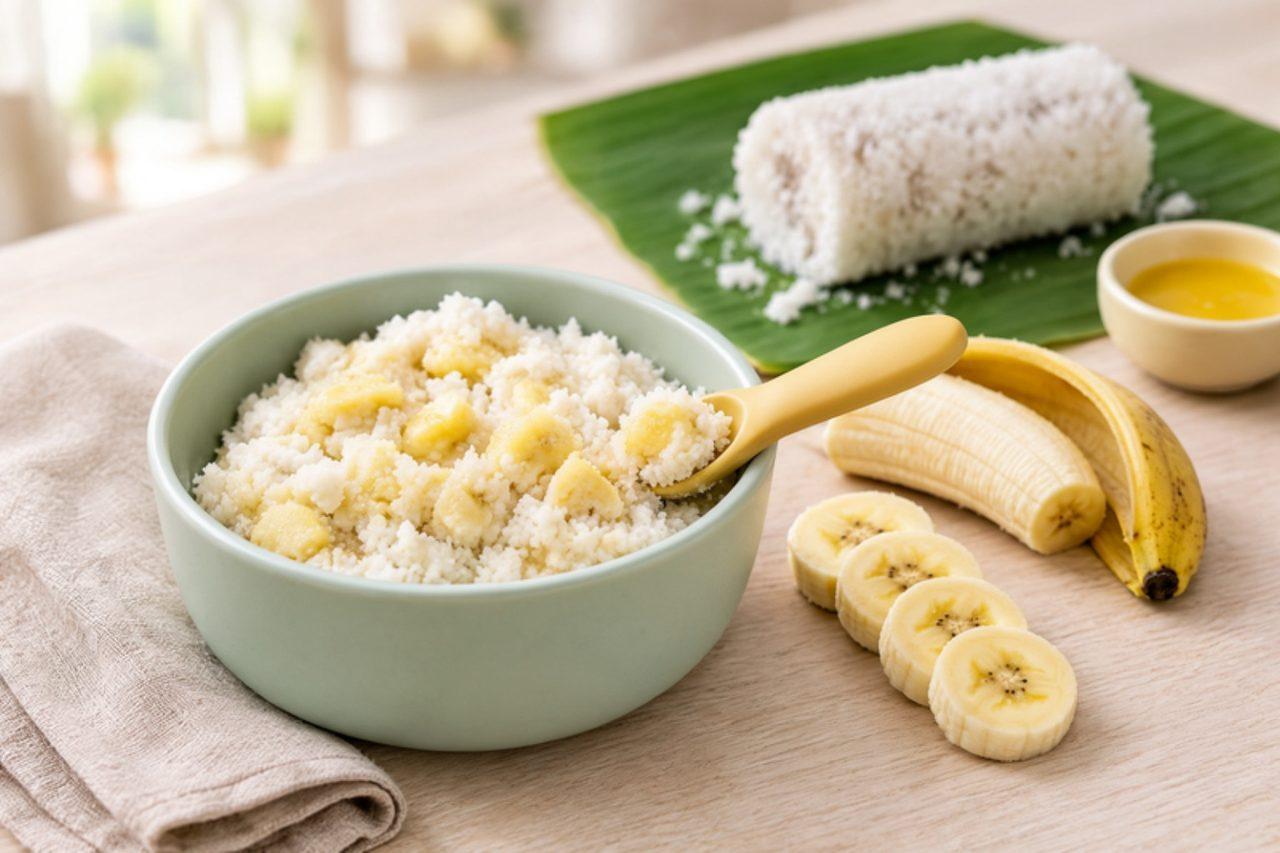
Puttu and banana for toddlers
Rice cake and banana for toddlers
12m+ · Steamed rice-flour and coconut puttu crumbled soft and mashed with ripe banana
In Kerala homes from Thrissur to Thiruvananthapuram, breakfast often arrives as a steaming log of puttu pushed out of its tall metal mould, and the little ones get theirs crumbled into a bowl and mashed with a sweet, ripe poovan banana. The rice flour and fresh coconut steam into soft, fluffy crumbs that soak up the banana, and a splash of warm milk makes it spoonable for toddlers from 12 months. There is no added salt or sugar: the banana does the sweetening. It contains coconut, and milk if you add it; there is no gluten, egg, nuts or soya. Chef's tip: dampen the flour until a squeezed handful just holds its shape, then crumbles when you poke it.
- Prep
- 10 min
- Cook
- 15 min
- Difficulty
- Easy
- Serves
- 3
- Per serving
- 170 kcal
Baby & toddler safety
- Age: from 12 months+.
- Allergens: none of the common allergens found in the ingredients. Offer one new allergen at a time, in the morning, so you can watch for a reaction.
- Texture and choking: purée or mash smoothly for 6–9 months, then soft, finger-sized pieces that squash between your fingers. Cut round foods such as grapes and cherry tomatoes into quarters lengthways, never give whole nuts, and always stay with your child while they eat.
- Under 1: no honey, no added salt or stock cubes, and no added sugar.
Every child is different. If you are unsure, especially about allergies, check with your health visitor or paediatrician.
Ingredients
- ¼ cup warm wateradd a spoonful at a time
- 1 ⅜ oz fresh grated coconut
- ¼ cup whole milk, warm (optional)or the child's usual milk
Shop this recipe on Amazon
What you'll need
Spices & pantry
Fresh ingredients (2)
Links open Amazon in a new tab. As an Amazon Associate we earn from qualifying purchases.
Method
0/8 doneStep 1: Put 3 ½ oz roasted rice flour (puttu podi) in a bowl and sprinkle over ¼ cup warm water a spoonful at a time, rubbing it in with your fingertips. Stop when a squeezed handful holds together but breaks apart easily when you prod it.
5 minStep 2: Common mistake: adding the water all at once. The flour goes pasty and steams into hard lumps instead of soft crumbs. If it feels wet, rub in another spoonful of flour; then push the mixture through a coarse sieve or crumble it between your palms so there are no pebbles.
3 minStep 3: Fill a puttu mould (or a steel tumbler, or an idli plate lined with a damp cloth) with layers: a tablespoon of ⅔ oz fresh grated coconut, then the flour, then the rest of the coconut on top. Pack it loosely, not pressed down.
Step 4: Steam over boiling water on a medium heat for 8–10 minutes, until steam rises freely from the top and the flour has turned slightly translucent and smells cooked, like warm rice.
10 minStep 5: Push the puttu out onto a plate and break it up with a fork while it's hot. Let it cool for 2–3 minutes.
Step 6: In a bowl, mash 2 ripe small bananas (poovan or other ripe banana) with a fork until soft and only small lumps remain. Add the warm puttu crumbs and mash together, loosening with a little ¼ cup whole milk, warm if you like, until it is soft, moist and easy to swallow, with no dry crumbs.
Step 7: Check it is just warm, not hot, and serve with a soft spoon. Older toddlers can pick up little pressed balls of puttu and banana with their fingers.
Step 8: Cool any leftovers quickly, cover and keep in the fridge for up to 2 days, or freeze in small portions for up to 1 month. Freeze plain puttu, not the banana mash Reheat only once, until piping hot all the way through, then let it cool to warm before serving.
Nutrition per serving
- Calories
- 170 kcal
- Protein
- 3 g
- Carbs
- 34 g
- Fat
- 4 g
- Fibre
- 3 g
Nutrition values are estimates.
KrazyBadal
Good to know
- How long does puttu and banana for toddlers take?
- About 25 minutes in total: 10 minutes to prepare and 15 minutes to cook.
- How many people does it serve?
- 3 as written. Change the servings above the ingredients and every amount scales to match.
- Is it vegetarian?
- Yes. It has no meat or fish.
- Is it gluten free?
- Yes, as written. Check the labels on stock, sauces and spice mixes, which sometimes contain gluten.
- What can I use instead of ripe small bananas (poovan or other ripe banana)?
- Mango, same weight (in smoothies and shakes).
Reviews
No reviews yet. Be the first to cook it.
Rate this recipe
Sign in to rate and review this recipe.
You might also like
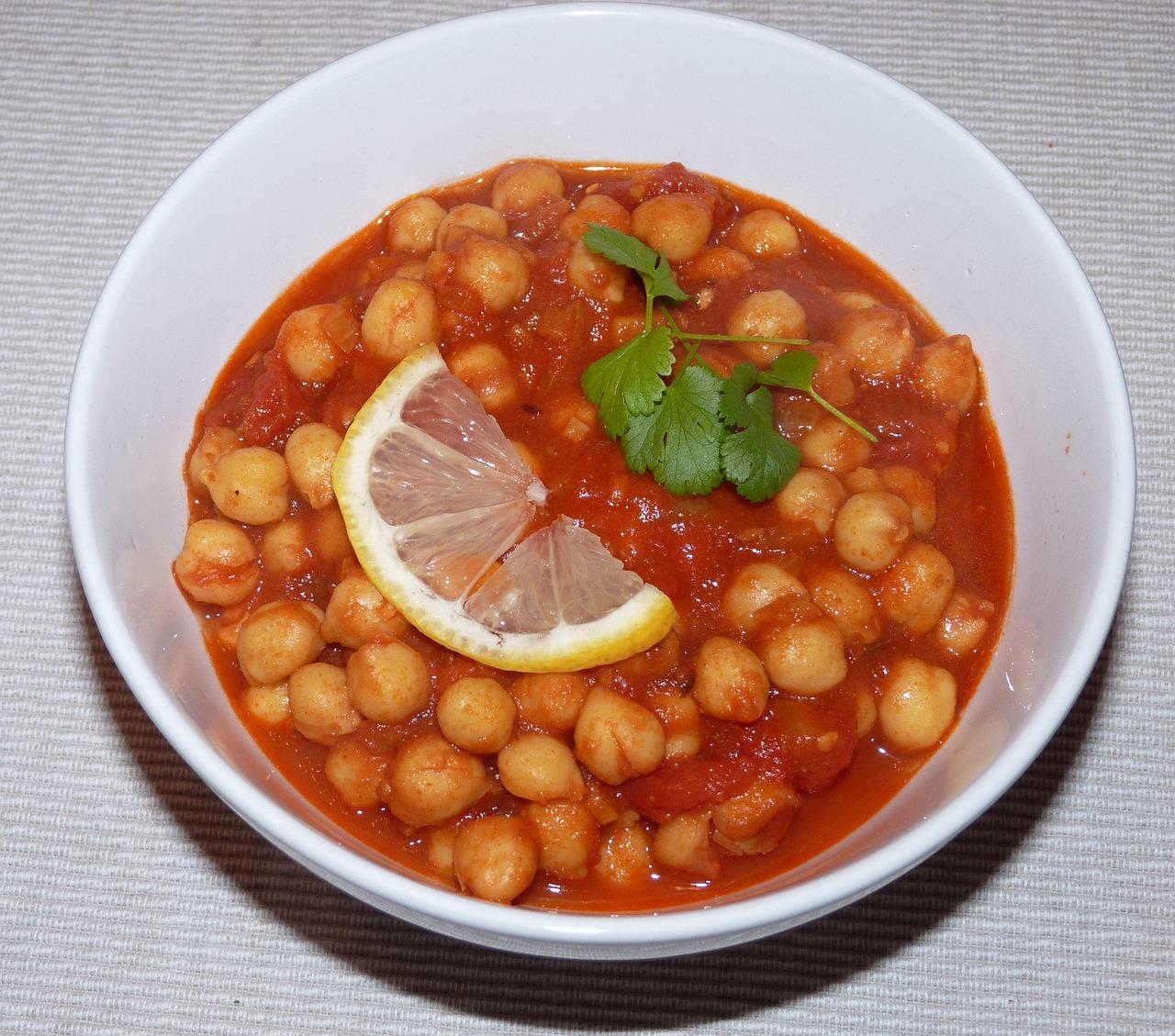
Chana masala
A North Indian staple that comes together from the store cupboard. Toasted cumin, slow-softened onion and a good spoonful of garam masala give tinned chickpeas real depth. Serve with rice, naan or a stack of warm rotis.

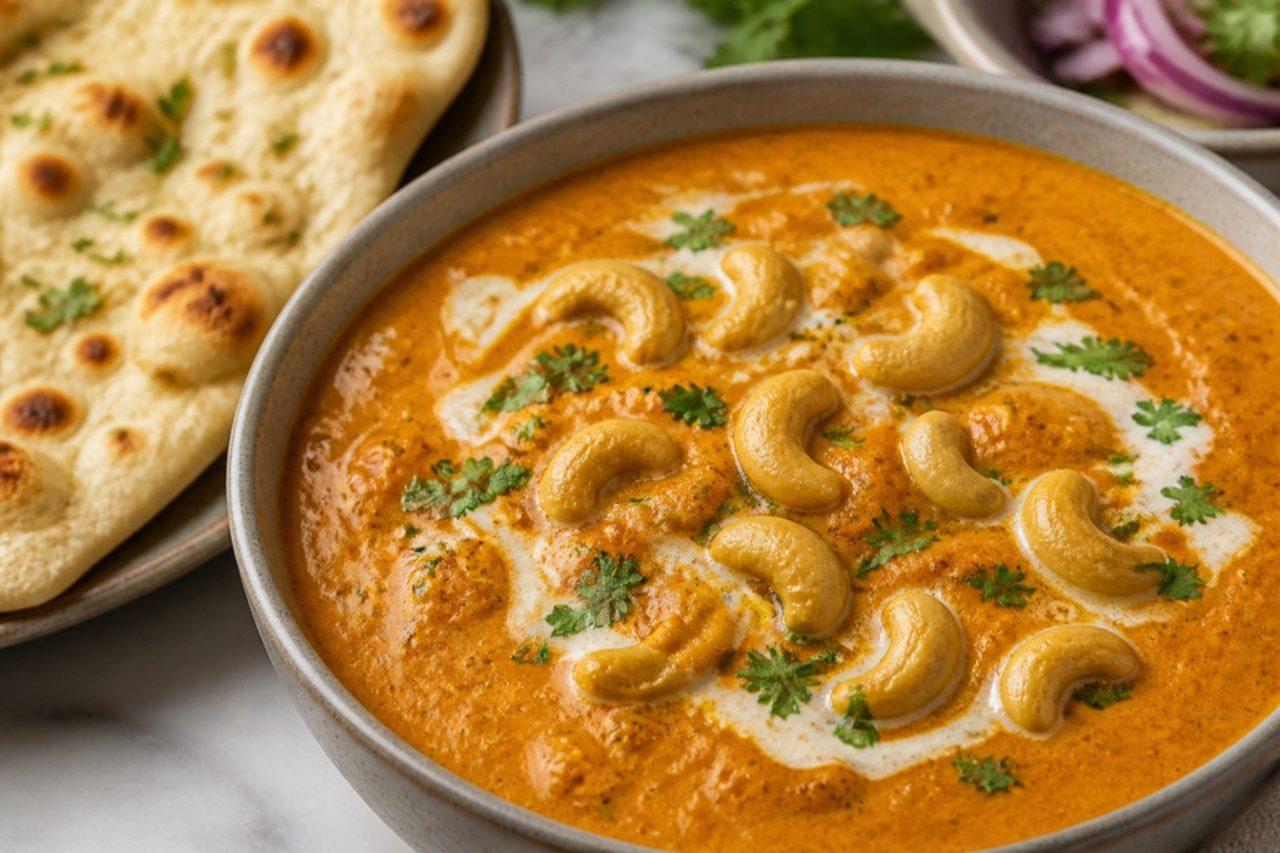
Kaju curryCashew curry
Walk along any wedding buffet in Pune, Mumbai or Ahmedabad and there is usually a chafing dish of kaju curry near the paneer, with guests going back for seconds. Whole cashews are fried in ghee until golden, which makes them crunchy outside and buttery inside, then folded into a rich onion and tomato gravy thickened with more cashews, finished with cream and kasuri methi. The gravy is orange, smooth and rounded with a touch of sweetness; it should taste of roasted nuts and gentle spice, not fire. Gujarati restaurants often serve a spicier Kathiyawadi version, but the wedding style here is the mild one. Eat it with butter naan, tandoori roti or jeera rice. Common mistake: adding the fried cashews too early; they soak up the gravy and turn soft, so fold them in just before serving. Chef's tip: keep a few fried cashews back and scatter them on top at the table so every spoonful has some crunch.

Bagara bainganBaby aubergines in peanut sesame sauce
Bagara baingan is a Hyderabadi wedding dish of small aubergines cooked whole in a dark, tangy gravy of roasted peanuts, sesame, dried coconut and tamarind. Unlike a Gujarati stuffed brinjal, the aubergines here are only quartered at the base and fried until silky, then left to soak up a thin-but-rich sauce that is finished with a tempering, the 'baghar' that gives the dish its name. It's sour, nutty and gently spiced, and is served with biryani, bagara rice or plain rice. Chef's tip: choose small, glossy purple aubergines that feel heavy for their size; soft, light ones are full of seeds and turn mushy before the gravy has a chance to cling.