
AI-generated image
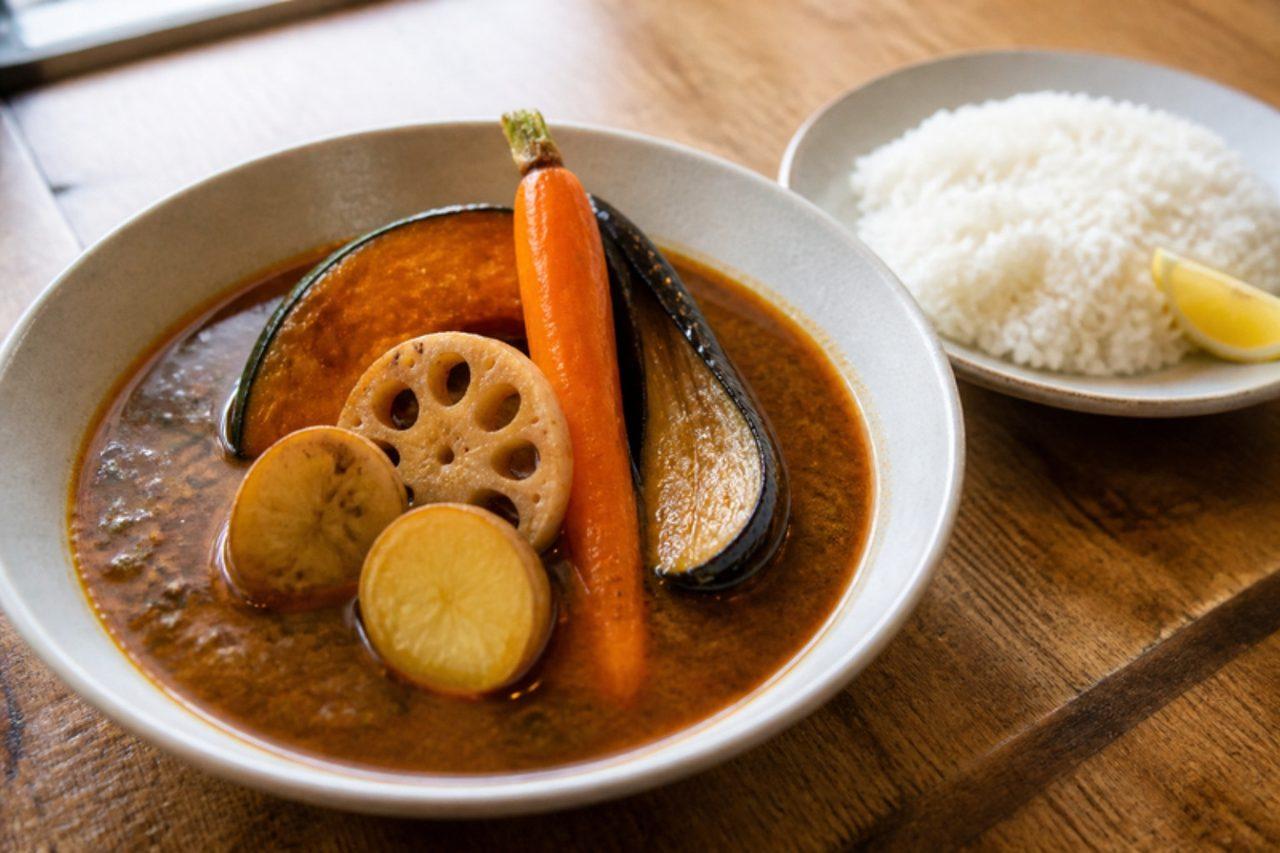
Sapporo soup curry
スープカレー (sūpu karē): a thin, fiercely spiced curry broth poured over whole roasted vegetables


Sapporo's soup curry was born in the city's cafés in the 1970s and became a craze in the 2000s, when hundreds of small shops opened across Hokkaido's capital, each letting you pick a heat level from 1 to 30. It is nothing like the thick roux curry most of Japan knows: the broth is as thin as soup, aromatic with cumin, cardamom and garlic, and the vegetables arrive large and separately roasted, so each keeps its own colour and bite. Locals eat it in the long Hokkaido winter with a plate of rice on the side, taking a spoonful of rice and dunking it into the broth. Chef's tip: roast or fry the vegetables apart from the broth and only meet them in the bowl. The contrast of crisp-edged vegetables and hot, loose broth is the whole point.
- Total time
- 65 min
- Difficulty
- medium
- Serves
- 4
Ingredients
For the broth
For the vegetables
To serve
Method
0/7 doneStep 1: Heat the oven to 425°F (400°F fan). Toss 10 ½ oz kabocha squash, 4 small potatoes, 1 carrot and 3 ½ oz lotus root with 2 ⅜ tbsp vegetable oil and ⅓ tsp salt on a large tray and roast for 30–35 minutes, turning once, until golden at the edges and tender when pierced.
35 minStep 2: Meanwhile, start the broth. Warm 2 tbsp vegetable oil in a large pan over medium-low heat and add 1 onion. Cook gently for 12–15 minutes, stirring often, until deep golden and jammy. This browned onion gives the broth its body, so don't hurry it.
15 minStep 3: Add 3 garlic cloves and ½ oz fresh ginger and stir for 1 minute until fragrant. Sprinkle in 2 tbsp mild curry powder, 1 tsp ground cumin, ½ tsp ground cardamom and 1 tsp chilli powder and stir for 30 seconds over low heat, until the spices smell toasty but not burnt.
2 minStep 4: Tip in 7 oz chopped tomatoes and cook for 3 minutes, mashing, until thick. Pour in 4 ¼ cups kombu-shiitake dashi or vegetable stock, add 2 tbsp soy sauce and 1 tsp sugar, and simmer uncovered over medium-low heat for 15 minutes. Taste and add ½ tsp salt: it should taste bold, as it will dress plain vegetables.
18 minStep 5: While the broth simmers, heat the rest of 4 tbsp vegetable oil in a frying pan over medium-high heat. Fry 1 aubergine, 1 green pepper and 8 okra in batches for 3–4 minutes, turning, until blistered and soft. Season with the rest of ½ tsp salt.
8 minStep 6: Common mistake: simmering the vegetables in the broth. They go soft and the broth turns cloudy and sweet. Keep them apart until serving.
Step 7: Ladle the hot broth into wide, deep bowls. Stand the roasted and fried vegetables upright in it so they poke above the surface. Serve 1 ⅓ lb cooked Japanese short-grain rice on a separate plate with 4 lemon wedges; eat by dipping spoonfuls of rice into the broth.
Nutrition per serving
- Calories
- 420 kcal
- Protein
- 9 g
- Carbs
- 70 g
- Fat
- 13 g
- Fibre
- 10 g
Nutrition values are estimates.
KrazyBadal
Good to know
- How long does sapporo soup curry take?
- About 65 minutes in total: 25 minutes to prepare and 40 minutes to cook.
- How many people does it serve?
- 4 as written. Change the servings above the ingredients and every amount scales to match.
- Is it vegan?
- Yes. It has no meat, fish, dairy or eggs.
- Is it very spicy?
- It has some heat. Use less chilli for a milder version, or more if you like it hot.
- What can I use instead of onion?
- 2 shallots per onion.
- What can I use instead of garlic cloves?
- ½ tsp garlic paste or ⅛ tsp garlic powder per clove.
Reviews
No reviews yet. Be the first to cook it.
Rate this recipe
Sign in to rate and review this recipe.
You might also like

Sayur lodeh
Sayur lodeh is everyday cooking in Central Java, made in big pots in Solo and Semarang kitchens and ladled over rice, with lontong rice cakes at Lebaran, or alongside opor and sambal goreng on festive tables. It's soupy rather than thick: a fragrant broth of coconut milk, galangal, lemongrass and lime leaf that carries chunks of aubergine, long beans, chayote and sweetcorn, plus tempeh and tofu to make it a meal. The flavour is mellow and slightly sweet, so the heat comes from sambal on the side. Chef's tip: keep the pot at a gentle simmer once the coconut milk goes in and stir now and then — a rolling boil splits the coconut milk into oily curds.


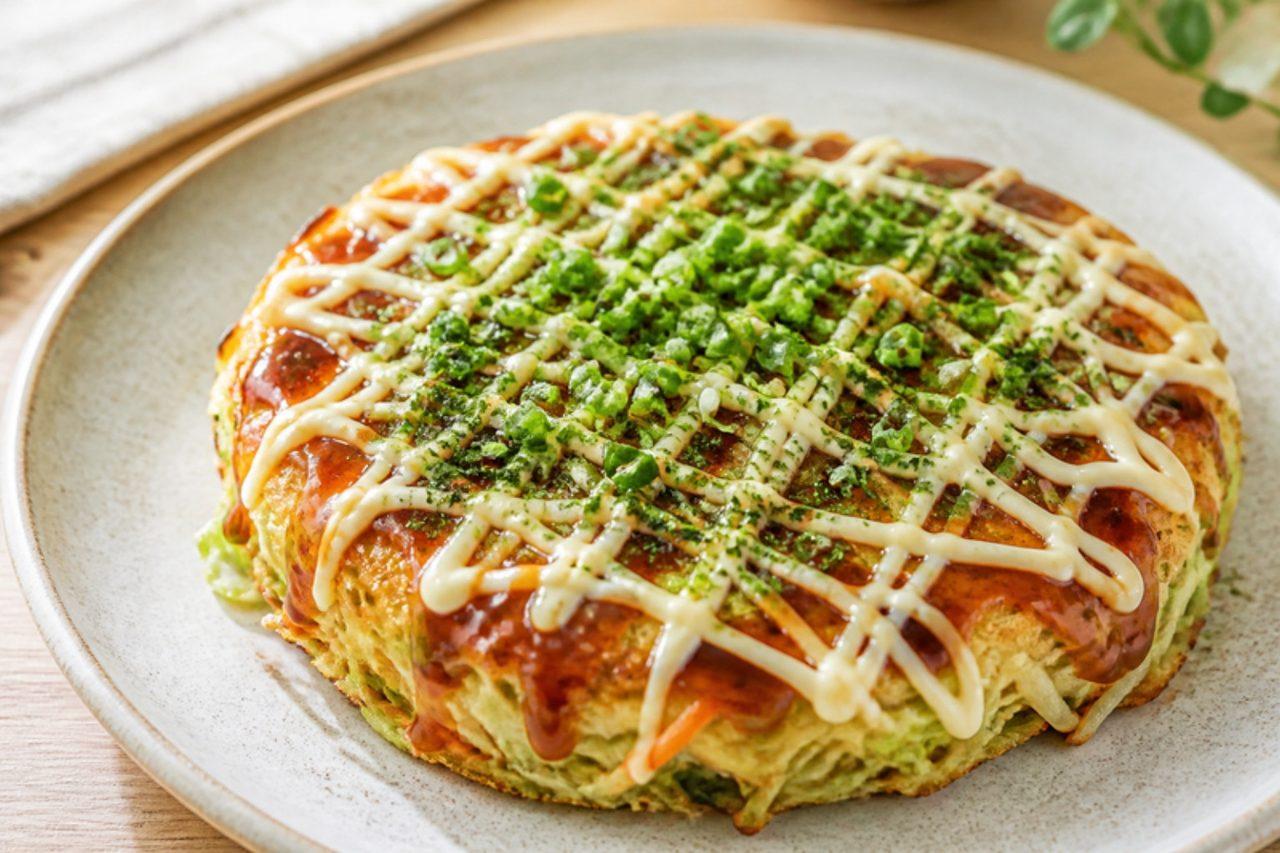
Okonomiyaki
Okonomiyaki (お好み焼き, 'grilled as you like it') is the pride of Osaka, where it's cooked on hot iron griddles in lively restaurants. Finely shredded cabbage is folded into a light batter with egg and spring onion, then fried into a thick, soft pancake with a crisp outside. It's painted with a fruity brown sauce and zigzagged with mayonnaise. Bonito flakes are usual on top; this vegetarian version uses seaweed flakes and pickled ginger instead. Chef's tip: don't press the pancake down with your spatula while it cooks. Osaka cooks leave it alone so the cabbage steams inside and stays light and fluffy; pressing squeezes out the air.

Miso soup
Miso soup (味噌汁) is drunk every day in homes all over Japan, at breakfast as well as dinner, beside a bowl of rice. The base is dashi; this vegan version uses kombu and dried shiitake instead of bonito, which gives it a deep, rounded flavour. Silken tofu and wakame seaweed are the classic fillings. It takes ten minutes; just remember not to boil the miso. Chef's tip: add the miso at the very end and never let it boil. Boiling kills the miso's fresh, fermented aroma; Japanese cooks say the soup should only 'smile', with the surface barely trembling.