
AI-generated image
Sata andagi
サーターアンダギー (sātā andāgī): Okinawa's cracked, crunchy brown-sugar doughnut balls
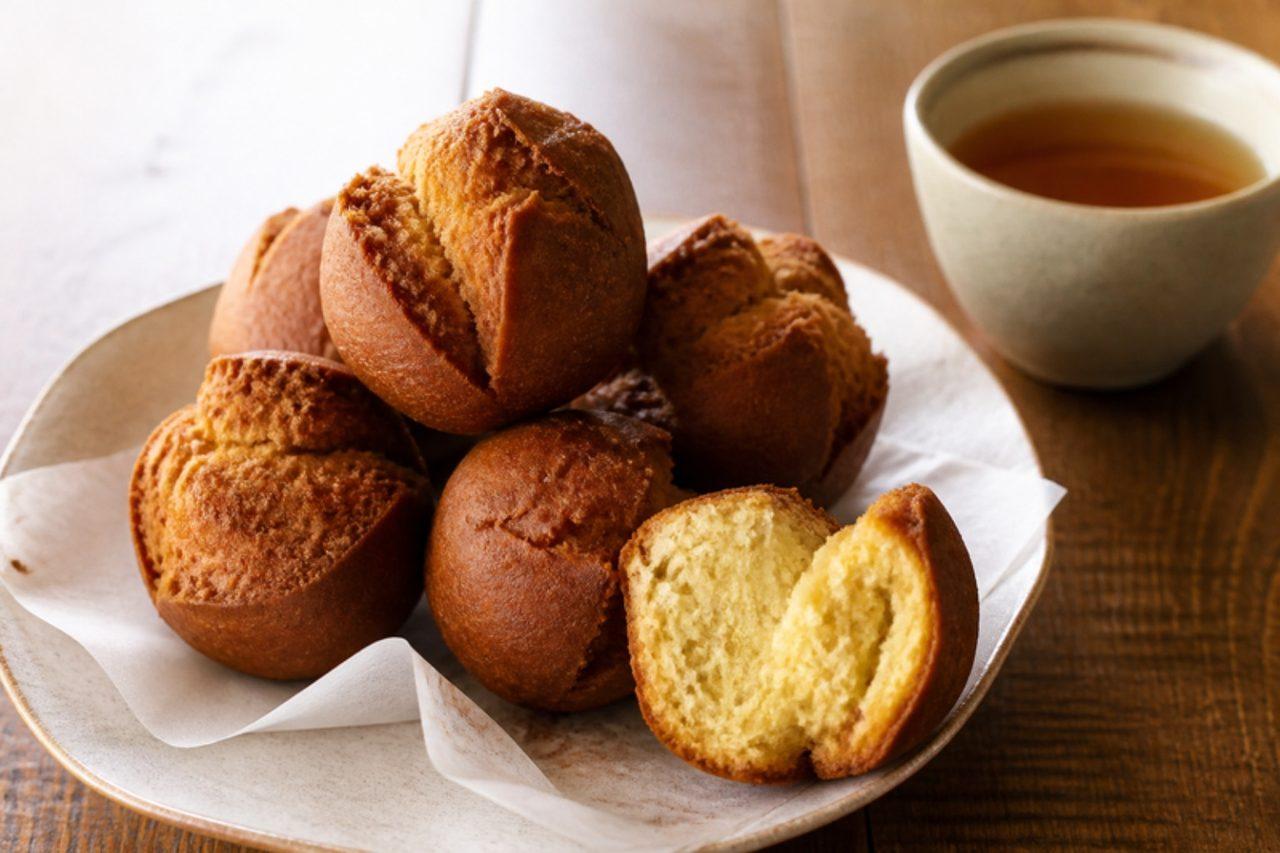
In the Okinawan language, sata andagi simply means 'sugar deep-fried'. These round doughnuts came from Chinese sweets brought to the old Ryukyu kingdom and have been a family treat on the islands for centuries, made for celebrations and sold warm in paper bags at Naha's Makishi market. They are dense and cakey inside with a thick, crunchy crust, and as they fry they split open into a shape Okinawans call a smile, a sign of good luck. Okinawa's dark kokuto sugar gives them a caramel flavour; brown sugar works too. Chef's tip: fry in oil that is only warm, about 150°C. Slow frying lets the balls cook through and crack open, while hot oil seals them shut and leaves the middle raw.
- Total time
- 40 min
- Difficulty
- easy
- Serves
- 6
Ingredients
Method
0/7 doneStep 1: Whisk 2 eggs and 3 ½ oz kokuto (Okinawan brown sugar) or light brown sugar together for 2 minutes until the sugar dissolves and the mix looks glossy. Stir in 1 tbsp vegetable oil.
Step 2: Sift in 8 oz plain flour, 1 ½ tsp baking powder and 1 pinch salt and fold with a spatula until no dry flour shows. The dough is soft and sticky. Rest for 10 minutes.
10 minStep 3: Heat vegetable oil, 6 cm deep, in a deep pan to 300°F. A pinch of dough should sink, then rise slowly with a gentle stream of small bubbles.
5 minStep 4: Oil your hands and roll the dough into 12 balls about the size of a walnut, about 35 g each.
Step 5: Lower 4–5 balls into the oil. They'll sink, then rise after about 1 minute. Fry for 10–12 minutes in total, rolling them occasionally, until they crack open and turn deep golden brown all over.
12 minStep 6: Common mistake: crowding the pan or turning up the heat. The oil temperature swings, the outside goes dark and the inside stays gummy. Fry in batches and keep it gentle.
Step 7: Drain on a rack and let cool for 10 minutes. Break one open: the crumb should be cakey and dry right to the centre. They keep a day or two in a paper bag.
Nutrition per serving
- Calories
- 330 kcal
- Protein
- 6 g
- Carbs
- 46 g
- Fat
- 14 g
- Fibre
- 1 g
Nutrition values are estimates.
KrazyBadal
Good to know
- How long does sata andagi take?
- About 40 minutes in total: 15 minutes to prepare and 25 minutes to cook.
- How many people does it serve?
- 6 as written. Change the servings above the ingredients and every amount scales to match.
- Is it vegetarian?
- Yes. It has no meat or fish.
- What can I use instead of eggs?
- 1 tbsp ground flaxseed + 3 tbsp water per egg, left for 5 minutes (baking only; vegan).
- What can I use instead of plain flour?
- Self-raising flour, same amount (then leave out the baking powder).
Reviews
No reviews yet. Be the first to cook it.
Rate this recipe
Sign in to rate and review this recipe.
You might also like
Okonomiyaki
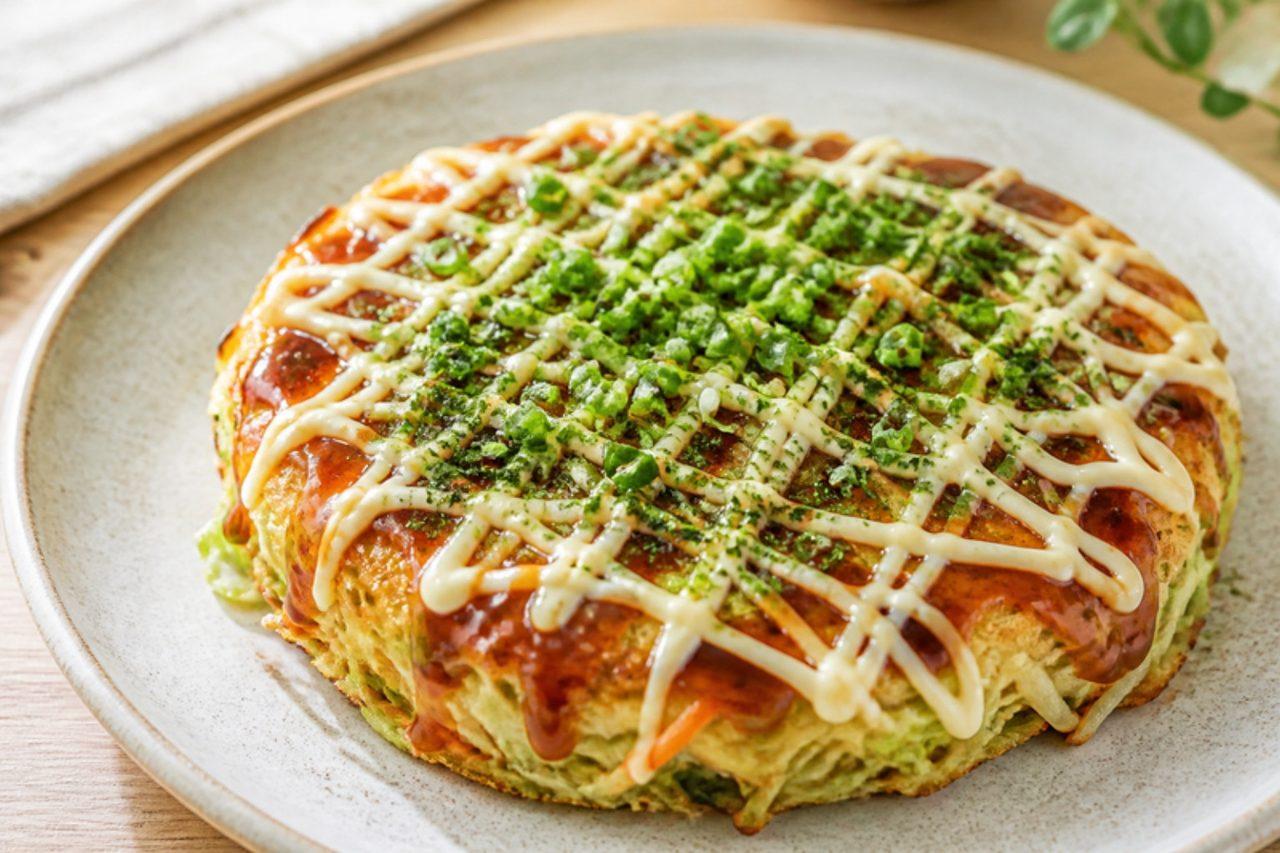
Okonomiyaki (お好み焼き, 'grilled as you like it') is the pride of Osaka, where it's cooked on hot iron griddles in lively restaurants. Finely shredded cabbage is folded into a light batter with egg and spring onion, then fried into a thick, soft pancake with a crisp outside. It's painted with a fruity brown sauce and zigzagged with mayonnaise. Bonito flakes are usual on top; this vegetarian version uses seaweed flakes and pickled ginger instead. Chef's tip: don't press the pancake down with your spatula while it cooks. Osaka cooks leave it alone so the cabbage steams inside and stays light and fluffy; pressing squeezes out the air.
Baklava
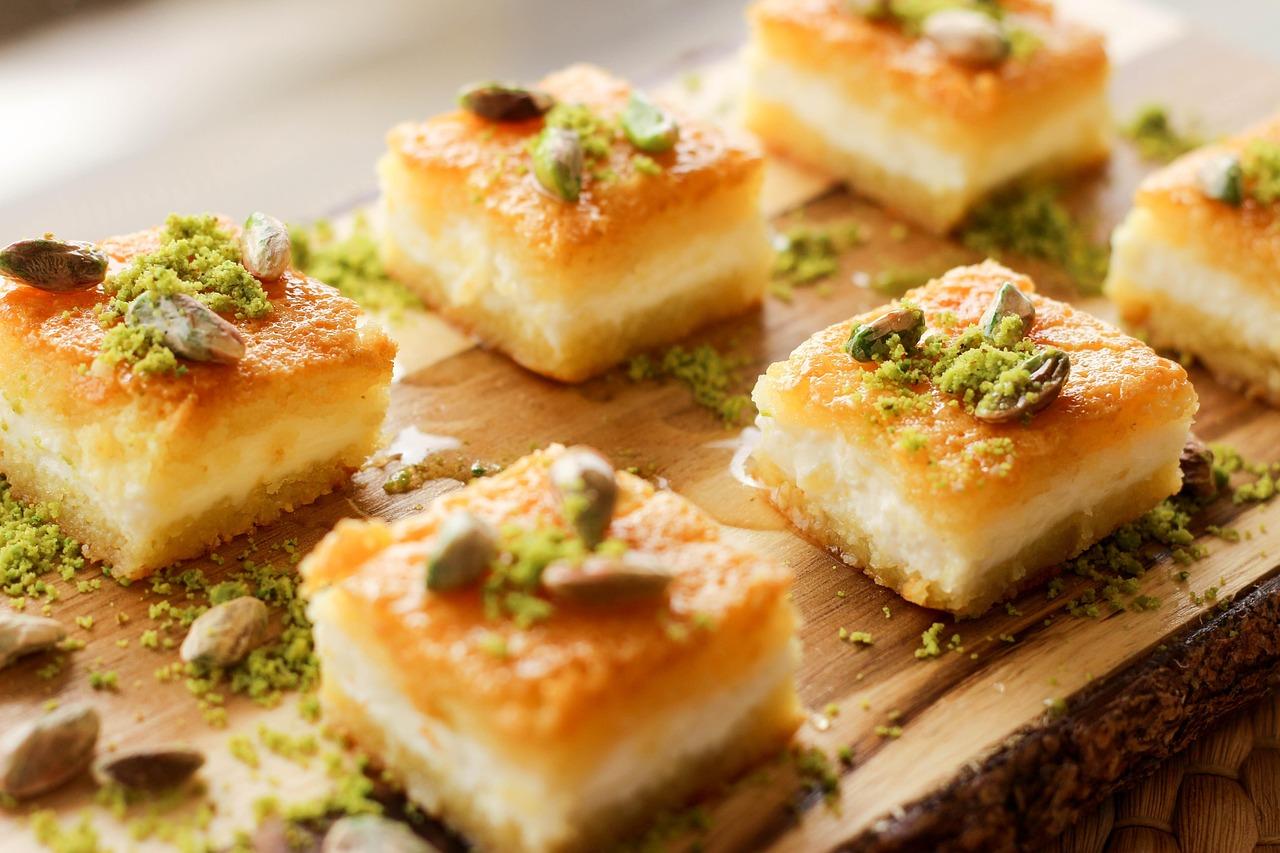
The famous layered pastry: crisp sheets of buttered fillo sandwich a filling of almonds, pistachios and cashews spiced with cinnamon, cardamom and saffron. After baking, the hot baklava is soaked in a syrup of sugar, honey, lemon, rose and cardamom and decorated with almond and pistachio flakes. Cut into 40 diamonds; serve with fresh cream or ice cream.

Miso soup
Miso soup (味噌汁) is drunk every day in homes all over Japan, at breakfast as well as dinner, beside a bowl of rice. The base is dashi; this vegan version uses kombu and dried shiitake instead of bonito, which gives it a deep, rounded flavour. Silken tofu and wakame seaweed are the classic fillings. It takes ten minutes; just remember not to boil the miso. Chef's tip: add the miso at the very end and never let it boil. Boiling kills the miso's fresh, fermented aroma; Japanese cooks say the soup should only 'smile', with the surface barely trembling.
