
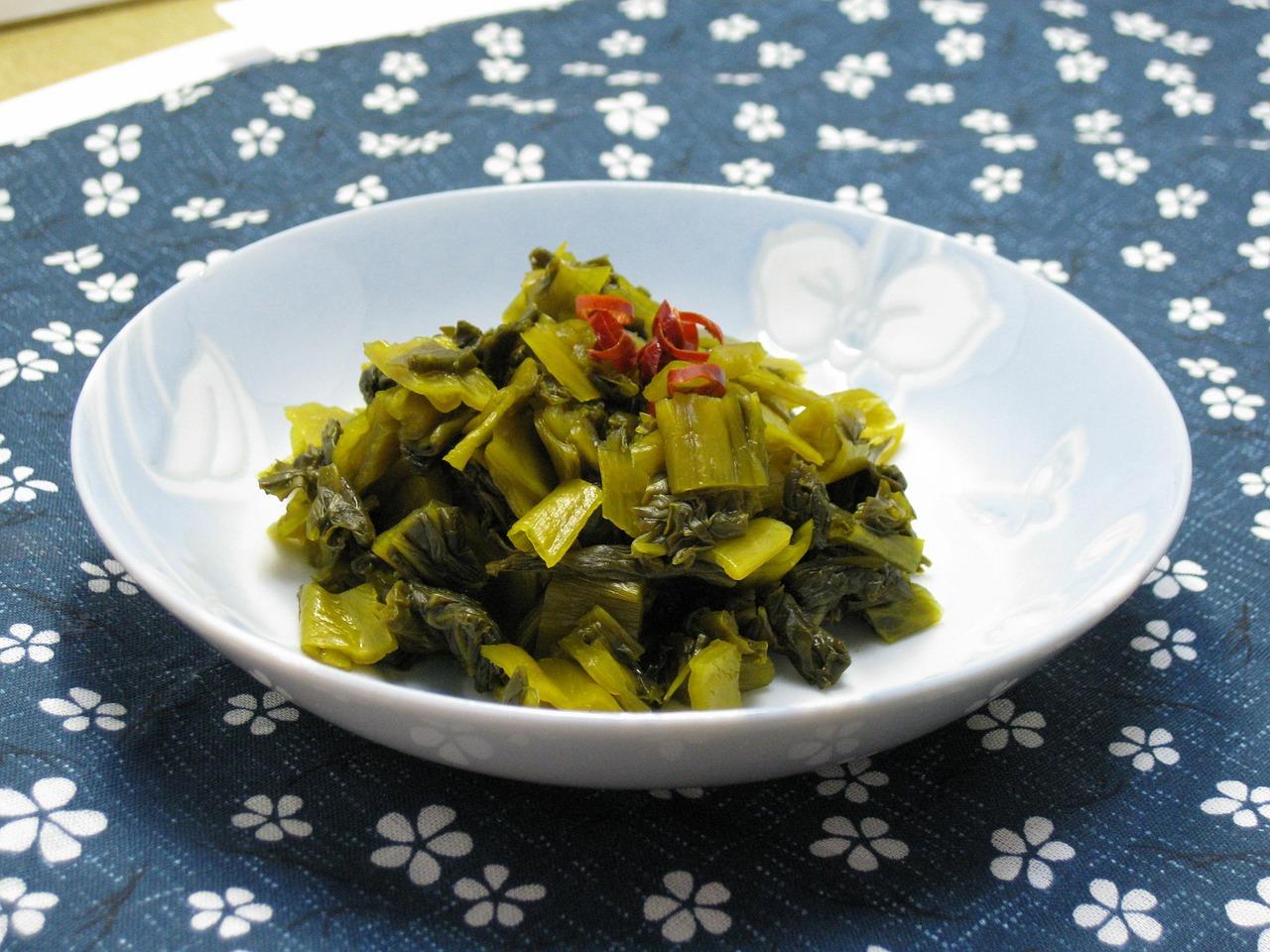
Shan pickled mustard greens
Mon nyin chin (မုန်ညင်းချဉ်): mustard greens soured in salted rice water, Shan hill style



Jars of sour, olive-gold mustard greens sit on every noodle stall in Shan State, from Kengtung to the five-day markets around Inle Lake, and families keep a crock going through the cool season. The greens are wilted, rubbed with salt and packed under cloudy water saved from rinsing rice; its starch feeds the natural fermentation, and after a few days the leaves turn crunchy, tangy and pleasantly funky. A spoonful goes on top of Shan noodles, beside sticky rice, into soups, or stir-fried with garlic and chilli as a side dish. Leaves poking above the brine are the main thing that goes wrong, since that is where mould starts; keep everything pressed under the liquid. Chef's tip: use the cloudiest rice water from the first rinse, and add a spoon of cooked rice to get the souring going faster.
- Total time
- 30 min
- Difficulty
- easy
- Serves
- 10
Ingredients
For the greens
- 2 ¼ lb Chinese mustard greens (gai choy)outer leaves trimmed
- 1 oz fine sea saltdivided
For the brine
- 7 oz uncooked white ricefor rinsing; cook it afterwards
- 4 ¼ cups cool water
- 1 tbsp cooked rice
- 4 garlic cloveslightly crushed
- 3 dried red chillies (optional)
Shop this recipe on Amazon
Spices & pantry
Links open Amazon in a new tab. As an Amazon Associate, WhatToEat.Today earns from qualifying purchases.
Method
0/9 doneStep 1: Wash 2 ¼ lb Chinese mustard greens (gai choy) and leave them spread out on racks in a sunny, airy spot for 4–6 hours, or overnight indoors, until the leaves are limp and the stems bend without snapping.
Step 2: Cut the greens into 5 cm pieces, stems split lengthways if thick. Rub them firmly with two-thirds of the ¾ oz fine sea salt for 3–4 minutes, until they soften, darken and release some juice.
4 minStep 3: Put 7 oz uncooked white rice in a bowl, pour in 4 ¼ cups cool water and swish with your hand for 1 minute, until the water turns milky. Strain the water into a jug and keep the rice for another meal.
1 minStep 4: Stir the rest of the ⅓ oz fine sea salt and 1 tbsp cooked rice into the rice water until the salt dissolves.
Step 5: Pack the greens tightly into a scrupulously clean 2-litre jar, layering in 4 garlic cloves and 3 dried red chillies as you go and pressing down hard.
Step 6: Pour over the rice water and any juice from the bowl until the greens are covered by at least 2 cm. Weigh them down with a small clean plate or a water-filled zip bag.
Step 7: Cover loosely with a lid or cloth and leave at cool room temperature for 3–5 days, pressing the greens down once a day. It is ready when the leaves turn yellow-green and taste pleasantly sour.
Step 8: A thin white film on the surface is harmless and can be skimmed off, but throw the batch away if you see fuzzy coloured mould, the greens turn slimy or it smells rotten rather than sour.
Step 9: Once sour enough, close the lid and keep in the fridge, greens under the brine, for up to 3 weeks. Squeeze out and chop before serving.
Nutrition per serving
- Calories
- 25 kcal
- Protein
- 2 g
- Carbs
- 4 g
- Fat
- 0 g
- Fibre
- 2 g
Nutrition values are estimates.
KrazyBadal
Good to know
- How long does shan pickled mustard greens take?
- About 30 minutes in total.
- How many people does it serve?
- 10 as written. Change the servings above the ingredients and every amount scales to match.
- Is it vegan?
- Yes. It has no meat, fish, dairy or eggs.
- Is it gluten free?
- Yes, as written. Check the labels on stock, sauces and spice mixes, which sometimes contain gluten.
- Can I make it ahead?
- Yes. It keeps well, so you can cook it earlier in the day or the day before and reheat it.
- What can I use instead of uncooked white rice?
- Any long-grain rice, same amount.
- What can I use instead of cooked rice?
- Any long-grain rice, same amount.
Reviews
No reviews yet. Be the first to cook it.
Rate this recipe
Sign in to rate and review this recipe.
You might also like
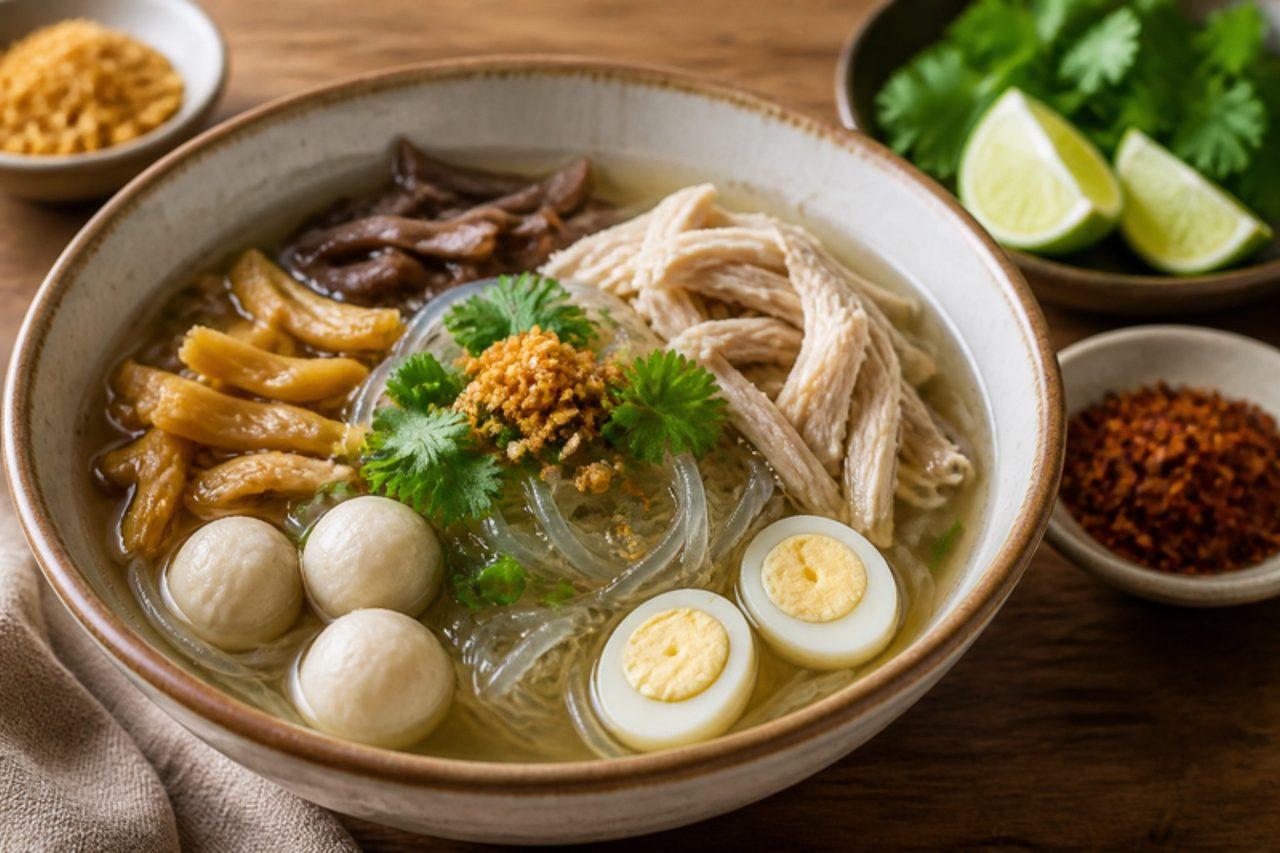
Kyar zan hingaGlass noodle soup with chicken
Lighter than mohinga and a favourite with children, kyar zan hinga turns up at Yangon donation feasts, at evening noodle stalls and on the family table when someone needs something soothing. Slippery glass noodles swim in a clear, peppery chicken broth with shredded chicken, crunchy wood-ear mushroom, chewy knots of dried lily buds, bouncy fish balls and whole quail eggs. Each bowl is finished at the table with lime, chilli flakes, fried garlic and coriander, and crisp split-pea fritters are often torn in on top. Simmering the glass noodles in the pot is the classic error: they swell, go soft and drink up the broth, so add them straight to the bowls instead. Chef's tip: knot each softened lily bud before it goes into the soup; it keeps them from shredding and gives every spoonful a little chewy bite.
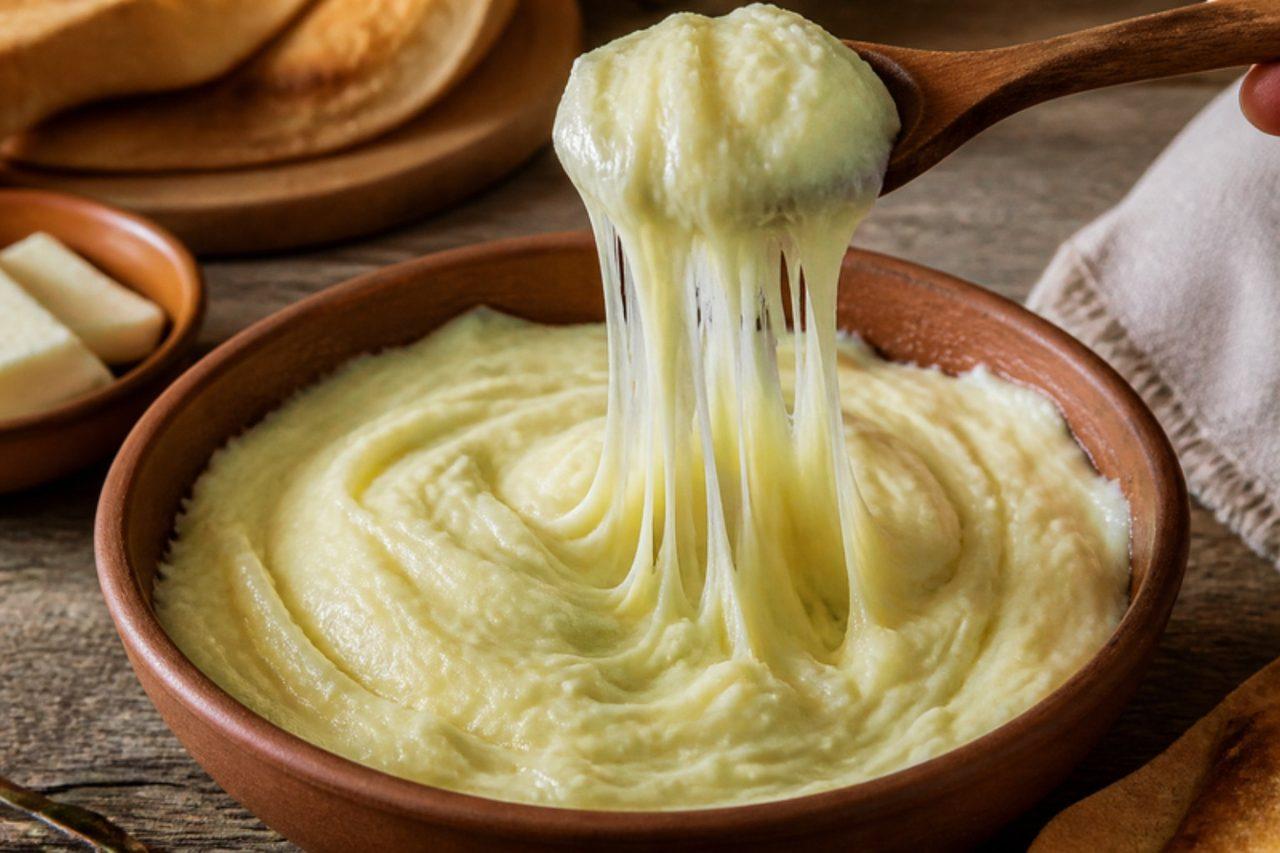
TashmijabiMashed potatoes with stretchy cheese
Potatoes grow well in the cold valleys of Svaneti, and tashmijabi is how families around Mestia turn them into a feast dish: they are mashed hot, then beaten with handfuls of young sulguni until the purée becomes glossy and stretches from the spoon in long strands. It is served with grilled meat, kubdari or simply with pickles and Svan salt. A common mistake is letting the potatoes cool before adding the cheese; they must be piping hot for the cheese to melt and stretch. Chef's tip: keep the pan on a low heat while you beat, and use a firm wooden spoon. Most sulguni uses animal rennet; choose a vegetarian one or use mozzarella.
 Georgian

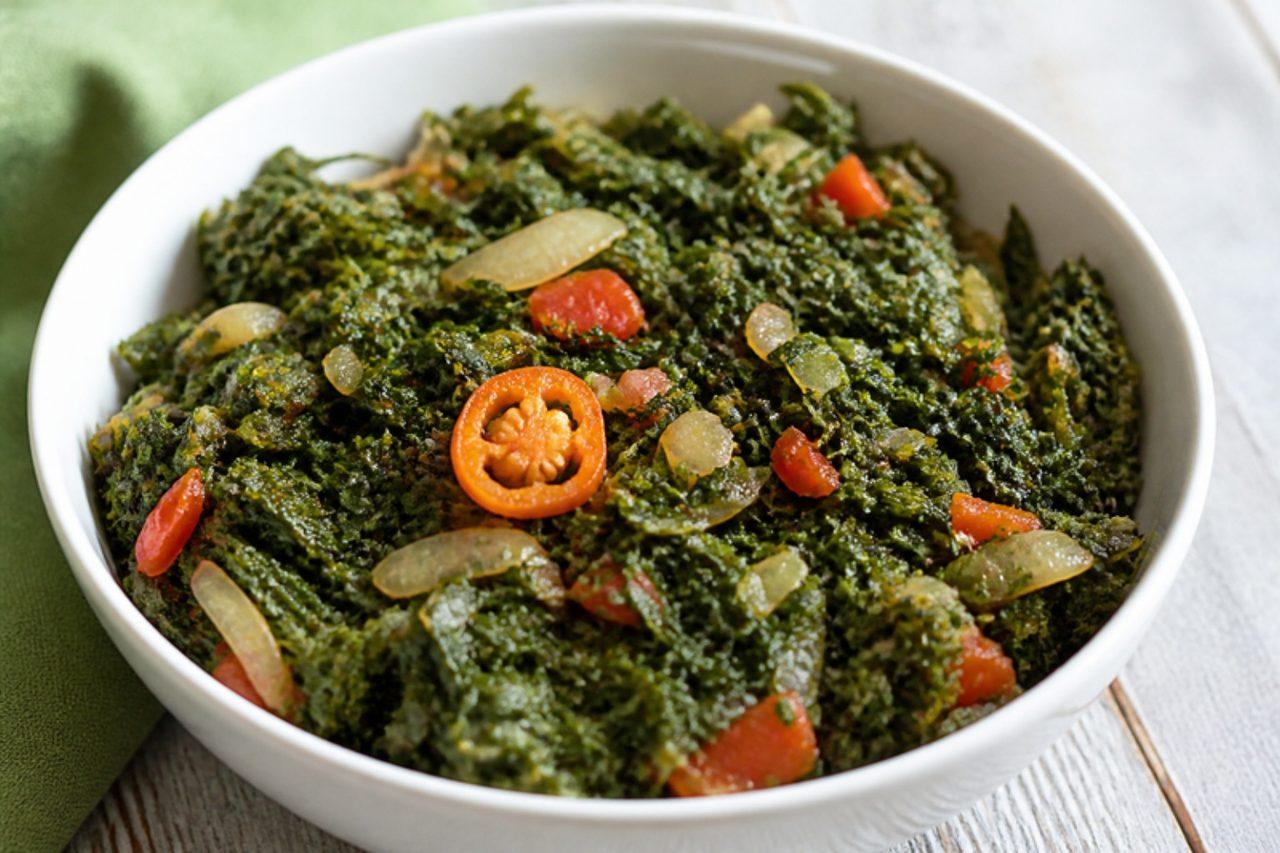
Jamaican callalooSteamed callaloo greens
In Jamaica, callaloo means the leaves and tender stems of a type of amaranth, sold in big bundles in every market from Coronation Market in Kingston to Santa Cruz in St Elizabeth. It's steamed down with onion, tomato, garlic and thyme into soft, savoury greens with a mild mineral sweetness, and eaten at breakfast with fried dumplings, boiled green bananas or hard dough bread, or as a side at dinner. Spinach or Swiss chard can stand in if you can't find callaloo. Chef's tip: peel the fibrous skin from the thicker stems with a small knife and slice the stems and leaves finely across, about 1 cm wide. That's how Jamaican cooks get callaloo that's tender all the way through rather than stringy.
 Jamaican
