
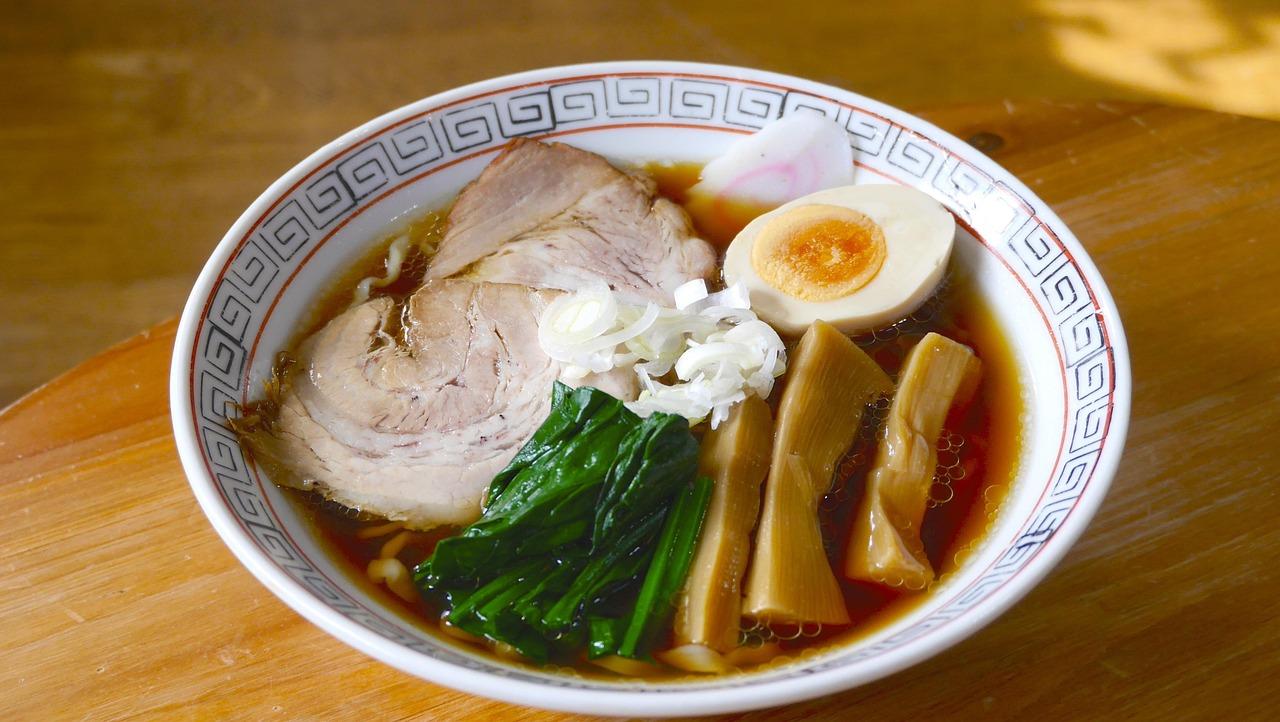
Shoyu ramen
醤油ラーメン: Tokyo's clear soy-seasoned chicken broth with wavy noodles, soft egg and nori
Tokyo's earliest ramen counters, starting with one in Asakusa in 1910, served a clear brown soup seasoned with soy sauce, and that style still defines a Tokyo bowl. You'll find it in old-fashioned shops with a ticket machine by the door and a short lunchtime queue outside. This home version simmers chicken wings for under an hour, so the broth tastes clean and light, a world away from the milky pork soup of Kyushu. Wavy noodles catch the soup, and poached chicken, a jammy egg, nori and spring onion go on top. Chef's tip: float a spoonful of the yellow chicken fat you skim off the broth on each bowl, as it carries the aroma of the soy to your nose with every slurp.
- Total time
- 75 min
- Difficulty
- medium
- Serves
- 2
Ingredients
For the chicken broth
For the soy tare
Toppings
Method
0/10 doneStep 1: Put 1 ⅓ lb chicken wings in a large pan, cover with cold tap water and bring to the boil over a high heat. Boil for 3 minutes, then tip into a colander and rinse off the grey scum under the cold tap. This quick blanch keeps the finished soup clear.
8 minStep 2: Rinse the pan, return the wings and add 6 ¾ cups water, 1 onion, 4 slices fresh ginger, 3 cloves garlic and 2 spring onion green tops. Bring up slowly over a medium heat and skim off any foam as it rises. Common mistake: letting the pot boil hard. Rolling bubbles beat the fat into the liquid and turn the broth cloudy, which is right for tonkotsu but wrong for shoyu.
10 minStep 3: Turn the heat down so only a few lazy bubbles break the surface. Simmer uncovered for 30 minutes, skimming now and then.
30 minStep 4: Slip 1 skinless chicken breast into the simmering broth and poach for 12–15 minutes, until the thickest part reaches 165°F/165 °F and the juices run clear when you pierce it. For the last 10 minutes, add ⅛ oz kombu (dried kelp) too; lift the kombu out before the broth bubbles more strongly, or it turns slimy and bitter.
15 minStep 5: Meanwhile lower 2 eggs into a small pan of boiling water and cook for 6½ minutes for jammy yolks. Cool in cold water for 3 minutes, then peel and halve. For anyone pregnant, very young, elderly or with a weakened immune system, boil them for 9 minutes so the yolks are firm.
10 minStep 6: Put 4 tbsp soy sauce, 1 tbsp mirin, 1 tbsp sake and ½ tsp salt in a small pan and let it bubble over a medium heat for 1 minute. Mirin and sake contain alcohol; a short boil reduces it but doesn't remove it all. For an alcohol-free tare, leave both out and use 2 tsp sugar and 1 tbsp water instead.
2 minStep 7: Lift the chicken onto a board and let it rest for 3 minutes before slicing thinly. Strain the broth through a fine sieve into a clean pan; you need about 900 ml. Skim 2 tsp of the yellow fat from the top and keep it for serving. Keep the broth hot over a low heat.
5 minStep 8: If you're making the broth ahead, cool it quickly (stand the pan in a sink of cold water), refrigerate within 2 hours and use within 3 days, or freeze for up to 3 months. Bring it back to a full boil before serving.
Step 9: Cook 9 oz fresh wavy ramen noodles in a large pan of boiling water following the packet, usually 1½–2 minutes for fresh. Drain and shake hard so no water dilutes the soup.
3 minStep 10: Divide the tare between two warmed deep bowls and pour about 450 ml hot broth into each, stirring to mix. Add the noodles and fold them once so they lie neatly. Top with the chicken, egg halves, 1 sheet nori, 2 spring onions and 1 ⅜ oz menma (seasoned bamboo shoots) if using, add the reserved chicken fat and eat straight away.
Nutrition per serving
- Calories
- 620 kcal
- Protein
- 44 g
- Carbs
- 74 g
- Fat
- 15 g
- Fibre
- 4 g
Nutrition values are estimates.
KrazyBadal
Good to know
- How long does shoyu ramen take?
- About 75 minutes in total: 15 minutes to prepare and 60 minutes to cook.
- How many people does it serve?
- 2 as written. Change the servings above the ingredients and every amount scales to match.
- Can I make it ahead?
- Yes. It keeps well, so you can cook it earlier in the day or the day before and reheat it.
- What can I use instead of onion?
- 2 shallots per onion.
- What can I use instead of fresh ginger?
- ¼ tsp ground ginger per tbsp fresh (add it with the spices).
Reviews
No reviews yet. Be the first to cook it.
Rate this recipe
Sign in to rate and review this recipe.
You might also like

Boiled pasta
The basic method for any dried pasta, from penne to spaghetti. A large pan of salted boiling water keeps the pasta from sticking, and you cook it only until just done, with a little bite left. Use it in salads, bakes or with any sauce.


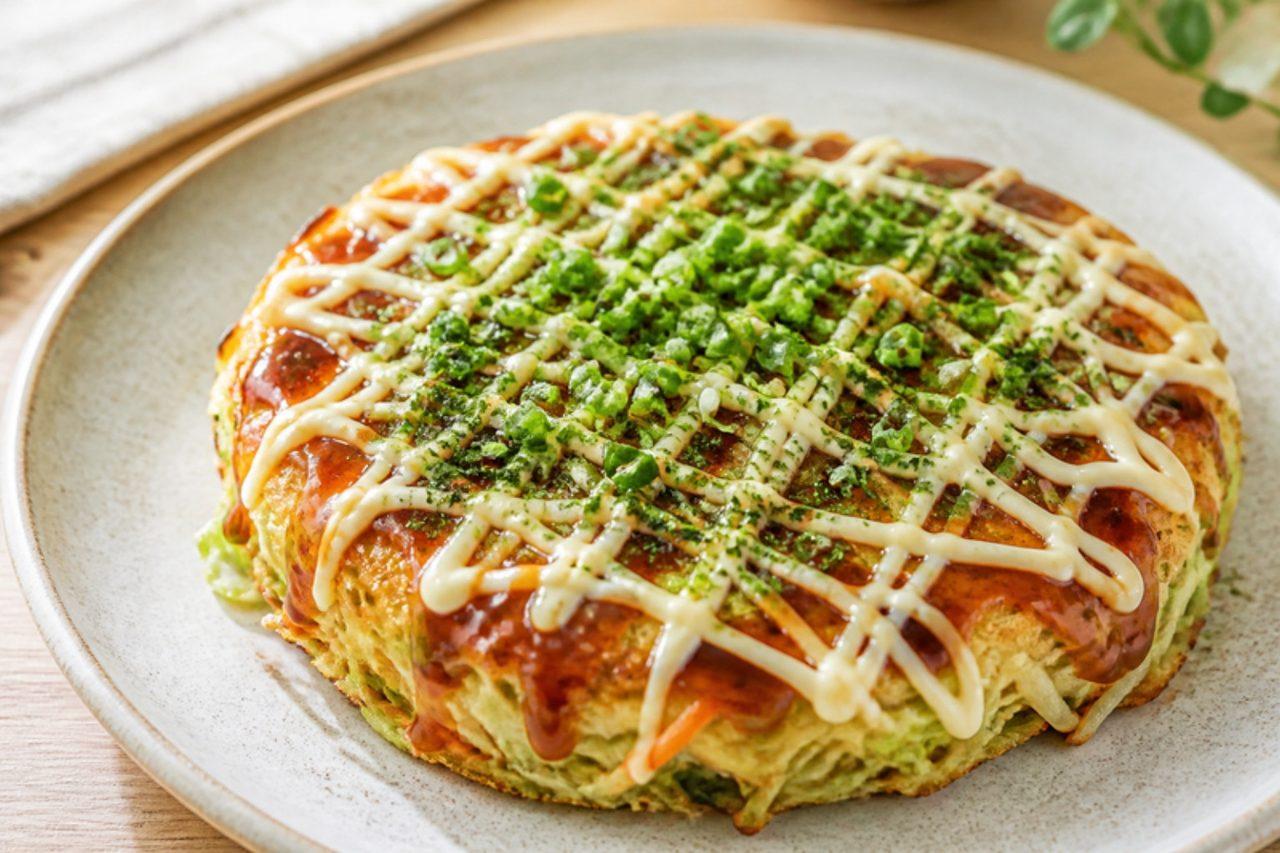
Okonomiyaki
Okonomiyaki (お好み焼き, 'grilled as you like it') is the pride of Osaka, where it's cooked on hot iron griddles in lively restaurants. Finely shredded cabbage is folded into a light batter with egg and spring onion, then fried into a thick, soft pancake with a crisp outside. It's painted with a fruity brown sauce and zigzagged with mayonnaise. Bonito flakes are usual on top; this vegetarian version uses seaweed flakes and pickled ginger instead. Chef's tip: don't press the pancake down with your spatula while it cooks. Osaka cooks leave it alone so the cabbage steams inside and stays light and fluffy; pressing squeezes out the air.
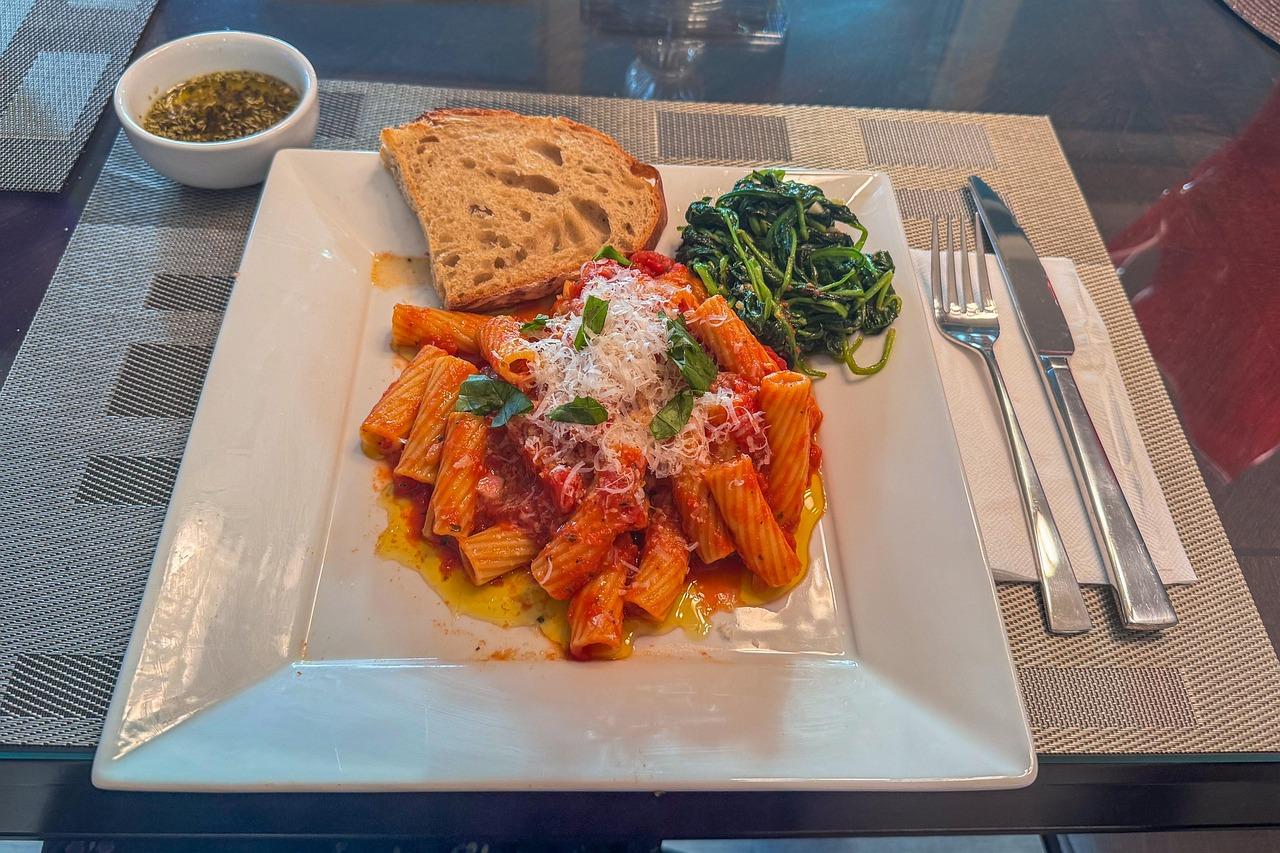
Pasta and eggplant
Rigatoni tossed in a thick tomato sauce with soft aubergine, celery and garlic, with an optional splash of brandy for depth, and topped with grated cheddar.